Man shows what it's like to get behind the wheel of a Boeing 787 Dreamliner with zero experience
Published on Oct 01, 2025 at 7:31 PM (UTC-4)
by Alessandro Renesis
Last updated on Oct 01, 2025 at 7:31 PM (UTC-4)
Edited by
Emma Matthews
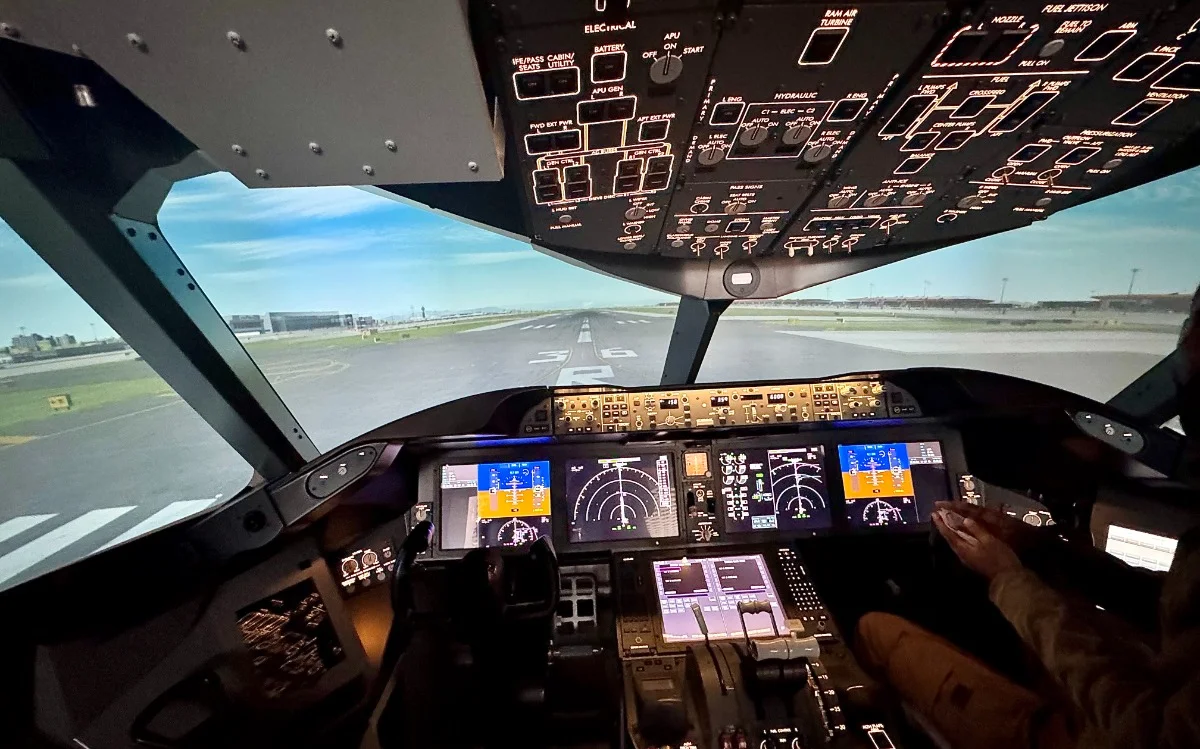

A guy with zero experience tried landing a Boeing 787 Dreamliner using a flight simulator for the first time, and the result was not what we expected.
The simulator looks unreal, and it feels 99 percent like being inside a real plane.
But what’s truly surprising is what happens when a completely untrained person tries landing a Boeing airliner.
There are a few things worth bearing in mind, though.
DISCOVER SBX CARS: The global premium car auction platform powered by Supercar Blondie
It feels like being inside a real plane
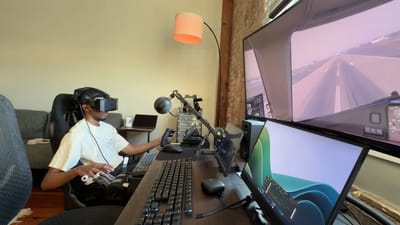
We had the chance to try a Boeing 787 Dreamliner flight simulator, and we were given two options: take-off or landing.
We picked landing because it sounded more challenging.
And let’s face it, landing a plane is something we all think is cool.
Bear in mind, the guy who tried the simulator – ie, yours truly – had zero experience.
Not even with old PlayStation video games.
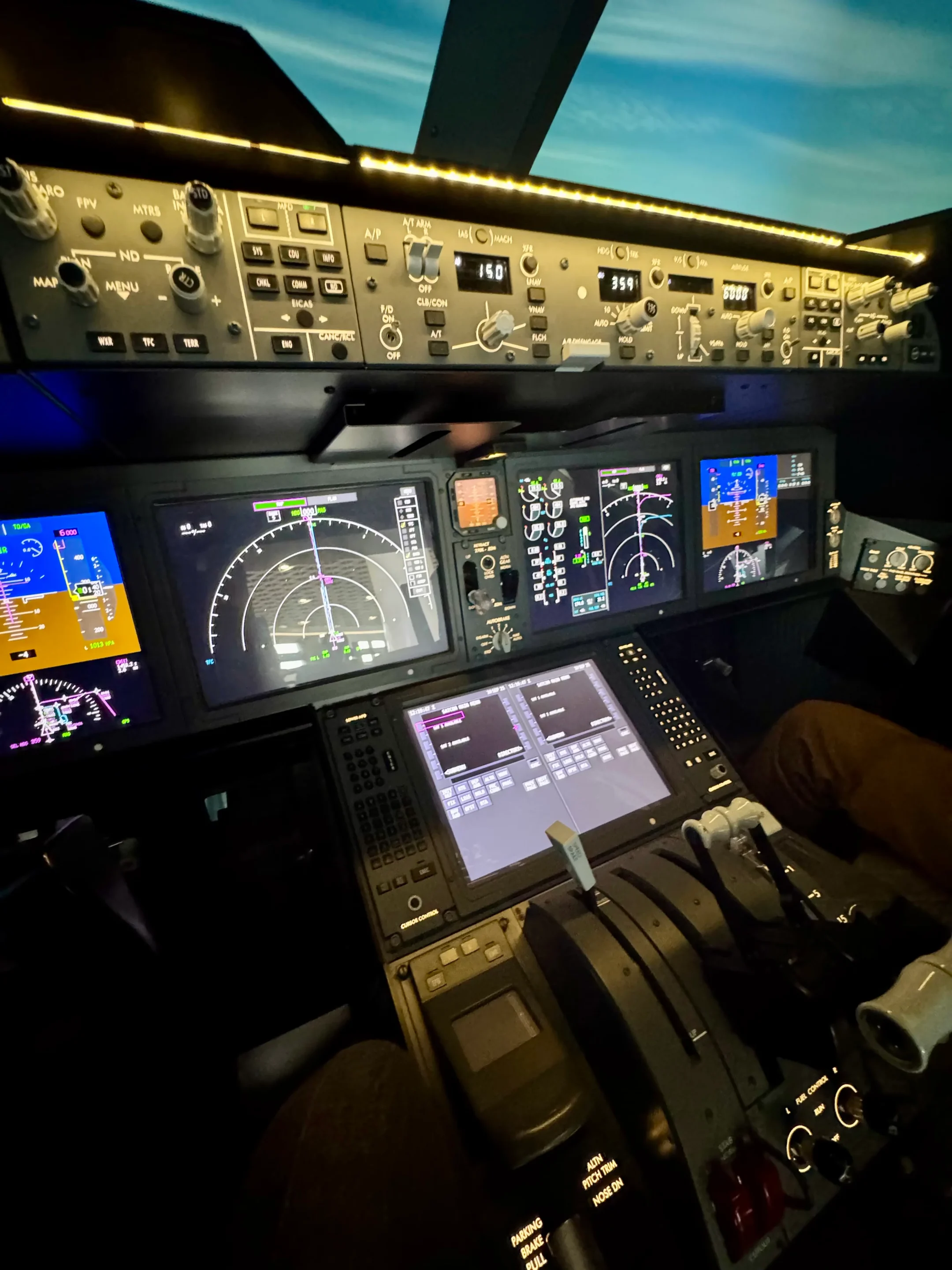
Stepping inside the incredibly realistic Boeing 787 Dreamliner cockpit felt surreal and also a little overwhelming.
That’s because you’re surrounded by over 100 individual controls, with dozens of levers, switches, dials, and so on.
In here, you’re in a safe zone with trained people, and there’s no chance of harming anyone.
But up there, you’re maneuvering a 228-ton giant.
The pressure must be immense, and it explains why some pilots are paid so handsomely.
This is what it takes to land a Boeing 787 Dreamliner
Trying a flight simulator as part of a museum visit, which is what we did, is a filtered and simplified experience.
The instructor does 90 percent of the work, which probably explains we didn’t crash the plane, but even so, there are a lot of things to think about.
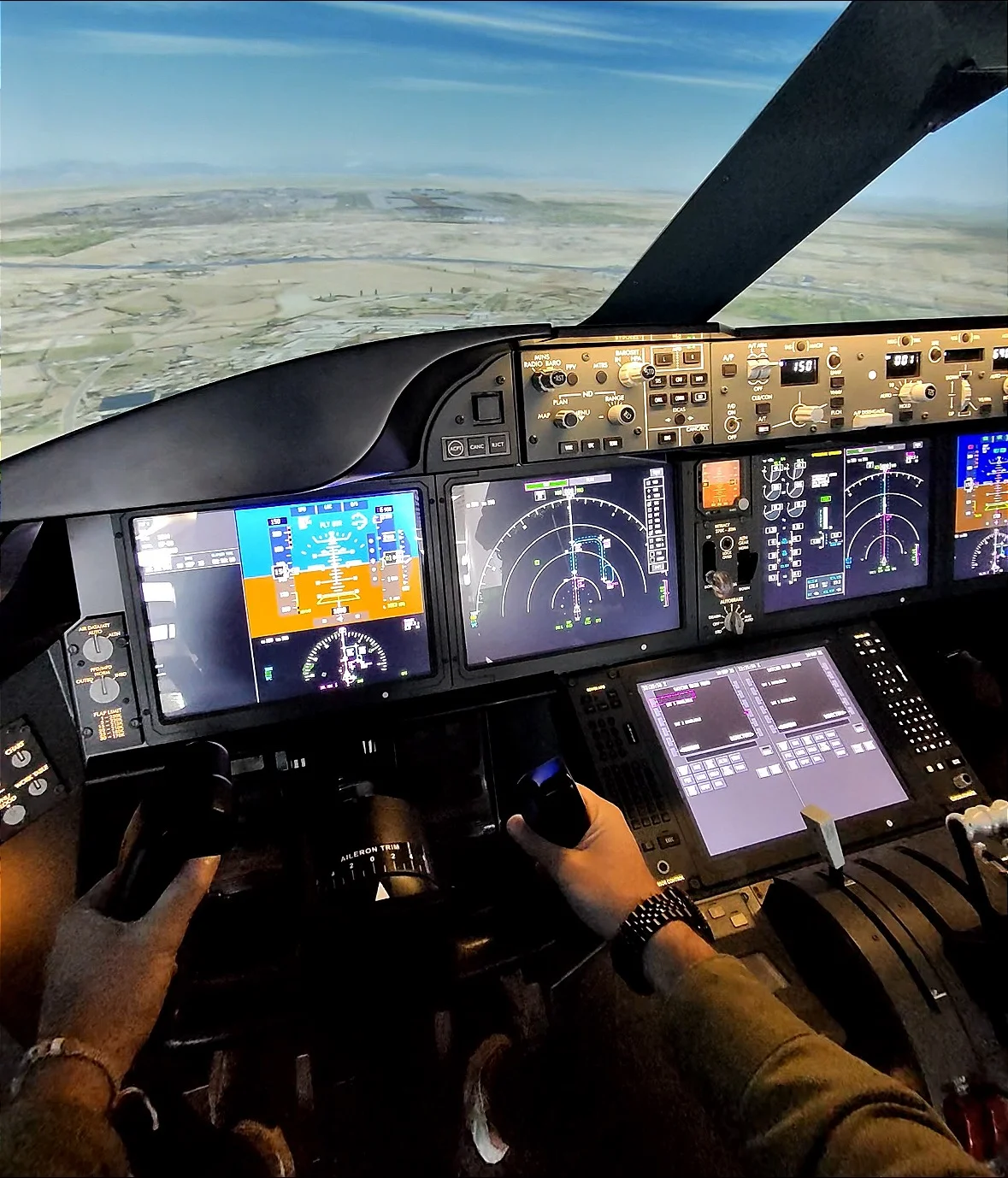
You’re told to keep the plane aligned with the runway, but you’re told to do it by relying on what the radar is showing you and not just on what you’re seeing with your eyes.
You’re told to use the wing flaps and that the yoke doesn’t really work anymore once you touch the ground.
That means you’re going to have to use what’s called the rudder, which you can control via car brake-like pedals, in order to steer the plane left and right and keep it on the runway.
The whole experience – assuming you managed to land the plane without crashing – ends with the parking brake which, depending on the model, can sometimes feel – and work – more or less exactly like a car handbrake.
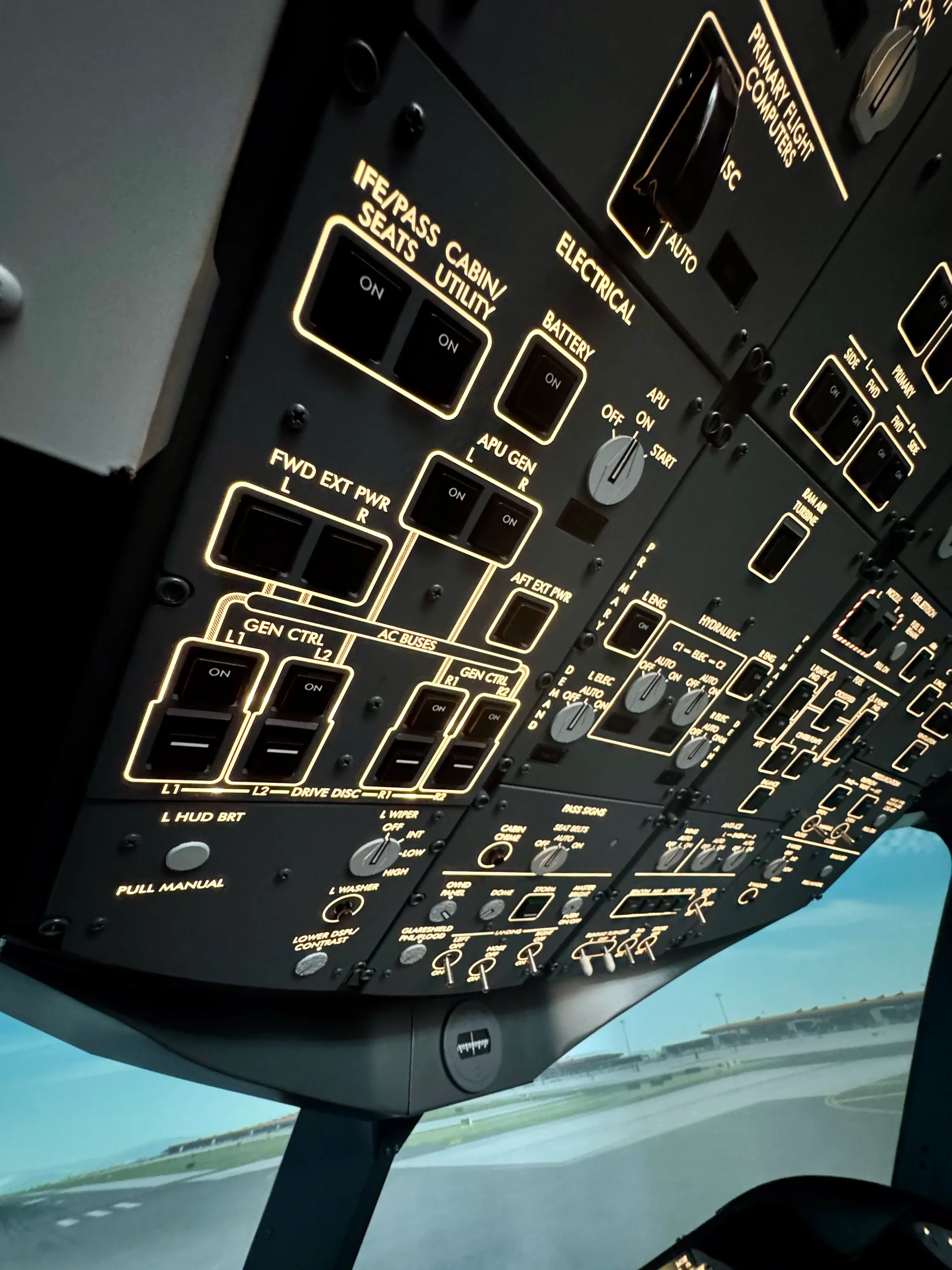
Flight simulators are an essential tool in aviation.
They can imitate various emergencies, and they recreate different weather conditions, such as heavy rain and wind, turbulence in the air, and so on.
As a trainee pilot, the amount of simulator hours you need varies a lot depending on the aircraft.
Generally speaking, single-aisle airplanes, like the A320, take fewer simulator hours, whereas larger two-deck aircraft like the Airbus A380 require a lot more training.
The Boeing 787 Dreamliner kind of falls in the middle.
Alessandro is an automotive journalist with 10 years of experience covering supercars, automotive history, emerging vehicle technology, and luxury transportation. He wrote the first article published on SupercarBlondie.com when the website launched in 2022 and has since built a reputation for insightful reporting across the automotive and transportation industries. His expertise is grounded in hands-on experience. Alessandro has driven every Tesla model ever produced, from the original Roadster to the Cybertruck, and regularly covers the latest developments in electric vehicles and automotive innovation. His passion for transportation extends beyond cars, he has even flown a Boeing 787 Dreamliner simulator in Addis Ababa, Ethiopia. His reporting spans everything from classic American muscle cars and rare automotive discoveries to luxury yachts, private aircraft, high-end watches, and cutting-edge vehicle technology. Known for his deep knowledge of automotive history and ability to uncover the stories behind iconic vehicles, Alessandro brings readers a blend of historical context, technical expertise, and first-hand experience.