Two level-3 self-driving EVs have just been approved in China
Published on Jan 04, 2026 at 4:15 AM (UTC+4)
by Jason Fan
Last updated on Dec 24, 2025 at 1:50 PM (UTC+4)
Edited by
Mason Jones

If you thought truly hands-off driving was still years away, China’s approval of level-3 self-driving EVs might change your mind.
The approval comes from the country’s Ministry of Industry and Information Technology (MIIT), marking the first time vehicles with this level of automation have been cleared for use.
Two electric sedans from two separate local companies are leading the charge.
While the rollout is limited, the implications for the future of driving are huge.
SBX CARS – View live supercar auctions powered by Supercar Blondie
The US approved its first level-3 self-driving EVs in 2023
Many people may not know this, but self-driving cars are serious business.
So serious, in fact, that there’s a proper grading system to determine the level of autonomy each vehicle actually possesses.
Level-3 autonomy sits at a crucial middle ground between advanced driver assistance and true hands-off driving.
According to the US National Highway Transportation Safety Administration, a level-3 system can handle all aspects of driving under specific conditions, such as highway cruising or traffic congestion.
Unlike level-2 systems, the driver does not need to constantly monitor the road.
However, the catch is that the driver must be ready to take over when the system requests it, making human attention a backup rather than a primary requirement.
The two newly approved vehicles are from Changan Auto and BAIC Motor.
While they’re cleared for use in public, the two EVs do have to operate under strict geographic and speed limitations.
The Changan electric sedan is authorized to drive autonomously in single lanes on highways and urban expressways within designated areas of Chongqing, capped at 50 km/h (31 mph).
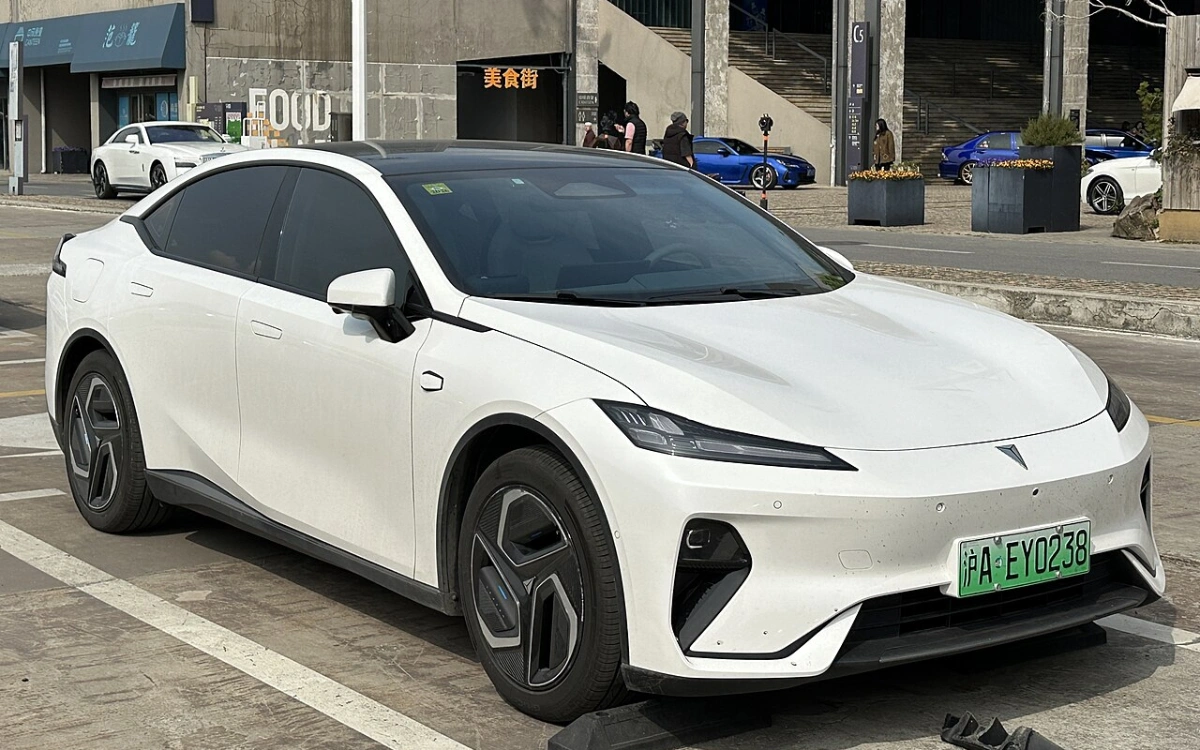
BAIC’s EV receives similar approval in parts of Beijing, but with a higher maximum autonomous speed of 80 km/h (50 mph).
MIIT emphasized that both vehicles underwent rigorous testing and safety assessments before approval, though no public timeline has been given for when customers can actually buy them.
This milestone puts China closer to markets like the United States, which approved its first certified level-3 vehicle, a Mercedes-Benz, in January 2023.
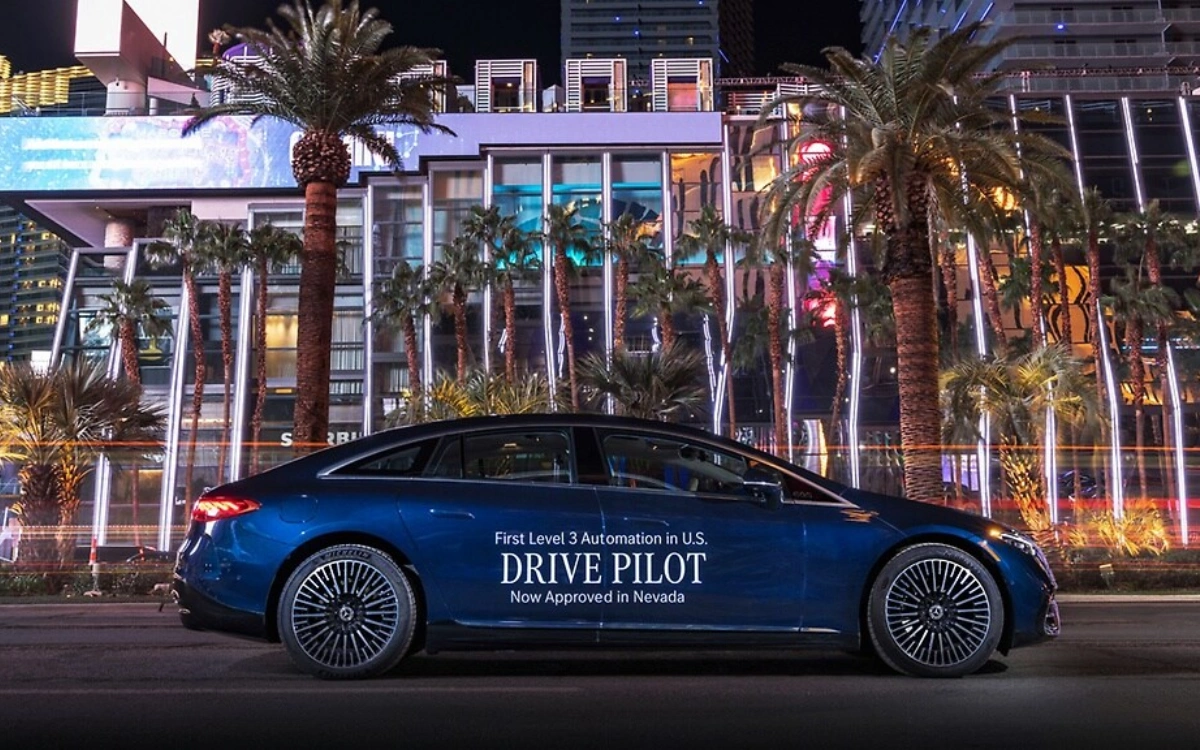
Mercedes’ Drive Pilot system allows hands-off driving in certain conditions, making it one of the few globally recognized examples of true level-3 autonomy.
Consumer Tesla vehicles are only level-2
Notably absent from the level-3 club is Tesla.
Despite branding features like ‘Full Self-Driving’, Tesla’s vehicles are officially classified as level-2 systems.
In fact, it isn’t even called ‘Full Self-driving’ in China itself, with a very different name of Autopilot Automatic Assisted Driving on Urban Roads.
A level-2 system means drivers must remain attentive at all times, with hands ready to take control instantly.
The car may steer, brake, and accelerate on its own, but legal responsibility never shifts away from the driver.
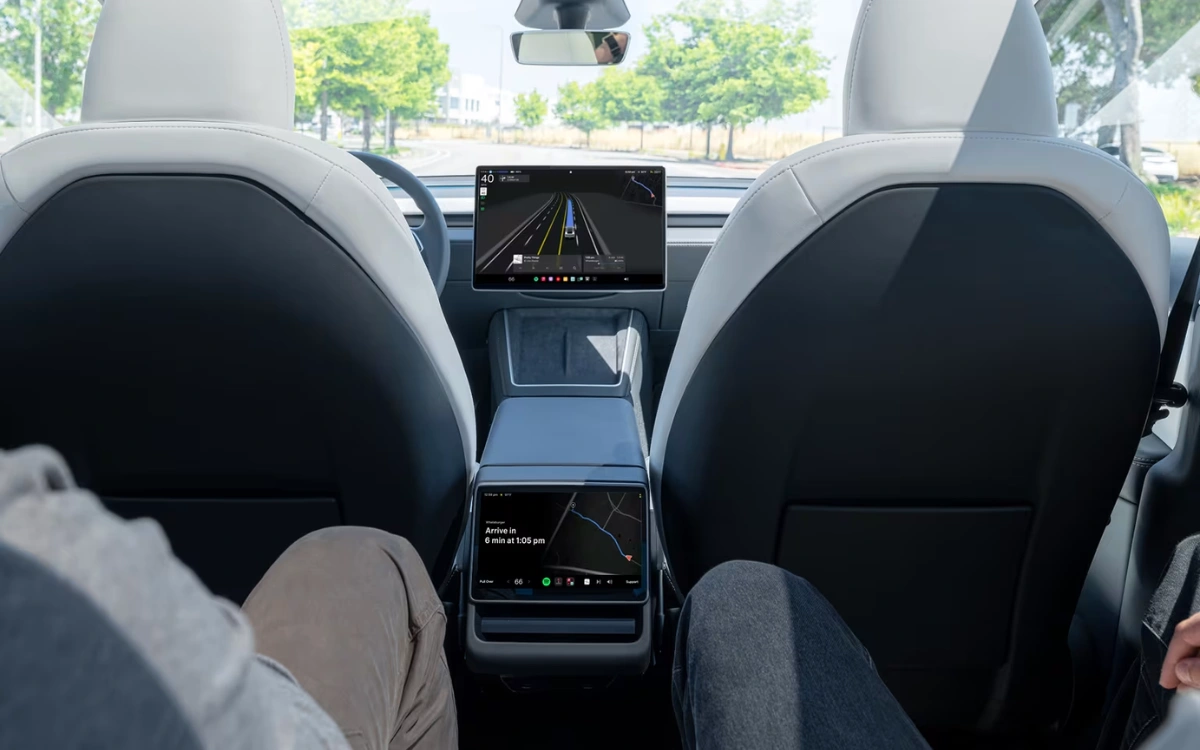
In contrast, level-3 systems temporarily take that responsibility when operating within approved conditions.
The only exception are Tesla Robotaxis operating in areas like Austin, which are allowed to function without a human driver within specific zones.
These vehicles are actually operating on a level-4 system, which is one step higher.
Waymo’s fleet of self-driving cars are also operating on the same level-4 system.
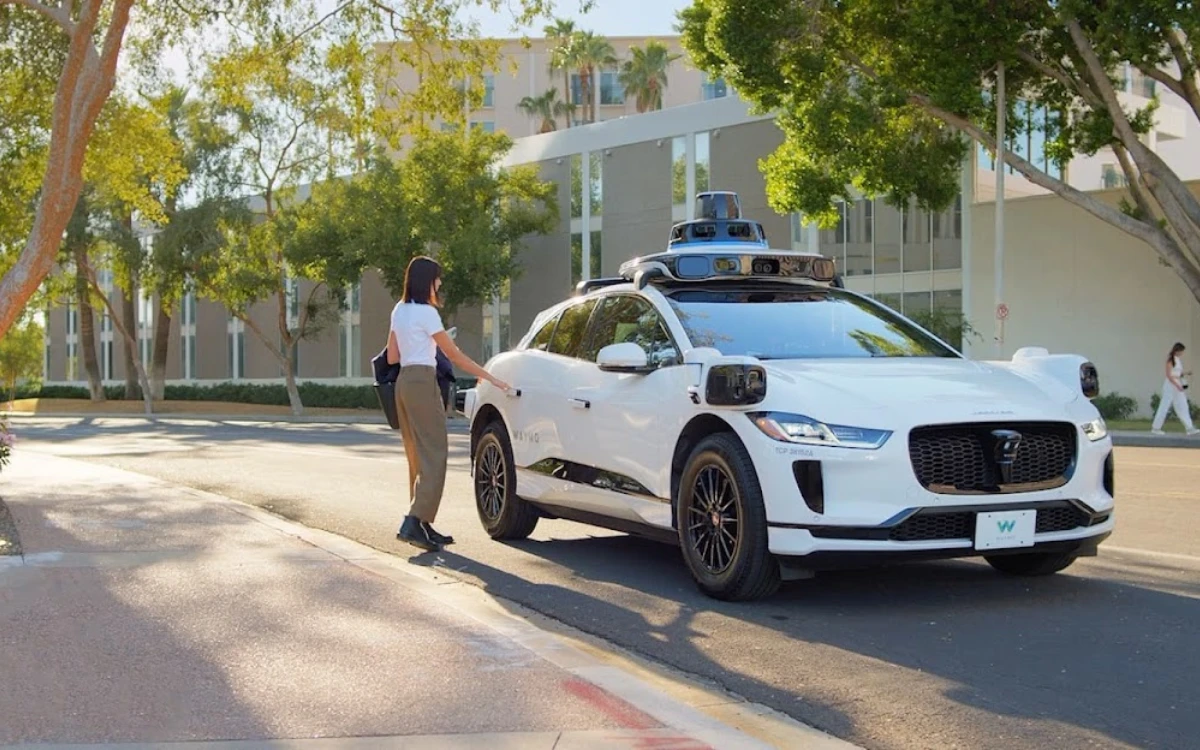
As testing zones expand and confidence grows, level-3 self-driving EVs could soon become a realistic option for everyday drivers.
DISCOVER SBX CARS: The global premium car auction platform powered by Supercar Blondie