Man stunned at having to spend $55 on gas for 200-mile journey compares how much same journey would cost in Tesla Model Y
Published on Oct 15, 2026 at 6:13 AM (UTC-4)
by Alessandro Renesis
Last updated on Oct 15, 2026 at 6:13 AM (UTC-4)
Edited by
Mason Jones
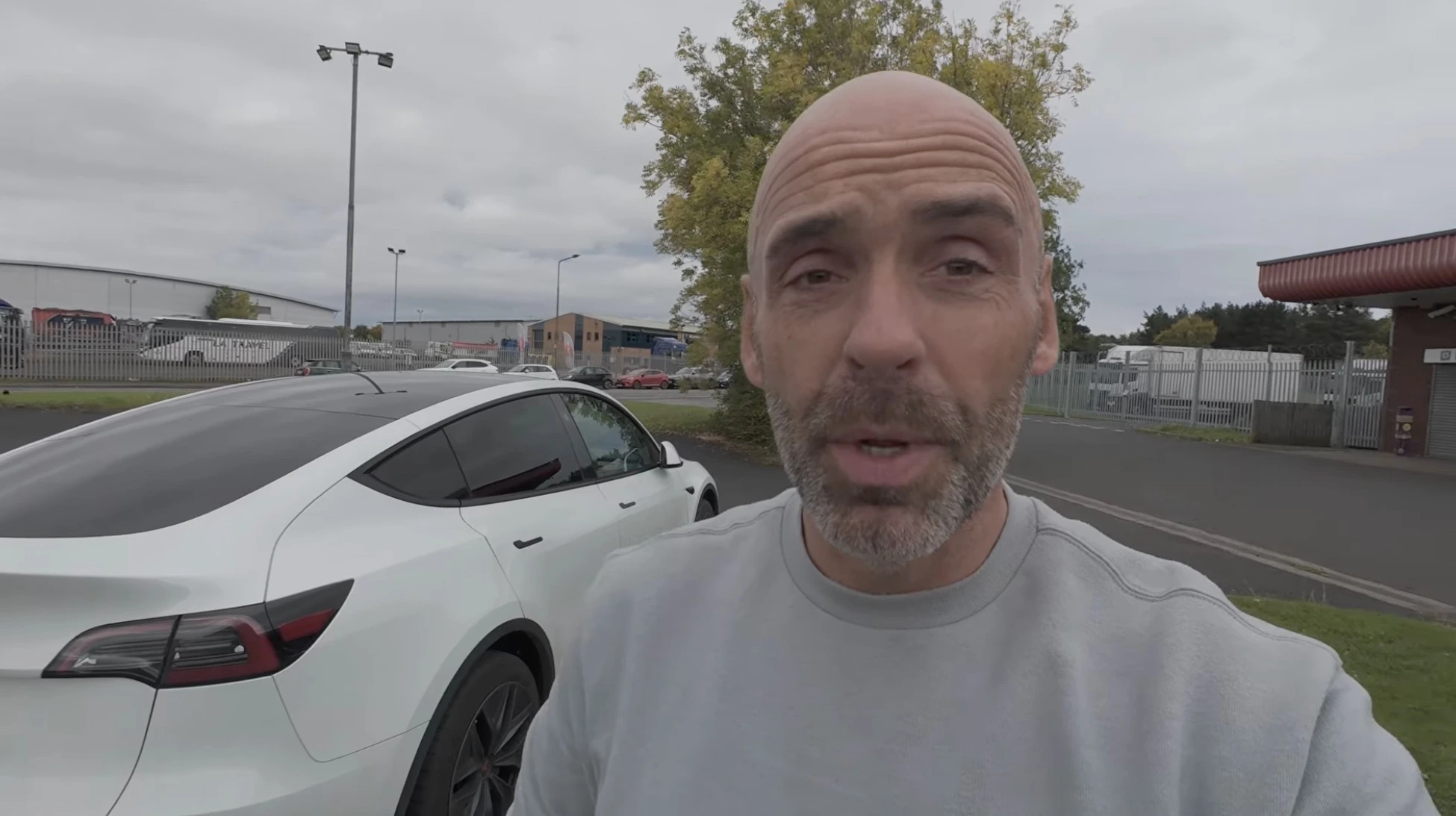

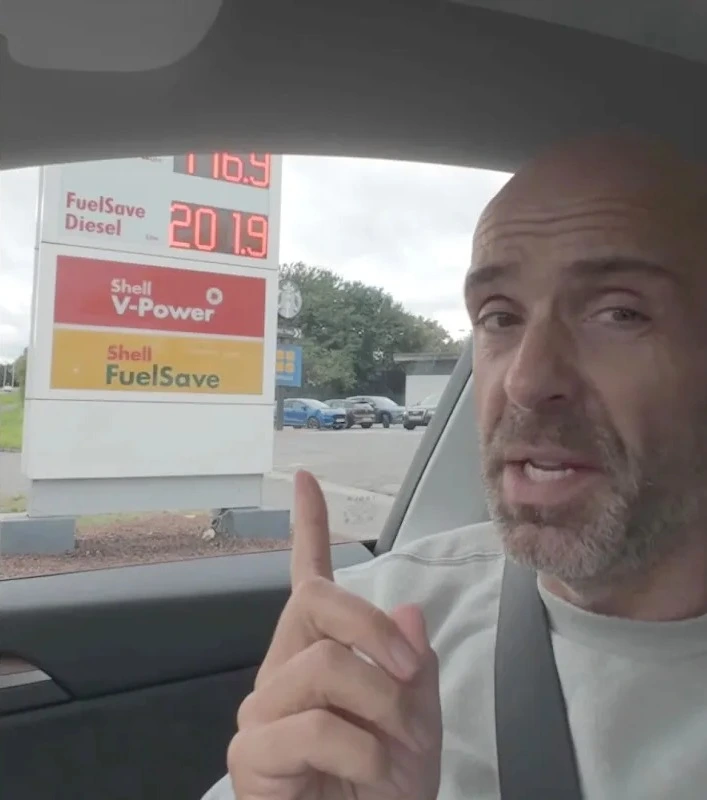
This UK Tesla owner is now more convinced than ever that switching to his Tesla Model Y from a gas car was a great idea realizing he’d spent a small fortune on a relatively short trip.
After driving 200 miles in a hire gas car, which is not nothing but it’s not exactly an Around the World in 80 Days kind of distance, the fuel bill was surprisingly high.
Money never lies.
But that gives us the opportunity to talk about a key feature of EVs.
The fuel bill was the catalyst
The guy behind the Charging Family YouTube channel covered 200 miles and realized it had cost him £42 – equivalent to around $55.
This was done on a road trip with a rental car, which just so happened to be a gas car.
That works out to around $0.275 per mile, which was not great.
When he got back home, he decided to simulate the same journey with his Tesla.
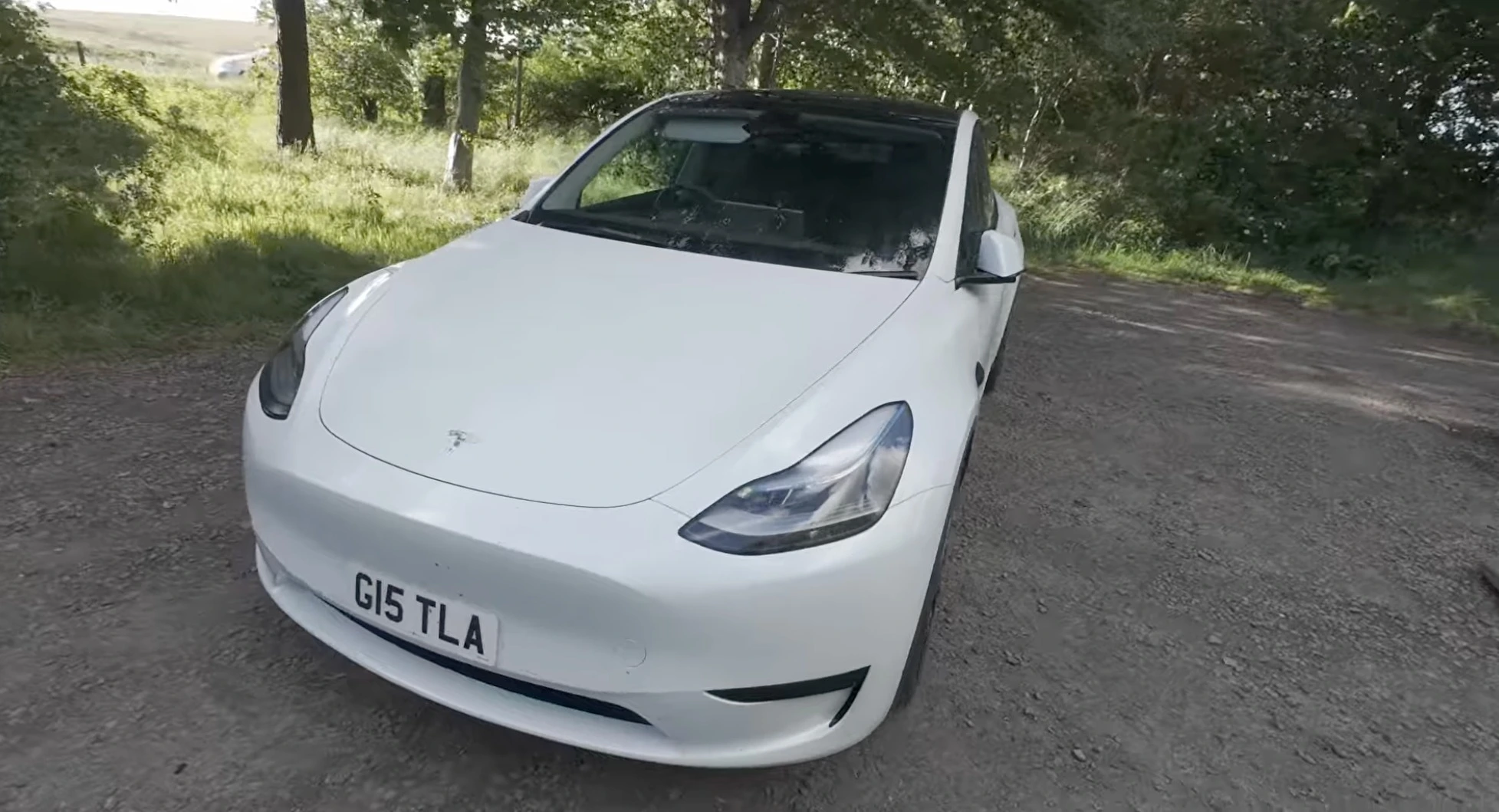
Using real-world tracking data covering over 8,300 miles in his Tesla Model Y, the YouTuber examined his energy efficiency – noting an average efficiency of 3.68 miles per kilowatt-hour.
Related
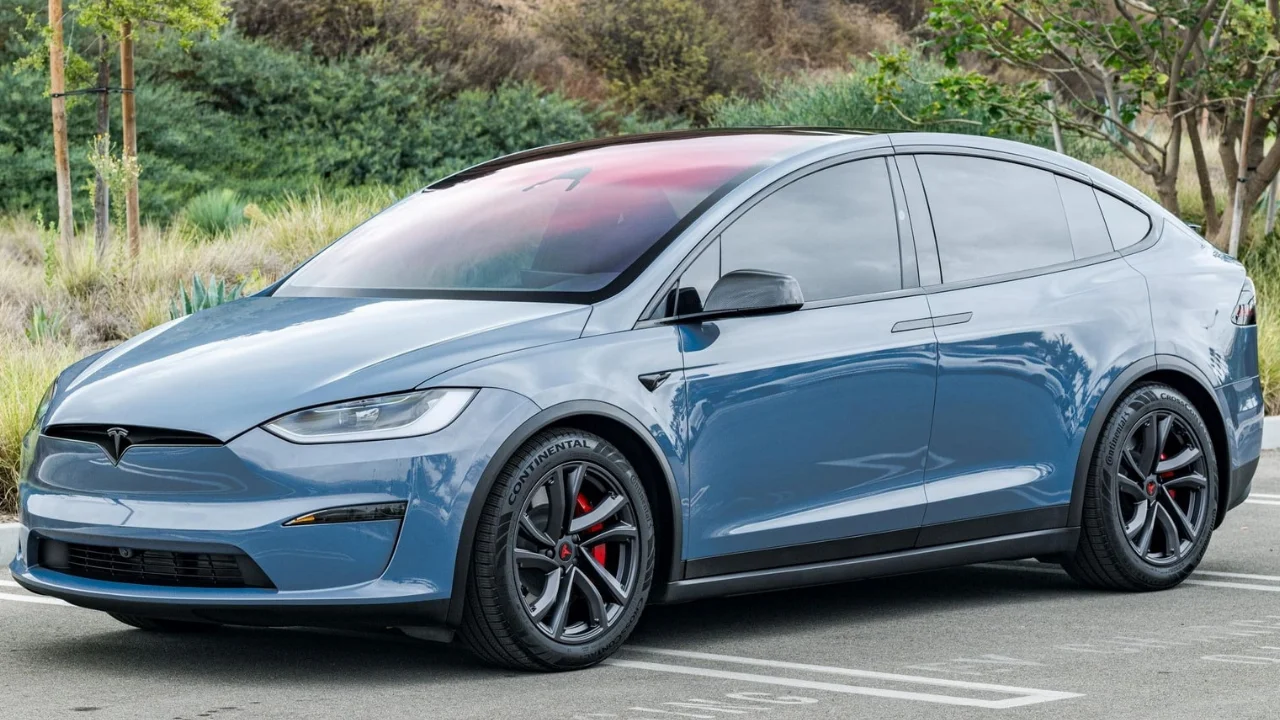
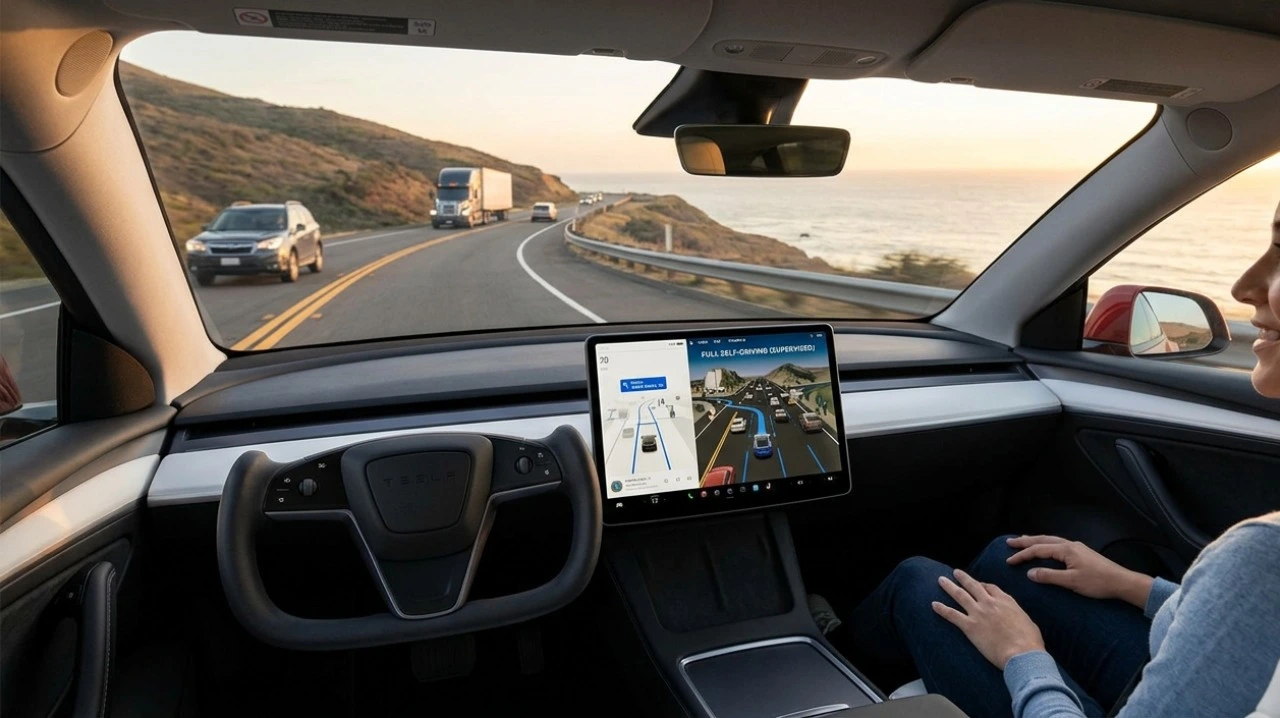
This is how much the same trip would’ve cost with a Tesla Model Y
The UK YouTuber’s tracking data showed his Model Y averaged 3.68 miles per kilowatt-hour (kWh) over 8,300+ miles.
Driving 200 miles at 3.68 mi/kWh requires roughly 54.3 kWh of electricity.
Average UK home EV tariffs are roughly $0.10 to $0.30 per kWh, so you’re looking at $20 instead of $55.
Not a bad deal.
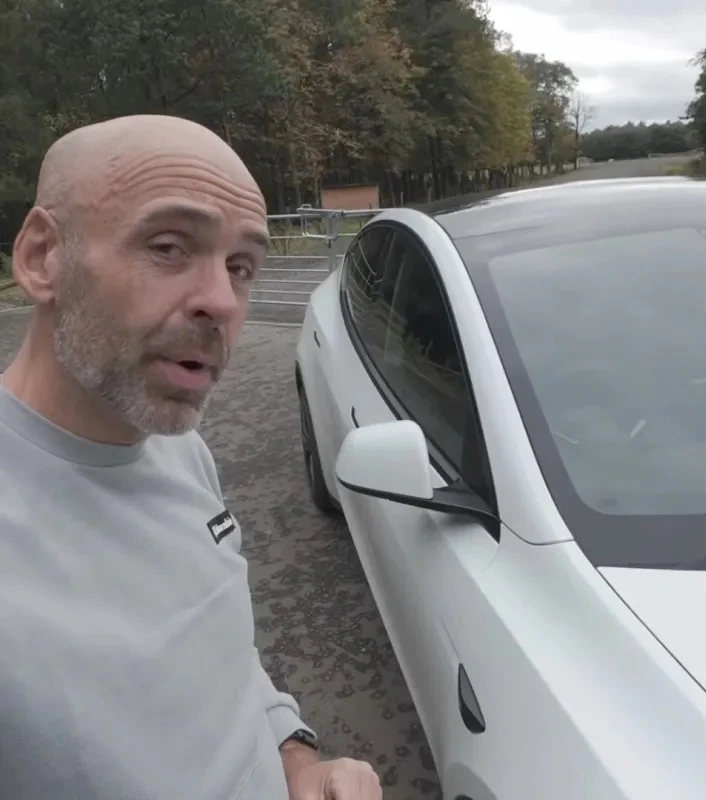
Even using public charger, including Superchargers, wouldn’t change the picture, because that would’ve cost him around $35-$40, so he would still have saved money.
This is a common thread
People switch to EVs for lots of reasons, but it seems that it always begins and ends with costs.
That seems to be the main reason, or feature – if you like.
It’s unclear whether that was the original intent, though.
If we think about it, EV adoption was initially driven by two main factors.
Sure, there EV mandates and incentives, but those came much later.
Before EV mandates, the first pioneer was Tesla.
In the late 2000s, they introduced the Roadster, which was an electric car that for the first time was also desirable.
And two, Dieselgate.
But Dieselgate wasn’t about money.
Back then, gas was cheap, and it was more a ‘moral’ accelerant than an economic one.

But that’s not the case today.
Electricity isn’t cheap these days, especially in some places, but gas is out of control.
So we’re not surprised to see so many people switching to EV quite enthusiastically when they see how much they can save.
Alessandro is an automotive journalist with 10 years of experience covering supercars, automotive history, emerging vehicle technology, and luxury transportation. He wrote the first article published on SupercarBlondie.com when the website launched in 2022 and has since built a reputation for insightful reporting across the automotive and transportation industries. His expertise is grounded in hands-on experience. Alessandro has driven every Tesla model ever produced, from the original Roadster to the Cybertruck, and regularly covers the latest developments in electric vehicles and automotive innovation. His passion for transportation extends beyond cars, he has even flown a Boeing 787 Dreamliner simulator in Addis Ababa, Ethiopia. His reporting spans everything from classic American muscle cars and rare automotive discoveries to luxury yachts, private aircraft, high-end watches, and cutting-edge vehicle technology. Known for his deep knowledge of automotive history and ability to uncover the stories behind iconic vehicles, Alessandro brings readers a blend of historical context, technical expertise, and first-hand experience.