Utah man drives 100,000 miles in his Tesla Model Y and calculates total cost of ownership compared to a gas car
Published on Oct 08, 2026 at 6:24 AM (UTC-4)
by Alessandro Renesis
Last updated on Oct 08, 2026 at 6:25 AM (UTC-4)
Edited by
Mason Jones
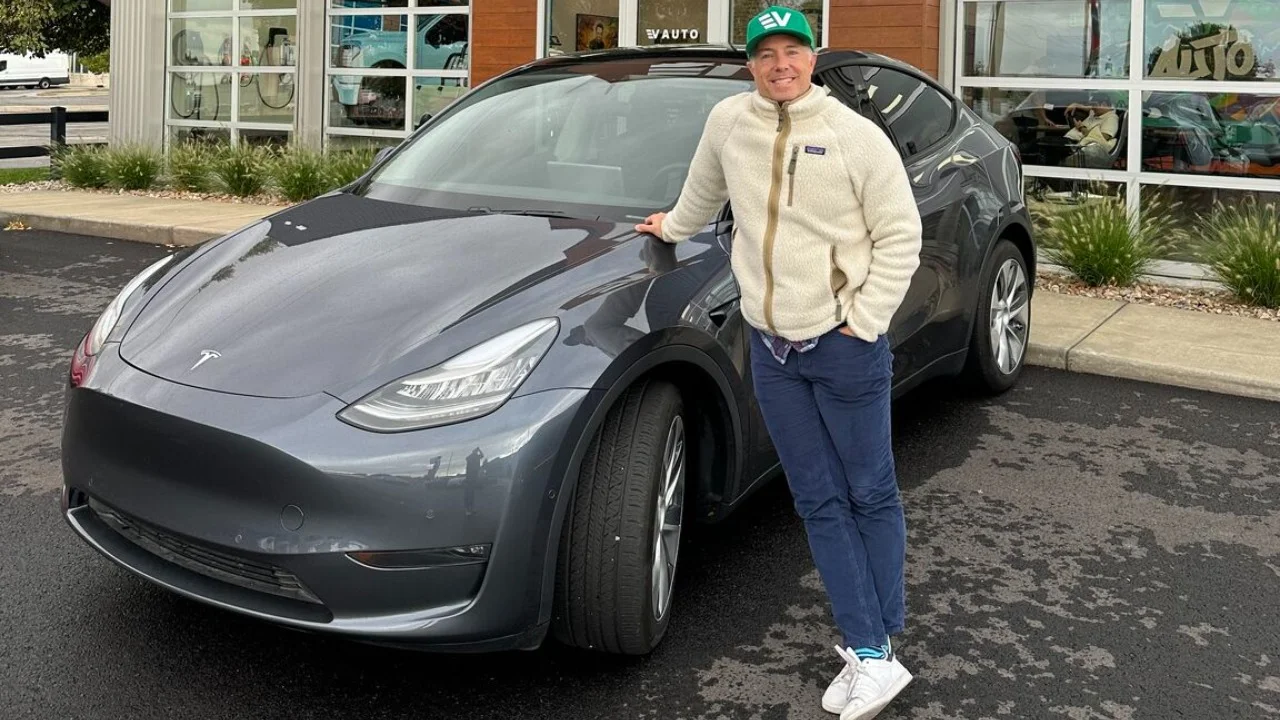

This Utah YouTuber and dealer has been driving his Tesla Model Y for 100,000 miles, and the verdict is in.
He ran the numbers against a gas car, and he’s got no doubts about which one he’d pick.
The cost is only part of the story, though.
And there was one extra bonus that came with the winner.
EVs are perfectly capable of reaching 100,000 miles or more
Utah-based dealer and YouTuber EV Auto Alex runs a dealer specializing in Teslas and drives several different cars daily.
However, his main daily driver is a Tesla Model Y, which has just reached the first major milestone for any high-mileage car: 100,000 miles.
In general, all cars are fully capable of reaching 100,000 miles.
We’ve seen people reach 200,000, 500,000, or even 1 million miles with their EVs.
Even so, it still felt like an achievement.
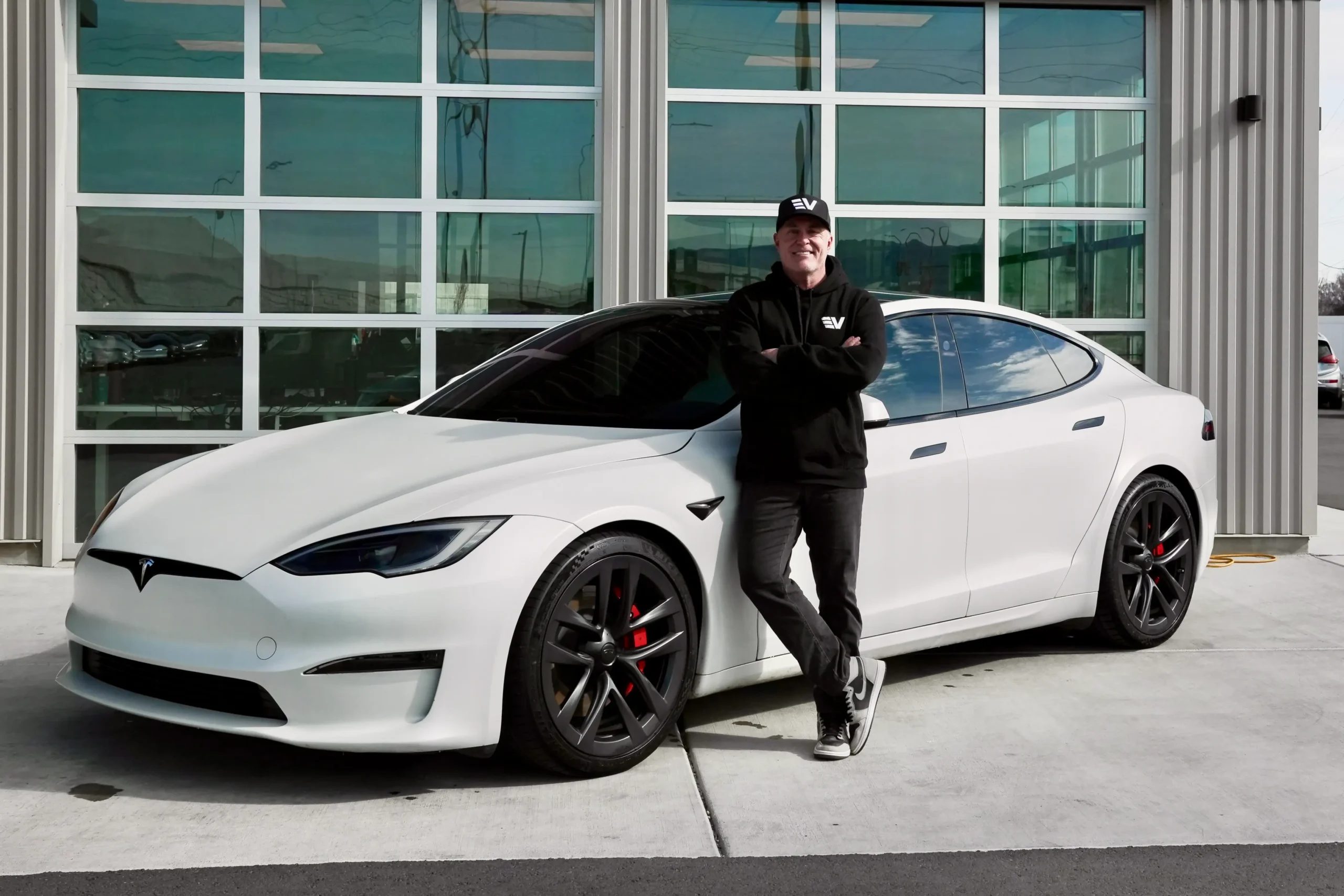
More importantly, Alex shared a few details about his EV experience.
He talked about the usual topics – charging versus filling up the tank with gas, maintenance, and so on – but he also mentioned something else.
He saved a fortune on fuel and oil alone
At the time of writing, the average fuel price in the US is around $4.5 per gallon, while the electricity rate is $0.19 per kWh.
For 100,000 miles, that works out to around $5,400 assuming you can charge at home, or $14,800 with an equivalent gas car, for example, an entry-level BMW 3 Series.
So you’re looking at around $9,400+ you’ve saved on fuel.
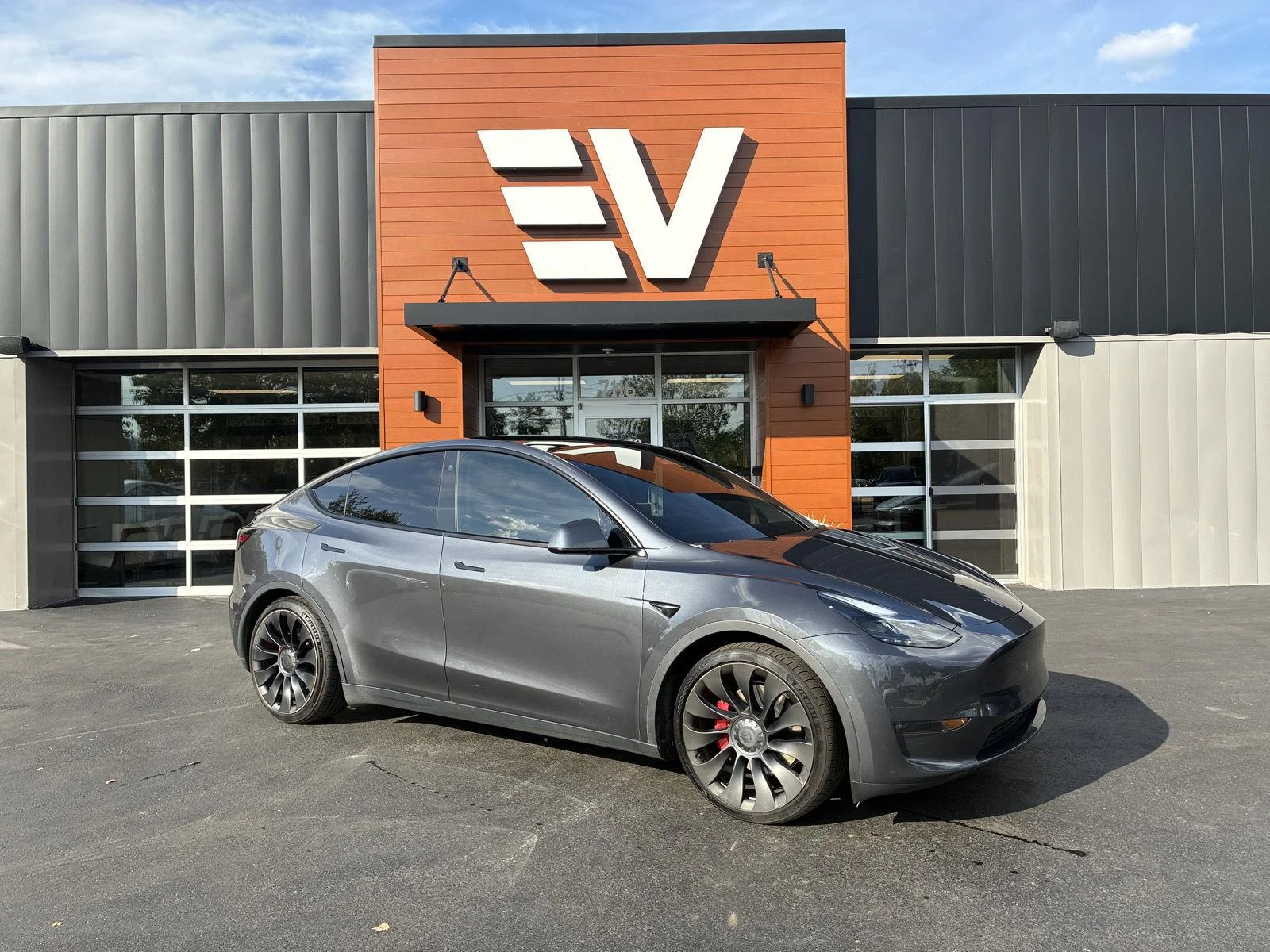
Specifically, in Utah, 100,000 miles with an EV would cost you $3,900, while 100,000 miles with a gas car would work out to $14,000.
Then there’s maintenance, which involves a lot of things, the most frequent of which is an oil change.
Over 100,000 miles, you need between 20 and 25 oil changes, so that’s $1,600 to $2,400 saved.
And there was another bonus.
This bonus that comes with this particular Tesla
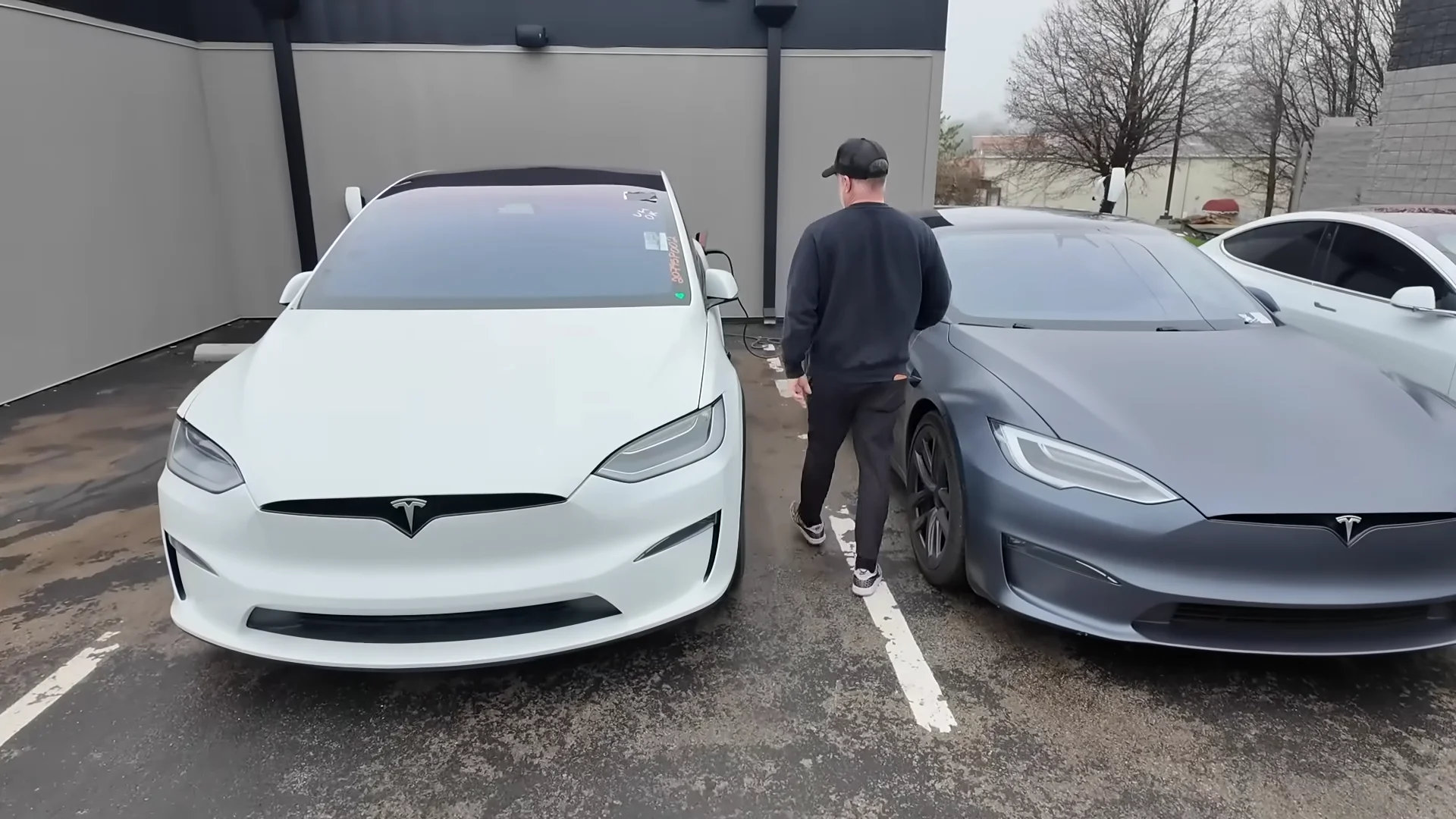
When compared to gas cars, EVs have two major cons: tires and brakes.
EVs are much heavier, and they generally have a lot more torque.
And it’s instant torque, which means you take off like a rocket at the light, which is fun, but detrimental to the tires.
And because the car is heavier, stress on the tires and brakes can be higher.
However, as Alex pointed out, his Tesla Model Y is still using the original brakes.

That’s because while it is true that EVs are heavier and faster, which would normally be bad for brakes, they’re also fitted with regenerative braking.
When you lift your foot from the throttle, the car automatically slows down, which means you can theoretically do what people call ‘one-pedal’ driving.
So while an EV might burn through rubber faster than a gas car, as long as you use regenerative braking, the brake shop is a place you won’t have to drive to.
Just like the gas station.
Alessandro is an automotive journalist with 10 years of experience covering supercars, automotive history, emerging vehicle technology, and luxury transportation. He wrote the first article published on SupercarBlondie.com when the website launched in 2022 and has since built a reputation for insightful reporting across the automotive and transportation industries. His expertise is grounded in hands-on experience. Alessandro has driven every Tesla model ever produced, from the original Roadster to the Cybertruck, and regularly covers the latest developments in electric vehicles and automotive innovation. His passion for transportation extends beyond cars, he has even flown a Boeing 787 Dreamliner simulator in Addis Ababa, Ethiopia. His reporting spans everything from classic American muscle cars and rare automotive discoveries to luxury yachts, private aircraft, high-end watches, and cutting-edge vehicle technology. Known for his deep knowledge of automotive history and ability to uncover the stories behind iconic vehicles, Alessandro brings readers a blend of historical context, technical expertise, and first-hand experience.