This is when the US will become majority EV and which state will get there first, according to an expert
Published on Nov 07, 2026 at 5:05 AM (UTC-5)
by Ben Thompson
Last updated on Nov 07, 2026 at 5:05 AM (UTC-5)
Edited by
Mason Jones
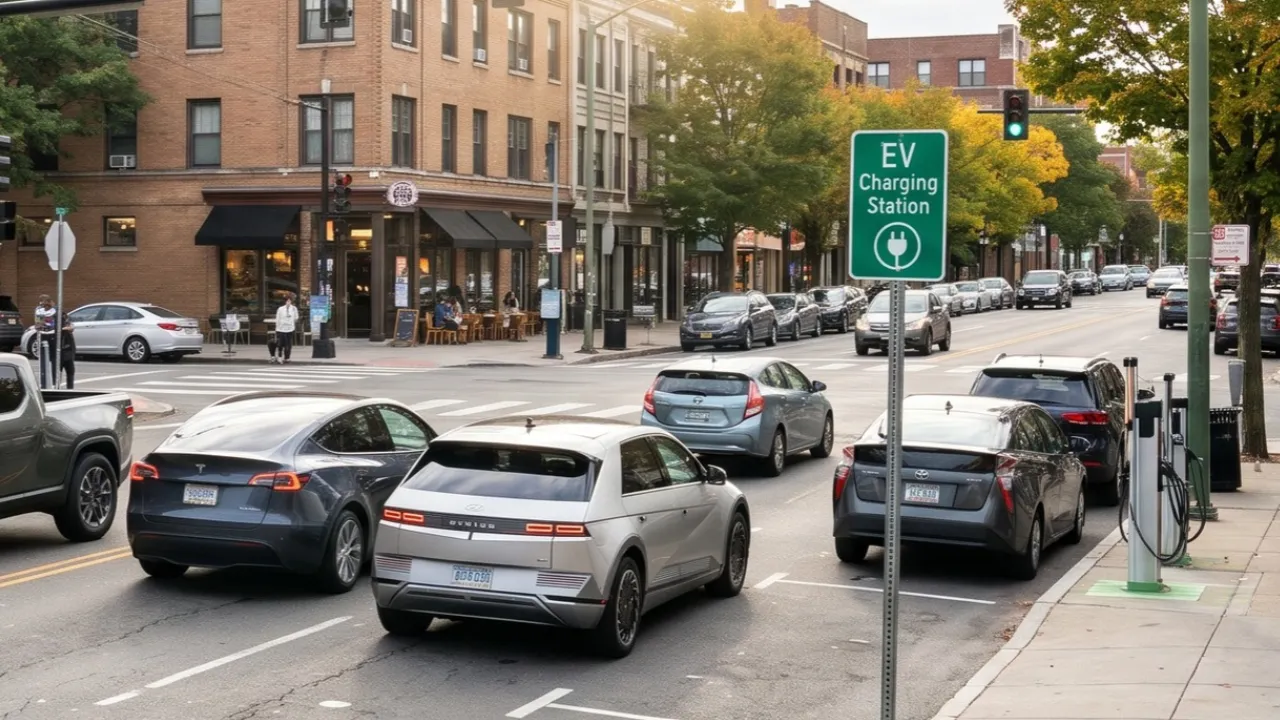

EVs are growing in popularity across the US, but the country still has a way to go before they become the majority of vehicles on the road.
Predicting when this day will come requires taking a range of factors into account.
That includes cultural influences and infrastructure limitations.
I spoke to EV expert Loren McDonald about when he thinks the majority of cars bought in the US will be electric, and which state will be the first to reach this milestone.
EVs are on the rise, but they’re far from a majority in the US
Around the world, more and more countries are embracing EVs.
But not all countries are equally as keen on the electric car.
Countries like Nepal and Norway are particularly enthusiastic about them, with EVs accounting for 76 percent and 97 percent of car sales, respectively.

Amid the global surge, North America was singled out in 2025 as having comparatively smaller growth in EV figures.
So why haven’t EVs caught on in the US quite like they have in Europe?
I spoke to Loren McDonald to find out more.
When does Loren McDonald think the US will become majority EV?
As a self-described ‘EV Evangelist’, McDonald has been writing about the mass adoption of EV cars for years, whether on his own blog EVadoption or on CleanTechnica.
For McDonald, this is an interest that goes back decades.
“I’m almost 70 and when I was young, I always had this vision that the future would be electric cars,” he told Supercar Blondie.
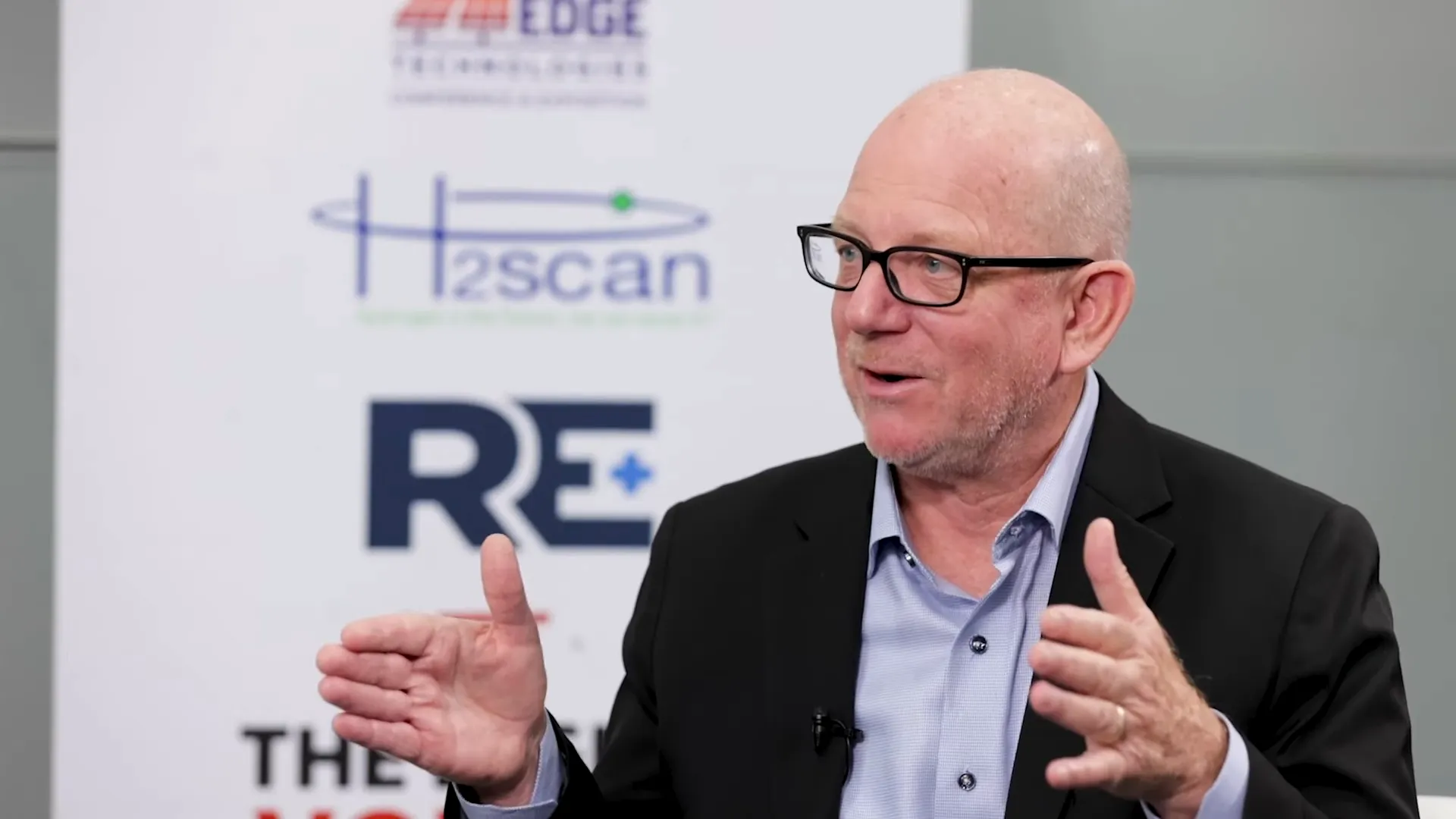
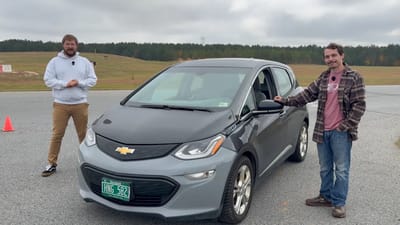
“I started getting really interested in the 1990s, but it was 12 to 15 years ago that I started tracking EV sales and trends, back when it was the Chevrolet Volt and the Nissan Leaf.”
While he pinpointed many things that have changed in the last decade and a half – range, model options – there’s one thing that hasn’t come quite as far.
“What hasn’t changed is the fear of electric vehicles and charging,” he said.
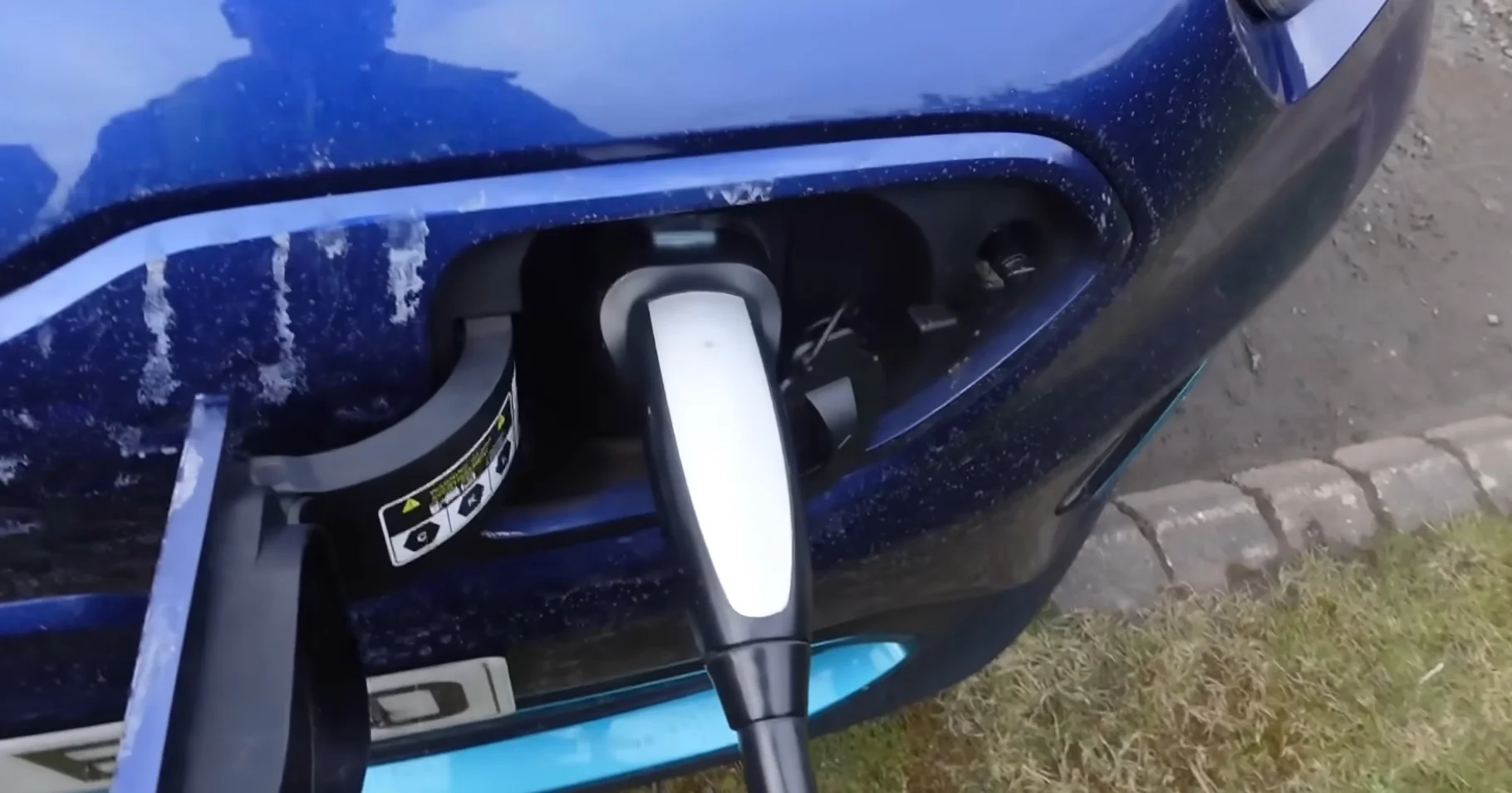
“We haven’t seen the sea change in American consumers clamoring for EVs – EV sales have actually flattened out in the last year or so.”
Figures from Cox Automotive indicate that electric vehicle sales have dipped by 40.7 percent in the last year.
McDonald pointed toward several factors explaining this.
“It’s partly a cultural mindset and being geographically spread out, and the lack of train systems,” he said.
“People are much more dependent on their cars, SUVs, and tracks to go long distances. And what that means is a lot of them ain’t getting an EV until it’s got 500 miles of range and can refuel in five minutes.

“Americans also have a thing for pickups. One of the challenges with electric pickups is that if you tow a boat or a trailer, the range is almost cut in half.”
However, he did highlight that the used EV market is doing well.
“But it’s also putting pressure on new EV sales,” he noted.
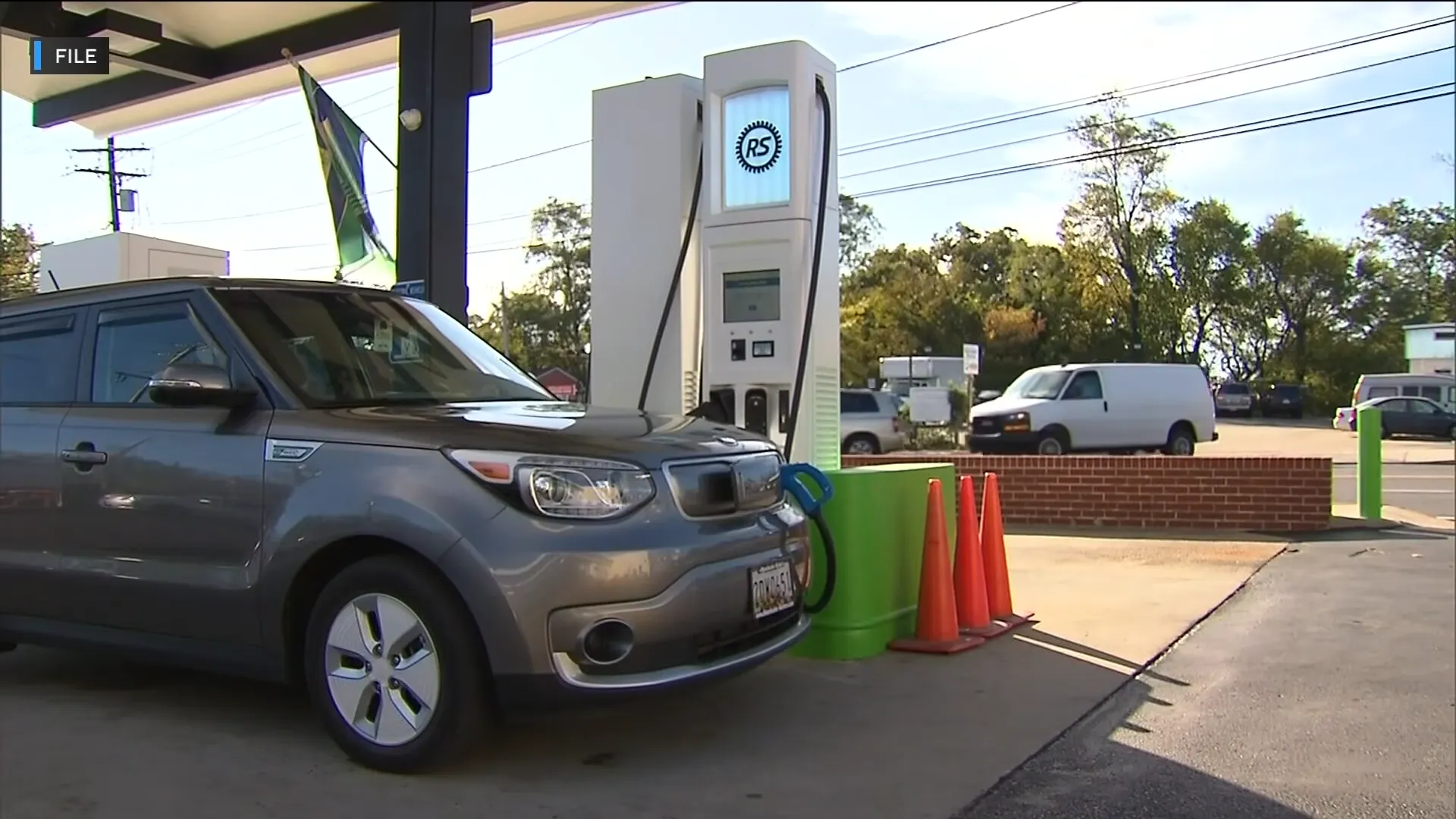
“Because a lot of people are going, well, why should I buy a new one when I can get basically the same car for fifteen or twenty thousand dollars?”
So with all of that in mind, when does he anticipate that a majority of new car sales in the US will be EV?
As it currently stands, that figure is at six percent for all new vehicle sales in the first nine months of 2026, according to U.S. Energy Information Administration figures.
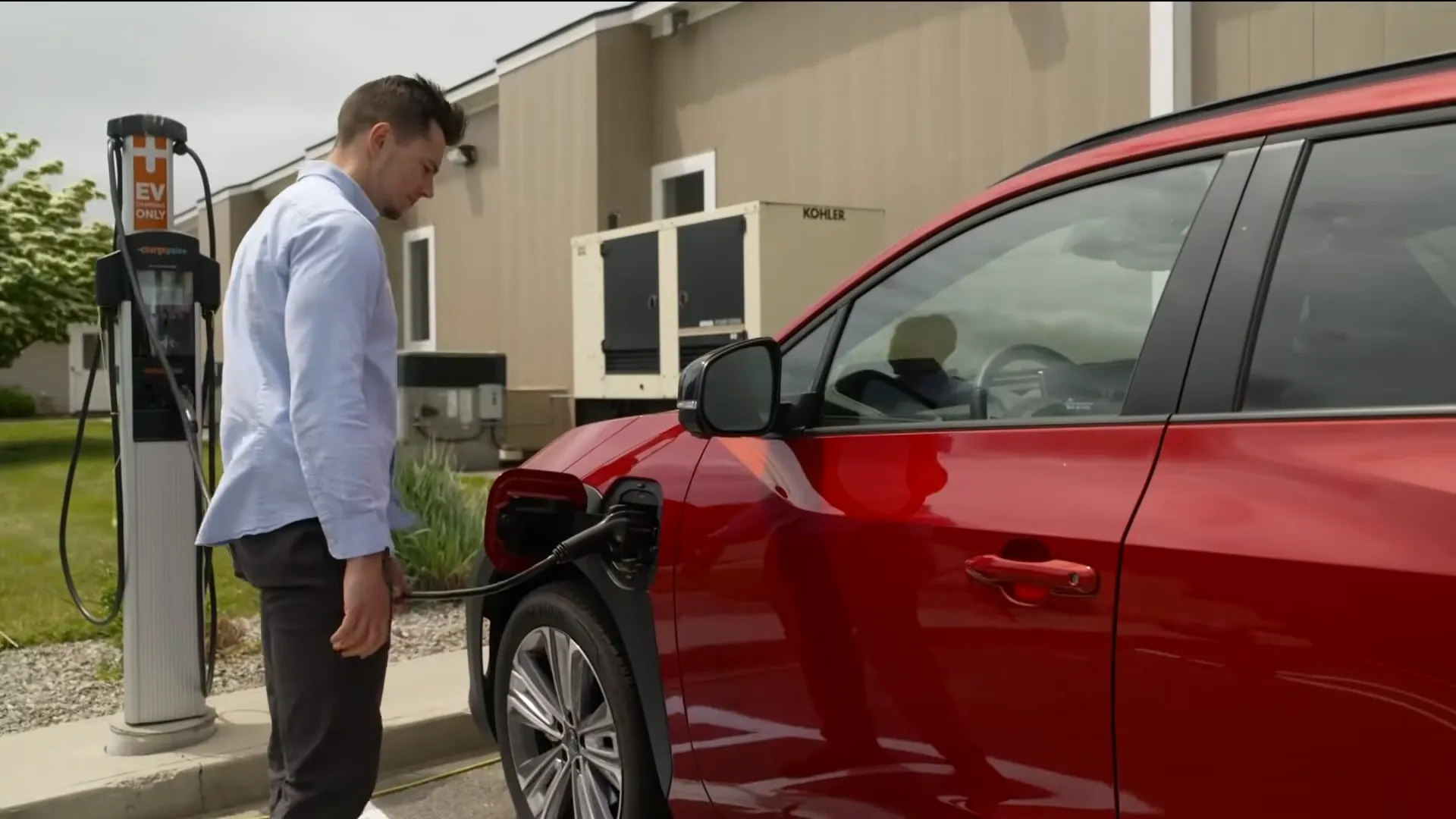
McDonald clarified that depending on how we measure EV adoption, the answer could have a difference of 20 to 30 yeas.
“Like many analysts years ago, I thought we would probably hit 30 to 35 percent by 2030. We’re obviously know that’s not going to happen,” he said.
“Getting to 50 percent is probably in the 2040s.”
What role could Chinese EVs play in this?
As you most likely know, Chinese EVs are effectively shut out of the US market due to sky-high tariffs.
However, many industry figures – including Ford’s Jim Farley and General Motor’s Mary Barra – have been sounding the alarm on them entering the market.

Farley estimated they would be available to buy in the US in the next five to 10 years.
That would make all the difference to EV adoption, McDonald estimated.
“If Chinese EVs come into the US and we get ranges of 500 miles and fast charging at 10 minutes, we could see a massive uptick,” he said.
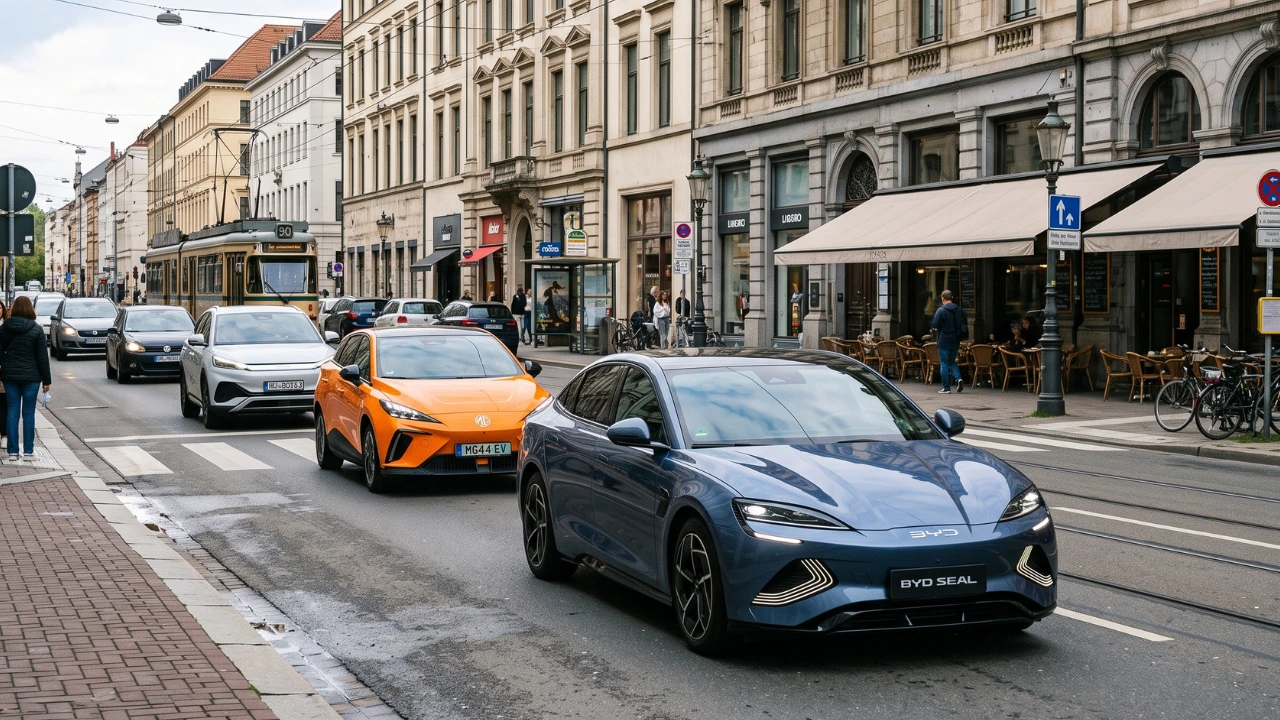
“EV sales have exploded in most European countries, the Chinese EVs are just taking off because they’re really good and lower cost.”
He also pointed to the rising numbers of EREVs (extended-range electric vehicles) as a potential cause of widespread adoption.
“So basically it’s an electric vehicle that has like a small gas engine that basically recharges the battery,” McDonald explained.
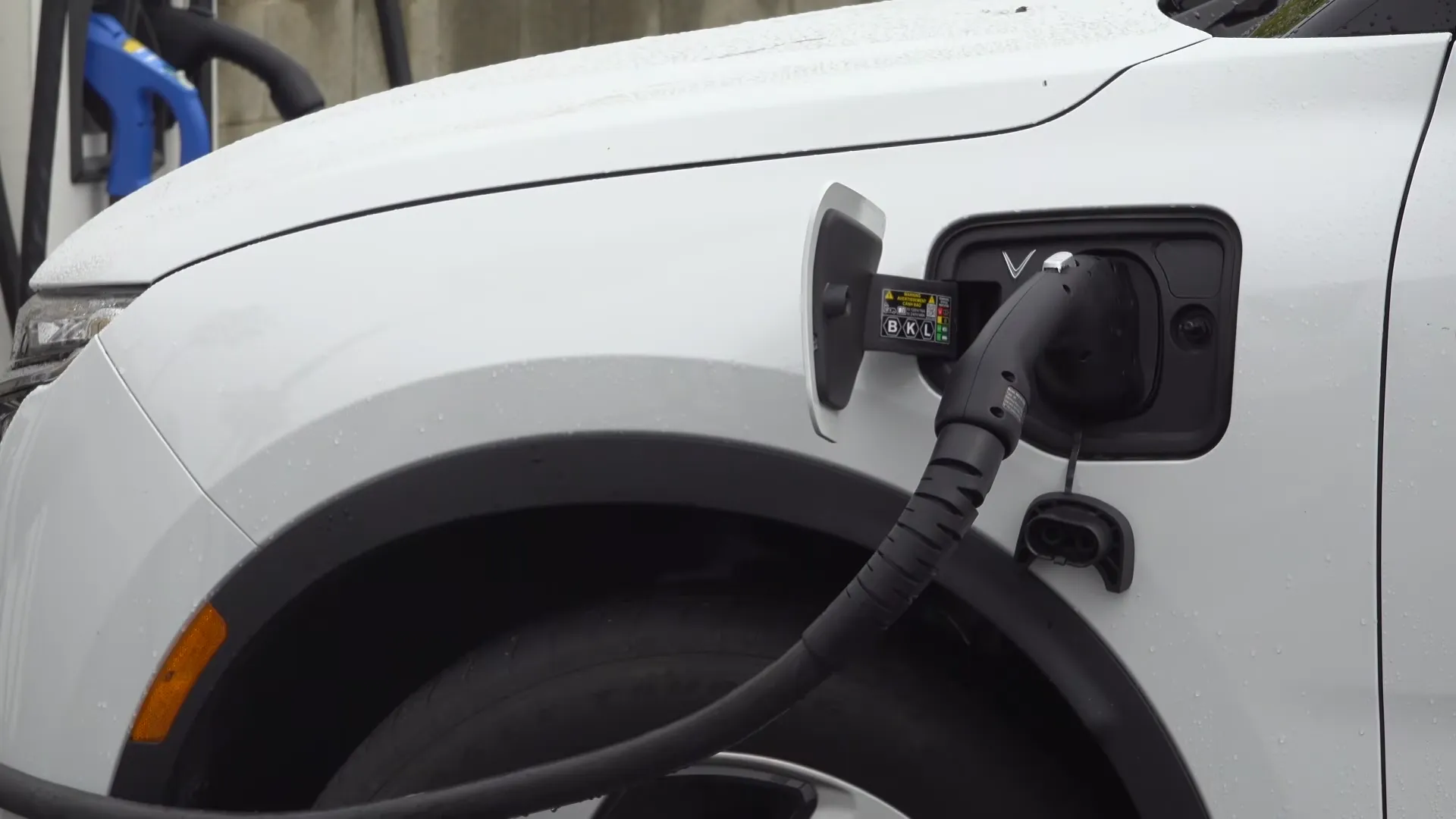
“There’s there’s about 12 to 15 of these EREVs, as we call them, that are supposed to come out in the U.S. market in the next like year to three years.
“And most of them are going to be like pickups and large SUVs and stuff like that. That could be a game changer if you’re a consumer that’s reticent to go full electric, if you have range anxiety.”
The state he thinks will be majority EV first
It didn’t take long for McDonald to reveal which state he thought would become a majority EV state first.
“California, we’ve been the leader. We account for about a third of all EV sales in the US,” he said.
“California has got some incentives, like thousands of dollars off on new EVs. Regardless of who the next governor is, we’ll continue to see incentives and initiatives to drive EV sales.
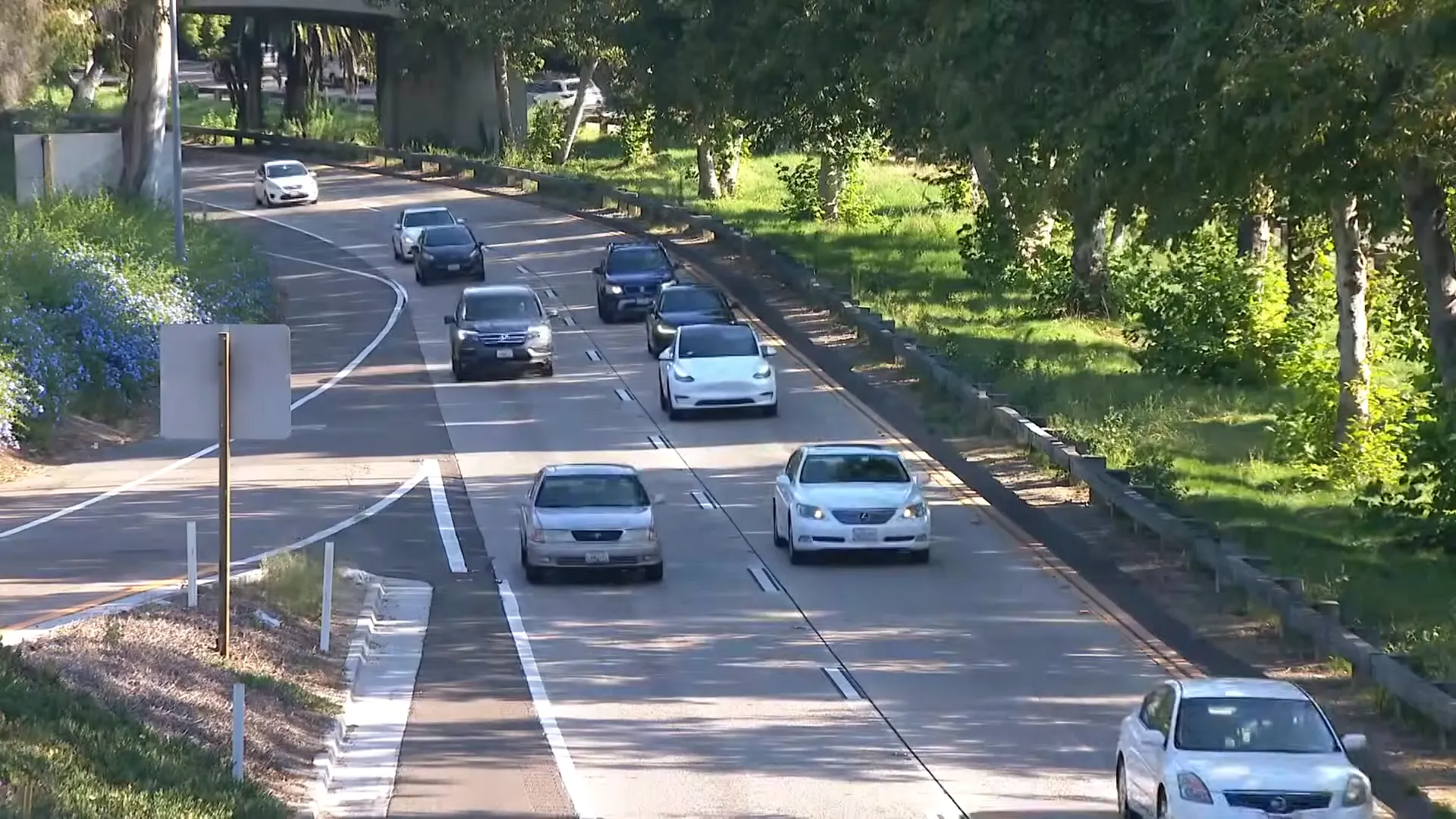
“A few years ago, it would have been a no-brainer to say California would hit 50 percent by 2030. Now it’s maybe more like the early 2030s.
“It’s probably around 20 years ahead of the rest of the country in hitting that target.”
There’s still some way to go before the US is majority EV, but a lot of progress has been made so far.
Consider the fact that 20 years ago, EVs were generally seen as a niche interest of the eco-conscious and the rich.
And 10 years before that, General Motors was effectively trying to erase the existence of its first foray into EVs.
Change won’t happen overnight, but a majority EV nation may be closer than we think.
The best of Supercar Blondie, every Sunday
The week's best car stories, straight to your inbox. Free.
Ben joined Supercar Blondie in February 2025 after being published by international organizations including LADbible, The Sun, the New York Post, and the Daily Mail. He covers supercars, rare and collectible vehicles, aviation, luxury assets, and the fascinating people behind them. His reporting has explored everything from seven-figure supercars and historic Ferrari collections to unusual aircraft adventures and extraordinary automotive discoveries from around the world. Ben has also gained first-hand insight into vehicle craftsmanship and customization, including visiting specialist workshops to see bespoke vehicles up close.