This is why Chinese EVs have started to dominate the European car market and why BYD drivers are turning down Teslas
Published on Oct 18, 2026 at 3:59 PM (UTC-4)
by Ben Thompson
Last updated on Oct 18, 2026 at 3:59 PM (UTC-4)
Edited by
Mason Jones
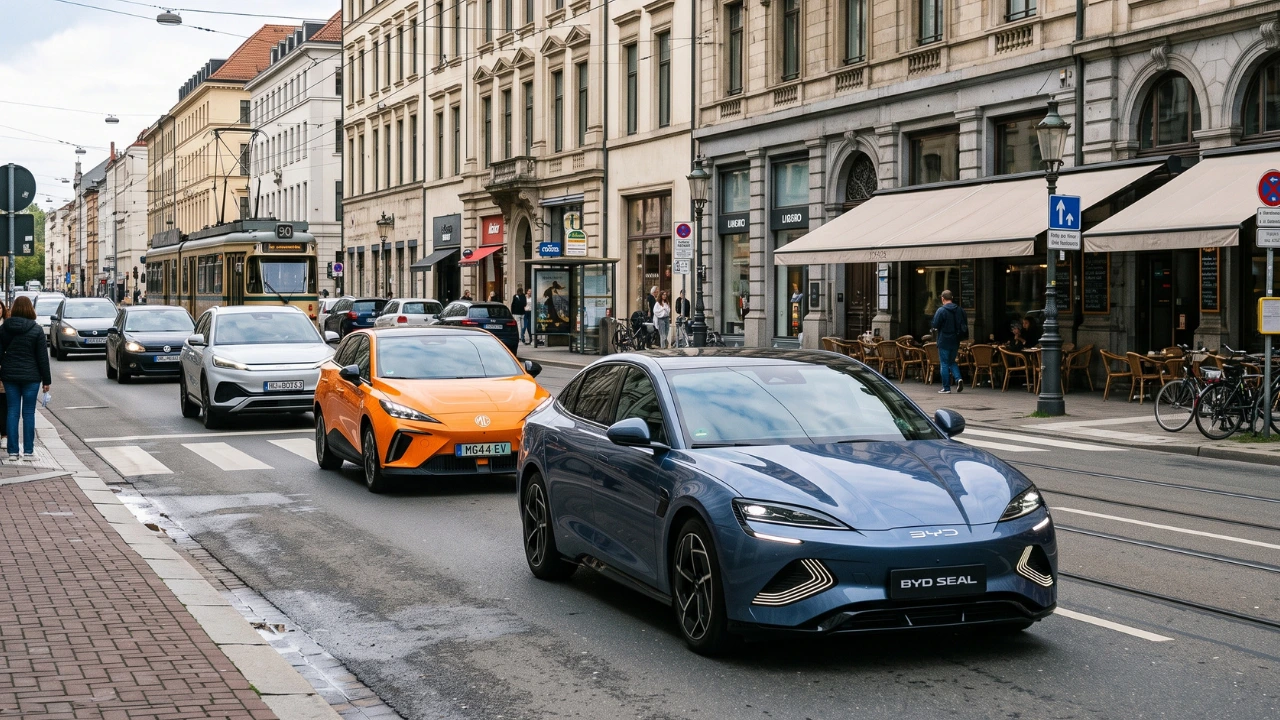

Around the world, EVs are increasing in popularity, but in Europe, it’s Chinese EVs that are becoming the runaway success story.
The sales figures speak for themselves, and it opens up a lot of questions.
Just how worried should western manufacturers be in the face of this surge of sales?
And what is it about these Chinese EVs that endears them to European buyers?
Chinese EVs are increasingly popular throughout Europe
If you’ve spent any time reading car news online, you’ll have no doubt come across a story about a Chinese EV that is ‘terrifying’ western automakers.
The country’s automotive industry has come on leaps and bounds in recent years, and it’s been making gains in markets around the world, from South America to Australia.
But in Europe, the country’s rise has been the most pronounced.
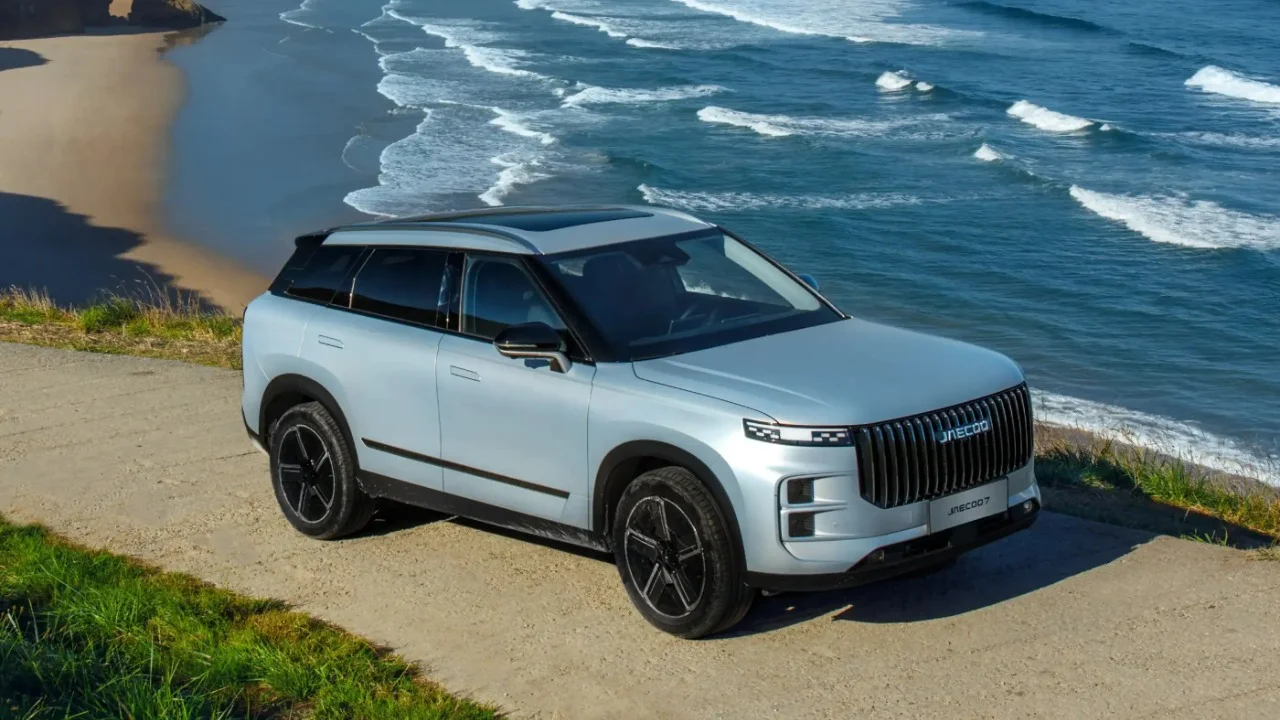
In September 2026, the best-selling car in the UK was the Jaecoo 7, beating out Tesla.
And that’s to say nothing of the cars coming out of BYD, like the Denza Z9GT luxury EV.
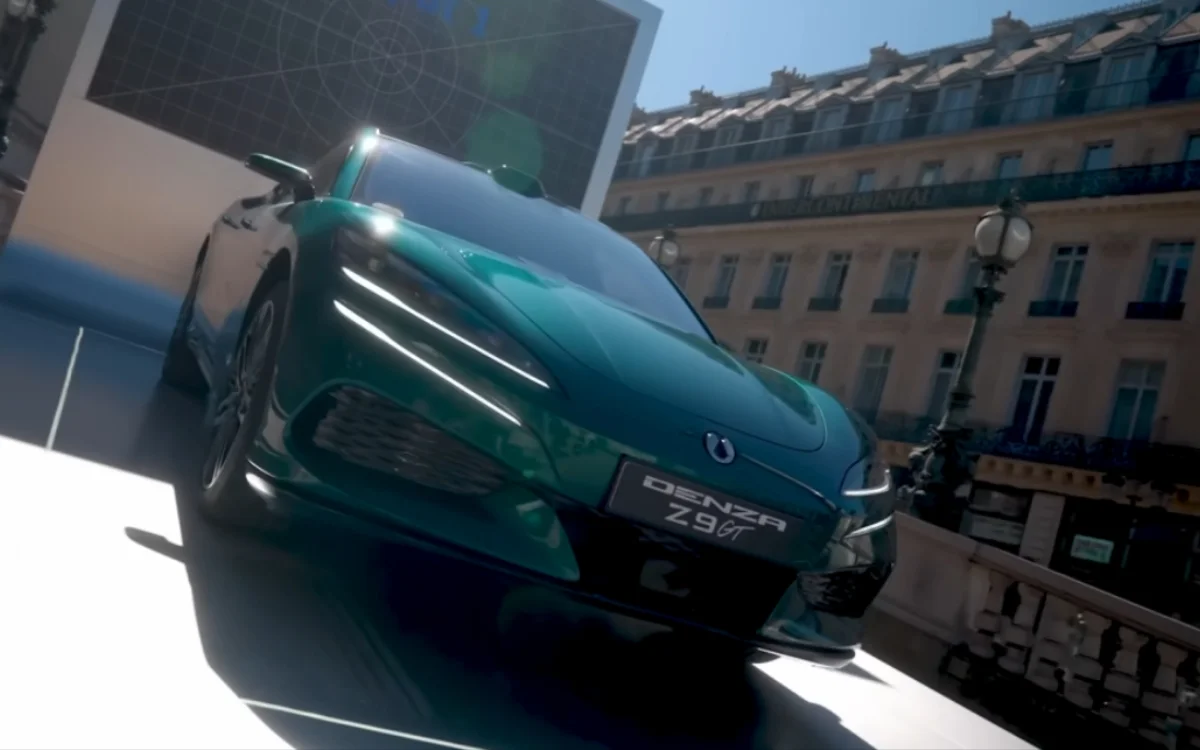
Chinese EVs are on an undeniable upwards trend in recent years, with Chinese brands accounting for more than 26 percent of the Western European plug-in hybrid market alone in this year’s second quarter, Reuters reported.
YouTubers in Europe haven’t shied away from this topic.
British YouTuber Will Kennedy spent time looking into the Jaecoo brand and walked away with one conclusion: European automakers had a lot of work to do.
“I think the lower end of the European market might be in trouble. If China are knocking out cars at £30,000 to £40,000 with that much spec on, that high quality, it’s difficult to see where the European market’s going to fit in,” he said.

It was a similar story for Swiss YouTuber azizdrives, who is a self-described petrolhead.
Despite that, he vouched for the BYD Seal.
“If I’m going to drive an EV, it might as well just be a BYD,” he said.
In the description of his video, he went further: “While Europe was busy defending its legacy, China was busy winning. And the BYD Seal might just be the proof.”

So what is it about these Chinese EVs that’s winning over European buyers?
Related
One UK driver told us why he bought a BYD
Steve Case, a UK driver based near Swansea in Wales, had driven gas cars for years.
That changed in March 2025 when he bought a BYD Atto 3.
“The main draw was the price. I paid around £36,000 [$47,754] for the Design trim, which undercut a similar Kia Niro EV or VW ID.4 by several thousand.
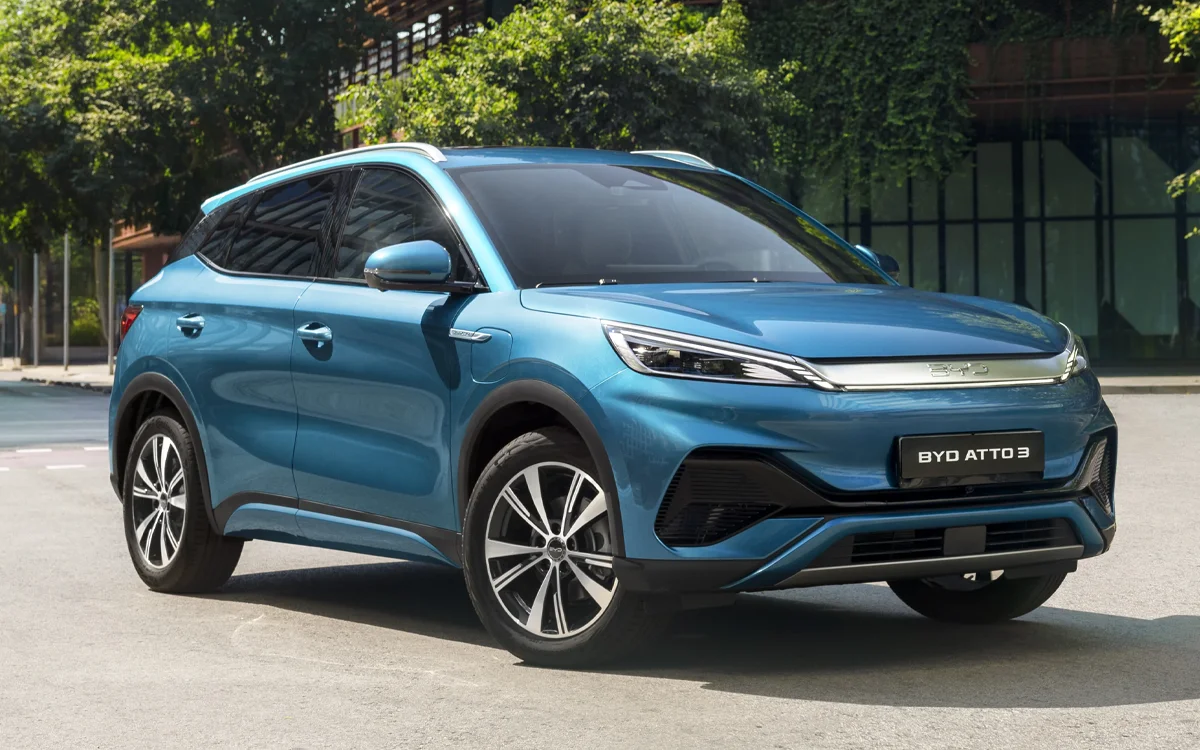
“The kit list was generous, with heated seats, a 360 camera, a panoramic roof and a 60.5 kWh battery. Real range sits around 220 miles in mild weather, and it drops to about 170 in winter.
“Home charging costs about £12 [$15.92] or a full charge on my overnight tariff, and public rapid charging is easy but pricier.”
And it’s not just the costs that appealed.
“I did not expect how solid the ride feels. It does not feel cheap by any means. The cabin has soft-touch materials, and the seats are comfortable on long trips,” he said.
“I would buy another if given the chance. The price is hard to beat, actually. It is not perfect, but for the money, it does everything I need.”
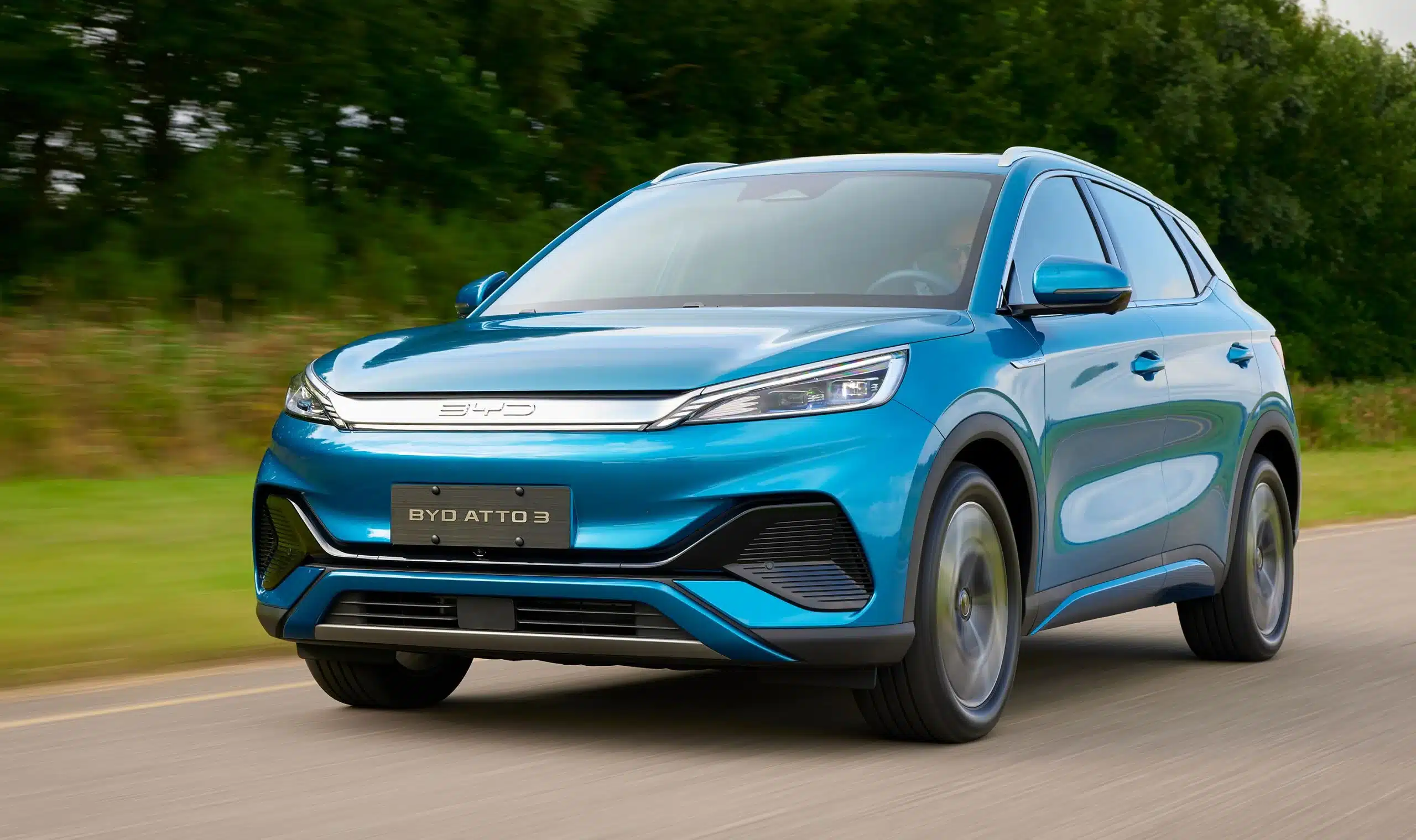
That’s not to say the car isn’t without its shortcomings.
“The software is a bit weak in my opinion. The lane assist is too eager, and the infotainment can lag. Over-the-air updates have fixed some bugs, but not all,” he said.
Why did he choose a BYD over a Tesla?
As many EV-curious buyers will have undoubtedly done, Case considered a Tesla.
“I looked at the Model 3 and the Model Y before I bought the BYD. The main factor that pushed me to the BYD was the price,” he explained.
“The Model 3 with the features I wanted came in several thousand pounds more than the Atto 3 Design.
“I also preferred the interior of the BYD. It felt more traditional with physical buttons and a proper dashboard, while the Tesla felt too minimalist for my taste.
“The ride in the BYD felt softer over rough roads, which matters where I live. So the BYD topped the Tesla mainly on value for money. It gave me more equipment for less cash.”
How worried are American manufacturers about all of this?
Across the Atlantic, Chinese EVs haven’t managed to penetrate the tariffs to make much of an impact – outside of a loophole in California that has seen some end up of the streets of the Golden State.
But that doesn’t mean there isn’t some apprehension among the higher-ups of American carmakers.
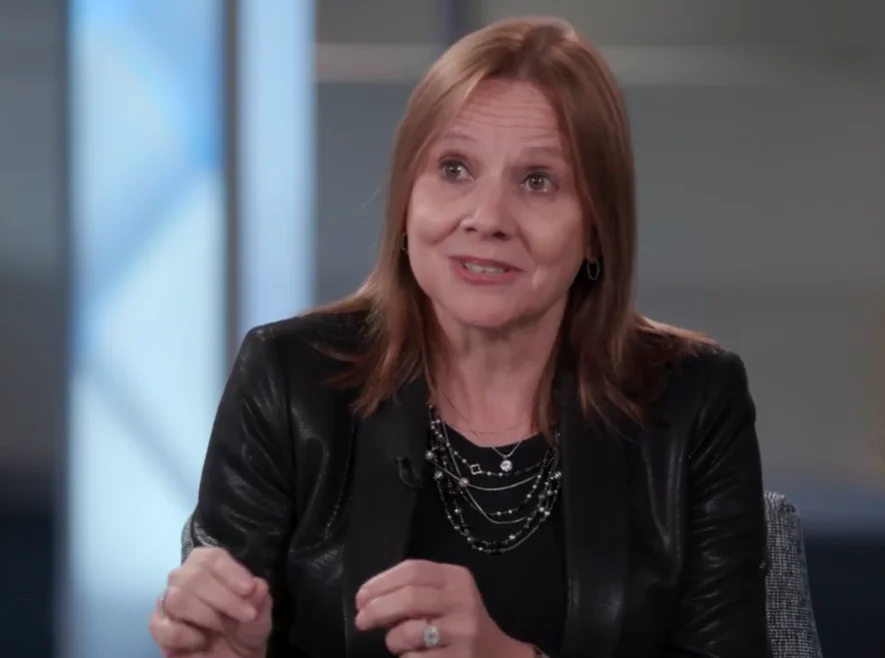
The CEO of General Motors Mary Barra has been one of the voices sounding the alarm on Chinese EVs entering the US market.
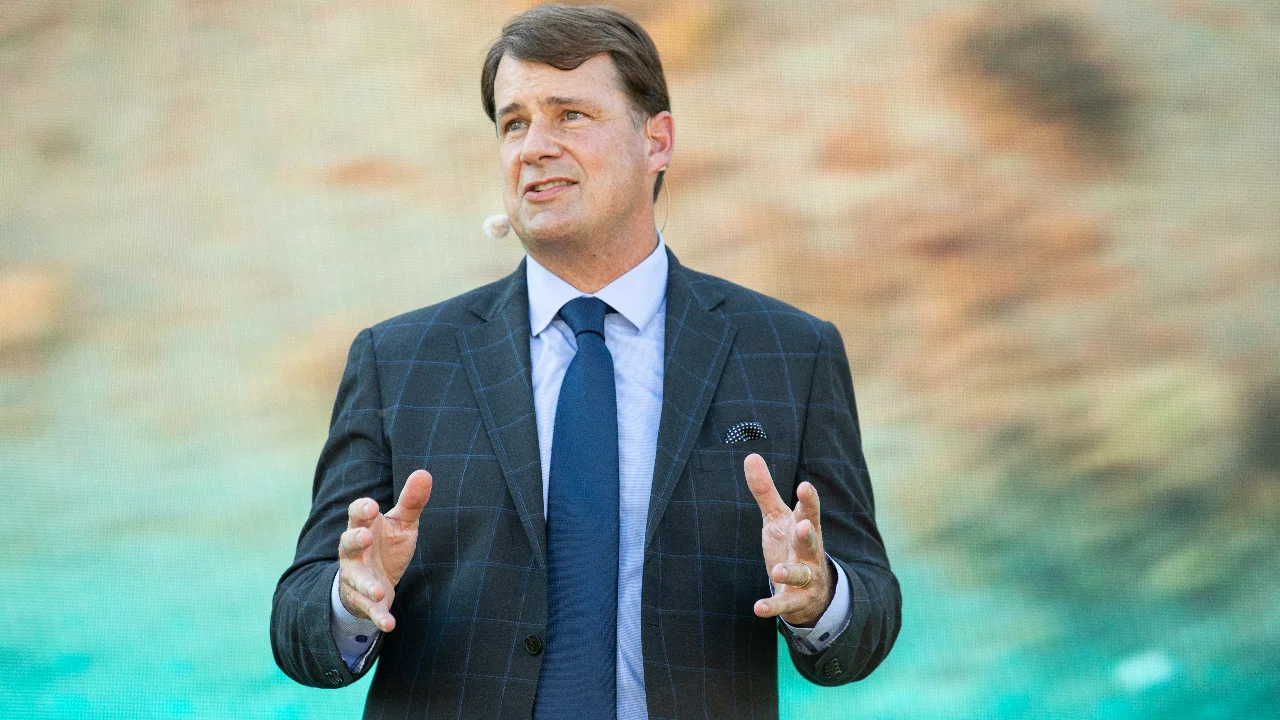
Another has been Jim Farley, the CEO at Ford.
In his estimation, it’s already ‘too late’ for European manufacturers to take on the competition from China.
“I watch what’s happening in Europe right now […] it’s really something that they have to deal with now, and it’s too late,” he said Automotive News Congress in Detroit.
However, it’s his belief that Ford still has time to turn catch up.
Tariffs may be keeping the competition at bay for now, but it’s not believed this will last forever – and even so, time needs to be spent wisely.
“Blocking Chinese EVs may buy time for U.S. automakers, but time only helps if you use it to scale, innovate, and compete,” John Higham, the spokesperson of the EVA, previously told Supercar Blondie.
Only time will tell if the US automakers can rise to the challenge.
The most popular Chinese EVs according to global registrations
BYD Song: Around 62,000 overall, coming second only to the Tesla Model Y in June 2026 for global registrations on BEV and PHEV cars.
BYD Yuan Up / Atto 2: Around 37,589, placed fourth overall.
BYD Dolphin: Around 25,000 have been registered, with strong demand in Brazil, South Korea, and Thailand, came in at seventh.
Leapmotor A10: About 25,000, coming in at eighth overall.
BYD Sealion 05: 22,357 registered, ninth overall.
Changan Qiyuan Q05: 19,466 registered.
Wuling Bingo Pro: 14,568 registered.
Chery Jaeco 5: 11,965 registered, doing particularly well in Australia, Indonesia, Thailand, the UK, and Israel.
Ben joined Supercar Blondie in February 2025 after being published by international organizations including LADbible, The Sun, the New York Post, and the Daily Mail. He covers supercars, rare and collectible vehicles, aviation, luxury assets, and the fascinating people behind them. His reporting has explored everything from seven-figure supercars and historic Ferrari collections to unusual aircraft adventures and extraordinary automotive discoveries from around the world. Ben has also gained first-hand insight into vehicle craftsmanship and customization, including visiting specialist workshops to see bespoke vehicles up close.