US man drives a street-legal 2012 Armet Gurkha and explains what owning and maintaining the unique daily driver is like
Published on Jun 27, 2026 at 4:05 AM (UTC-4)
by Daisy Edwards
Last updated on Jun 27, 2026 at 4:05 AM (UTC-4)
Edited by
Mason Jones
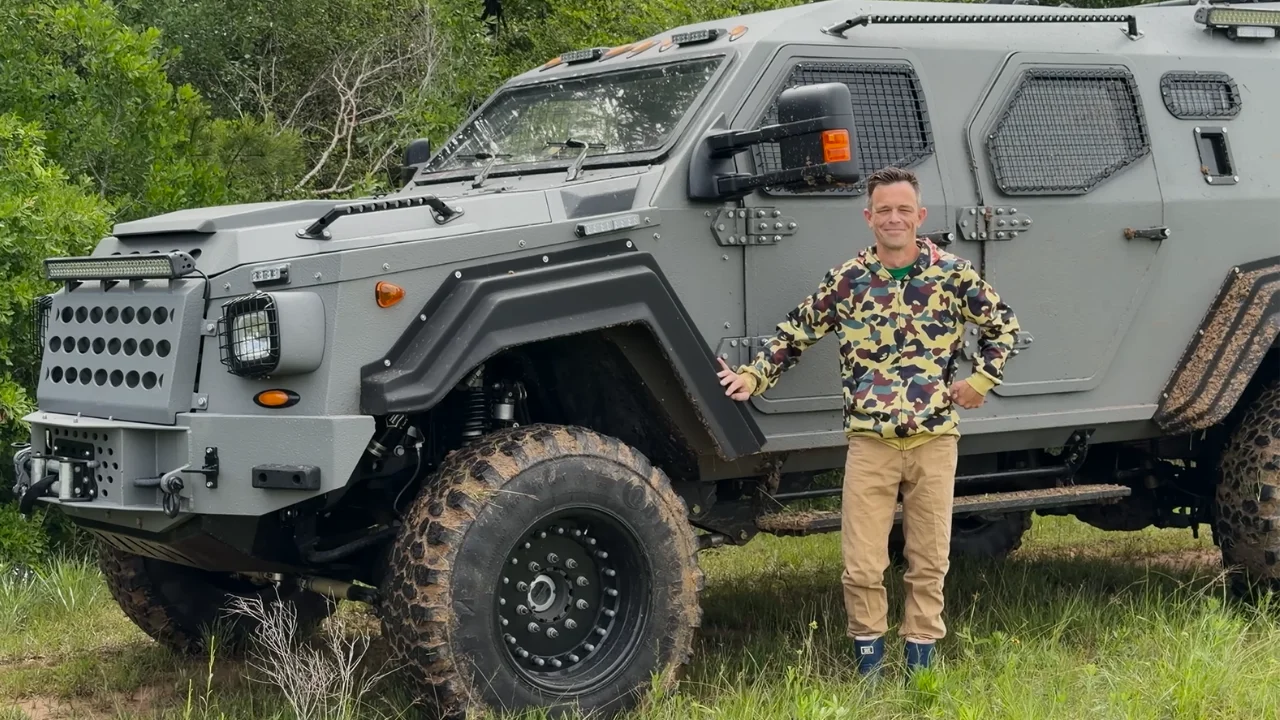

A US man has revealed what it’s really like to own and maintain a street-legal 2012 Armet Gurkha as his daily driver.
The enormous armored vehicle is one of just three believed to have been built and was originally designed for military use.
Despite weighing more than 18,000lbs and looking like something straight out of a special operations unit, its owner uses it for everything from road trips to grocery runs.
He also shared some surprising details about how easy it is to keep the rare machine on the road.
The 2012 Armet Gurkha is a military vehicle turned daily driver
The Gurkha belongs to Texas-based owner Jeremy Roers, who featured in a recent Magnacars YouTube video explaining the history behind the unusual car.
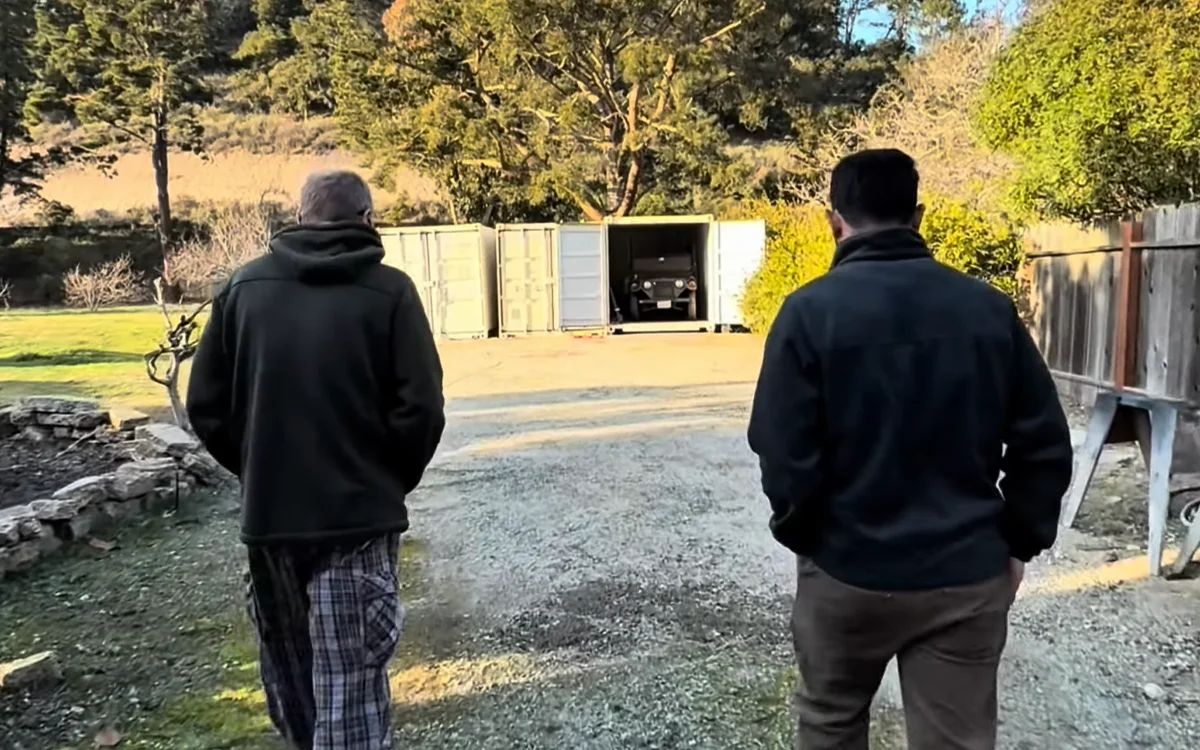
According to Roers, the 2012 Armet Gurkha was originally built in the US for government military contracts and carries a B7 ballistic rating.
He said only three examples were ever built, making it one of the rarest road-going vehicles around.
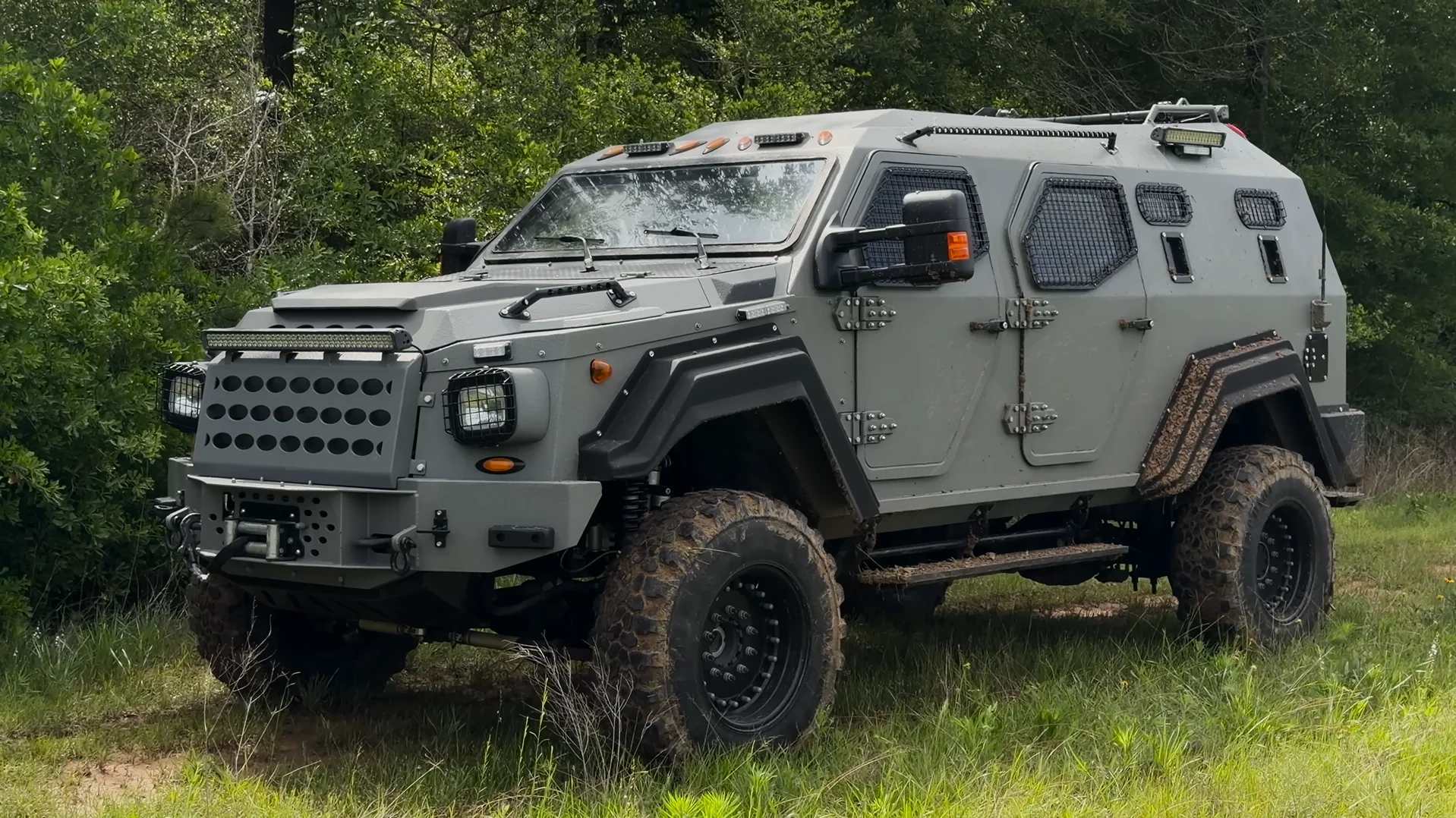
Roers got the armored truck after a client purchased it through a military auction, before spending around three years rebuilding and modifying it.
The project involved repainting the vehicle, upgrading the suspension, fitting new wheels and tires, reworking the interior, and removing a huge roof-mounted turret.
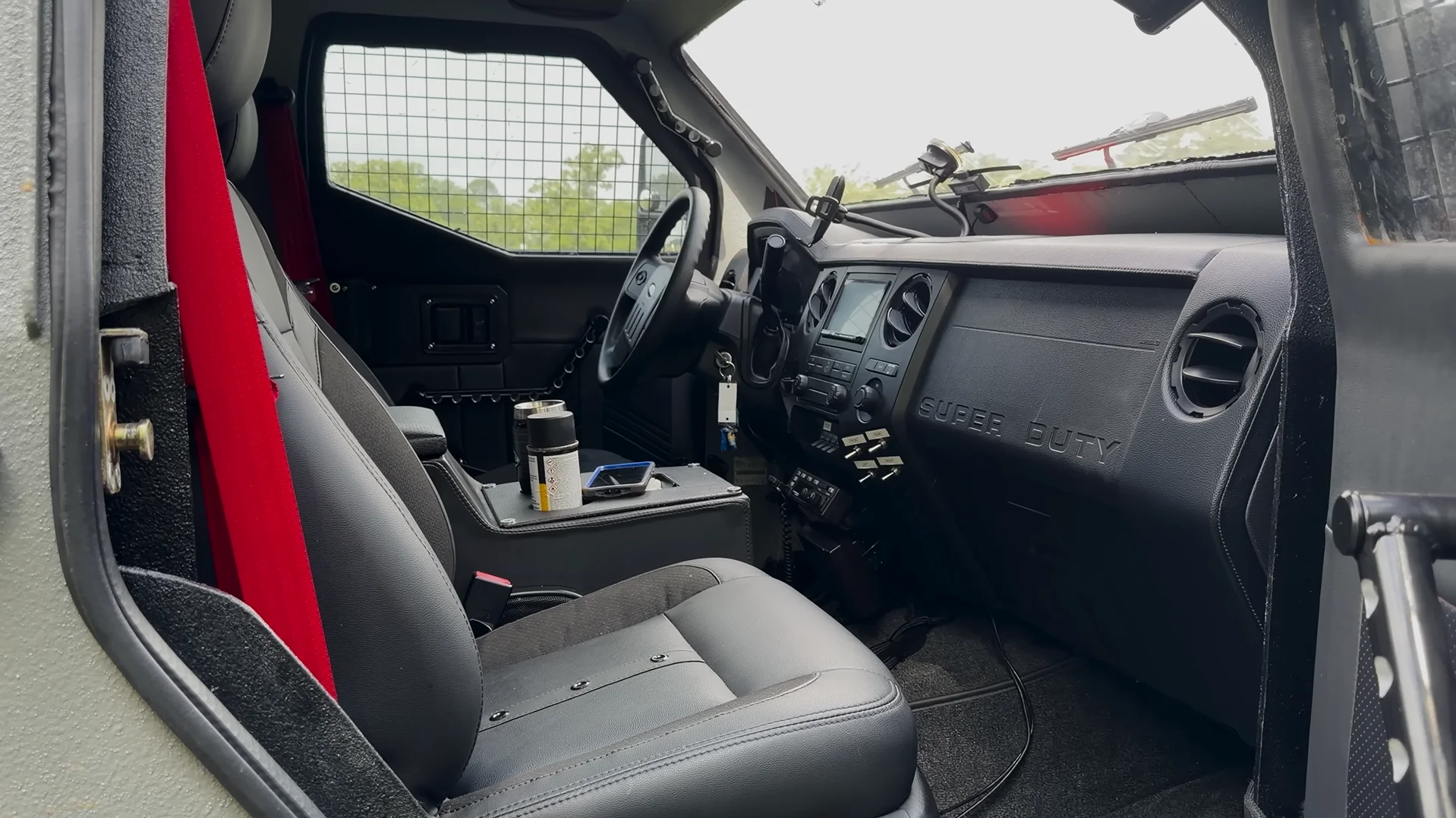
Underneath its armored body sits a heavily modified Ford F-550 chassis powered by a tuned 6.7-liter diesel engine.
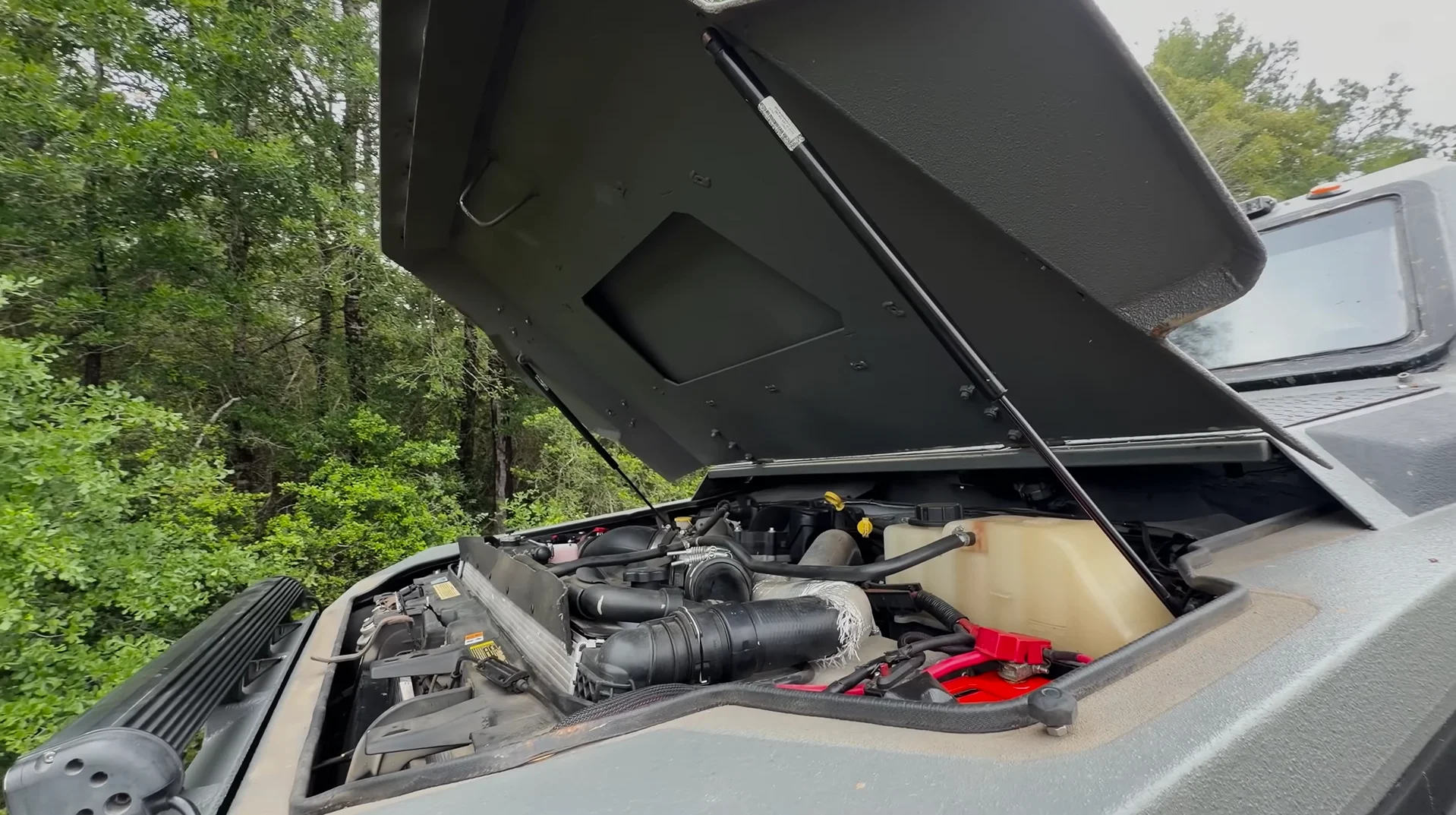
The truck produces around 550 horsepower and an enormous 1,200lb-ft of torque.
Despite its military appearance, Roers says he drives it whenever possible, in fact, he joked that even a trip to buy cereal is enough of an excuse to take the Gurkha out for a spin.
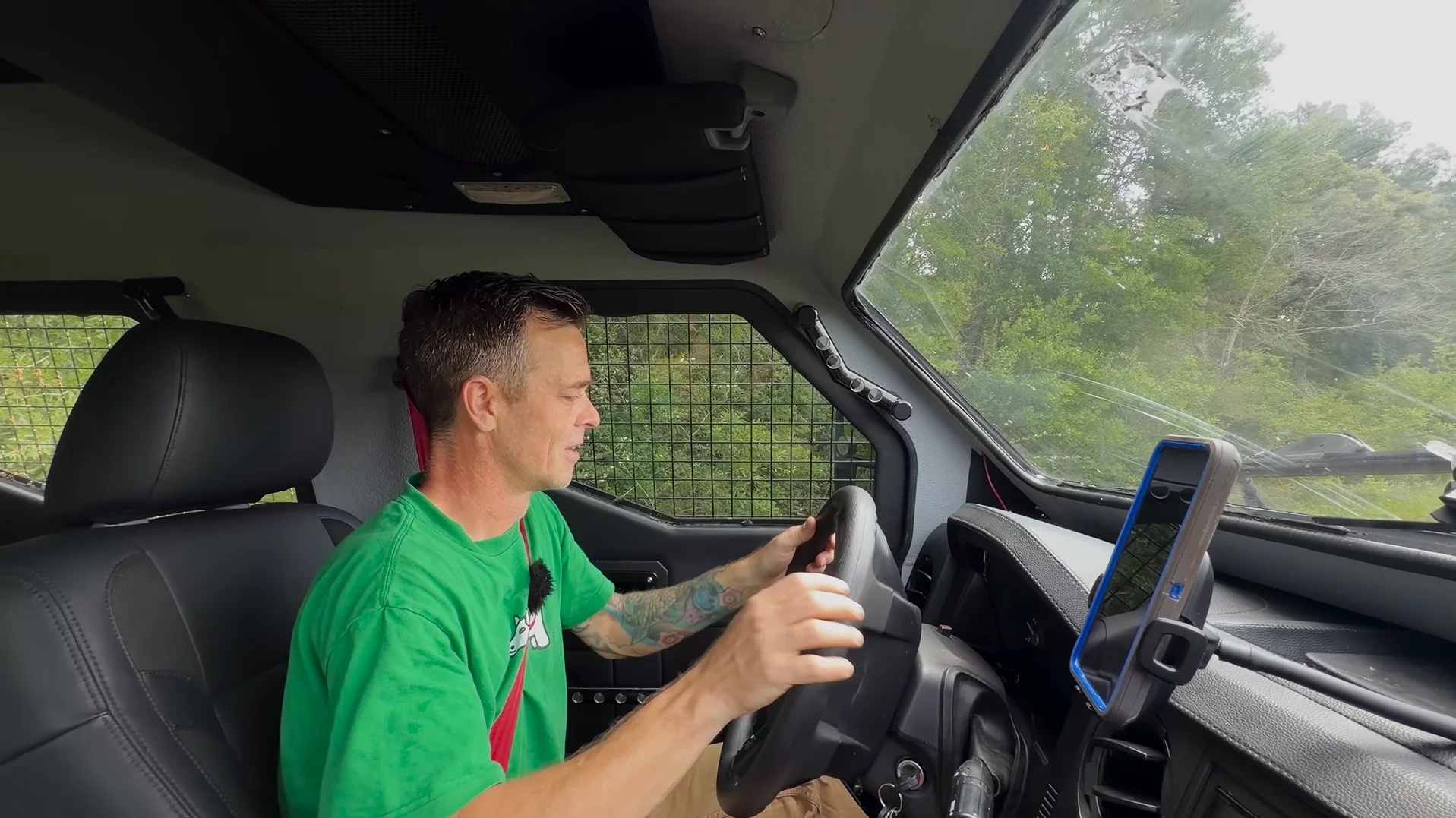
Maintaining the rare armored truck comes with some unusual challenges
While the Gurkha might look intimidating, Roers explained that servicing it is surprisingly straightforward thanks to its Ford background.
He said most maintenance is similar to working on an F-550, although the sheer size and weight of every part require extra caution.
Even opening the hood is an event in itself, with custom heavy-duty struts helping lift the enormous panel.
Changing a tire is another story.
The run-flat, bullet-resistant tires feature internal supports that allow the vehicle to continue driving even after being punctured.
Removing the spare requires a specially built crane-style lifting system because the wheel and tire assembly is simply too heavy to move by hand.
When it comes to lifting the vehicle, Roers uses industrial 20-ton bottle jacks more commonly associated with lifting houses.
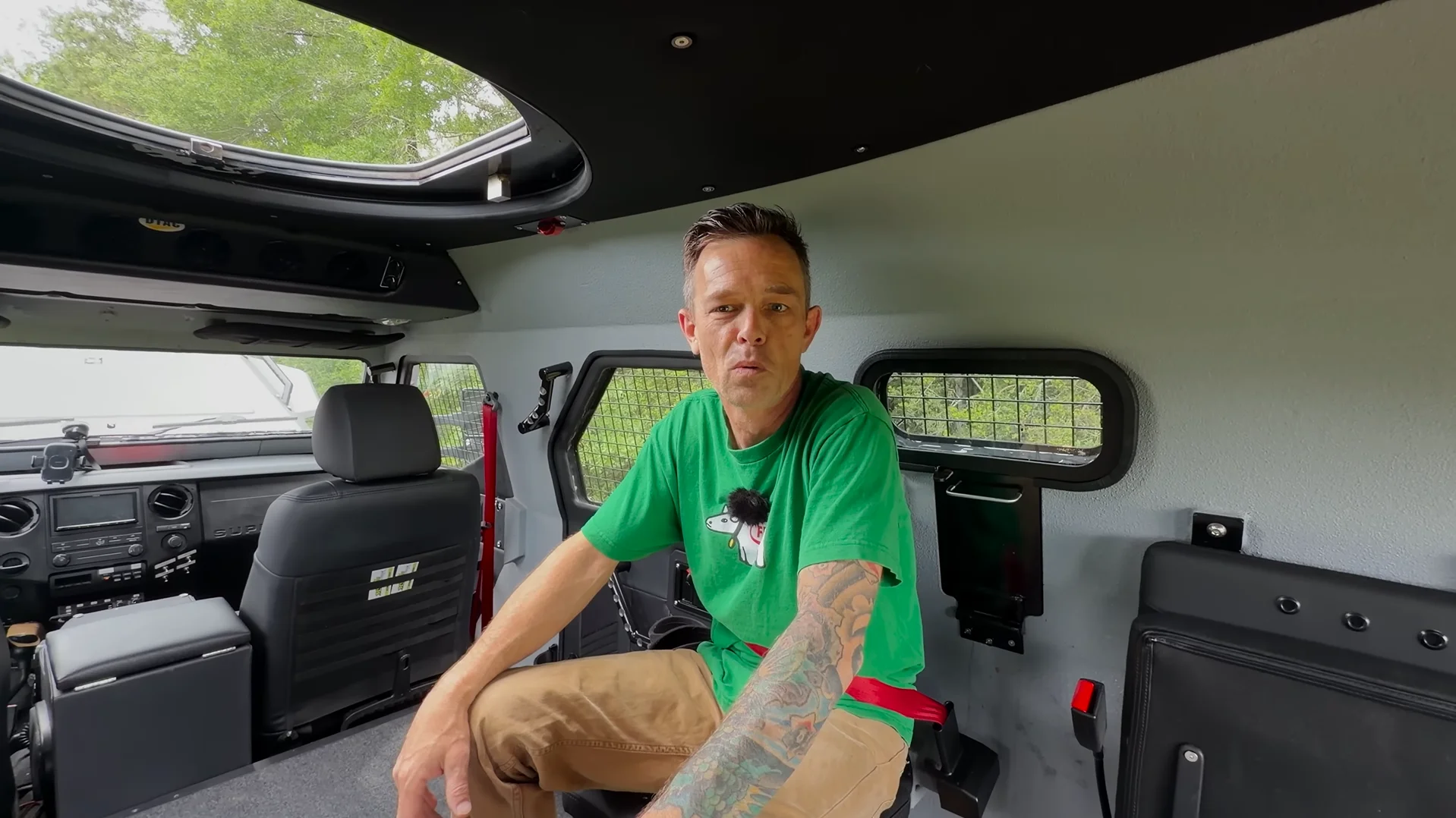
The Gurkha’s interior remains every bit as dramatic as its exterior.
It features ballistic steel construction, three-inch-thick windows, six rear jump seats, firing ports, and even remnants of its special operations past.
Roers claims the vehicle was previously used in missions along the US-Mexico border and still showed evidence of bullet impacts when he first acquired it.

Fuel economy isn’t exactly a strong point, with the truck returning around 10 to 12 miles per gallon during normal driving and considerably less when pushed harder.
Even so, Roers says the unique daily driver makes it worth every drop of fuel, because for him, driving one of the world’s rarest armored vehicles is simply too much fun to leave parked in the garage.
Daisy is a technology and automotive journalist covering artificial intelligence, consumer tech, Apple news, cryptocurrency, emerging technologies, and transportation innovation. Since joining the team in 2025, she has reported on everything from AI-powered startups and major iOS updates to viral car stories and the latest developments shaping transportation and the digital economy. Drawing on her background in automotive journalism and a degree in History and Journalism from Goldsmiths, University of London, Daisy specializes in breaking down complex topics into clear, engaging reporting for a global audience. Her work spans cutting-edge technology, innovative vehicles, and the people driving change across both industries. Daisy has gained first-hand access to some of the world's most talked-about technologies and innovators, including meeting Tesla's Optimus humanoid robot during its first European appearance in London. She has also discussed the future of space exploration with an astronaut, bringing unique insights and real-world perspectives to her coverage of emerging technology.