US man tests out Starlink's $5 a month unlimited plan to see how usable it is
Published on Jan 02, 2026 at 1:10 AM (UTC+4)
by Claire Reid
Last updated on Dec 30, 2025 at 12:43 PM (UTC+4)
Edited by
Kate Bain
This man trialed Starlink’s $5 a month unlimited data plan to see how usable it actually is in real life, and there were some interesting findings.
Starlink allows people across the world to access high-speed internet.
And because it uses satellites, rather than cables, it works in remote locations and on airplanes.
The service is offered across a range of different kits and price plans, but just how usable is its cheapest, and slowest, internet option?
DISCOVER SBX CARS – The global premium auction platform powered by Supercar Blondie
Starlink’s $5 a month standby mode had some good points
Tech enthusiast and YouTuber NPL Ventures decided to find out for himself just how good Starlink’s cheapest plan was.
In a recent clip, he praised the Starlink Mini and said it was fast becoming one of his favorite bits of tech gear.
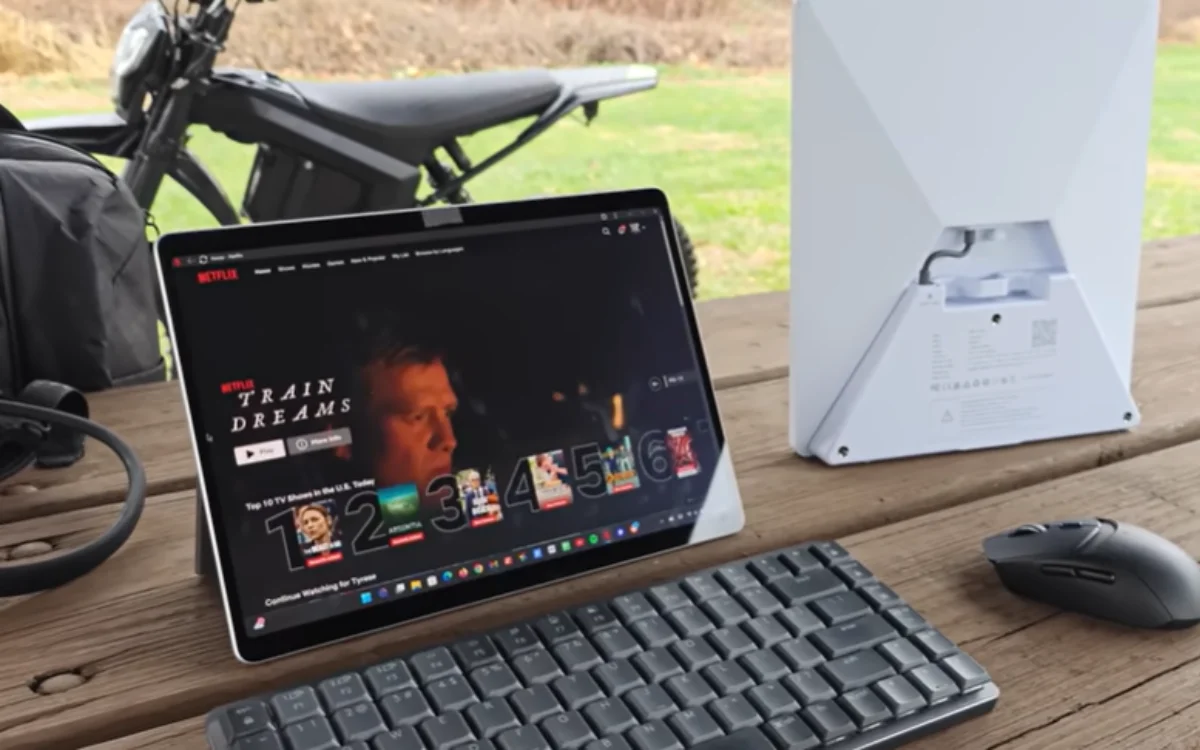
The Starlink Mini is offered with a couple of different monthly price plans: a 50GB option costing $50 a month, or an unlimited data plan for $165.
However, the YouTuber said there was another, lesser-known option.
Although not an official monthly plan, Starlink has recently launched its $5 a month ‘standby mode’, which offers an uncapped amount of data at 0.5 Mbps.
As you can imagine, with those sorts of speeds, the YouTuber wasn’t exactly envisioning a lightning-fast connection, but he wanted to know if it was at least usable.
He started off by heading to the Wall Street Journal’s website and found that while it did take a little longer to load than usual, the page was responsive and worked pretty well – think of it as a bit like dial-up.
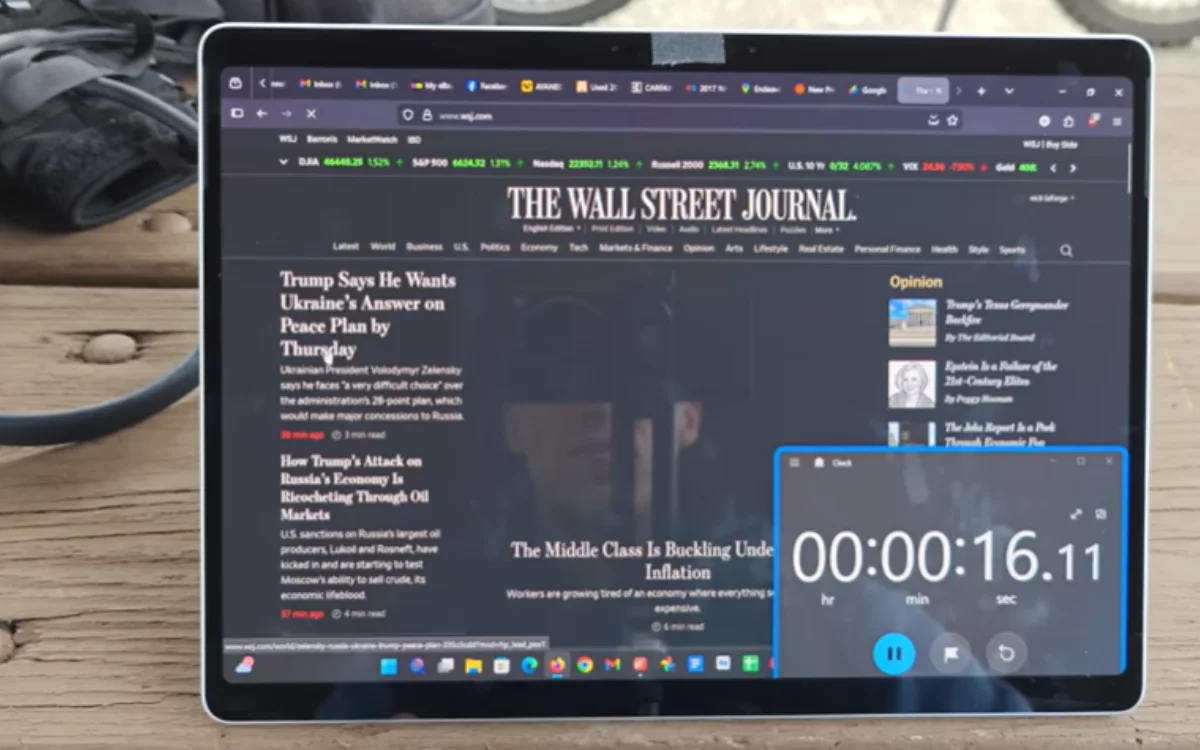
It was the same story after checking out CNBC’s website and Google Finance, with both sites loading well, albeit not exactly at super-fast speeds.
Similarly, Google’s AI chatbot Gemini also worked very well with a good response time and could even generate images.
So far, so good, as long as you were doing very basic requests.
But it also had its limitations…
It wasn’t all plain sailing using Starlink’s $5 a month option.
Although he was able to load YouTube using the 0.5 Mbps connection, and did manage to stream videos at 480p, trying to watch at 720p was a real struggle.
The video had the occasional watchable short burst, but was frequently hit by buffering and pauses.
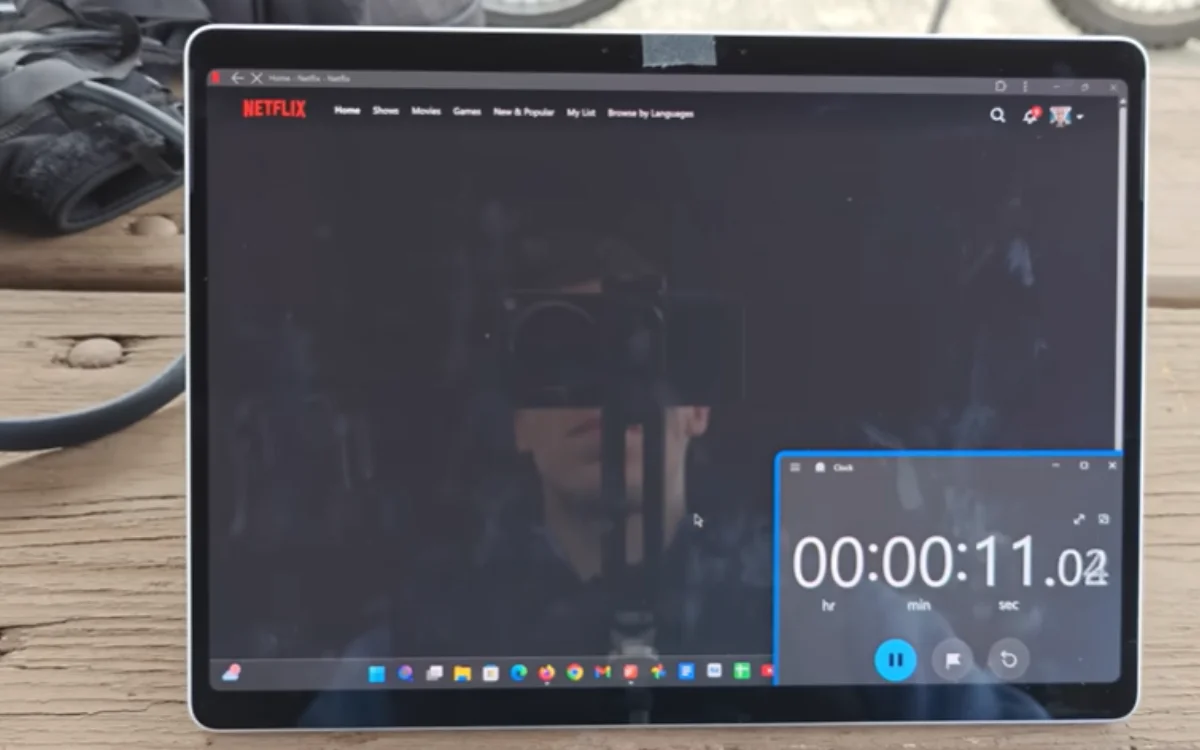
And when it came to Netflix, the site wouldn’t load at all, meaning streaming the latest season of Stranger Things was well and truly out of the question.
Summing up his experiences with Starlink Mini and its standby mode, the YouTuber said it was a great option for a backup or occasional use connection, but that it wasn’t really suitable as a main internet connection.
SpaceX Starlink timeline
January 2015: SpaceX announces plans for a low Earth orbit satellite internet constellation
February 2018: First Starlink test satellites are launched
May 2019: First batch of operational Starlink satellites is deployed
October 2020: Starlink public beta launches
September 2021: Starlink exits beta and expands internationally
December 2022: Starlink surpasses 1 million global subscribers
Late 2023: First Direct-to-Cell Starlink satellites are launched
2024: Starlink Mini is introduced, focusing on portable connectivity
DISCOVER SBX CARS: The global premium car auction platform powered by Supercar Blondie
With a background in both local and national press in the UK, Claire moved to New Zealand before joining the editorial team at Supercar Blondie in May 2024. As a Senior Content Writer working on New Zealand Standard Time (NZST), Claire was the first writer on the team to make the site’s output a slick 24/7 operation covering the latest in automotive news.