US woman left her Tesla Model 3 in Sentry Mode for 24 hours as an experiment and arrived back to some unexpected results
Published on Jul 18, 2026 at 6:09 AM (UTC-4)
by Alessandro Renesis
Last updated on Jul 18, 2026 at 6:09 AM (UTC-4)
Edited by
Mason Jones
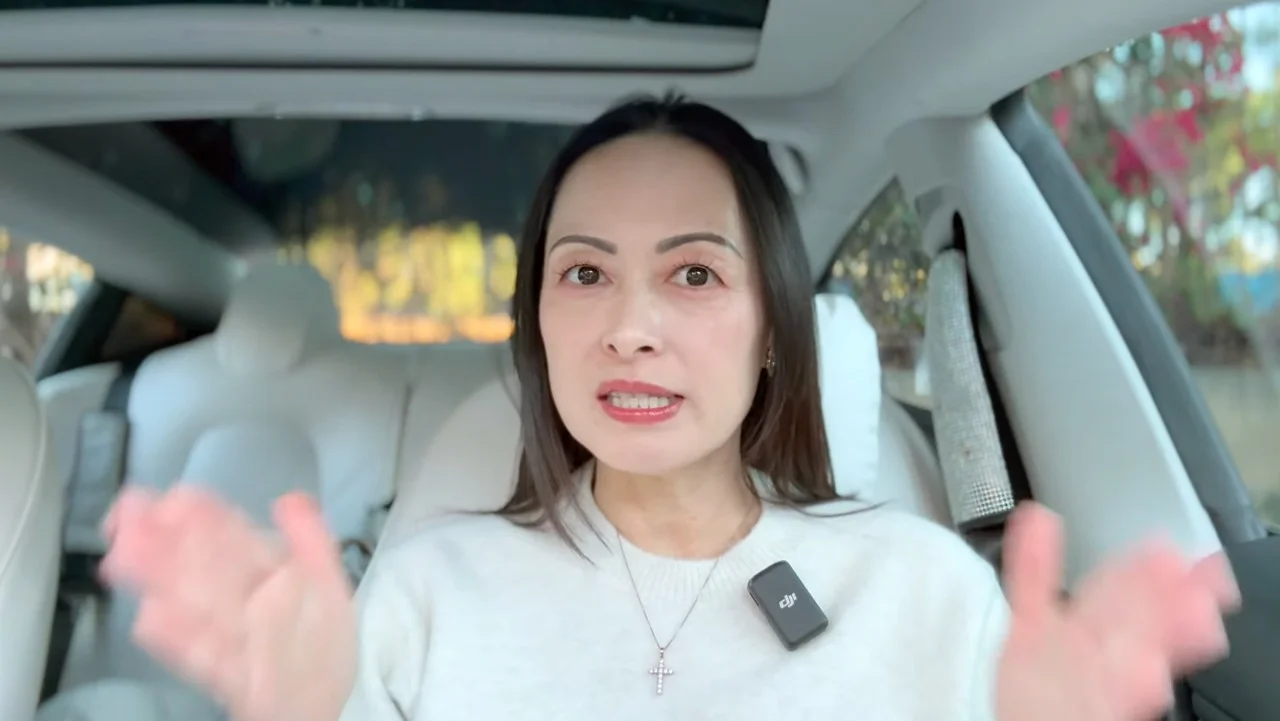

A woman in the US turned on Sentry Mode cameras on her Tesla Model 3 and left them on for 24 hours.
The result was quite interesting.
But this wasn’t because of something the camera recorded.
It’s because of something else entirely.
This is how Sentry Mode works
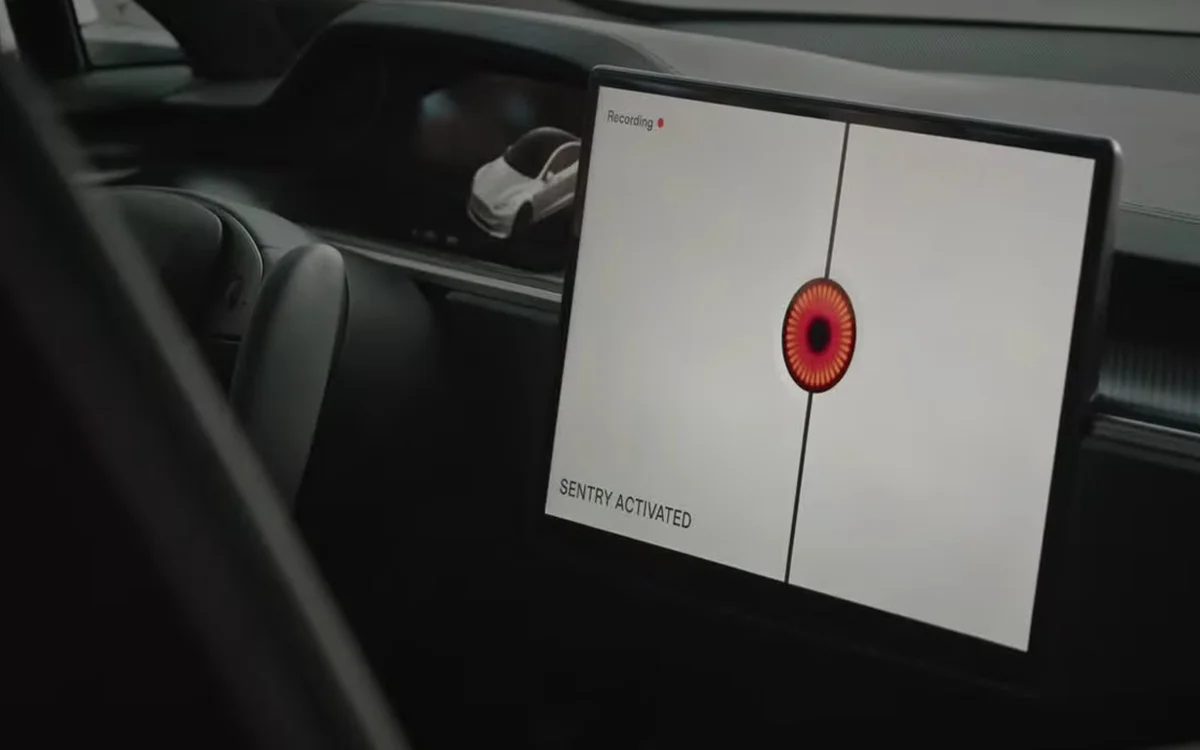
Sentry Mode, as the name can perhaps suggest, is a way of turning your car into a sentry.
This can be useful to protect both the car and your house if you park the car near it.
The vehicle-monitoring system uses external cameras and sensors to record suspicious activity and deter theft or vandalism while the car is parked.
It also triggers a multi-stage alarm and records surrounding footage to a USB drive if it detects a threat.
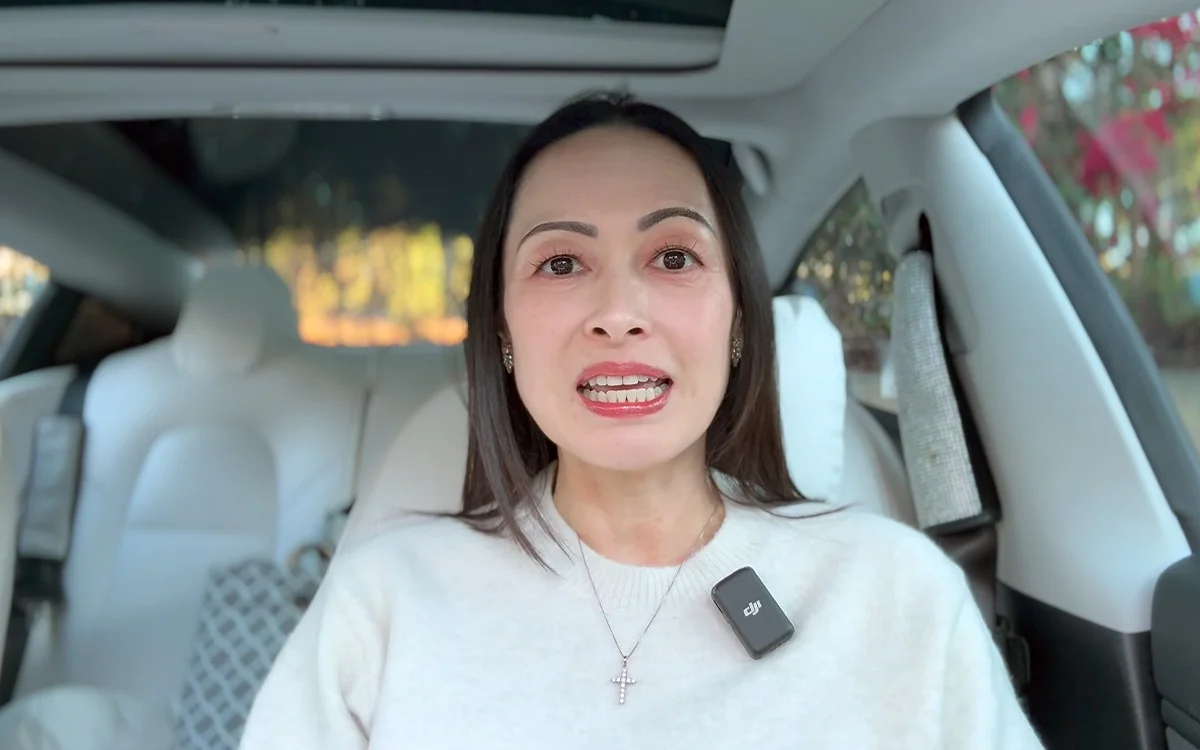
Tesla Model 3 and YouTuber Tesla Joy decided to take two separate 24-hour tests to see what would happen.
And she found out something quite interesting about the system.
Apples to apples, it probably makes more sense to use it with cameras
Tesla’s Sentry Mode has been quite divisive, and one of the reasons why that’s the case is that some people claim it chews through battery like there’s no tomorrow.
That was exactly the whole point of the test.
Nothing happened in those 48 hours, but the way battery went down was interesting.
“In the last year, Tesla came up with an option for Sentry Mode where you can turn off camera-based detection and the car would only record clips onto the dash cam when it senses actual physical threat. Supposedly this should not drain as much battery when Sentry Mode is enabled,” she said in the video.
The word ‘supposedly’ is key here.
In the first test, she disabled the camera-based detection system and left the Tesla Model 3 parked for an entire day.
When she checked back in, the battery had dropped from 49 percent to 42 percent, without having needed to record any footage.
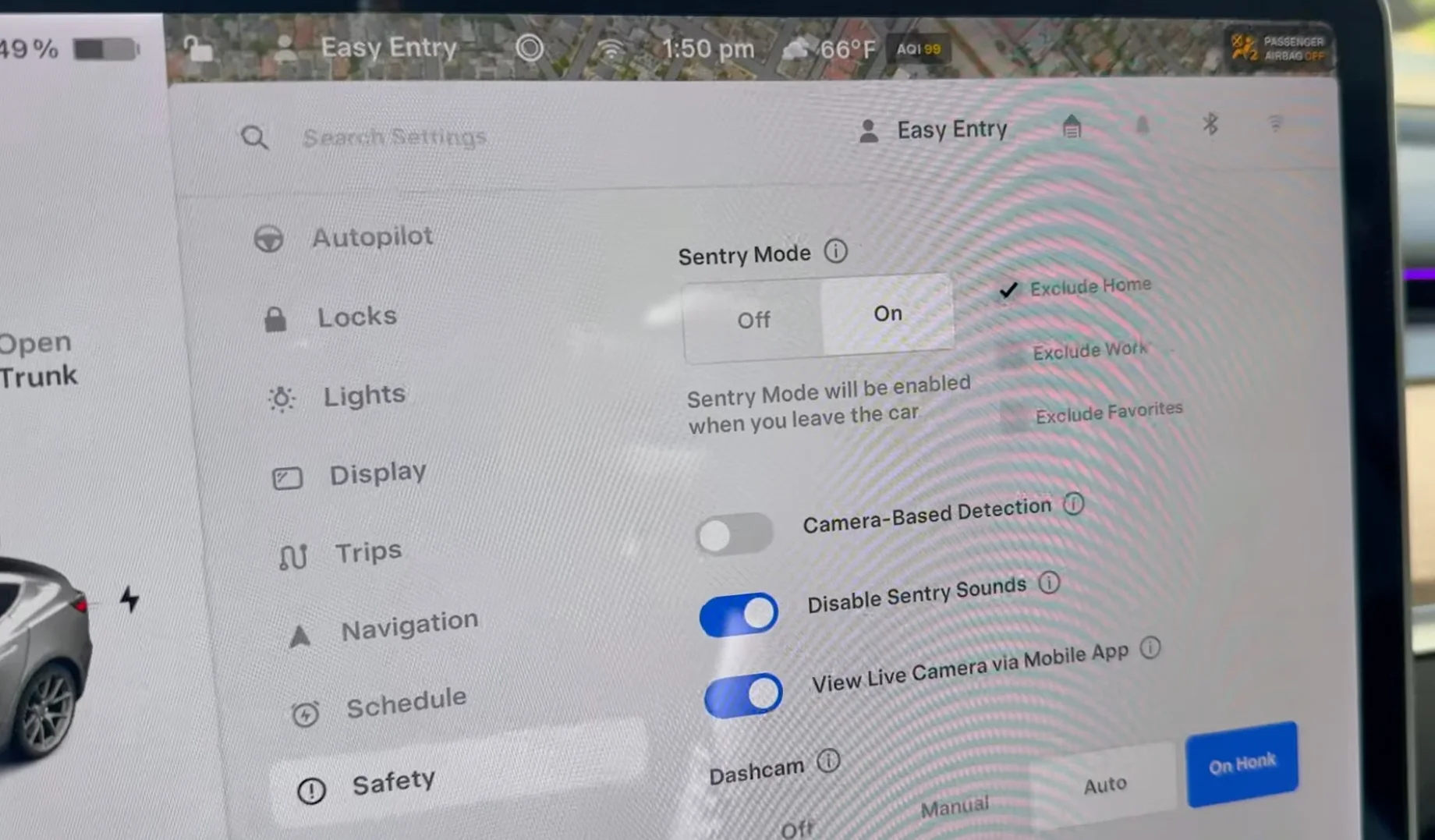
Then, she fired it back into the full Sentry Mode and left it for another 24 hours.
This time, the charge dropped from 42 to 33 percent.
With that in mind, while much of the footage is quite often redundant, turning the cameras is probably a good idea if it only results in an extra two percent of energy consumption.
“I thought that by turning off camera-based Sentry Mode detection my battery drain would be less than when it is disabled,” she pointed out.
Tesla invented several ‘modes’
Through the years, Tesla has either completely invented or pioneered several modes that were sometimes useful, and sometimes just designed for fun.
A while back, Tesla had to recall 500,000 to remove the ‘fart horn‘ feature because, according to the National Highway Traffic Safety Administration, it ‘may hinder pedestrians’ ability to hear a mandatory warning sound, increasing the risk of a crash’.
Then there’s Dog Mode.
In Dog Mode, the cabin is kept at an ideal temperature – neither too warm nor too cold – and a message appears on screen, visible for everyone from the outside.
“My owner will be back soon. Don’t worry! The heater is on and it’s [temperature] °F/C” the standard message reads.
The message can be displayed in any language, by the way.
But the best mode is arguably Ludicrous mode.
In Ludicrous Mode, the vehicle optimizes battery power and motor output to deliver supercar acceleration, by modifying the powertrain’s electronics to allow maximum electrical current and preheating the battery for optimal discharge.
At some point, Tesla even added Insane mode.
The bad news is these modes are no longer available, but the good news is that it doesn’t really matter, because they were replaced by Plaid or Performance versions, which are even faster.

Alessandro is an automotive journalist with 10 years of experience covering supercars, automotive history, emerging vehicle technology, and luxury transportation. He wrote the first article published on SupercarBlondie.com when the website launched in 2022 and has since built a reputation for insightful reporting across the automotive and transportation industries. His expertise is grounded in hands-on experience. Alessandro has driven every Tesla model ever produced, from the original Roadster to the Cybertruck, and regularly covers the latest developments in electric vehicles and automotive innovation. His passion for transportation extends beyond cars, he has even flown a Boeing 787 Dreamliner simulator in Addis Ababa, Ethiopia. His reporting spans everything from classic American muscle cars and rare automotive discoveries to luxury yachts, private aircraft, high-end watches, and cutting-edge vehicle technology. Known for his deep knowledge of automotive history and ability to uncover the stories behind iconic vehicles, Alessandro brings readers a blend of historical context, technical expertise, and first-hand experience.