The VHPK takes the Lotus Elise S1 formula to a new extreme with a 600kg single-seater tribute to the British sports car
Published on Sep 08, 2026 at 9:48 AM (UTC-4)
by Henry Kelsall
Last updated on Sep 30, 2026 at 8:15 AM (UTC-4)
Edited by
Alessandro Renesis
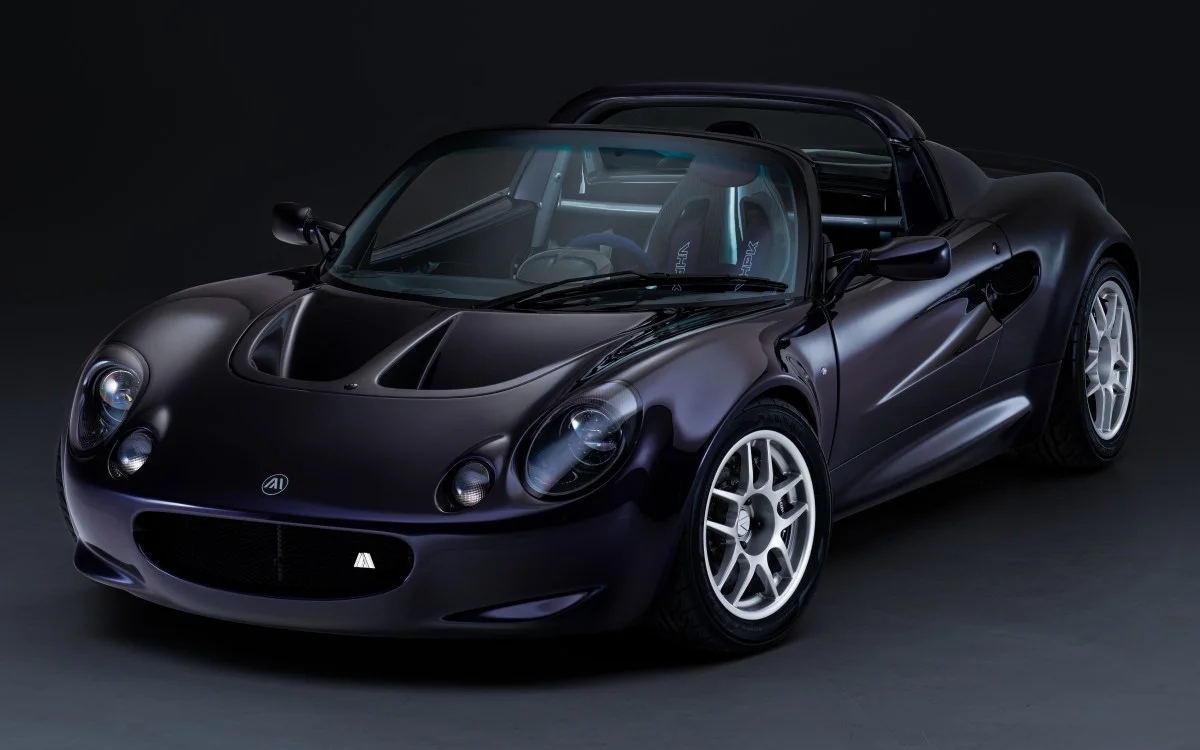

The new VHPK has taken the Lotus Elise S1 to a whole new extreme, with a 600kg single-seat tribute to the British sports car.
A Lotus Elise S1 is already an epic sports car, but Analogue Automotive has made it even more analogue and turned it into something truly incredible.
The VHPK is now a single-seat, central driving-position car that is even lighter than the original and has more power under the hood as well.
If you were a fan of the original Lotus Elise S1, then we think this is something you are going to love even more than that.
How has the VHPK improved the Lotus Elise S1?
One of the biggest changes made to the car is with regard to the car’s driving position.
Analogue Automotive has given the Lotus a central driving seat, much like you’d find on the McLaren F1.
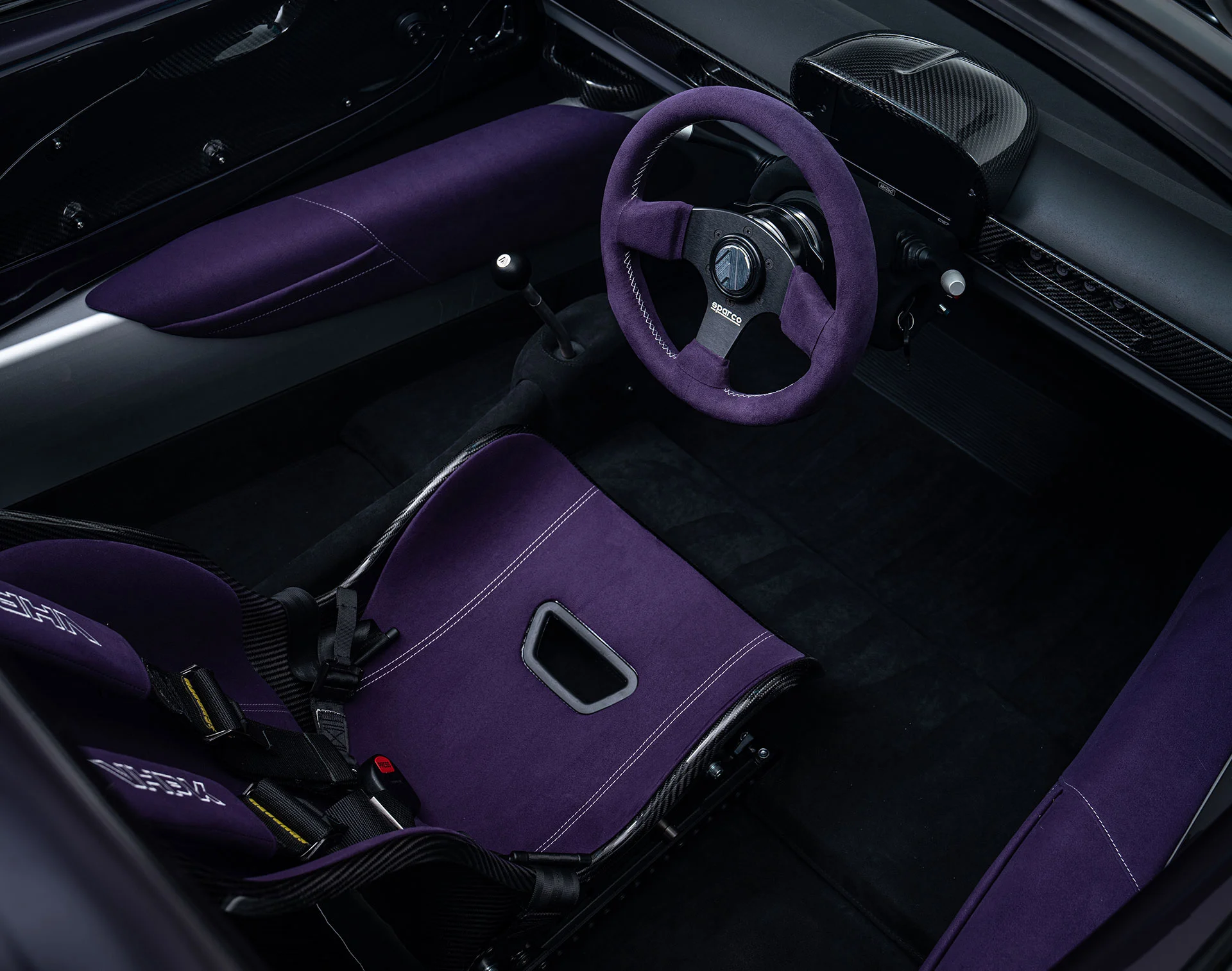
This has been done as it is how the one-make Elise championship cars that supported the BTCC used to run.
The seat is a carbon fibre bucket, surrounded by carbon trim, neatly encased in a full carbon fibre body.
But the seat is far from the only thing that AA has done to the Elise S1.
Related
The VHPK now has more power under the hood
The company said they have ‘highly tuned’ the 1.9-liter twin-cam K-Series four-cylinder engine.
That is an increase over the 1.8-liter engine that it had in the standard S1.
The VHPK name comes from the ‘Very High Performance Derivative’ that the Rover K-Series four-pot engine under the hood used to have.
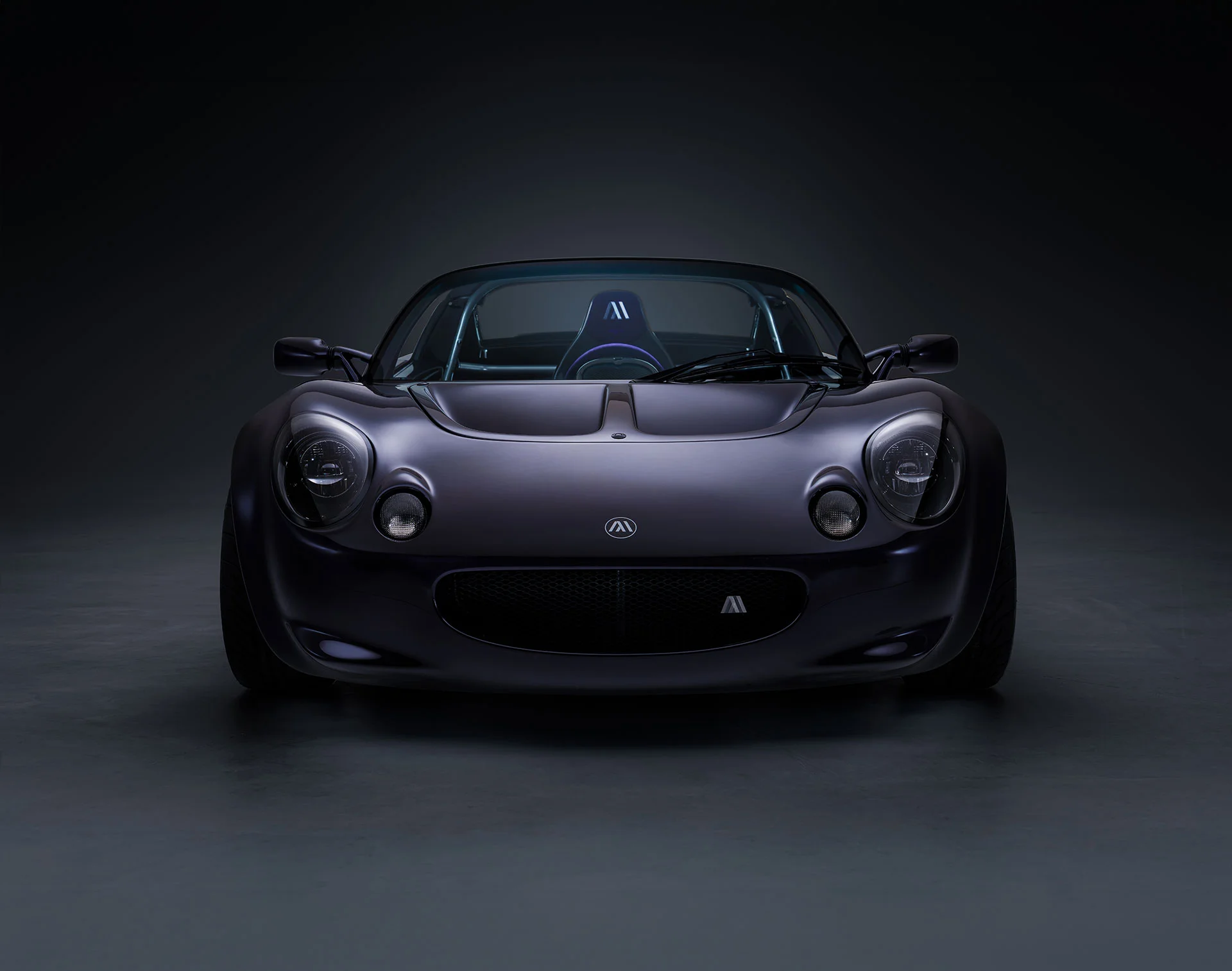
The D has just been swapped for the K to recognize that it is a K-Series engine.
AA says that the engine makes 250hp.
That is a lot for a car that weighs about as much as a feather.
How much does the upgraded Lotus Elise S1 sports car weigh?
There is very little weight to this spectacular sports car.
The company has said that it weighs around 700kg, which is roughly 1,500lbs.
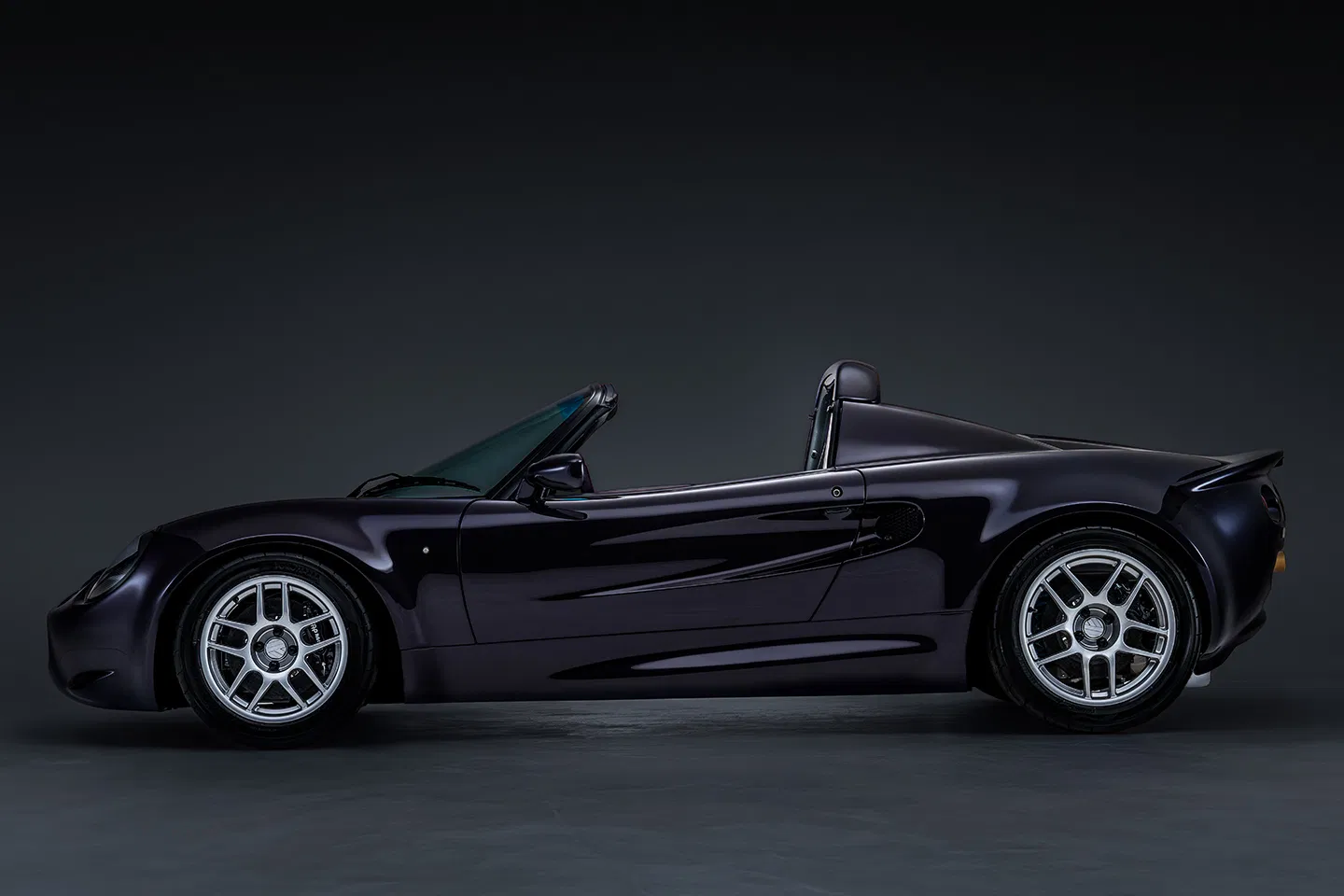
That really does make it lightweight, in a world where most cars can exceed well over 4,000lbs.
AA has also said that the car has a wide-track suspension system, including aluminum uprights and steering arms plus passive dampers.
There is also an option for an active damper setup if that is what you want.
Only 35 examples of this amazing car will be built.
Each will cost £350,000, or $473,000, and that does include a donor Series 1 Elise.
Lotus Elise timeline
1994 – Conception and development of the lightweight sports car begins
1996 – Launched as the Series 1 featuring a revolutionary bonded-aluminum chassis
1999 – Performance upgraded with the faster 111S variant
2000 – Hardtop Exige spin-off debuts alongside the radical roofless 340R
2001 – Series 2 launches to meet updated European safety regulations
2004 – US market entry begins utilizing a reliable Toyota-sourced engine
2011 – Series 3 arrives with refreshed styling and improved aerodynamics
2021 – Production ends after 25 years with special Final Edition models
Henry joined the Supercar Blondie team in February 2025, and since then has covered a wide array of topics ranging from EVs, American barn finds, and the odd Cold War jet. He’s combined his passion for cars with his keen interest in motorsport and his side hustle as a volunteer steam locomotive fireman at a heritage steam railway.