Vittori Turbio is an AI-assisted designed V12 hypercar with 3D printed components
Published on Nov 18, 2025 at 4:02 AM (UTC-5)
by Alessandro Renesis
Last updated on Nov 21, 2025 at 12:49 PM (UTC-5)
Edited by
Amelia Jean Hershman-Jones


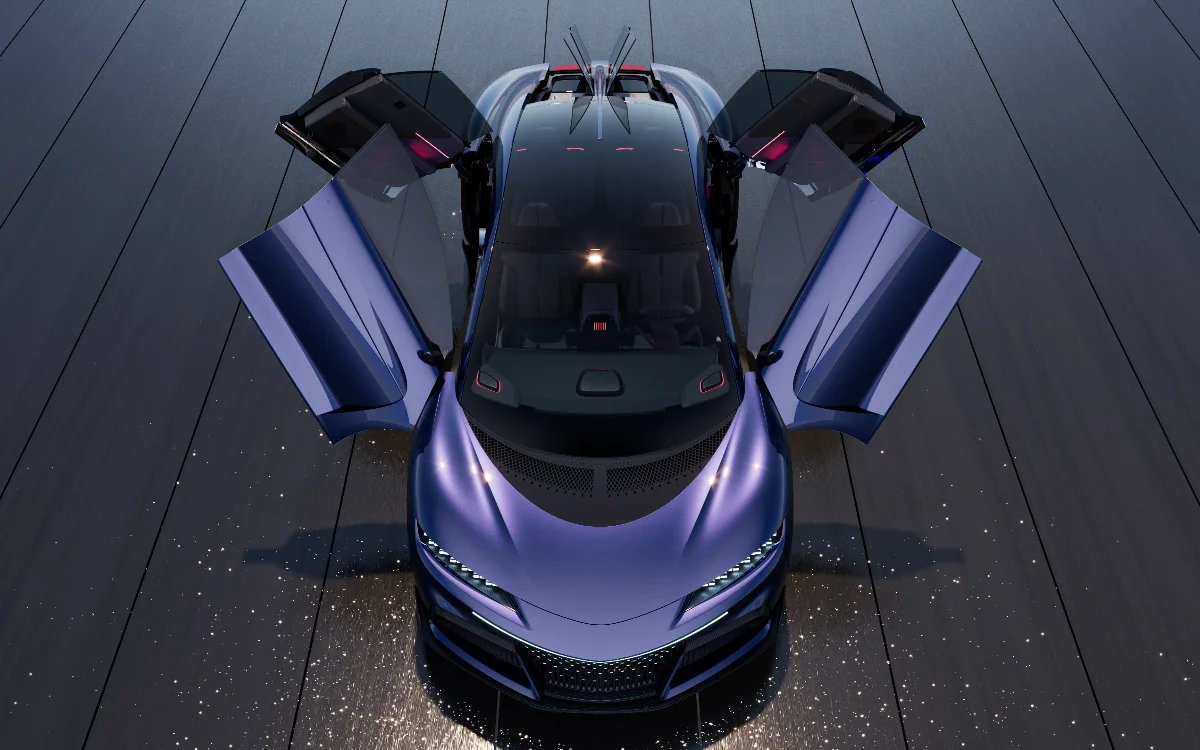
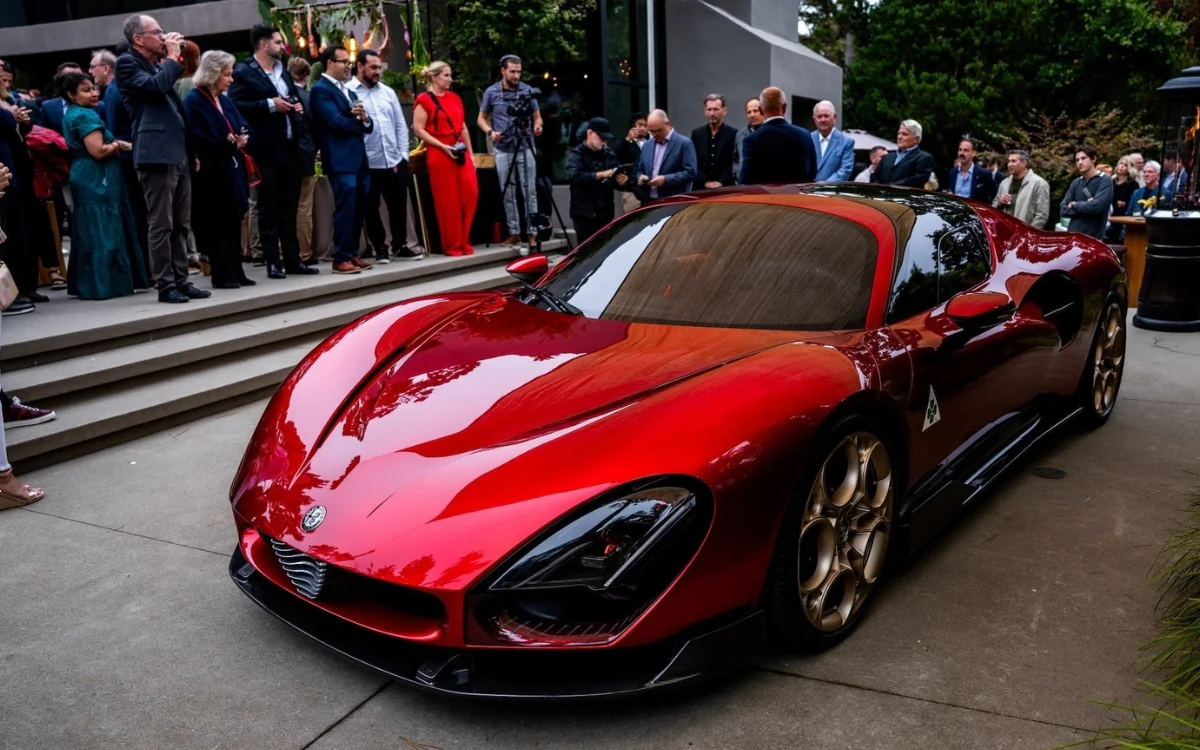
This is the Vittori Turbio, a V12 hypercar manufactured in Italy and designed by Pininfarina.
It’s spectacular, and rare – only 50 units will be made.
We should also point out that Pininfarina did sketch this beauty, and the V12 that powers it is also Italian – but there’s more than meets the eye.
That’s because there’s another element that makes this car truly unique.
DISCOVER SBX CARS: The global premium car auction platform powered by Supercar Blondie
This is why the Vittori Turbio is a truly unique hypercar
The Vittori Turbio is the first supercar shaped by artificial intelligence.
Vittori began by feeding design parameters – proportions, airflow targets, styling cues, and so on – into a generative AI system that produced hundreds of concept sketches.

From there, Pininfarina’s very capable (and very human) designers took over, refining the AI idea and turning it into physical design cues to create a hypercar that’s every bit as competent as it is beautiful.
The result is a low-slung shape that looks halfway between a modern mid-engined supercar and a wedge-shaped supercar from the 80s.

Power comes from a hybrid V12 unit developed in Turin, Italy, by Italtecnica.
The V12 is paired with electric motors for a grand total of 1,100+ horsepower, giving the Turbio a 0-60mph of 2.5 seconds.
Even with the electric motors, you probably won’t get crazy good MPG.
But then again, that’s hardly the point with a V12 hypercar.
Related
There’s something else that makes this hypercar more efficient than its peers

In addition to the hybrid V12, there’s another key feature of the Turbio that makes it a bit more efficient and sophisticated than most of its rivals.
That’s because parts of the chassis and body are 3D-printed in titanium, while carbon fiber makes up much of the structure.
Active aerodynamics, including a moving rear wing, promise a lot of drama but, more importantly, a lot of downforce, while the interior will be functional, but also slightly minimalist, with more physical buttons than screens.

Production is scheduled to start sometime next year, and with the V12 hypercar being limited to just 50 units worldwide, it’s not going to be cheap.
The price? Seven figures, as you’d expect from a supercar of this caliber.
Alessandro is an automotive journalist with 10 years of experience covering supercars, automotive history, emerging vehicle technology, and luxury transportation. He wrote the first article published on SupercarBlondie.com when the website launched in 2022 and has since built a reputation for insightful reporting across the automotive and transportation industries. His expertise is grounded in hands-on experience. Alessandro has driven every Tesla model ever produced, from the original Roadster to the Cybertruck, and regularly covers the latest developments in electric vehicles and automotive innovation. His passion for transportation extends beyond cars, he has even flown a Boeing 787 Dreamliner simulator in Addis Ababa, Ethiopia. His reporting spans everything from classic American muscle cars and rare automotive discoveries to luxury yachts, private aircraft, high-end watches, and cutting-edge vehicle technology. Known for his deep knowledge of automotive history and ability to uncover the stories behind iconic vehicles, Alessandro brings readers a blend of historical context, technical expertise, and first-hand experience.