Volkswagen's next EVs could drive 620 miles regardless of the weather due to new advanced battery technology
Published on Mar 15, 2026 at 10:14 AM (UTC+4)
by Henry Kelsall
Last updated on Mar 13, 2026 at 2:34 PM (UTC+4)
Edited by
Mason Jones
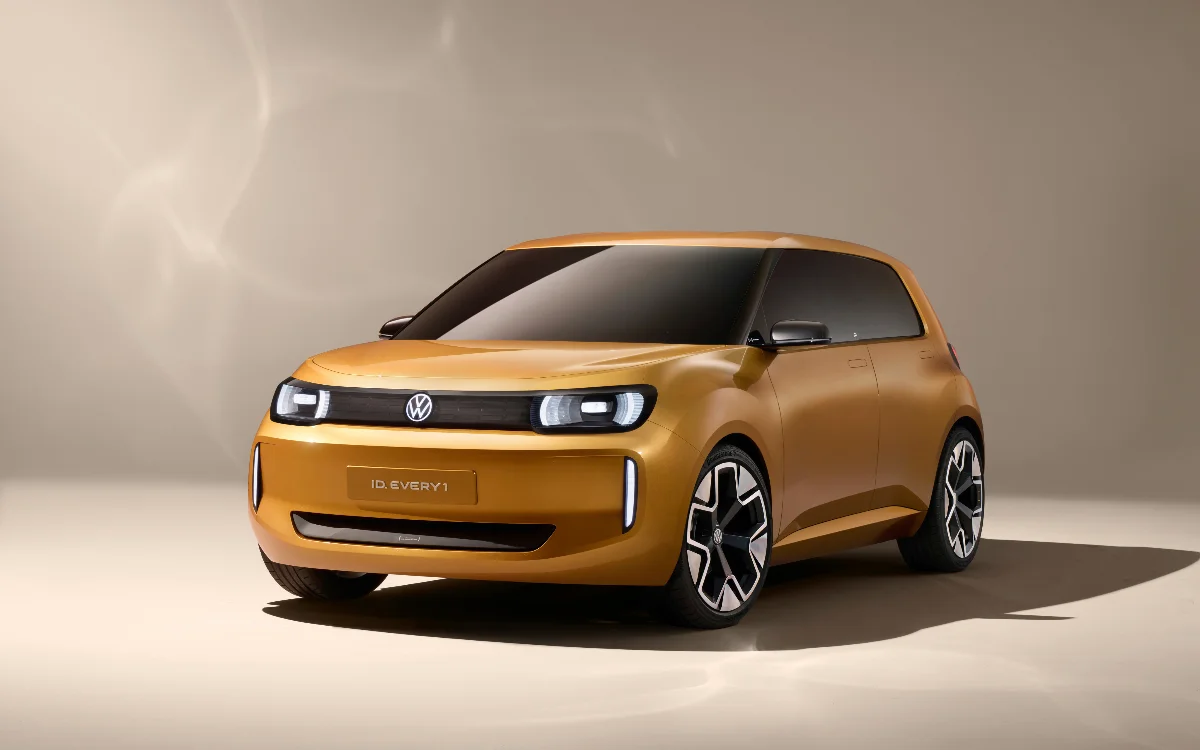

Volkswagen’s EVs may be about to deliver a battery revolution, as its next electric cars could travel for over 600 miles, no matter what the weather conditions are like, thanks to new battery technology.
The quest for more range with EVs has been ongoing for a while, and recent Chinese electric cars have shown just how far they can travel on a single charge.
Bad weather, be it rain or cold temperatures, can also impact an EV’s range, but VW may have found the solution.
Volkswagen has developed its next-generation EV battery with its partner Gotion, and it looks like it could be a game-changer.
Click the star icon next to supercarblondie.com in Google Search to stay ahead of the curve on the latest and greatest supercars, hypercars, and ground-breaking technology
This is how Volkswagen’s new EV battery works
Ironically, Gotion High Tech, VW’s partner, is a Chinese-based company.
Volkswagen acquired a 26 percent stake in Gotion in a $1.2 billion investment in 2020.
The new battery is called Gemstone, and unlike previous VW EVs, it is a solid-state battery.
These provide some advantages over lithium-ion cells, such as better efficiency and the possibility of greater range.
The batteries are designed to deliver 350Wh/kg of energy density in a single-cell capacity of 70Ah.
This, in theory, will translate into a range of around 620 miles.
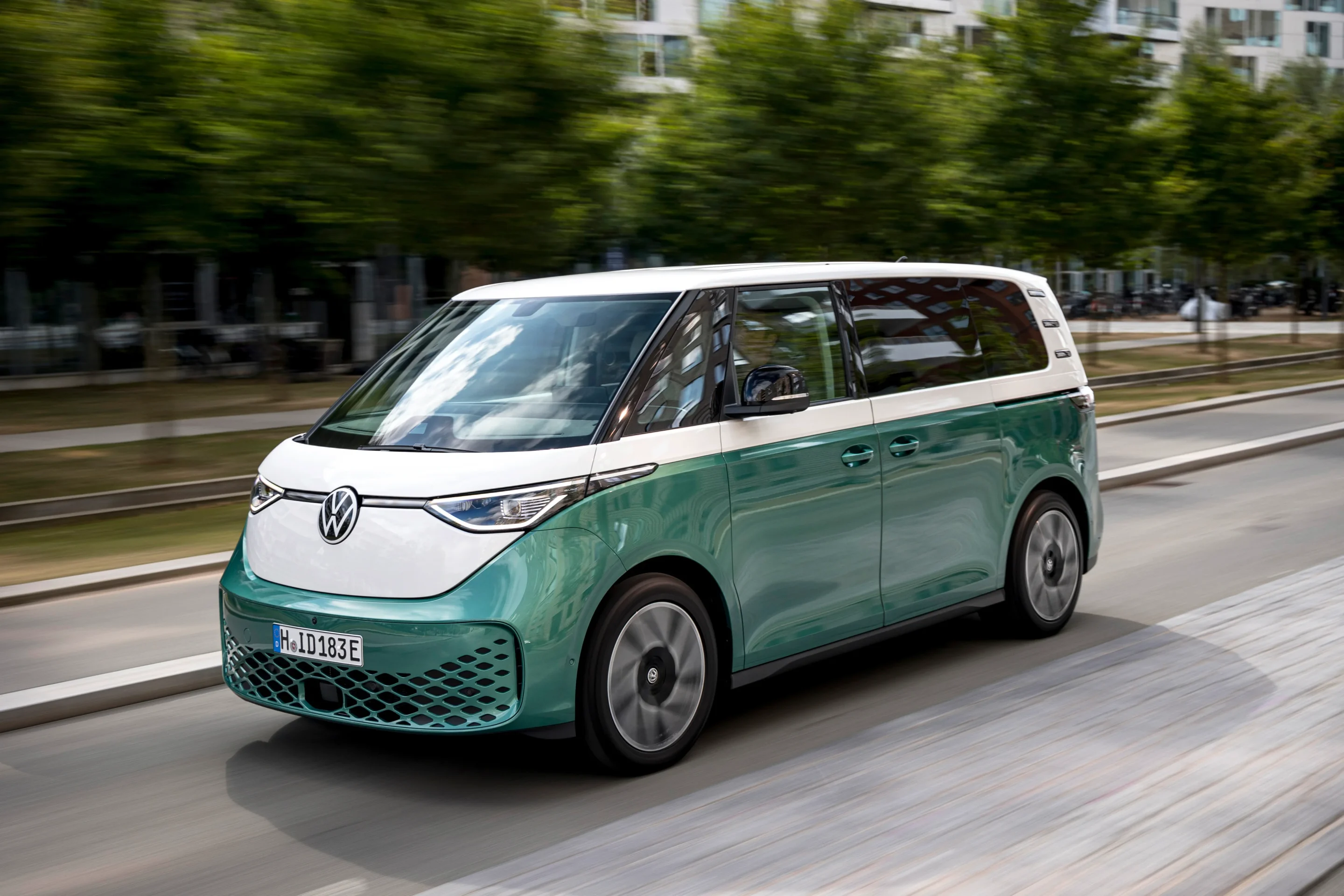
Gotion has recently begun real-world testing of these new batteries.
Thanks to the solid-state construction, these should keep their range up to 620 miles, even in bad and cold weather.
If so, that would be game-changing, as a lot of EVs suffer as temperatures drop or as it starts to rain.
Why solid-state batteries are better than lithium-ion
Solid-state batteries typically provide more energy density than lithium-ion cells.
In other words, this means better efficiency and better overall range than what we’ve seen before.
Solid-state batteries are also smaller, which means less weight in a car overall.
The weight is down to the use of lithium-anode in the solid-state batteries.
Perhaps the most important factor, however, is safety.
Lithium batteries, while still safe, contain the flammable electrolyte.
Solid-state cells, however, can handle higher temperatures and have a higher thermal stability.
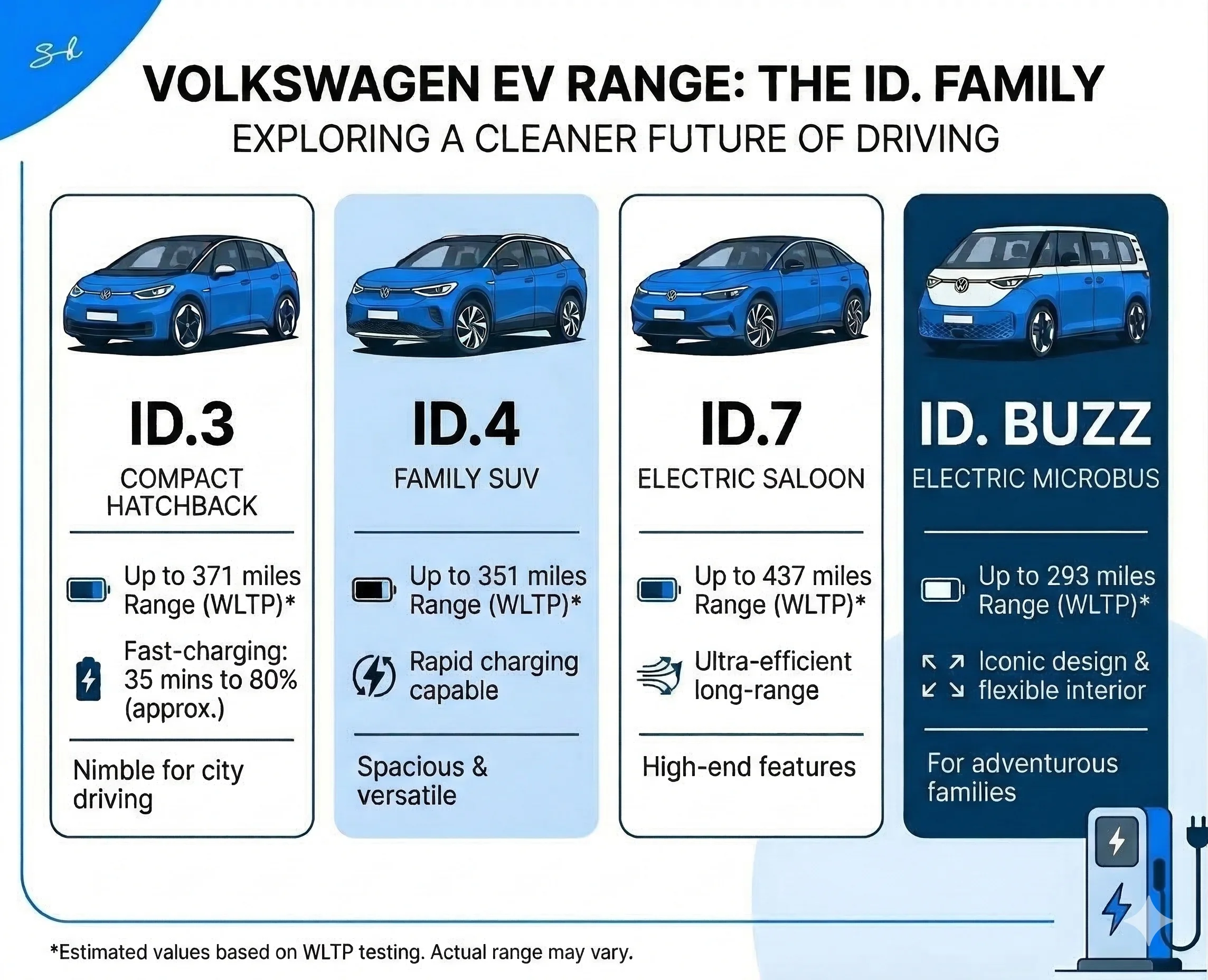
So it is about more than just range and efficiency when it comes to which battery pack is best.
Should the technology progress further, solid-state cells may become the norm for all EVs.
Volkswagen’s bosses will be hoping it can take a leap ahead with this new technology.
DISCOVER SBX CARS: The global premium car auction platform powered by Supercar Blondie
Henry joined the Supercar Blondie team in February 2025, and since then has covered a wide array of topics ranging from EVs, American barn finds, and the odd Cold War jet. He’s combined his passion for cars with his keen interest in motorsport and his side hustle as a volunteer steam locomotive fireman at a heritage steam railway.