Volkswagen puts a new electric vehicle inside a giant 320°F popcorn machine to tumble and cook it in one of the wildest car tests ever
Published on Oct 05, 2026 at 6:58 AM (UTC-4)
by Ben Thompson
Last updated on Oct 07, 2026 at 11:14 AM (UTC-4)
Edited by
Mason Jones
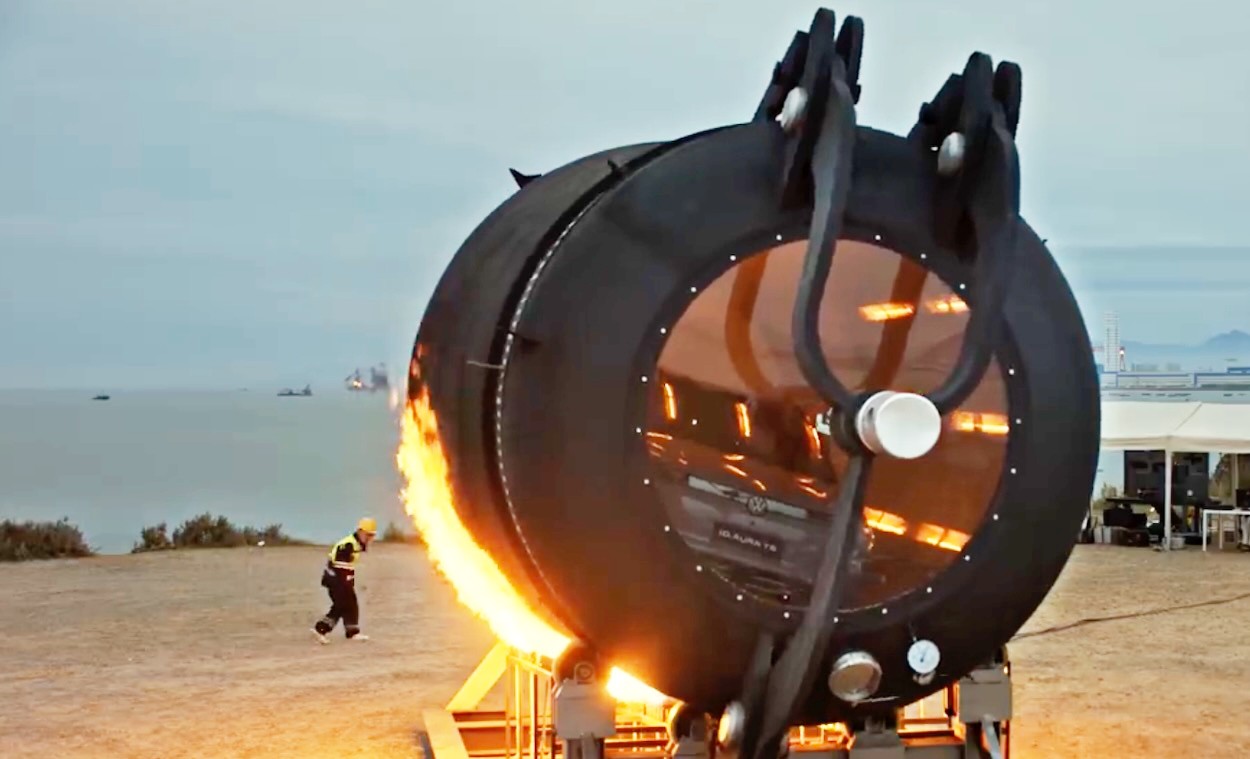

Volkswagen took things to the next level by placing its new EV inside a giant popcorn machine in order to cook it.
Yes, you read that right – a car company cooked its own car.
VW cooked the ID. AURA T6, an electric car designed specifically for the Chinese market.
But what did it look like coming out the other side of this experiment? And would it taste good with butter and salt?
We’ve seen a lot of wild car tests in our time
When you want to push a car to its limits, there’s some fairly standard tests that can be carried out – more often than not involving crash dummies.
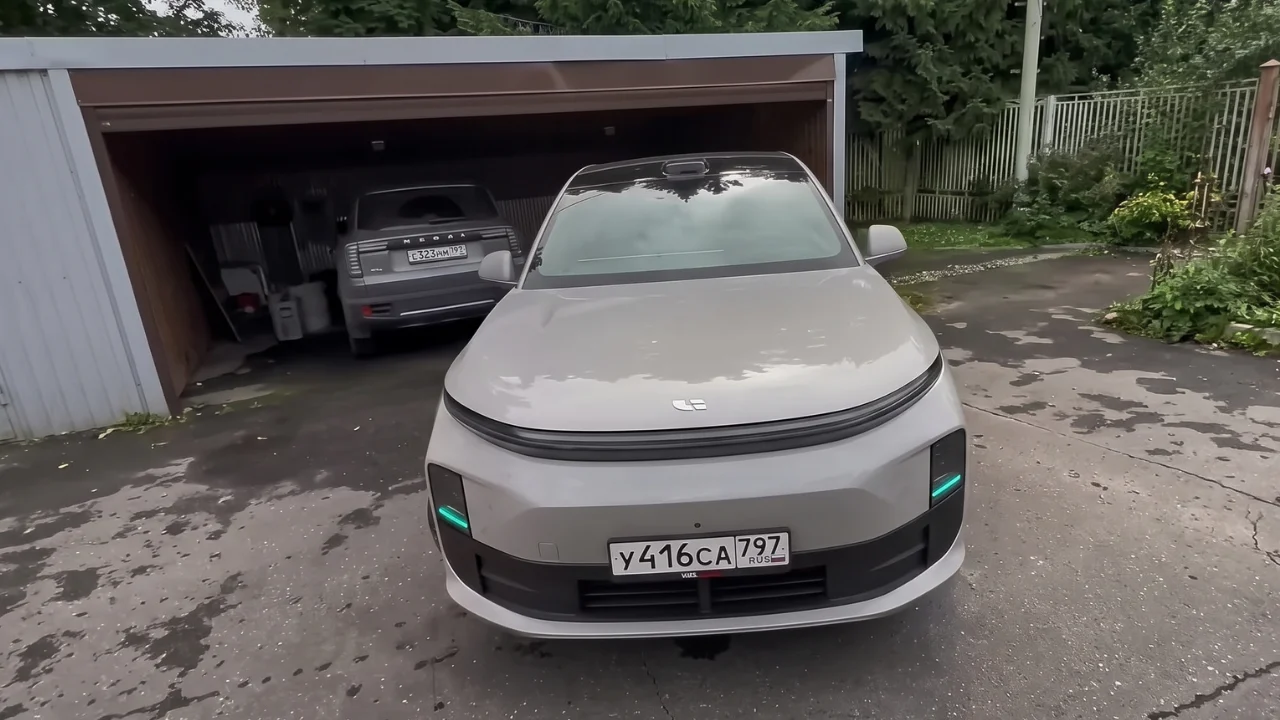
But then there are the tests that take more unorthodox approaches.
Remember the time BYD froze one of its own cars, just to make a point about its charging capabilities?
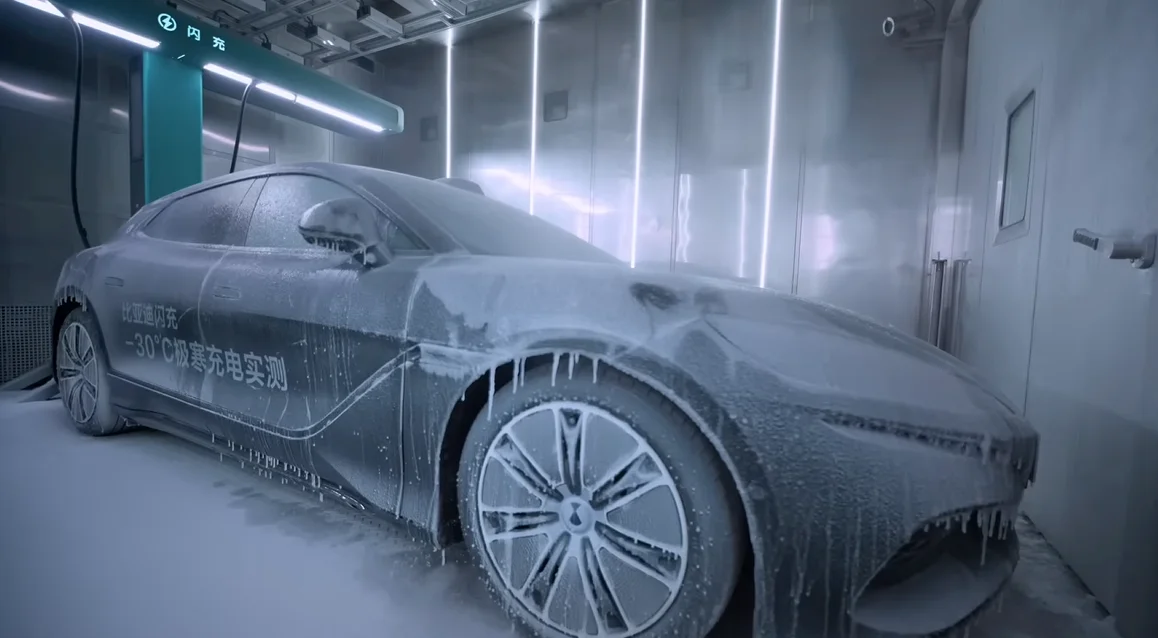
Well, it’s almost like Volkswagen China took one look at that and decided to go the opposite direction.
Rather than sending temperatures plunging, it decided to rapidly turn up the heat.
Inside the giant popcorn machine test that cooked a Volkswagen EV
At the heart of this experiment was a ID. AURA T6, one of Volkswagen’s China-specific EVs.
Starting at prices of $19,240 (129,900 yuan), the car is as affordable as it is stylish.
And what better way to test out a new car than by placing it inside a giant popcorn machine?
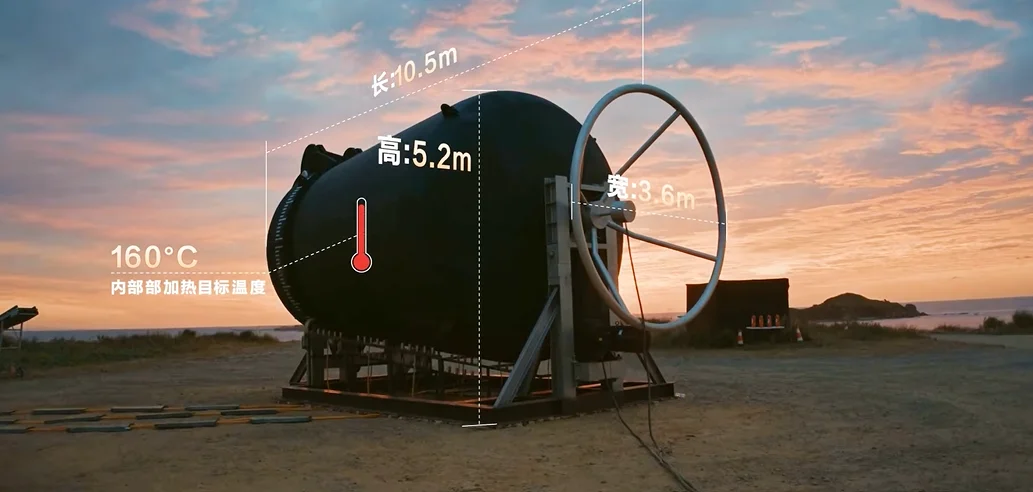
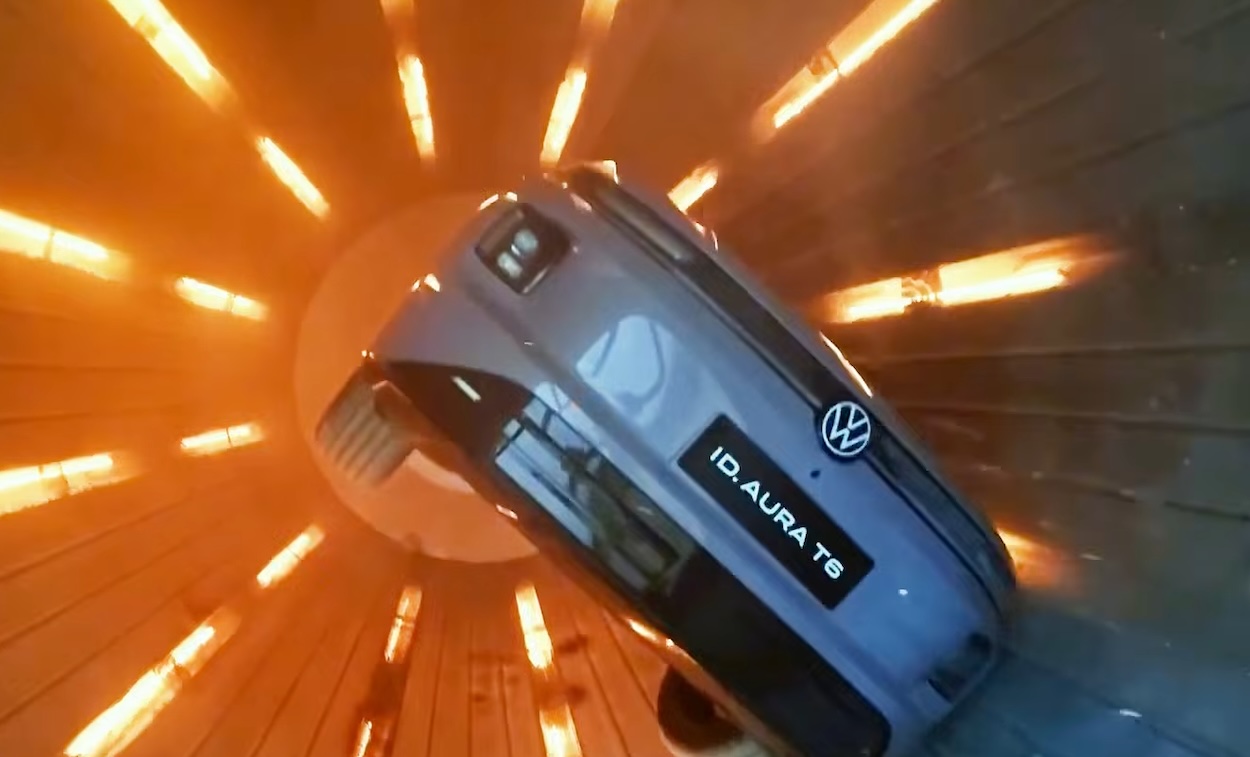
Yeah, we know, it’s a pretty unusual approach.
Points for originality at least, right?
And before you question how a car managed to fit inside one of those popcorn machines you see at the movie theater, hold your horses.
This isn’t a popcorn machine like we’re used to seeing here in the west.

Popcorn machines in China are more akin to popcorn cannons, owing to their shape.
These teardrop-shaped containers contain various grains and accumulate pressure when heated.
When air flows in through the opening, the grain puffs up and the resulting popcorn shoots outwards.
Now, how would this play out on a larger scale and with a Volkswagen inside?
That’s what we’re here to find out.
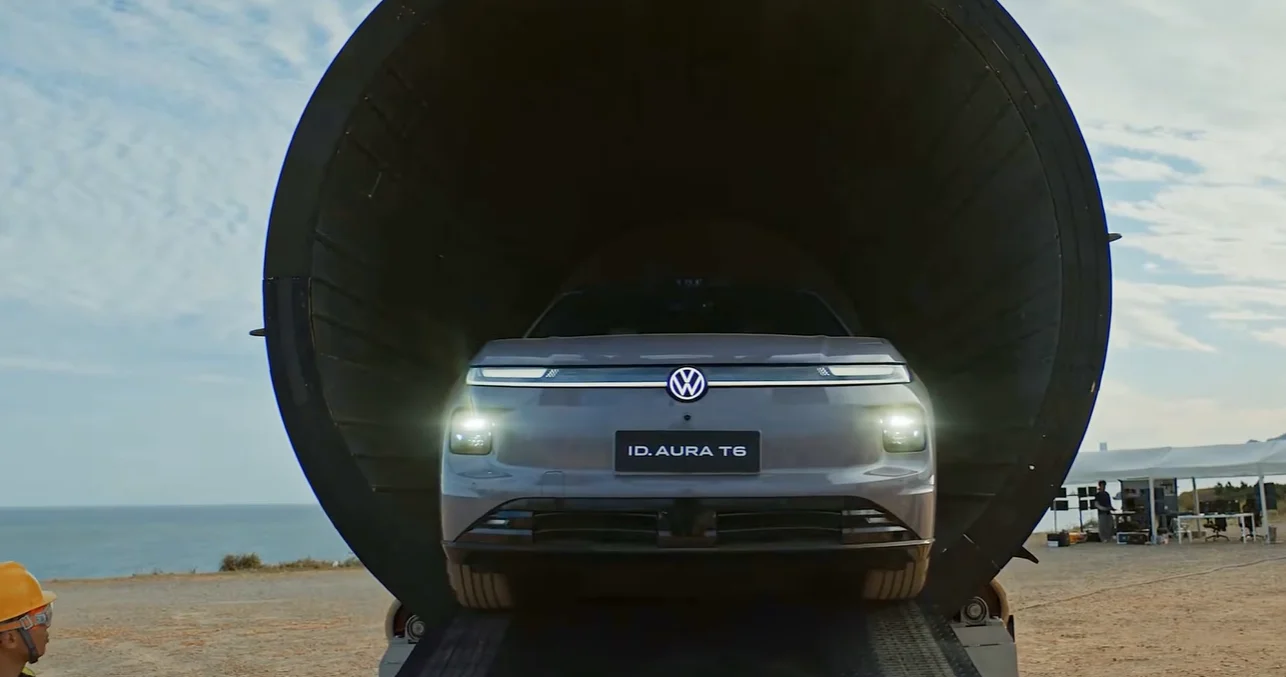
How the electric vehicle handled the tumbling
Once the T6 was loaded into the drum, the heat shot up to 320°F and the machine began to turn.
It didn’t take long for the car to begin feeling the effects – as the glass was left cracked by the combined forces of the heat and movement.
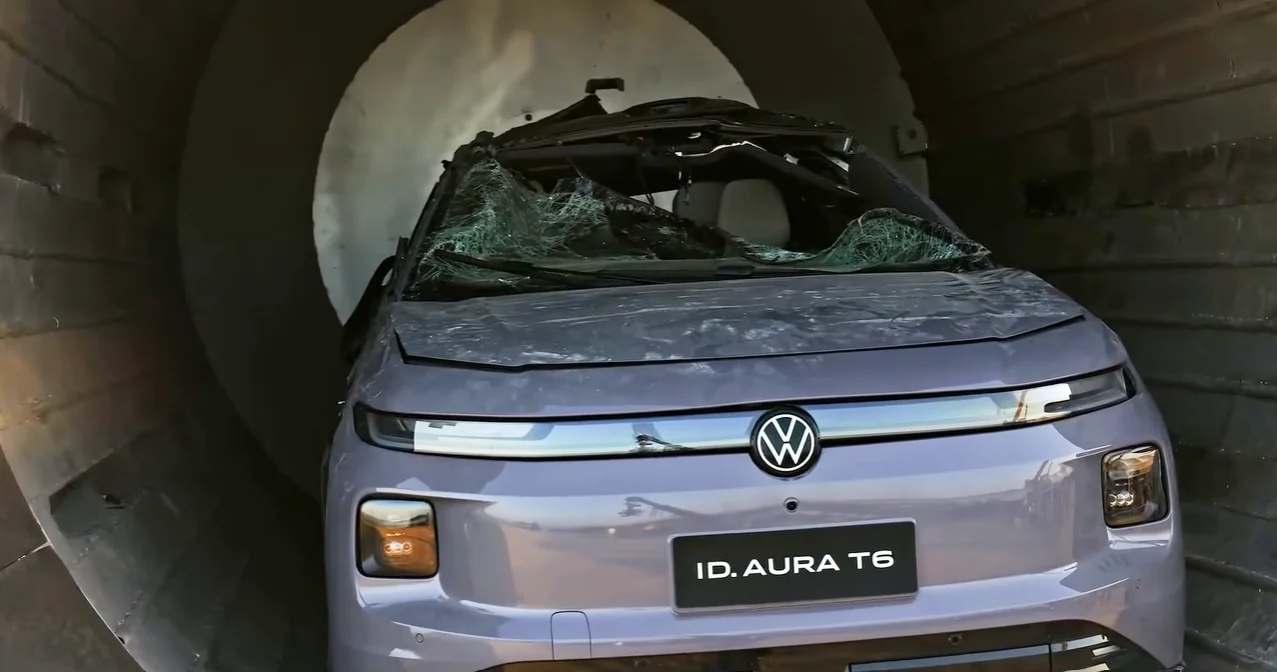
By the time it was time for the car to be released, it was looking worse for wear.
But here’s the crucial detail.
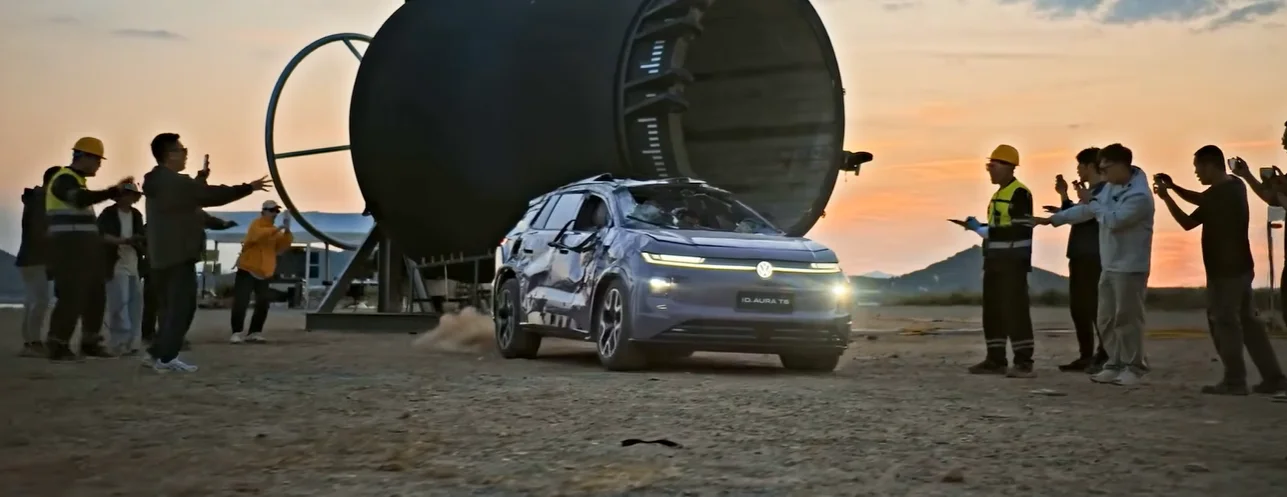
It could still drive out of the machine like nothing had happened.
And that’s after they ran it through the machine a couple more times for good measure.
Not too shabby.
Ben joined Supercar Blondie in February 2025 after being published by international organizations including LADbible, The Sun, the New York Post, and the Daily Mail. He covers supercars, rare and collectible vehicles, aviation, luxury assets, and the fascinating people behind them. His reporting has explored everything from seven-figure supercars and historic Ferrari collections to unusual aircraft adventures and extraordinary automotive discoveries from around the world. Ben has also gained first-hand insight into vehicle craftsmanship and customization, including visiting specialist workshops to see bespoke vehicles up close.