Washington DC police finally decide to tow Audi Q5 after 893 tickets and $262,204 in fines
Published on May 22, 2026 at 5:17 AM (UTC-4)
by Alessandro Renesis
Last updated on May 22, 2026 at 10:19 AM (UTC-4)
Edited by
Mason Jones
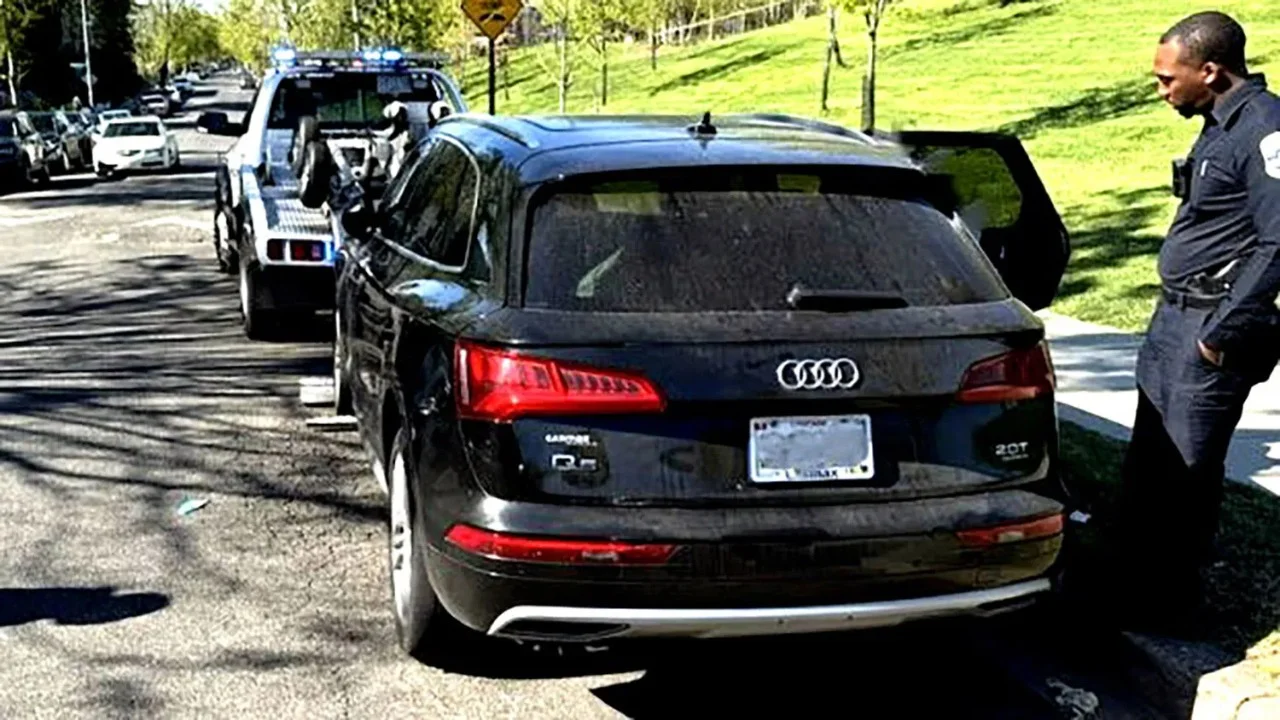

Washington, DC police finally figured out a way to impound an Audi Q5 from Maryland that had been racking up tickets for ages.
The obvious question is how it took almost 900 tickets for the police to finally take action and seize the car.
The answer begins with a ‘B’ – and ends with ‘ureaucracy.’
There was a loophole, but it has finally been closed.
This is what the DC police had to say
An Audi Q5 with Maryland plates spent years ignoring speed cameras in the capital, collecting 893 tickets for a grand total of $262,204.
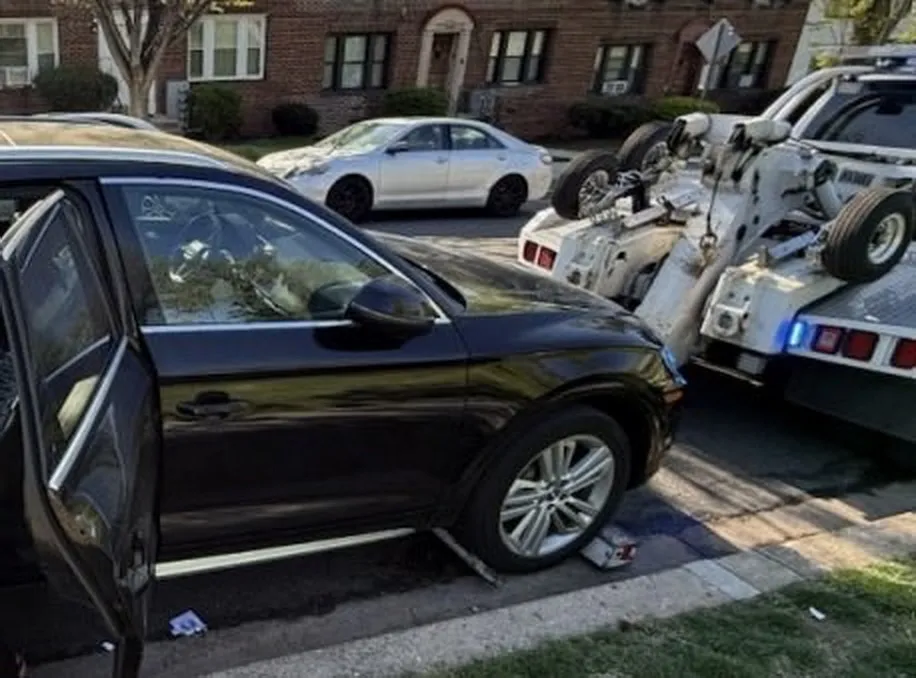
After finally seizing the car a few weeks ago, the Metropolitan Police Department’s Traffic Enforcement Unit announced the impoundment on April 9 via X.
“Yesterday, MPD’s Traffic Enforcement Unit and our partners at DC DPW impounded a vehicle with 893 outstanding tickets, totaling over $260,000 in fines. Repeated disregard of traffic law is unacceptable. We’ll continue to track down scofflaw vehicles to keep DC roadways safe,” they wrote.
Washington, DC had just over 100 speed cameras in 2020, but by 2024, that number had risen to 477, and it’s close to 550 now.
DC’s Senator Ankit Jain told Autoblog that this made a huge difference.
“It seemed like nothing was working, and then all of a sudden we added more traffic cameras and it’s easier than people thought it would be to reduce traffic deaths. I think we’re going in the right direction,” he said.
It sounds great, apart from this tiny loophole that took years to fix.
Related


This is how the loophole worked
The problem was that residents of neighboring states like Maryland and Virginia frequently ignored the District’s speed limits.
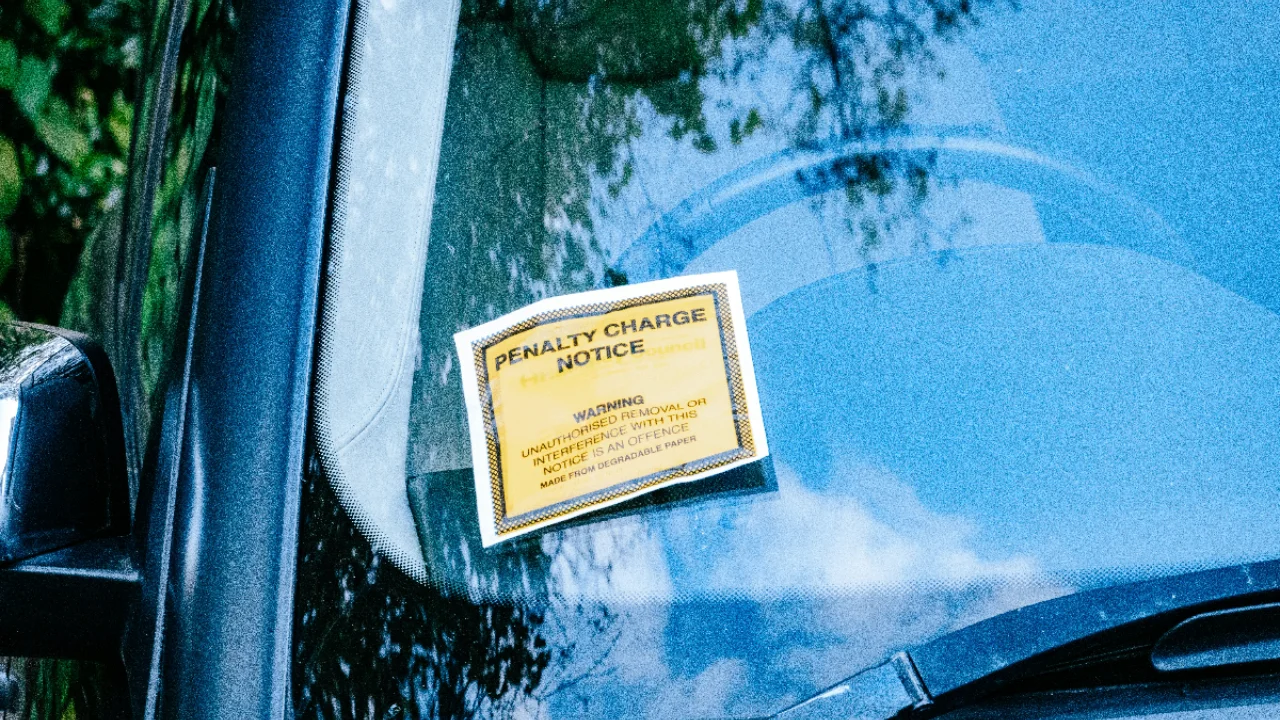
There was no mechanism in place to ‘force’ drivers to pay tickets issued by these cameras.
A camera ticket is not the same as a police stop; if an out-of-state owner ignored the notice, there was virtually nothing DC could do.
Apparently, the loophole was quite easy to fix, and so DC did.
A 2024 law, known as the STEER Act, expanded the city’s authority by allowing the Attorney General to file civil lawsuits directly against out-of-state violators.
Since the law took effect, the state has recovered more than $500,000 in unpaid fines, and this is by far the biggest single case on record.
And if you’re thinking that it sounds like they should’ve been able to act sooner, well, you’re not alone.
Alessandro is an automotive journalist with 10 years of experience covering supercars, automotive history, emerging vehicle technology, and luxury transportation. He wrote the first article published on SupercarBlondie.com when the website launched in 2022 and has since built a reputation for insightful reporting across the automotive and transportation industries. His expertise is grounded in hands-on experience. Alessandro has driven every Tesla model ever produced, from the original Roadster to the Cybertruck, and regularly covers the latest developments in electric vehicles and automotive innovation. His passion for transportation extends beyond cars, he has even flown a Boeing 787 Dreamliner simulator in Addis Ababa, Ethiopia. His reporting spans everything from classic American muscle cars and rare automotive discoveries to luxury yachts, private aircraft, high-end watches, and cutting-edge vehicle technology. Known for his deep knowledge of automotive history and ability to uncover the stories behind iconic vehicles, Alessandro brings readers a blend of historical context, technical expertise, and first-hand experience.