Washington just opened an EV sales loophole for Rivian and Lucid in blow for Tesla
Published on Mar 20, 2026 at 1:00 PM (UTC+4)
by Molly Davidson
Last updated on Mar 20, 2026 at 1:00 PM (UTC+4)
Edited by
Mason Jones
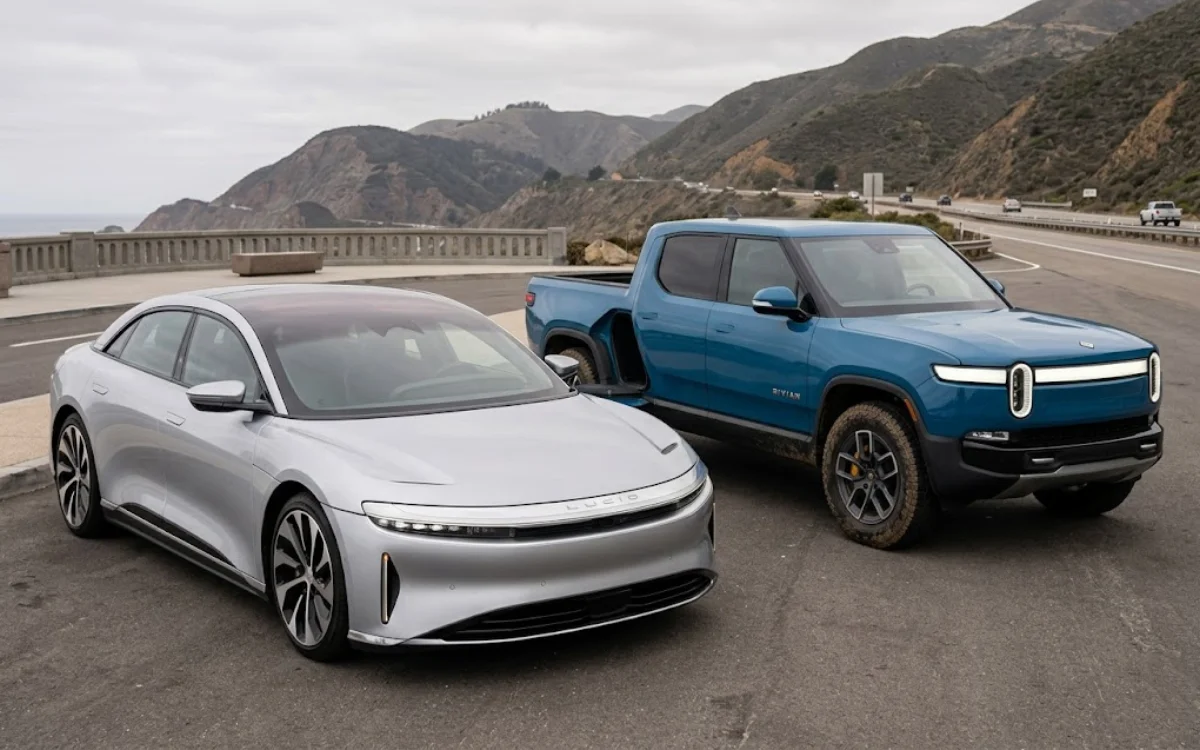

Washington has just changed how EVs can be sold in the state.
For years, one company had a clear advantage over everyone else.
But now that gap is starting to close.
And the shift says a lot about where the EV market is heading.
Click the star icon next to supercarblondie.com in Google Search to stay ahead of the curve on the latest and greatest supercars, hypercars, and ground-breaking technology
How Rivian and Lucid can now sell EVs in Washington
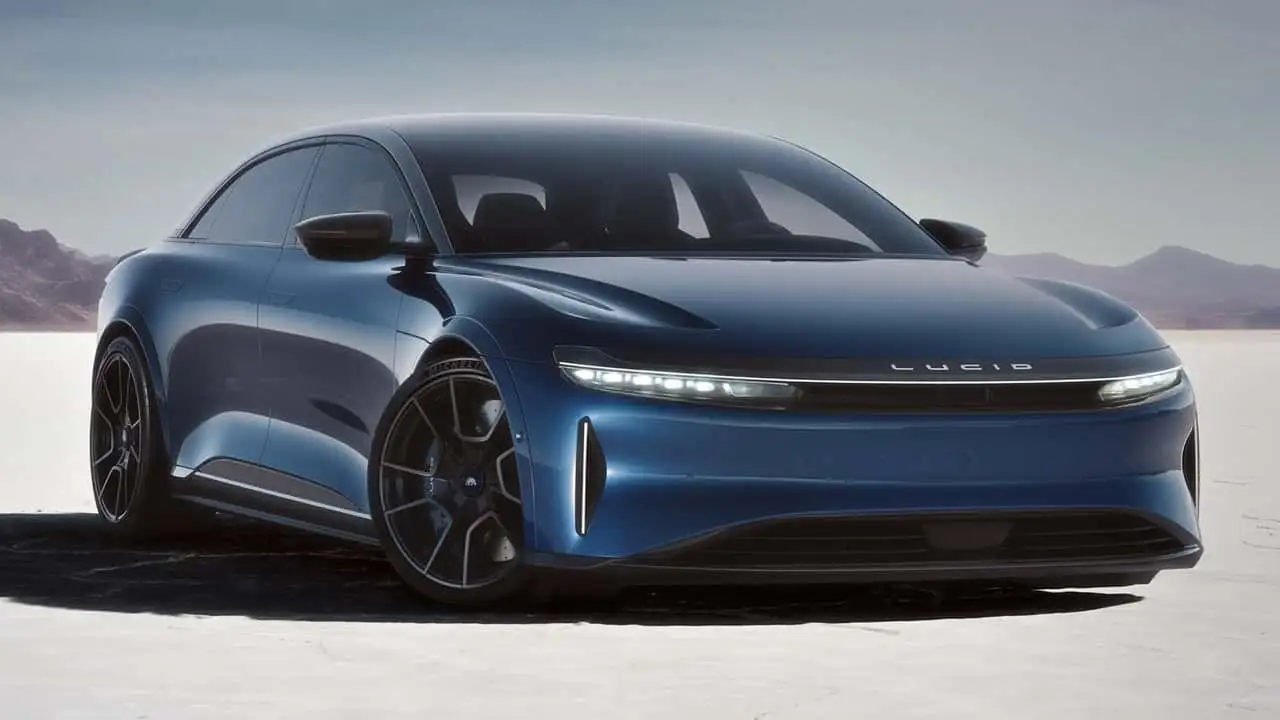
Lawmakers have passed SB 6354 with overwhelming support, opening direct EV sales in Washington to Rivian and Lucid.
If Governor Bob Ferguson signs it, both brands will be able to complete purchases inside their showrooms instead of sending customers elsewhere to finish the deal.
Until now, that wasn’t possible.
Customers could walk into a Rivian or Lucid showroom in Seattle, sit in the car, talk through specs and pricing.
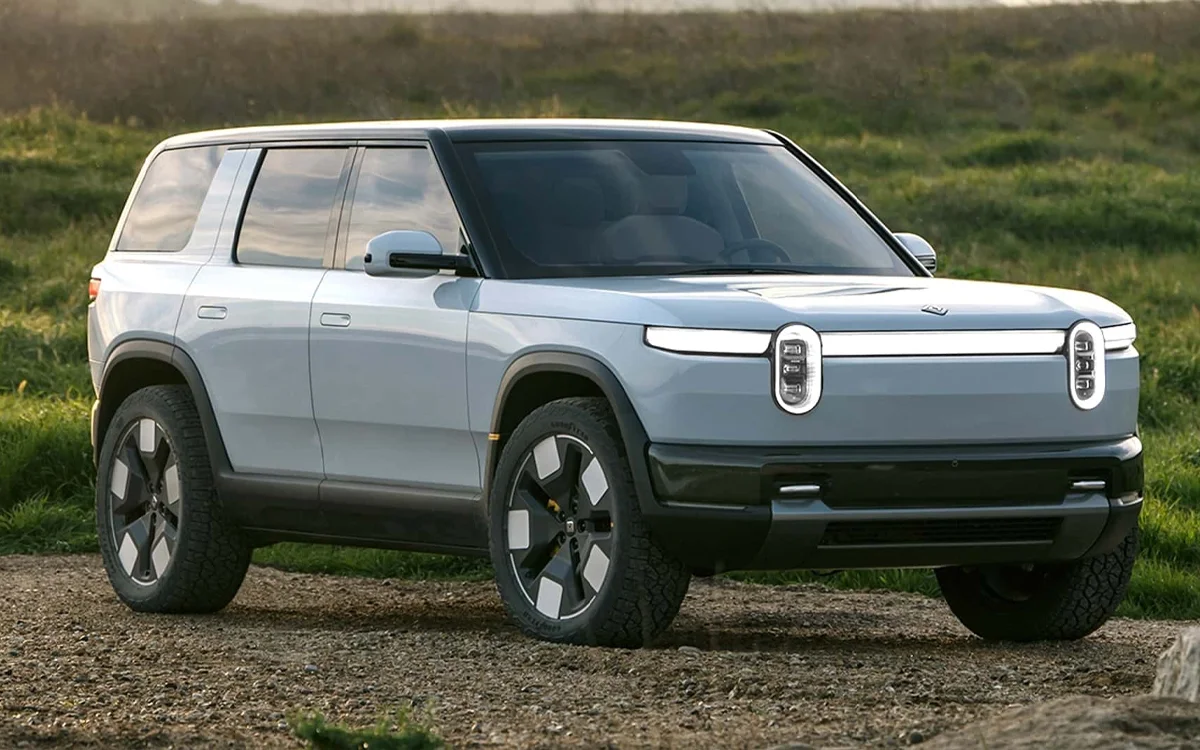
But the actual purchase had to happen online or out of state, with some buyers heading to Oregon to complete the process.
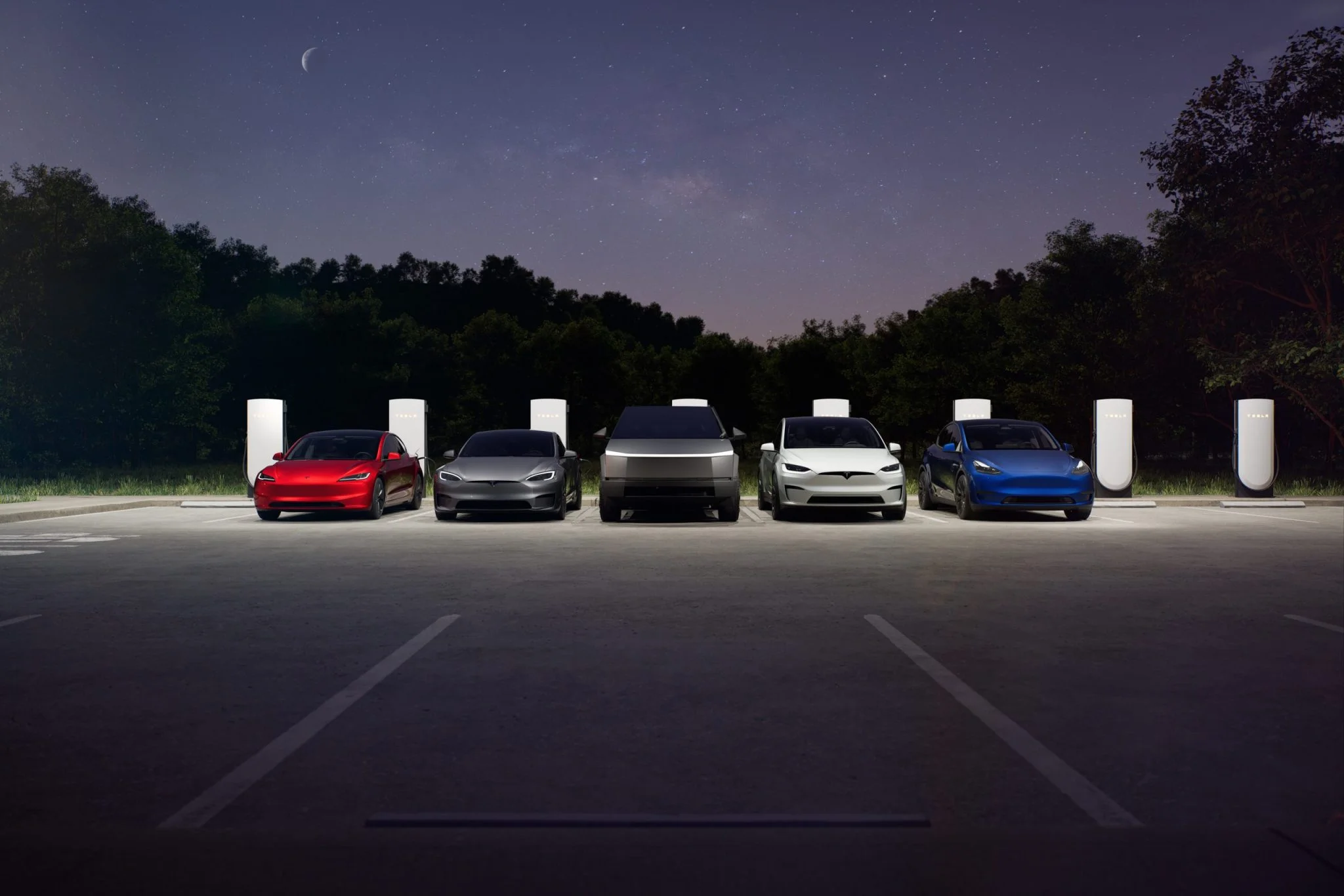
Tesla was the exception.
Since 2014, it’s been the only automaker allowed to sell directly to customers in Washington without going through dealerships.
The new rule changes that, but only within tight limits.
To qualify, a company has to be US-based, sell only electric vehicles, never have used franchised dealerships, run a service center in Washington, and already have at least 300 vehicles registered in the state before 2026.
Rivian, Lucid, and Tesla are the only three automakers to meet those parameters, meaning SB 6354 doesn’t extend to any others.
The move that forced Washington to change its EV sales rules
This didn’t all happen overnight.
For years, any attempt to expand direct sales in Washington ran into the same wall, with dealer groups pushing back and shutting it down.
What changed was Rivian’s approach.
The company put real pressure on the system, backing a $4.6 million ballot initiative that could have gone much further and opened direct sales far more broadly.
Faced with that possibility, dealers shifted from blocking to negotiating.
What came out of that is this compromise.
It opens the door, but only just enough to avoid a full shake-up of the dealership model.
Washington is now part of a wider trend playing out across the US, where states are slowly loosening restrictions on how EVs are sold.
It’s not a clean break, and it’s definitely not consistent, but the direction is starting to feel clearer.
For Tesla, it means losing a long-held edge in one of its established markets.
For Rivian and Lucid, it means finally selling cars the way customers expect, in the same place they first experience them.
And for everyone watching, it shows that the rules around EV sales aren’t fixed anymore.
DISCOVER SBX CARS: The global premium car auction platform powered by Supercar Blondie
With roles at TEXT Journal, Bowen Street Press, Onya Magazine, and Swine Magazine on her CV, Molly joined Supercar Blondie in June 2025 as a Junior Content Writer. Having experience across copyediting, proofreading, reference checking, and production, she brings accuracy, clarity, and audience focus to her stories spanning automotive, tech, and lifestyle news.