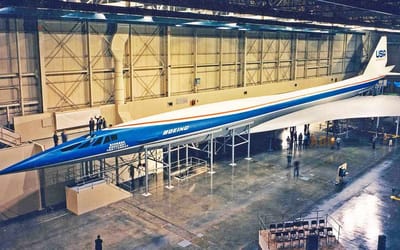
Man finds out what happens if Concorde nose visor failed during flight
Published on Jan 04, 2026 at 3:03 AM (UTC+4)
by Henry Kelsall
Last updated on Dec 24, 2025 at 1:50 PM (UTC+4)
Edited by
Mason Jones
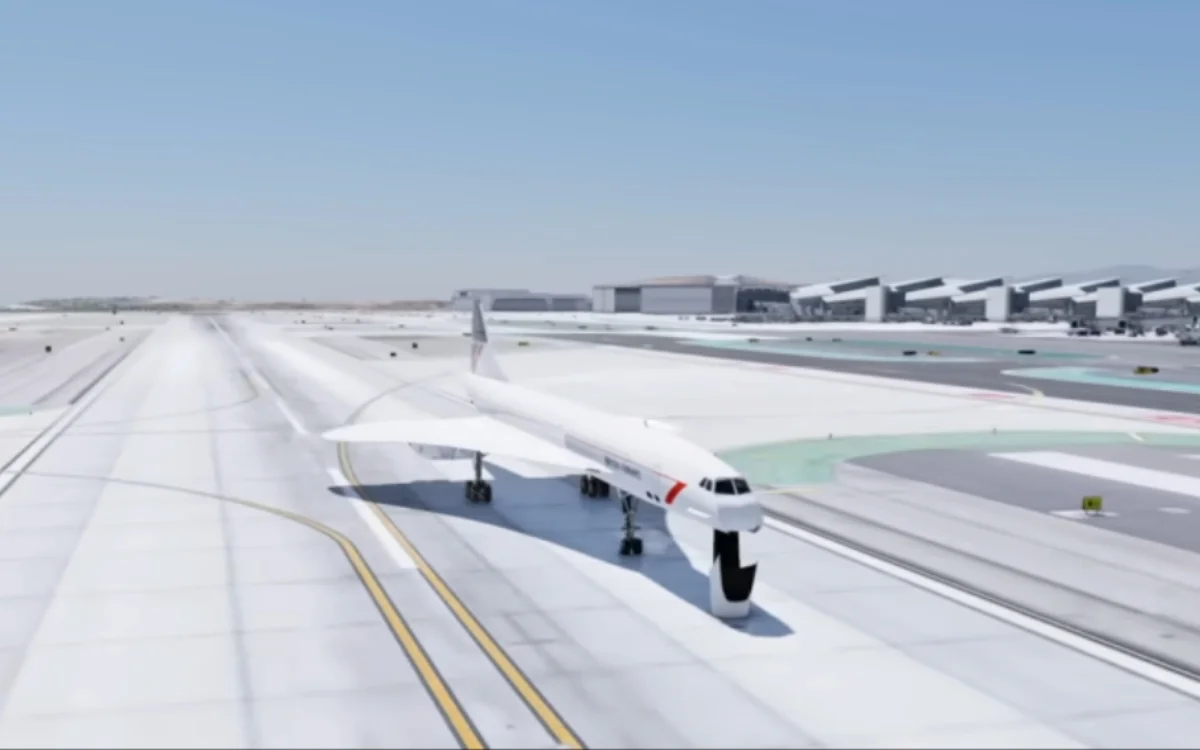

A YouTuber attempted to find out what would happen if the supersonic airliner Concorde lost its droop snoot nose.
YouTuber Swiss001 flew the aircraft in a flight simulator to see what it would look like if the iconic nose failed for some reason when the aircraft was in flight.
The drooping nose is one of the most famous parts of the aircraft, helping to give it its iconic look and aiding the pilots during takeoff and landing.
The Soviet Union even copied it for its own Tupolev Tu-144 supersonic airliner.
DISCOVER OUR SUPERCAR AUCTION SITE – View live auctions on SBX Cars
What is the purpose of the Concorde droop snoot?
With the nose fully retracted, visibility for pilots was poor during takeoff and landing.
The high angle of attack, how much it has to put its nose up, was another reason to add the droop snoot.
Pilots would lower it when on the ground and during takeoff, retract it in flight, and lower it again for landing.
It was a very clever solution to the visibility problem, and one of the aircraft’s biggest innovations.
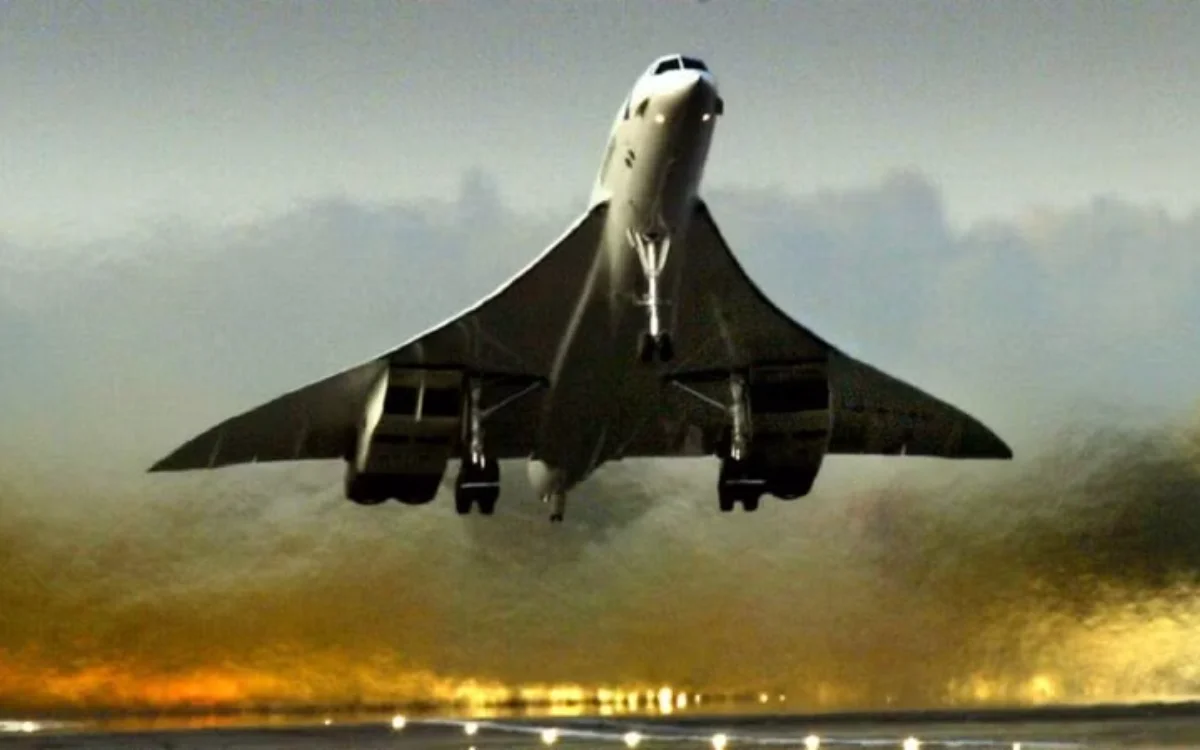
But if it did fail, what would it look like?
While it is quite crude, Swiss001 showed off what a noise failure could look like on Concorde.
A nose failure would not be ideal
The YouTuber tweaked some settings in the simulator to simulate a potential nose failure.
While it didn’t alter how the aircraft flew, it provided a visual representation of what it might look like.
With the nose gone, we see the round portion of the fuselage that it was attached to.
This resembles how the aircraft would have appeared during its construction in the 1960s.

A total failure in flight could have led to all sorts of issues.
The aerodynamics would be thrown off, and it could lead to further failures on the aircraft.
Thankfully, in real life, the drooping nose never did fail on the supersonic aircraft.
It is a testament to the engineering of Concorde that noone onboard ever had to worry about a nose failure.
Key milestones in Concorde’s supersonic story
1956: UK and France begin discussions for a supersonic passenger aircraft
1962: Official Anglo-French treaty signed to develop Concorde
1969: First Concorde prototype takes flight in Toulouse
1973: Concorde hits Mach 2 for the first time during testing
1976: First commercial flights launched with British Airways and Air France
1985: Concorde used for transatlantic VIP trips and iconic charters
1996: Fastest transatlantic crossing set—New York to London in 2h 52m
2003: Final commercial Concorde flight marks the end of supersonic travel
DISCOVER SBX CARS: The global premium car auction platform powered by Supercar Blondie
Henry joined the Supercar Blondie team in February 2025, and since then has covered a wide array of topics ranging from EVs, American barn finds, and the odd Cold War jet. He’s combined his passion for cars with his keen interest in motorsport and his side hustle as a volunteer steam locomotive fireman at a heritage steam railway.