This is why airlines don't own the planes they fly and who they actually belong to
Published on Dec 01, 2025 at 1:10 PM (UTC+4)
by Jason Fan
Last updated on Dec 01, 2025 at 6:52 PM (UTC+4)
Edited by
Ben Thompson
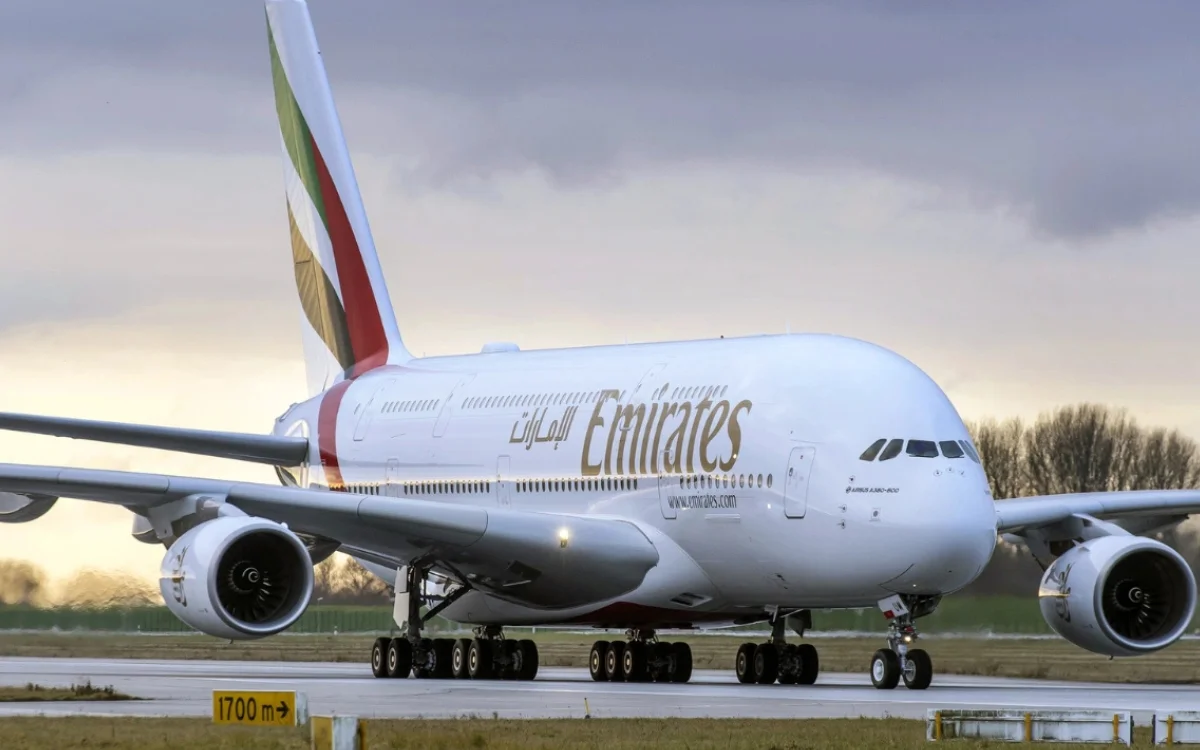

US airlines have a surprising secret hidden in plain sight: much of their fleets are the product of the multibillion-dollar world of airplane leasing.
As it turns out, many of the shiny jets decked out in familiar logos aren’t actually owned by the carriers that fly them.
In fact, nearly half of American Airlines’ mainline aircraft belong to someone else entirely.
And the trend is only growing as airlines tighten budgets, manage risk, and navigate an increasingly unpredictable industry.
SBX CARS – View live supercar auctions powered by Supercar Blondie
Leasing is a better financial option for many airlines
According to YouTube channel The Hustle, it wasn’t always this way.
Back in the 1970s, US airlines owned virtually every aircraft they operated.
But deregulation in 1978 flipped the industry upside down.
With government-guaranteed profits gone and competition suddenly ferocious, US airlines needed new financial strategies.
Leasing ended up being the logical solution, especially since commercial airplanes can get very expensive.
While an $80 million private jet is already very fancy, it pales in comparison to planes like the Airbus A380, which can cost upward of $350 million apiece.

By leasing, airlines save themselves the trouble of spending billions upfront, and avoid massive down payments, long-term loans, and years of accounting headaches.
From an airline CFO’s perspective, leasing solves almost every financial migraine.
It provides a predictable monthly bill, often between $400,000 and $1 million, that can be written off like any other expense.
And when demand drops or markets shift, leased jets can simply be handed back instead of sitting idle.
Airplane leasing is a multi-billion dollar industry
Of course, the companies doing the leasing have their own game to play.
They spread risk across dozens of airlines, meaning one carrier’s bankruptcy won’t sink the whole operation.
Today, consolidation has created a handful of giants like AerCap, Avolon, and Air Lease Corporation, each managing hundreds to thousands of aircraft worldwide.
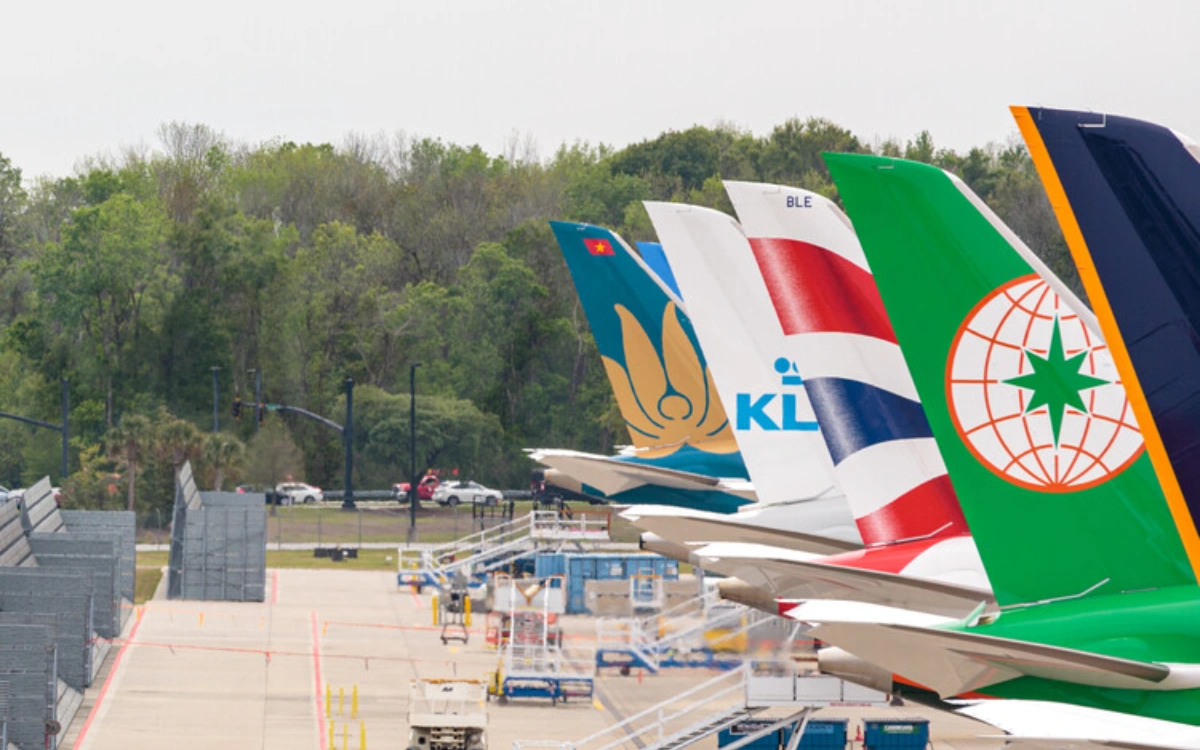
Interestingly, most of these airplane leasing companies are based in Ireland, lured by low corporate taxes, friendly regulations, and international tax treaties that make their business vastly cheaper.
It’s why nearly half of the world’s leased planes technically ‘live’ in Ireland, even if none of them ever touch its runways.
But what does this mean for passengers?
Well, nothing much, really.
‘Dry’ leases mean that the airline still operates, maintains, and is liable for the plane as if it were its own.
This means that when an aircraft accident does happen, like the infamous MH370 incident, the airline is responsible, rather than the lessor.
Think of them as aviation’s invisible landlords: quietly collecting rent, while airlines focus on ferrying passengers across the world.
DISCOVER SBX CARS: The global premium car auction platform powered by Supercar Blondie