This is why all drivers should follow the 7-7 rule for tires even if most don't actually know what it is
Published on Apr 04, 2026 at 8:36 AM (UTC+4)
by Jason Fan
Last updated on Apr 01, 2026 at 1:42 PM (UTC+4)
Edited by
Amelia Jean Hershman-Jones
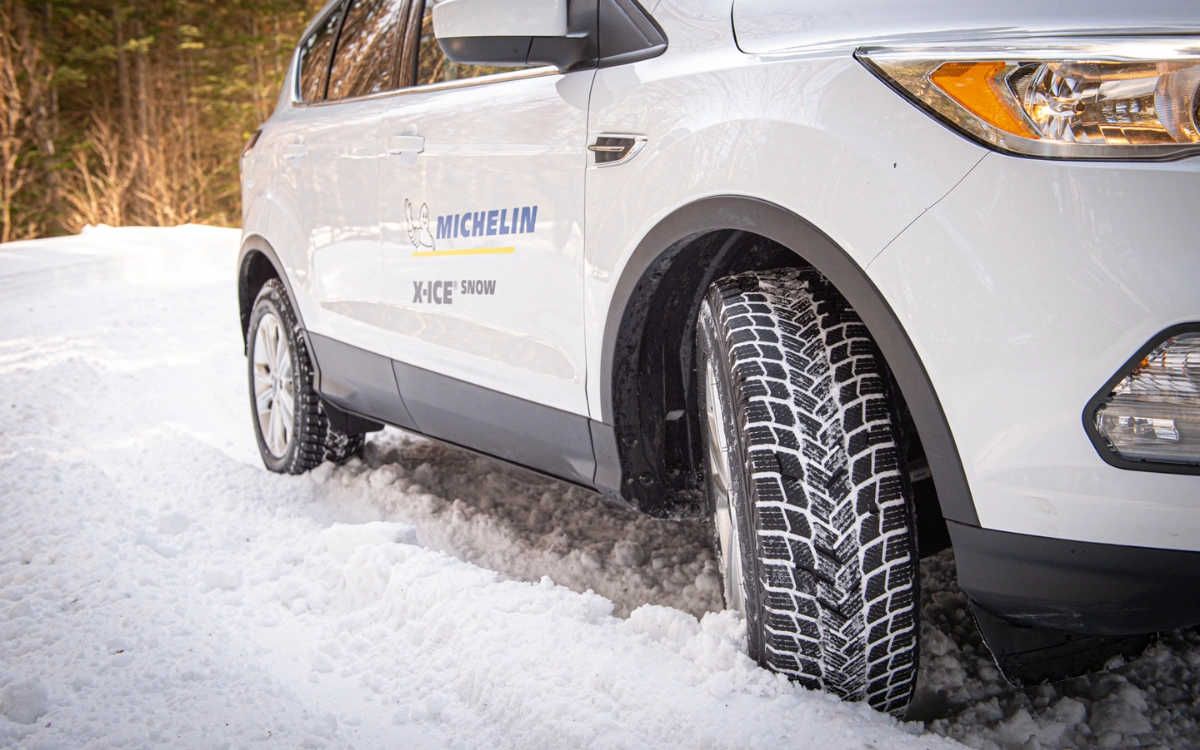

The 7-7 rule for tires might not be common knowledge, but knowing when to change to winter tires keeps drivers safe when temperatures drop.
In most jurisdictions, there’s usually no strict law mandating when you need to switch your car’s tires.
Hence, the 7-7 rule comes in handy for knowing when to do so.
And if you choose to ignore it, consequences can show up at the worst possible time.
Enter our competition to win a stunning 2006 Ford GT or $400,000 cash!
What exactly is the 7-7 rule?
The rule suggests switching to winter tires once daily temperatures sit at or below 7°C, or about 45°F, for seven consecutive days.
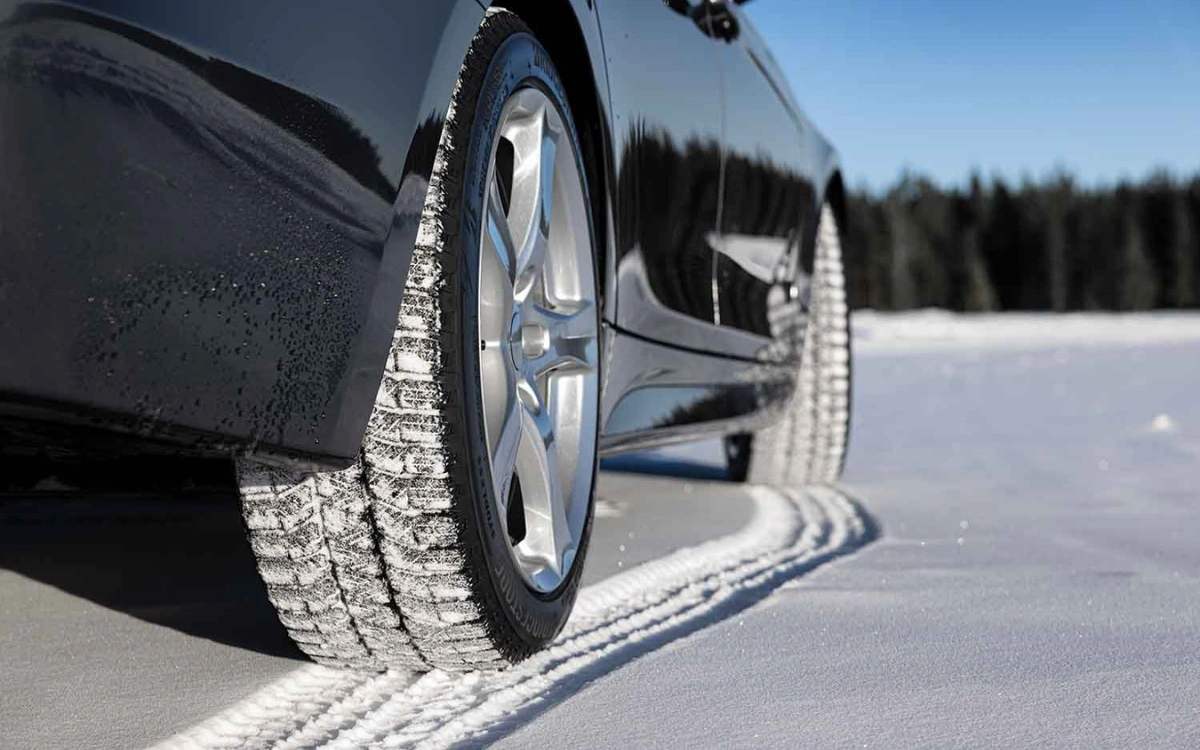
The same logic works in reverse when things warm up again.
You don’t need to be precise, but the rule gives drivers an easy benchmark to follow without obsessing over forecasts.
The science behind it is straightforward.
Winter tires use a softer rubber compound that stays flexible in cold conditions, allowing them to grip the road far better than other tire types.
Summer and all-season tires, on the other hand, tend to harden as temperatures drop, reducing traction right when it is needed most.

Add in deeper tread patterns designed to bite into snow and slush, and winter tires clearly have the advantage when roads turn unpredictable.
Of course, that performance comes with trade-offs.
When temperatures climb above that 7°C threshold, winter tires wear down much faster.
Their softer compound is not designed for warm, dry pavement, and handling can feel less precise.
That is why the timing of the switch matters just as much as the switch itself.
Convenience comes at the cost of performance
For those who prefer to stick with all-season tires year-round, the results are often mixed.
These tires sit in the middle ground, offering decent performance in mild conditions but struggling when things get extreme.
Tests show that vehicles equipped with winter tires stop significantly shorter on cold roads compared to those running all-seasons, highlighting just how big the difference can be in real-world situations.
There are also alternatives like all-weather tires, which blend elements of both categories.
They work well in regions with shorter or less severe winters, offering a compromise for drivers who do not want to swap tires twice a year.
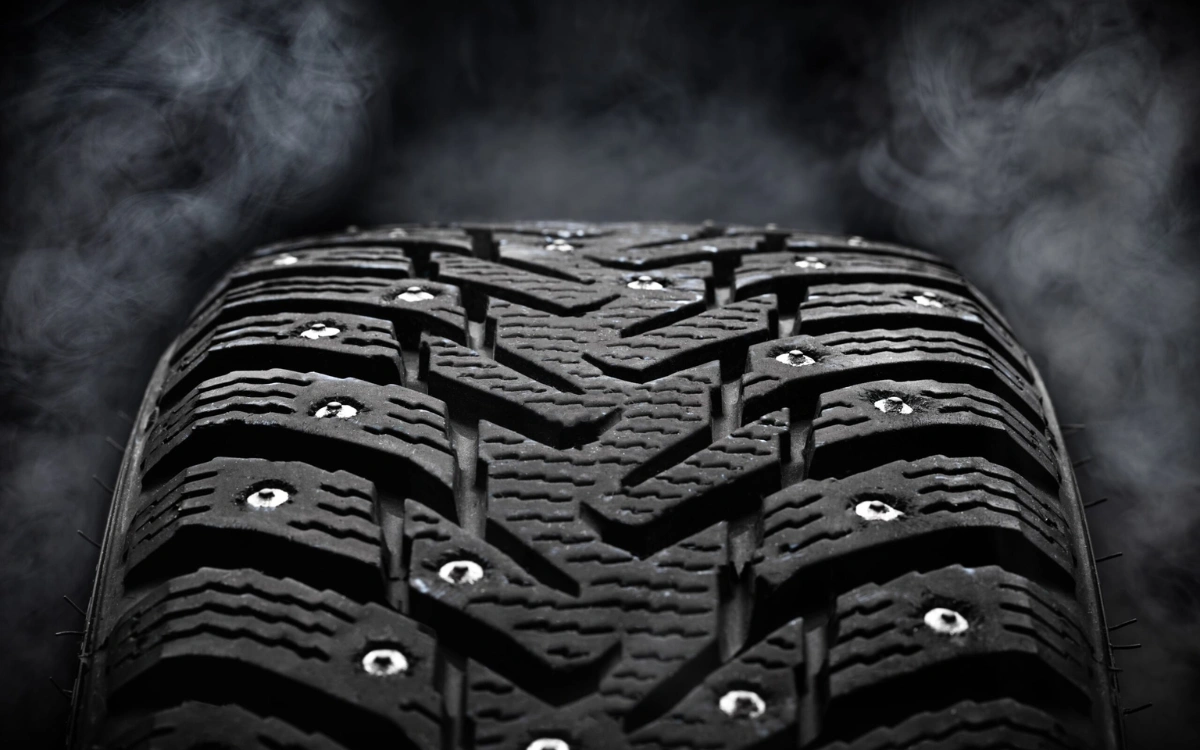
Meanwhile, the debate between studded and studless winter tires adds another layer, with studded versions excelling on ice but bringing more noise and restrictions in some areas.
In the end, the 7-7 rule, despite its name, is more of a guideline.
You don’t necessarily need to follow it, although it could save you from being caught off-guard by the weather.
DISCOVER SBX CARS: The global premium car auction platform powered by Supercar Blondie