Why German Autobahn has no speed limits is a story of symbolism and freedom
Published on Oct 19, 2025 at 12:50 PM (UTC-4)
by Alessandro Renesis
Last updated on Oct 19, 2025 at 12:50 PM (UTC-4)
Edited by
Emma Matthews
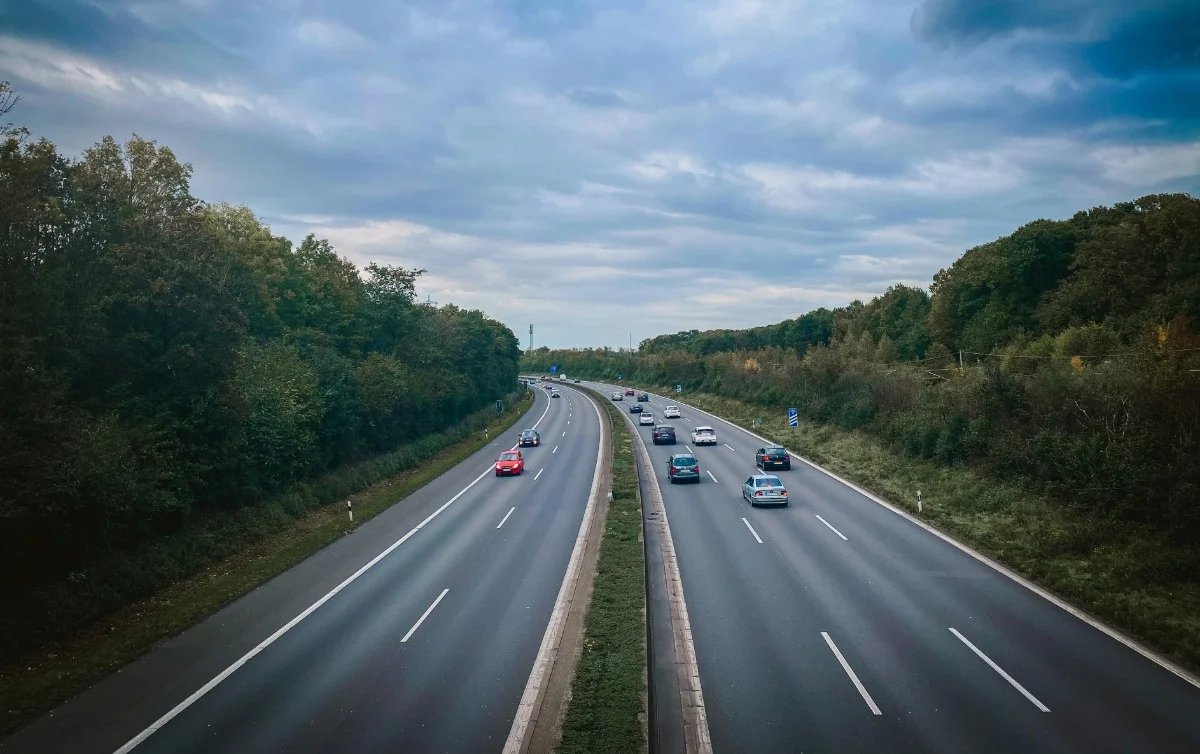

The German Autobahn is famously – mostly – unrestricted, and there are a few reasons behind this anomaly.
In theory, anybody can drive their car as fast as they want in parts of Germany.
And this is a rule that’s been in place for about 70 years.
The main reason, surprisingly, is for the most part just symbolic.
DISCOVER SBX CARS: The global premium car auction platform powered by Supercar Blondie
Why there’s no speed limit on the German Autobahn
Well over 50 percent of the highway network in Germany is unrestricted, meaning there are no speed limits and you’re legally allowed to drive your car as fast as it can go.
Germany is one of the few places in the world where that’s allowed.
It all started in 1952, when the government of West Germany removed all speed limits on the highway to symbolize freedom in contrast with East Germany’s somber, rule-bound society.
And back then, cars weren’t really that quick anyway.

Over the years, the unrestricted German Autobahn evolved into something you could call a ‘soft power’ move.
The idea was to convey the message that German motorists are so disciplined they don’t need speed limits, and that German manufacturers make great cars and so they kind of need unrestricted highways to test them.
And they’re not wrong, actually.
Statistics show that despite having few speed limits, the German Autobahn is one of the world’s safest highway networks.
Related


Other places with no speed limits
There are famously only two places in Europe with no speed limits, the German Autobahn and the Isle of Man in the UK.
More than half of the total length of the Autobahn has no speed limit at all, which means that both manufacturers and private collectors can take advantage of this unique feature.
It also means that driving your supercar at 200mph or more on the Autobahn may be frowned upon, but it’s not illegal.
Technically, there’s no national speed limit in Bulgaria, but in reality, local speed limits almost always apply.
So that kind of doesn’t count.
Alessandro is an automotive journalist with 10 years of experience covering supercars, automotive history, emerging vehicle technology, and luxury transportation. He wrote the first article published on SupercarBlondie.com when the website launched in 2022 and has since built a reputation for insightful reporting across the automotive and transportation industries. His expertise is grounded in hands-on experience. Alessandro has driven every Tesla model ever produced, from the original Roadster to the Cybertruck, and regularly covers the latest developments in electric vehicles and automotive innovation. His passion for transportation extends beyond cars, he has even flown a Boeing 787 Dreamliner simulator in Addis Ababa, Ethiopia. His reporting spans everything from classic American muscle cars and rare automotive discoveries to luxury yachts, private aircraft, high-end watches, and cutting-edge vehicle technology. Known for his deep knowledge of automotive history and ability to uncover the stories behind iconic vehicles, Alessandro brings readers a blend of historical context, technical expertise, and first-hand experience.