World's largest amount of lithium that's worth $1,500,000,000,000 is currently underneath an Oregon supervolcano
Published on Dec 04, 2025 at 1:15 PM (UTC+4)
by Alessandro Renesis
Last updated on Dec 04, 2025 at 9:25 PM (UTC+4)
Edited by
Mason Jones

Lithium is the new gold, mainly because every single electric car in the world needs plenty of it.
At least with current technology.
But lithium isn’t the sort of thing you can buy from CostCo or find in a shoebox you forgot about.
And that’s why the fact that scientists have just discovered a massive deposit somewhere in the middle of nowhere in Nevada is really good news.
DISCOVER SBX CARS: The global premium car auction platform powered by Supercar Blondie
What the discovery means for EVs
Lithium is the lightweight fuel behind rechargeable batteries.
Demand is sky-high right now, and this is is basically the new gold.
It’s easy to understand why.
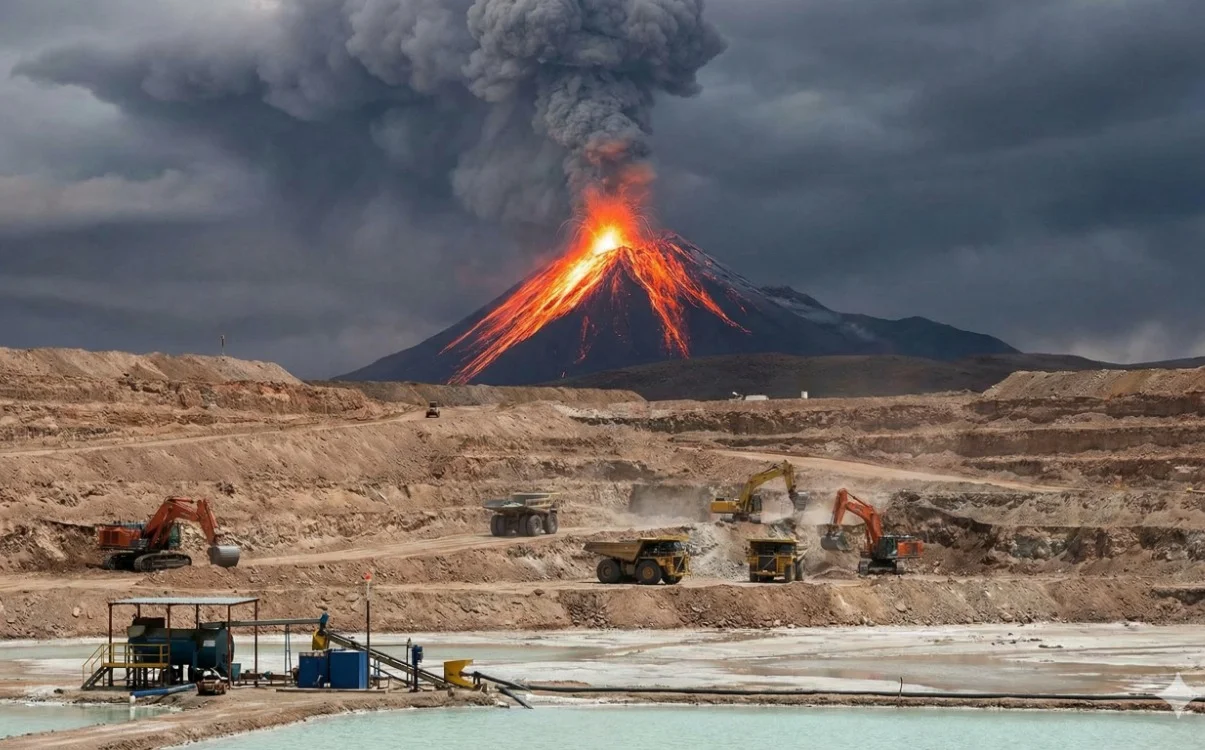
There are roughly 1.5 billion passenger cars on the road today, and around 60 million of those are electric.
But that number is going up every day, and each and every single one of these electric cars needs this precious chemical element – and a lot of it.
Projections show worldwide consumption could surge to one million tons a year by 2040, an eightfold jump from current levels.
Lithium currently trades at about $37,000 per ton, which sounds cheap, but that’s changing.
This is the largest lithium deposit in the world
Scientists have uncovered what may be the largest lithium deposit in the world.
It is located beneath the McDermitt Caldera, an ancient supervolcano on the Oregon-Nevada border.
They are estimating that the lithium contained in the crater could be worth up to $1.5 trillion.
We call it a ‘volcano’ to simplify things, but the McDermitt Caldera is more like a crater – the result of a massive volcano that erupted eons ago and then collapsed.
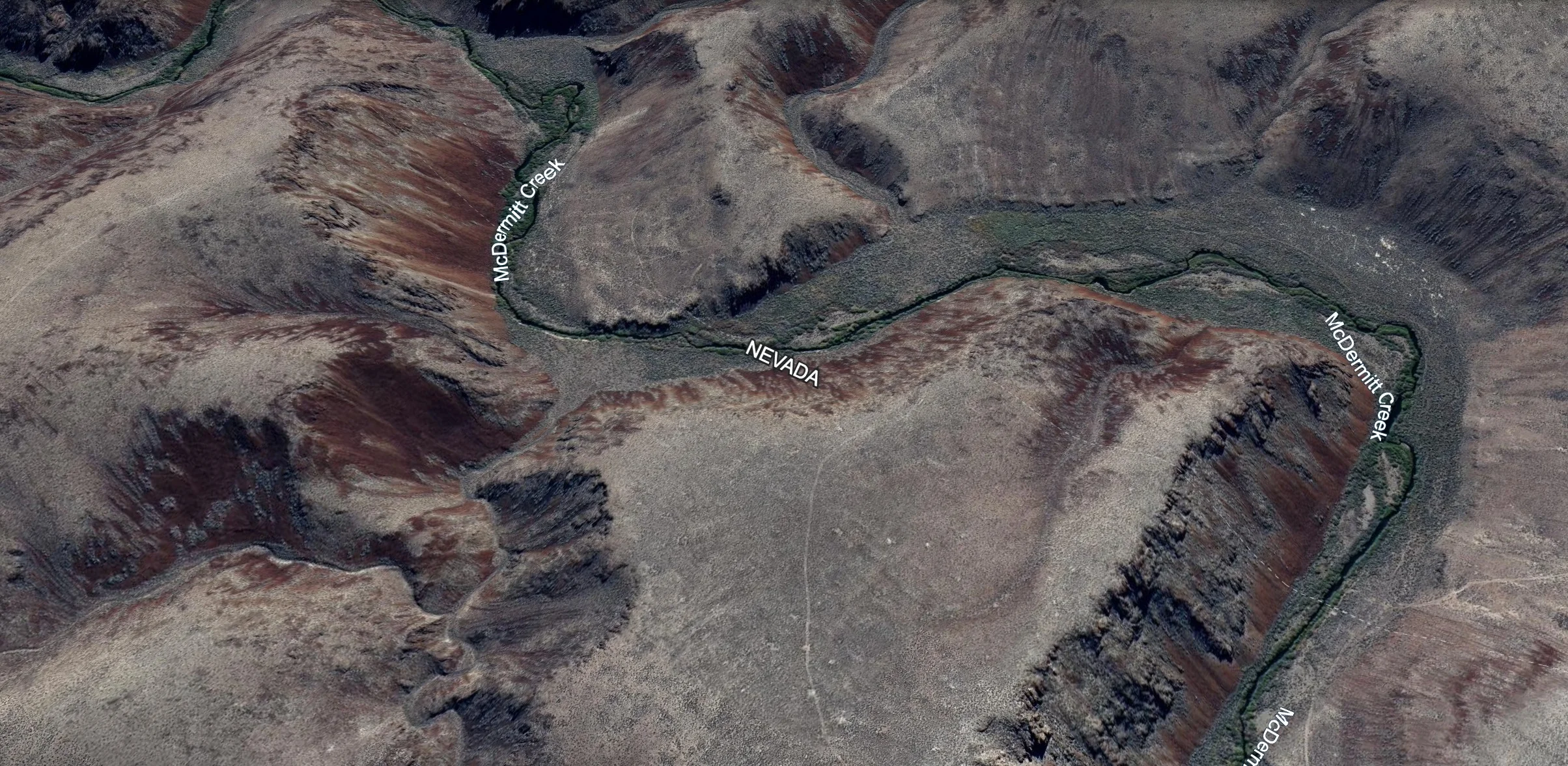
Spanning 28 miles north-south and 22 miles east-west, the McDermitt Caldera (above, as seen from Google Earth) is the result of a cataclysmic eruption that occurred millions of years ago
Over millennia, mineral-rich volcanic waters deposited lithium.
Now comes the hard part: extracting it and turning it into usable power for batteries.
After beginning his automotive writing career at DriveTribe, Alessandro has been with Supercar Blondie since the launch of the website in 2022. In fact, he penned the very first article published on supercarblondie.com. He’s covered subjects from cars to aircraft, watches, and luxury yachts - and even crypto. He can largely be found heading up the site’s new-supercar and SBX coverage and being the first to bring our readers the news that they’re hungry for.