World's most remote EV charging point is in a small island most people don't know exist
Published on Jan 03, 2026 at 4:12 AM (UTC+4)
by Jason Fan
Last updated on Dec 23, 2025 at 4:57 PM (UTC+4)
Edited by
Mason Jones

The world’s most remote EV charging point now has Subaru and Easee to thank for putting it on the EV map.
It’s not the sort of place you’d expect cutting-edge charging tech to appear.
After all, this island is most famous for being the place for Napoleon’s exile, and the whole point was that the island was as far away from civilization humanly possible.
Somehow, that’s exactly what makes this little Atlantic outpost the perfect testing ground.
SBX CARS – View live supercar auctions powered by Supercar Blondie
Where is the world’s most remote charging point?
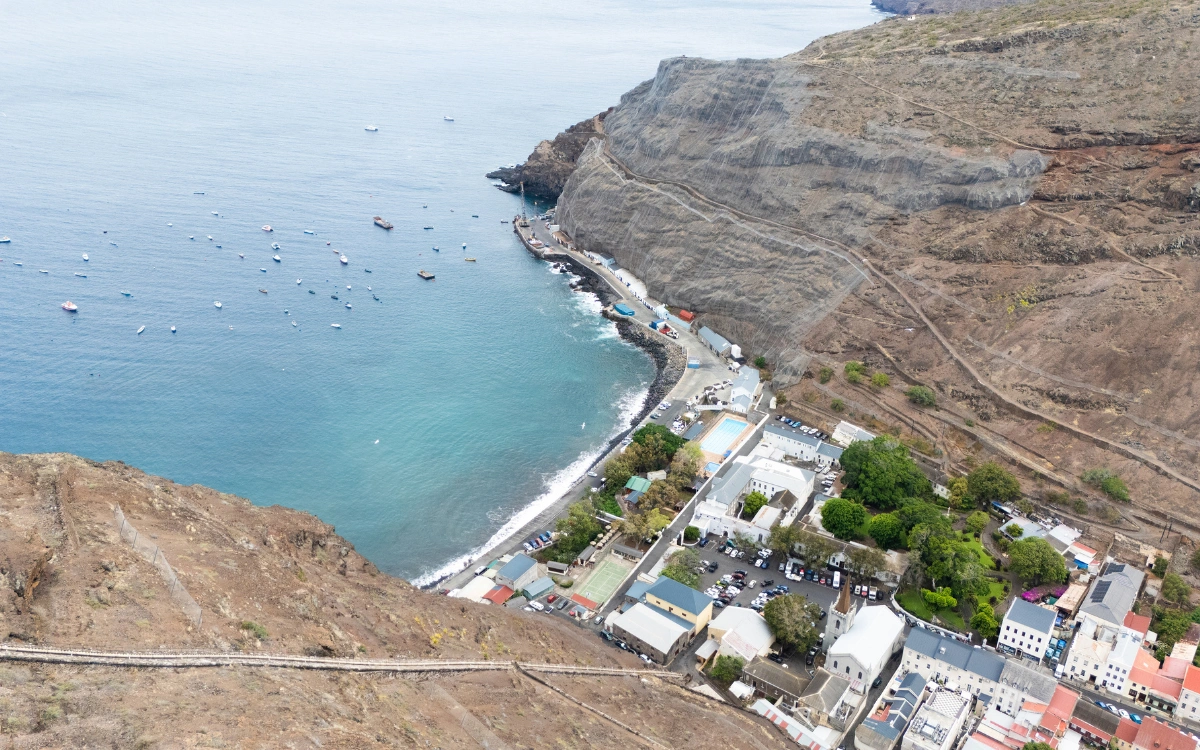
Tucked away on the far-flung island of St. Helena, the ambitious project is the result of a three-way collaboration between Subaru, Norwegian charger-maker Easee, and the local Government.
Their mission was to figure out whether modern EV infrastructure can thrive in a place where nearly everything, from food to fuel, arrives once a month on a supply ship.
For two months, an Easee Charge station was installed outside the Museum in Jamestown, hooked up to the local grid.
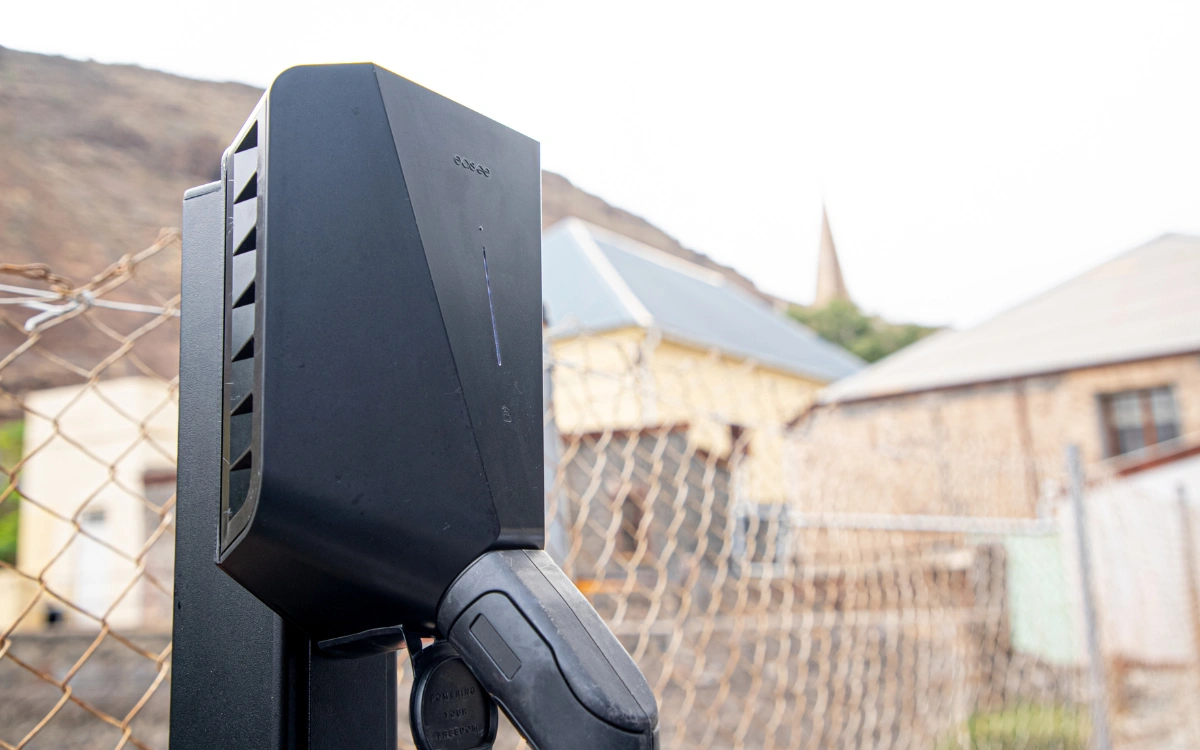
This single charging station was tasked with powering Subaru’s all-electric Solterra over volcanic slopes, tight lanes, and rugged gravel roads.
If an EV can make it here, it can probably make it anywhere.
Subaru’s Solterra exceeded all expectations.
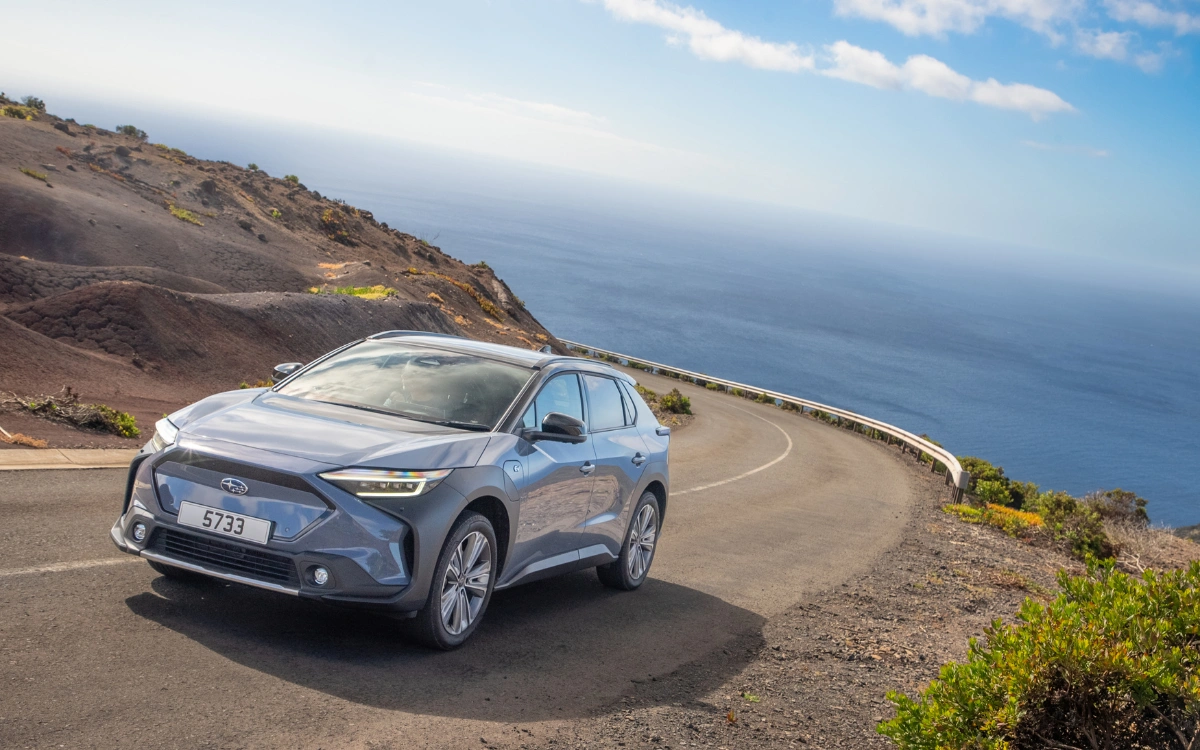
Known for favoring Subaru’s tough, old-school gas models, residents were surprised by how easily the EV handled the island’s steep climbs and twisting descents.
A full day of island driving adds up to around 50 miles, and the Solterra used less than 20 percent of its battery doing it.
Its regenerative braking system, which recharges the battery while coasting downhill, turned St. Helena’s terrain into a natural energy booster, which is perfect for an island shaped like a mountain.
Why the world’s most remote EV charging point is the perfect testing ground
For St. Helena, the trial had more important implications than simply testing an EV charger.
The island currently generates about 25 percent of its electricity from wind and solar, with a target of reaching 80 percent by 2028.
Diesel generators still supply the rest, costing more than $6 million per year in imported fuel.
Going electric isn’t just environmentally ideal; it could make St. Helena far more self-sufficient.
Easee, meanwhile, sees the the world’s most remote EV charging point as the ultimate stress test for its hardware.
If a charger can withstand St. Helena’s isolation, salty air, and logistical hurdles, it sends a pretty strong message to remote communities everywhere: EVs aren’t only for cities.
And it’s no surprise that the Norwegian company is investing resources into improving its chargers, given how 97 percent of all new cars sold are EVs in Norway.
DISCOVER SBX CARS: The global premium car auction platform powered by Supercar Blondie