The 2026 Hyundai Venue is officially the cheapest new car you can buy in America for $20,550
Published on Jan 05, 2026 at 7:09 AM (UTC+4)
by Jason Fan
Last updated on Jan 05, 2026 at 10:59 AM (UTC+4)
Edited by
Kate Bain

At a time when $50,000 cars feel increasingly normal, the 2026 Hyundai Venue swoops in as the cheapest new car on sale in America.
With a starting MSRP of $20,550, this pint-sized SUV makes getting behind the wheel of a brand-new vehicle more accessible than it has been in years.
In a market where average new car prices hover near record highs, the Venue is the value buy that many buyers have been crying out for.
And while it may be affordable, it doesn’t skimp on the essentials that make everyday driving pleasant and practical.
SBX CARS – View live supercar auctions powered by Supercar Blondie
The 2026 Hyundai Venue offers more bang for your buck
Under the hood, the Venue keeps things simple and efficient.
Powered by a 1.6-liter four-cylinder engine paired with a smooth continuously variable automatic transmission (CVT), it produces around 121 horsepower and returns about 31 mpg combined.
This may not be the fastest car around, but it’s more than enough for city commutes and suburban errands alike.
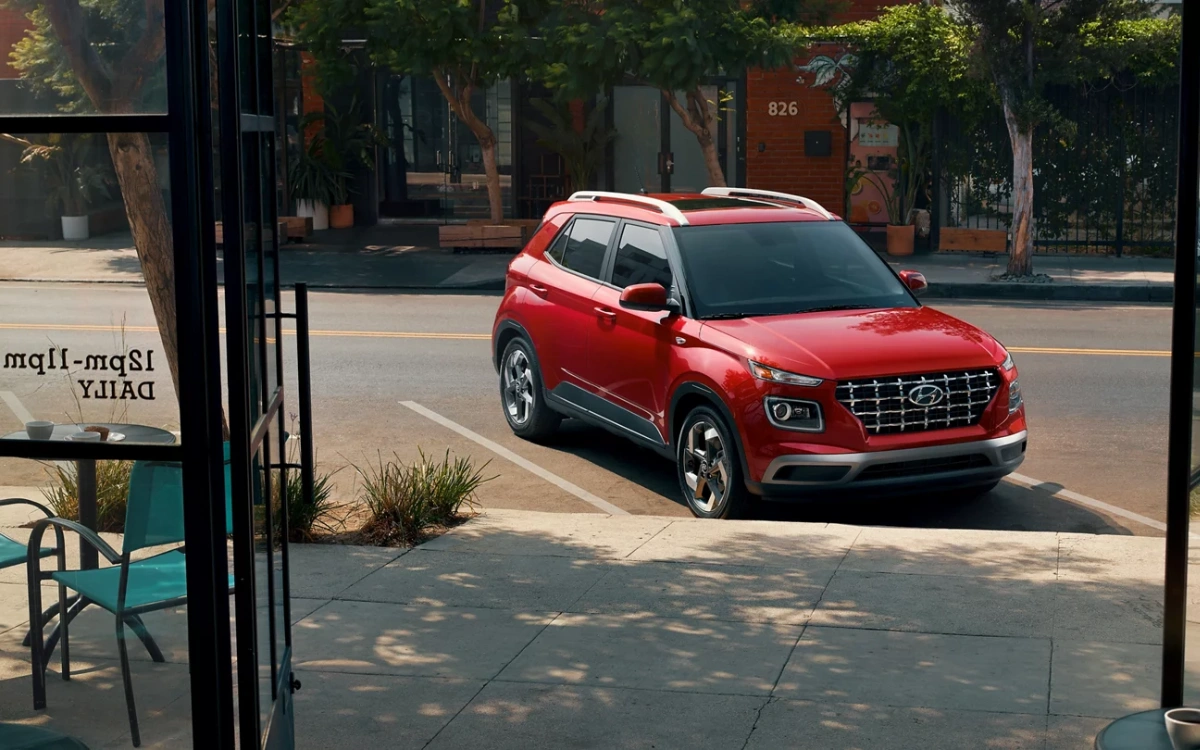
Standard front-wheel drive helps keep costs down (and sticker shock low), although those wanting all-wheel capability will need to look elsewhere.
Inside, the Venue surprises with thoughtful features you might not expect at this price point.
The cabin seats five, and includes an 8-inch touchscreen infotainment system with wireless Apple CarPlay and Android Auto, Bluetooth, and a six-speaker audio system.
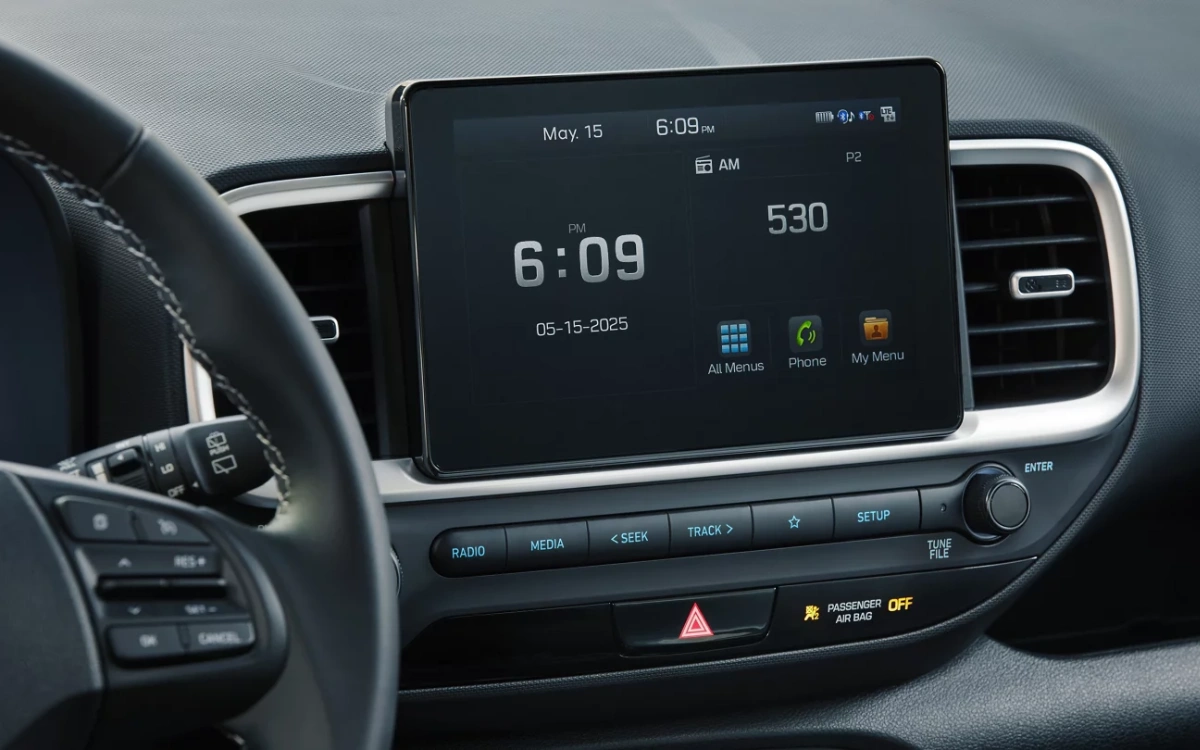
The SE trim keeps it lean and functional, while the SEL adds nicer touches like heated front seats, dual-zone automatic climate control, keyless entry, and a wireless charging pad.
Cargo space is respectable for its class, with room for groceries, gear, or weekend bags.
While the 2026 Hyundai Venue is the cheapest new car you can get your hands on, there are a couple of options that are in the same price range.

Competitors include the Nissan Kicks, a subcompact Crossover SUV that retails for $22,430, and the Chevrolet Trax, a compact SUV that will cost you $21,700.
These rivals might bring more power or tech bells and whistles, but they’re also slightly more expensive.
Why are new cars so pricey in the US?
Over the past decade, the price of a new vehicle in the US has climbed dramatically.
In 2025, the average American buyer was paying around $48,800 to $50,000 for a new car, with some reports showing that it exceeded $50,000 for the first time ever.
Several key factors have helped push prices to those lofty levels.
Firstly, buyers today overwhelmingly prefer larger, more expensive vehicles like SUVs, crossovers, and trucks over small sedans.
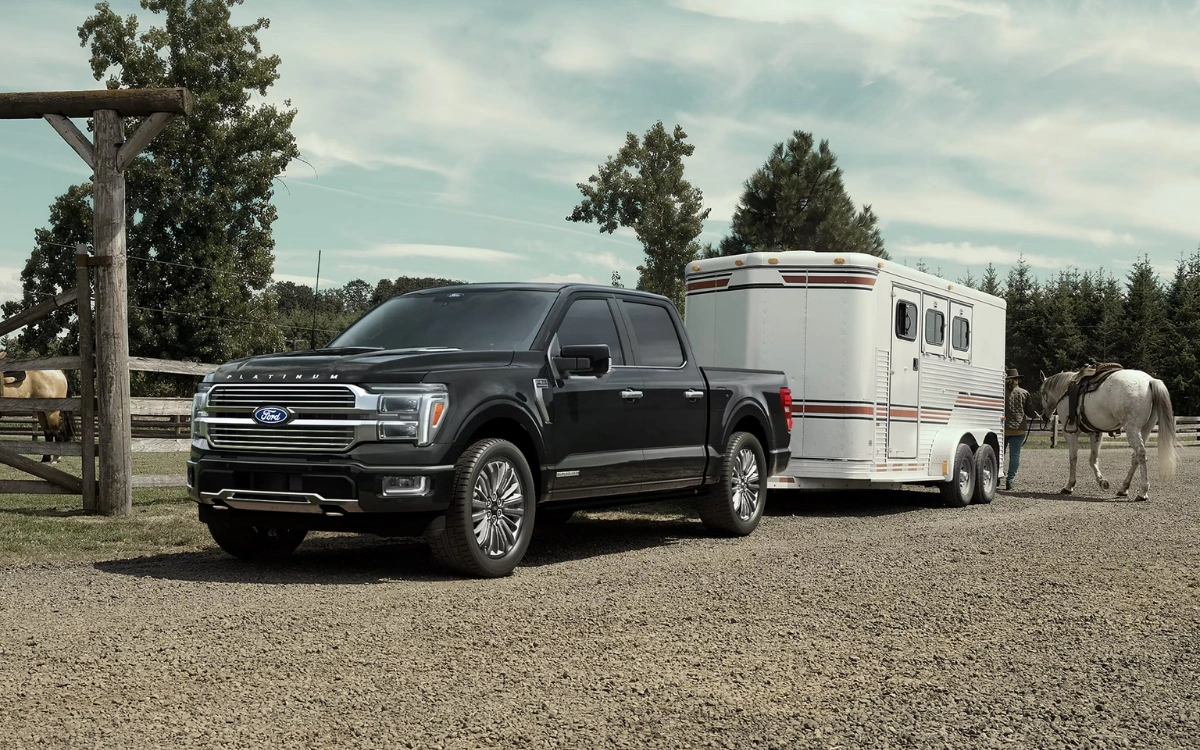
Because those models have higher base prices, the average transaction price gets pulled up, even if the prices of some individual models haven’t changed much.
Modern cars also come loaded with advanced safety, infotainment, and driver-assistance features that simply didn’t exist a decade ago.

In addition, the rapid growth of electric vehicles has added more expensive components, especially batteries, into the average vehicle mix.
Inflation has also increased the cost of raw materials and labor, and tariffs on imported parts and vehicles have also prompted price increases as manufacturers pass those costs onto buyers.
Together, these trends mean that the ‘affordable’ new car, which was once commonly under $20,000, has largely vanished.
In fact, getting your hands on affordable used cars is also getting more difficult, making the 2026 Hyundai Venue stand out for being the cheapest new car in America.
DISCOVER SBX CARS: The global premium car auction platform powered by Supercar Blondie