This type of car is now required to have snow chains if you live in Colorado
Published on Dec 23, 2025 at 9:48 AM (UTC+4)
by Jason Fan
Last updated on Dec 24, 2025 at 12:10 PM (UTC+4)
Edited by
Kate Bain

Snow chains have always been important in Colorado, but a new update means the rules now affect everyday drivers not just truckers.
After years of targeting commercial trucks, the state is tightening traction laws to deal with unprepared passenger vehicles.
Recent multi-dozen-car pileups on I-70 drove the point home in dramatic fashion.
Now, if you drive a specific type of car through the mountains in winter, you’re expected to be ready to chain up just like a trucker.
SBX CARS – View live supercar auctions powered by Supercar Blondie
What the new snow chains rule means for Colorado drivers
Under the updated rules, any two-wheel-drive (2WD) vehicle traveling on I-70 between Dotsero and Morrison from September 1 through May 31 must carry a set of snow chains or an approved traction device.
That includes both front-wheel-drive and rear-wheel-drive cars.
The law doesn’t mean chains must be installed the entire season.
However, drivers must have them in the vehicle, and be ready to use them whenever the Colorado Department of Transportation (CDOT) or Colorado State Patrol (CSP) activates the Passenger Vehicle Traction or Chain Laws during bad weather.
Why the change?
Officials say a large percentage of winter closures and traffic backups are caused by passenger cars getting stuck in snowstorms.
When conditions deteriorate, commercial drivers are used to pulling over and chaining up.
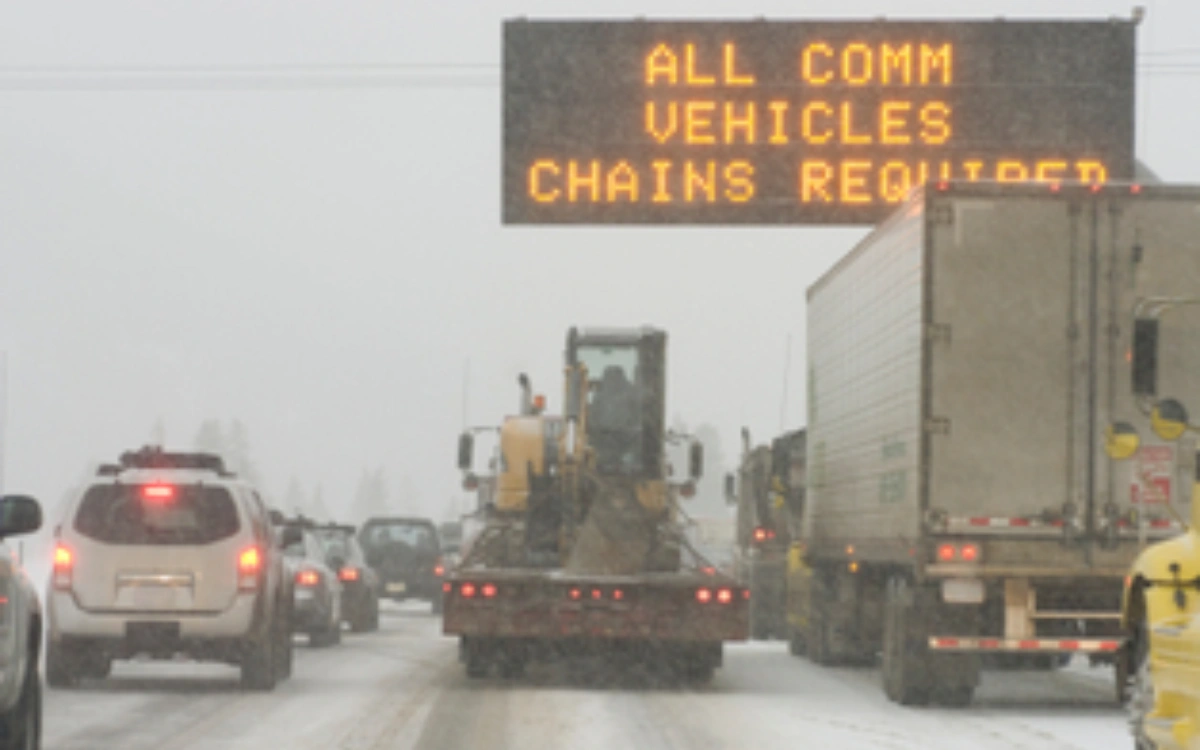
Now, 2WD passenger vehicles are expected to follow the same playbook, instead of becoming rolling roadblocks.
If you fail to comply, it’s going to cost you.
Drivers caught without chains when required face a $50 fine, plus a surcharge.
If your unprepared vehicle ends up blocking traffic, penalties can climb as high as $500.
Suddenly, that set of chains looks like a bargain.
The stricter rules target your tires too
All-wheel drive (AWD) and four-wheel drive (4WD) vehicles aren’t getting a free pass either.
While they don’t need to carry chains under standard traction law activation, they must run proper tires: winter-rated, all-weather, or M+S tires with at least 3/16-inch of tread.
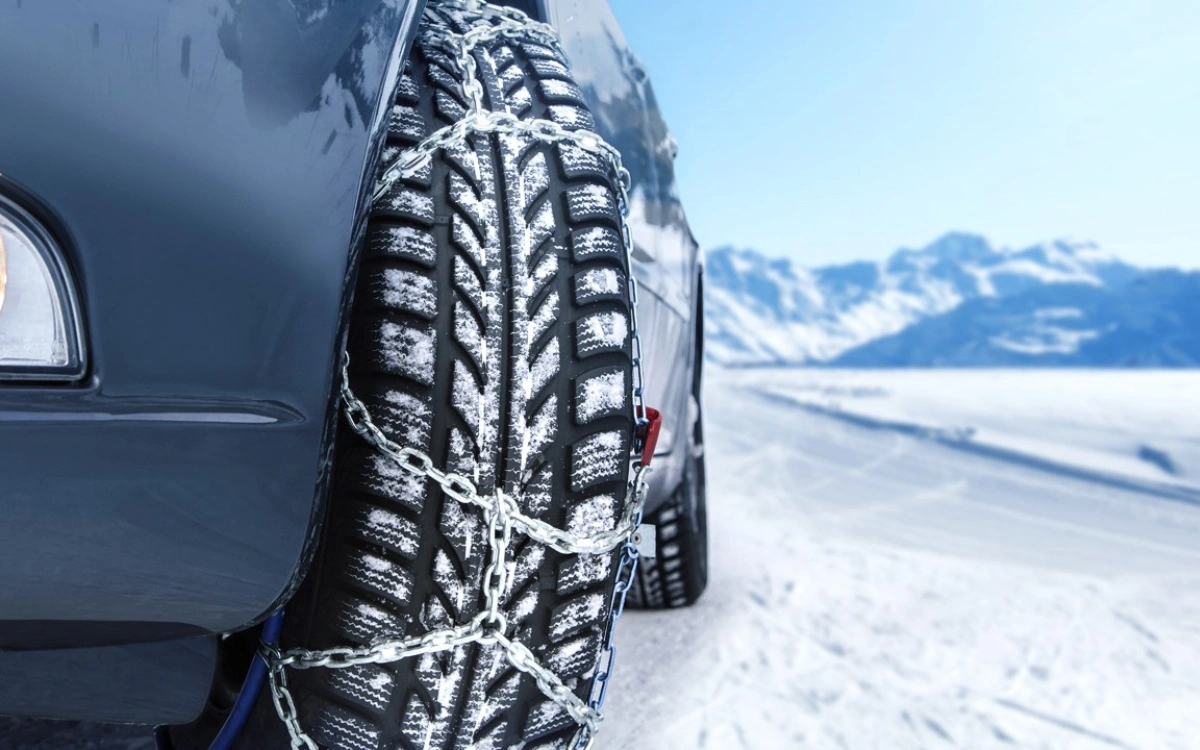
According to the law, AWD with bald tires will be treated the same as a 2WD with no chains.
After all, having the wrong tires on in winter can make things rather tricky, not to mention dangerous.
And when conditions get extreme and the Passenger Vehicle Chain Law is activated, every vehicle on the road, regardless of the drivetrain, must chain up.
In addition, officials strongly recommend practicing installation of your snow chains at home before winter hits.
After all, you don’t want to be learning from a YouTube video on the road shoulder during a blizzard.
They also recommend you to slow down, leave extra space, and clear all snow from your vehicle.
DISCOVER SBX CARS: The global premium car auction platform powered by Supercar Blondie