AI predicts what the 20 most populated cities will look like in the year 5000
Published on Jan 16, 2026 at 7:38 PM (UTC+4)
by Jack Marsh
Last updated on Jan 16, 2026 at 7:38 PM (UTC+4)
Edited by
Mason Jones


Just 100 years ago, the world was almost unrecognisable compared to today. Now, thanks to modern technology, AI is offering a glimpse into what the world’s 20 most populated cities could look like in the year 5000.
Three thousand years ago, Egypt was building pyramids to follow the colossal structures in Giza, the Bronze Age was drawing to a close as ironworking began to spread across Europe, and we were still two millennia away from the first Vikings setting foot in the US.
In that time, tech has grown rapidly, and we have now discovered most of what Earth has to offer.
But what would the world look like if we fast-forwarded 3,000 years? While we won’t be around to see it, this is what AI predicts that our descendants will find in the 20 most populated cities.
VISIT SBX CARS – View live supercar auctions powered by Supercar Blondie
Tokyo – Japan
As one of the biggest tech hubs in the world, Tokyo is being imagined as a city covered in electromagnetic pulses. Keeping its Japanese core by being at one with nature, the city will have bioluminescent gardens and light bridges connecting anti-gravity skyscrapers, all protected by a transparent dome.

Delhi – India
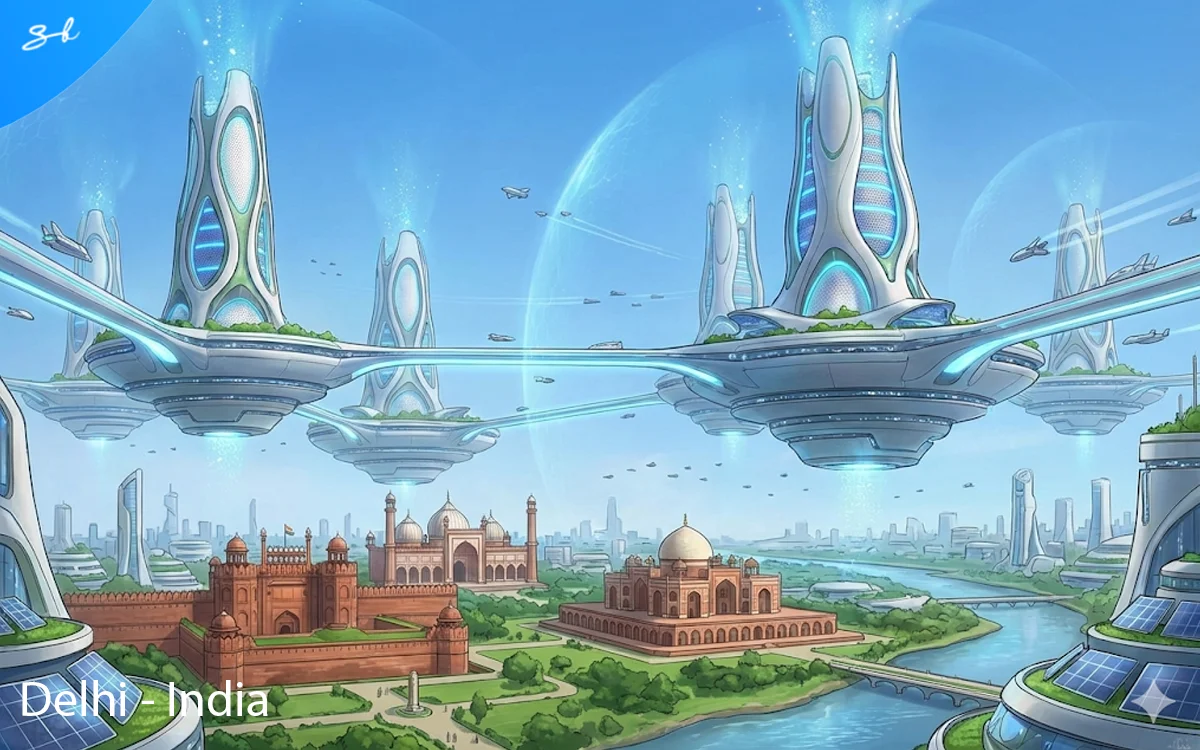
Preserving its rich history, Delhi combined the beautiful sandstone structures on the ground with a floating metropolis. Taking to the skies to avoid ground congestion, the year 5000 will continue to see Delhi grow vertically.
Shanghai – China
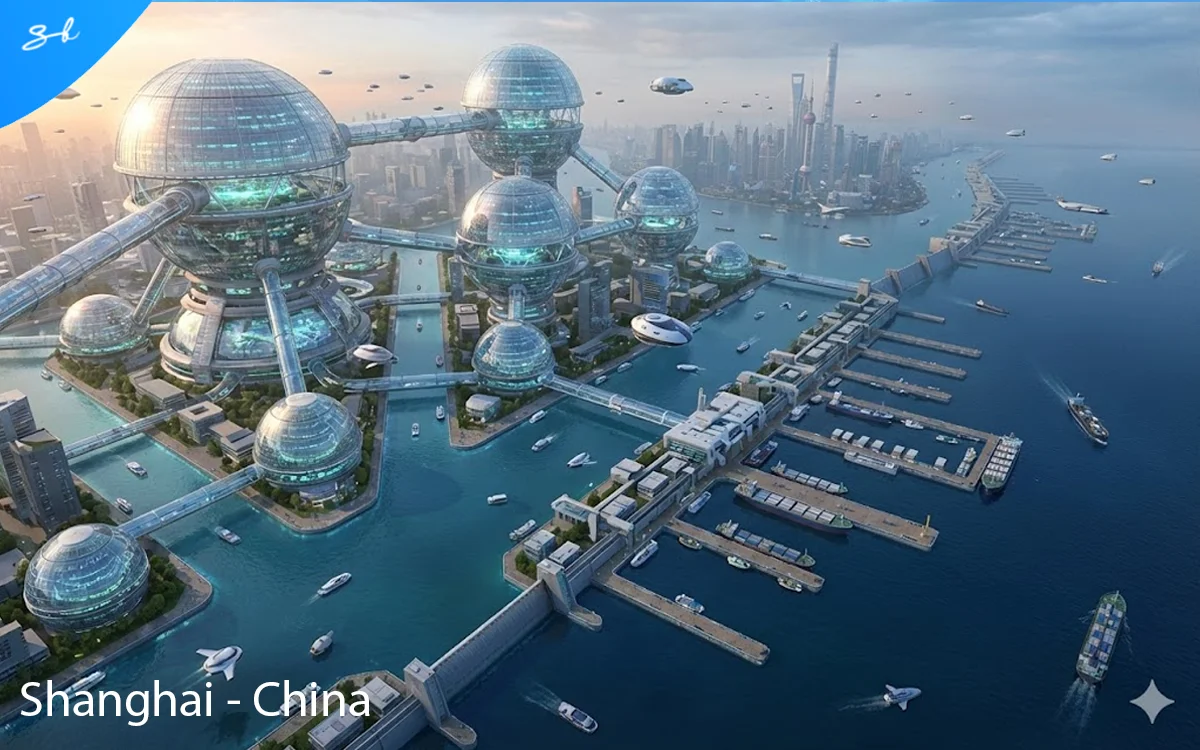
With rising waters, AI predicts that Shanghai will be a home for flying autonomous vehicles that use waterways like roads, while the buildings will be a collection of spherical buildings connected by glass bridges.
Dhaka – Bangladesh
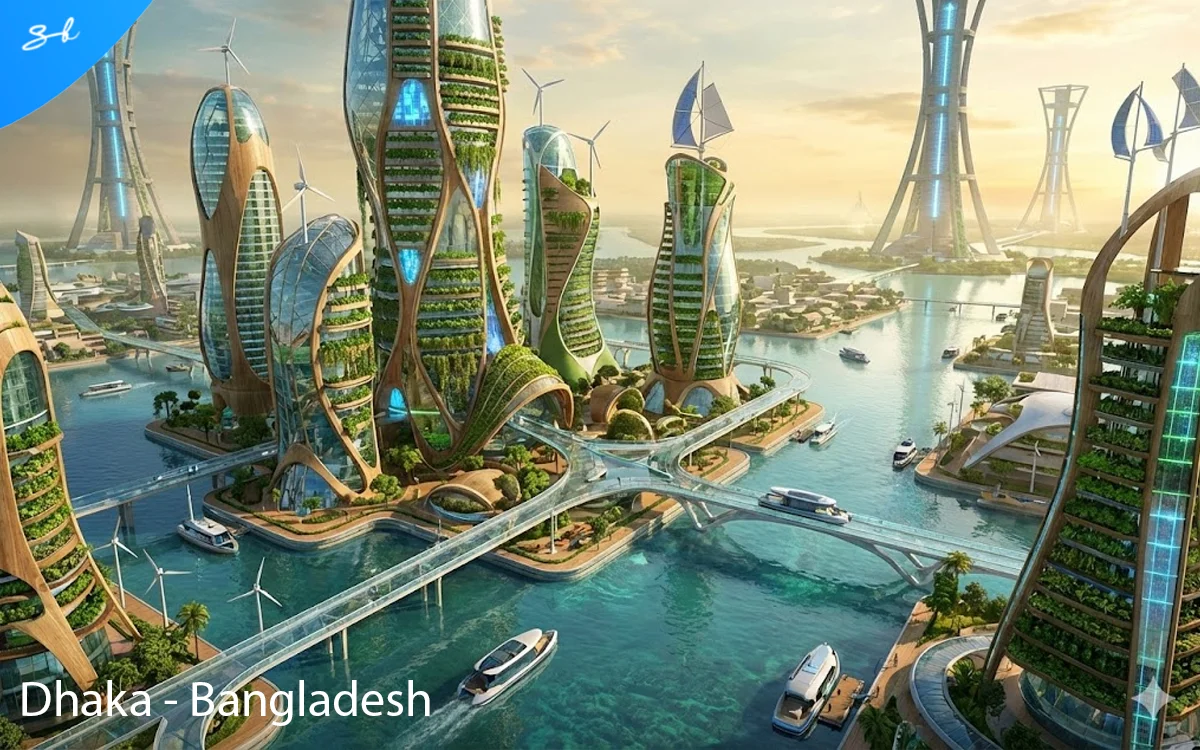
Continuing the theme that the 20 most populated cities will all be faced with rising water issues, Dhaka is imagined to be a beautiful paradise of nature and sustainable energy towers, becoming a powerhouse in self-sufficiency.
Cairo – Egypt
With the pyramids at its beating heart, AI predicts that by the year 5,000, they’ll have had an upgrade. A new gleaming structure will dwarf the pyramids as we know them now and be the cornucopia of activity in Cairo, being run on its solar-powered exterior, and allowing for lush green gardens to thrive and a new river flowing through it.

São Paulo – Brazil
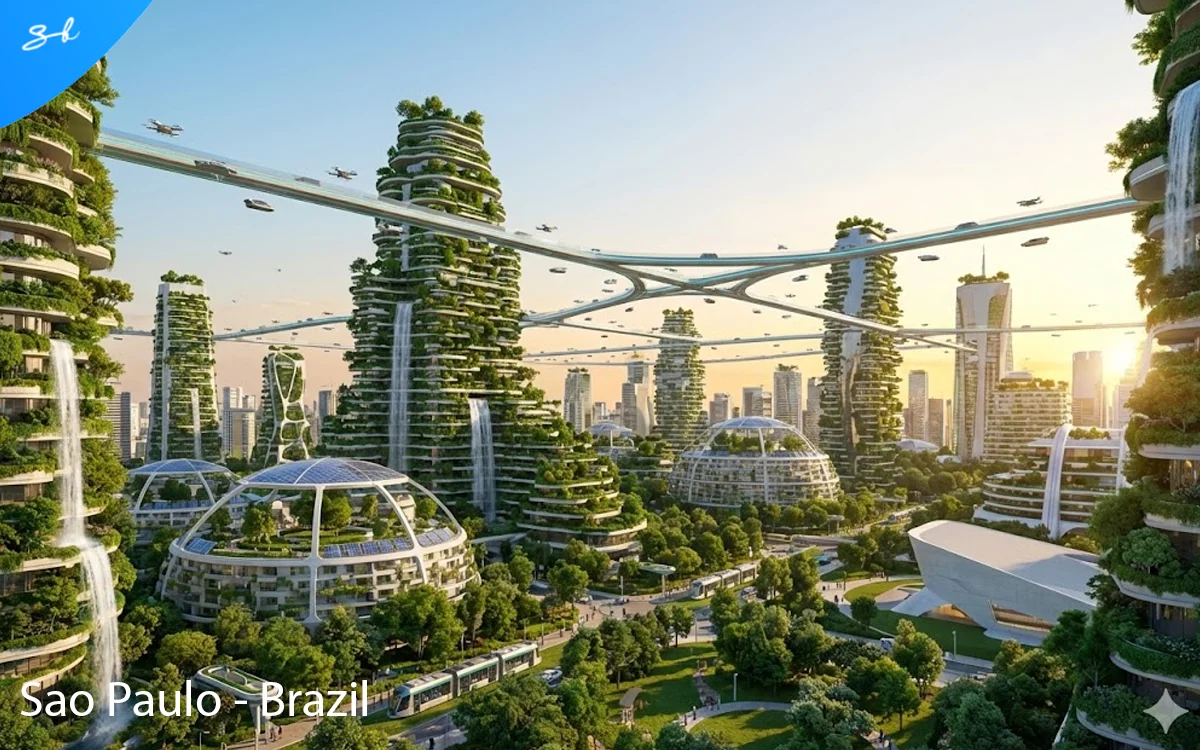
Currently sixth in the most populated cities list, São Paulo is dense with activity, but the year 5000 predictions wager that it will soon be a green metropolis. Taking inspiration from the Amazon, the jungle nature will be a prominent feature as drones and traffic will stay out of the way, running on interconnected sky roads.
Mexico City – Mexico
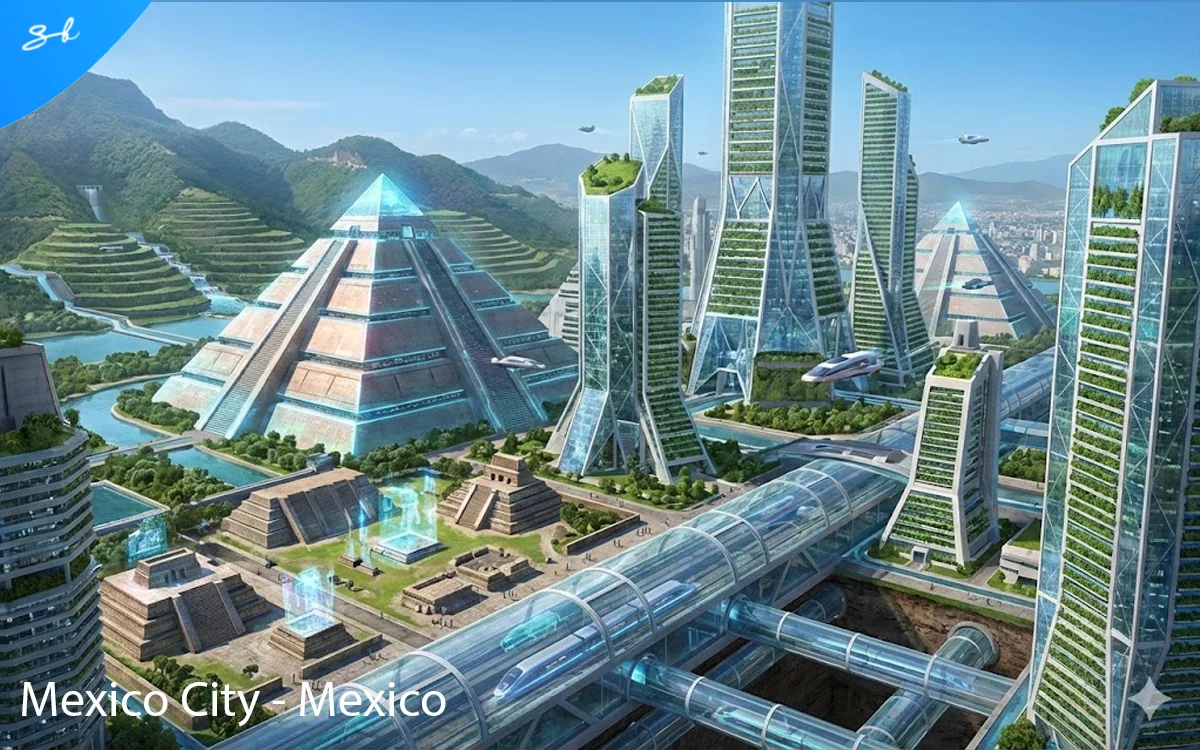
Taking a leaf out of Cairo’s book, AI guesses that Mexico City will be completely transformed to defend itself from Earthquakes, solidifying its networks with underground tunnels while having pyramid-shaped and tall vertical buildings.
Beijing – China
Beijing in the year 5000 is a mixture of Delhi and Tokyo, preserving history through staple architecture, while protecting itself with advanced electromagnetic technology.

Mumbai – India
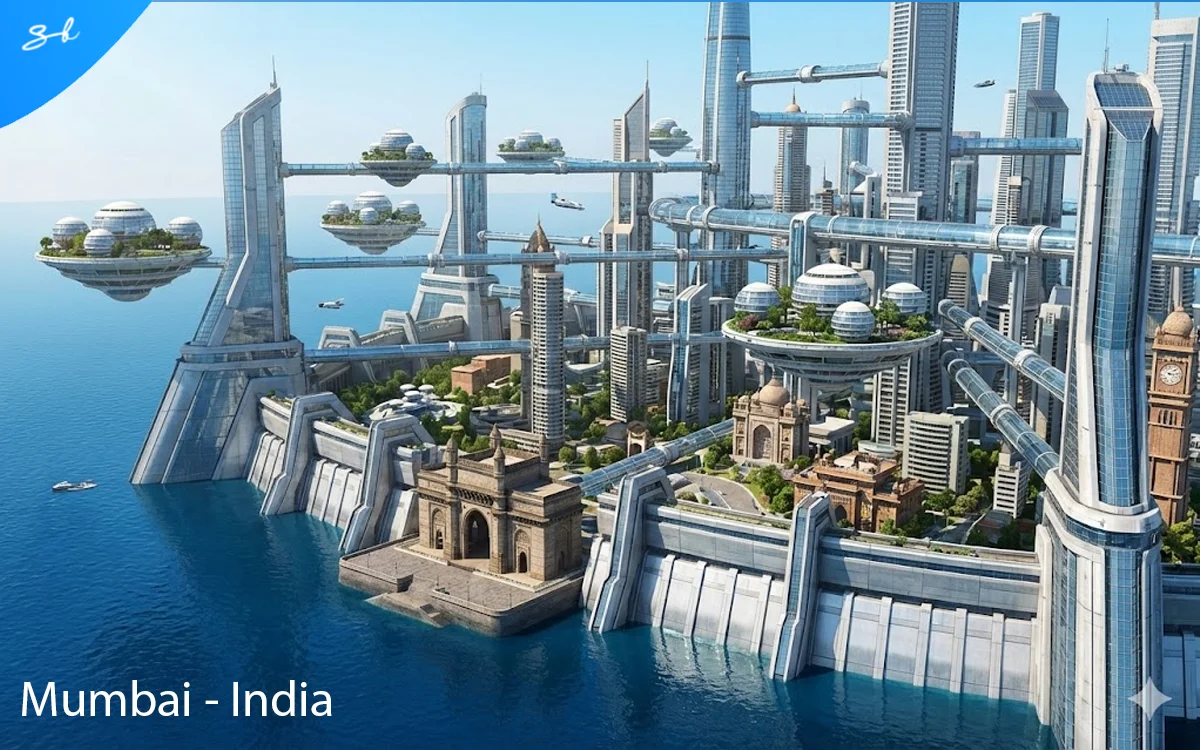
Sitting on the coast of India, Mumbai is transfromed to a fortress on the sea. Floating residential islands will encircle the coastal defense systems and complex network of skybridges.
Osaka – Japan
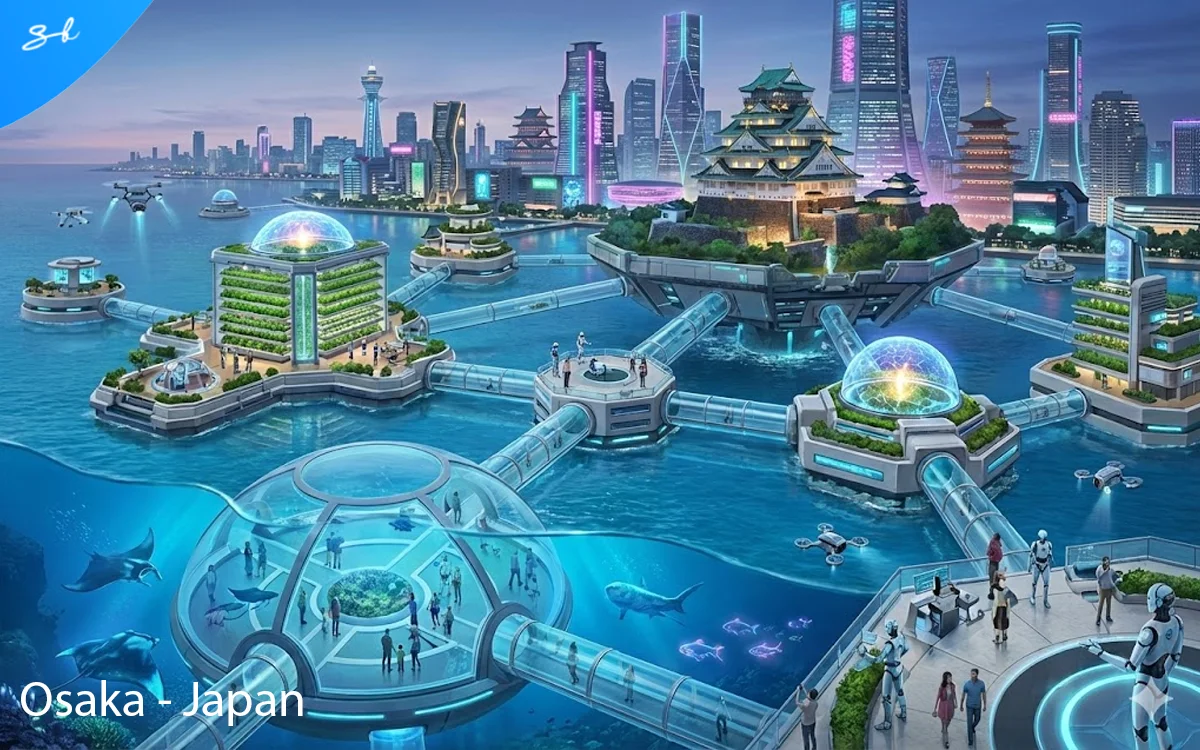
Taking inspiration from new floating cities in Asia, growing the world onto the masses of water that dominate Earth, AI predicts that Osaka will become a robotic paradise that will develop downwards into the sea, rather than up to the skies.
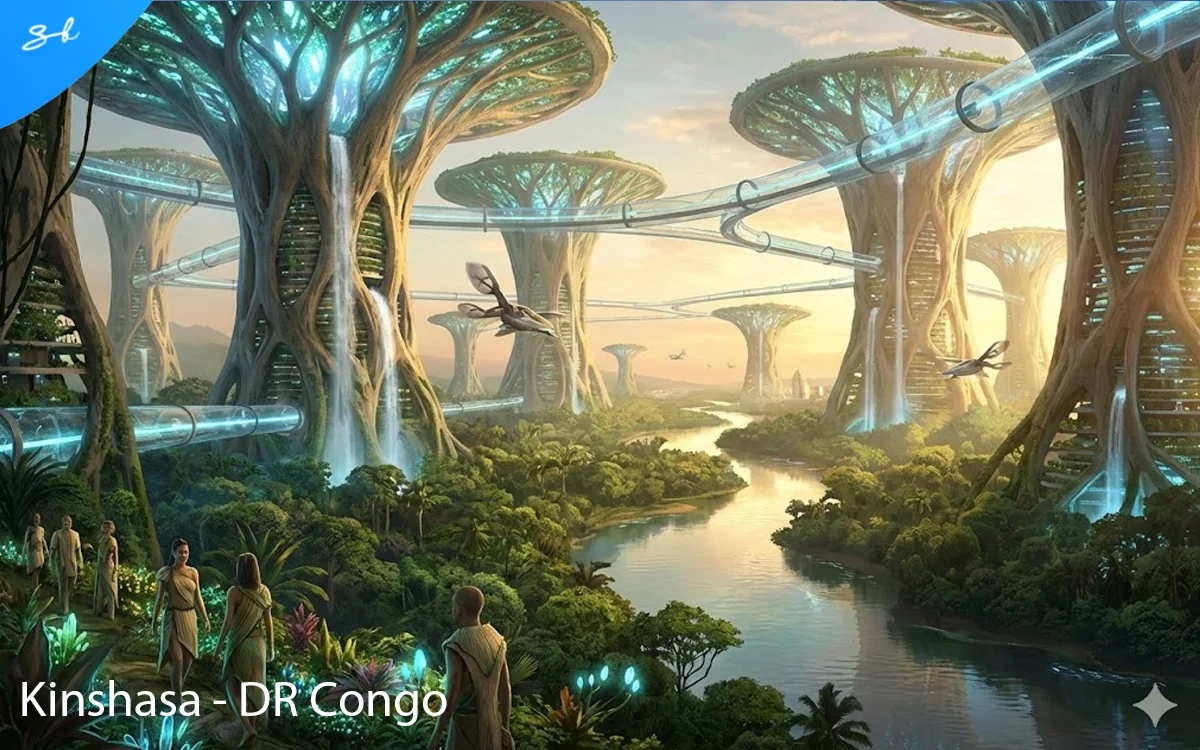
Kinshasa – DR Congo
Looking like something straight out of Avatar, this African paradise is exactly what you can imagine in cities like Kinshasa. Keeping its jungle thick, the bio-engineered tree-like buildings create their own energy and oxygen, proving habitable for all kinds of species.
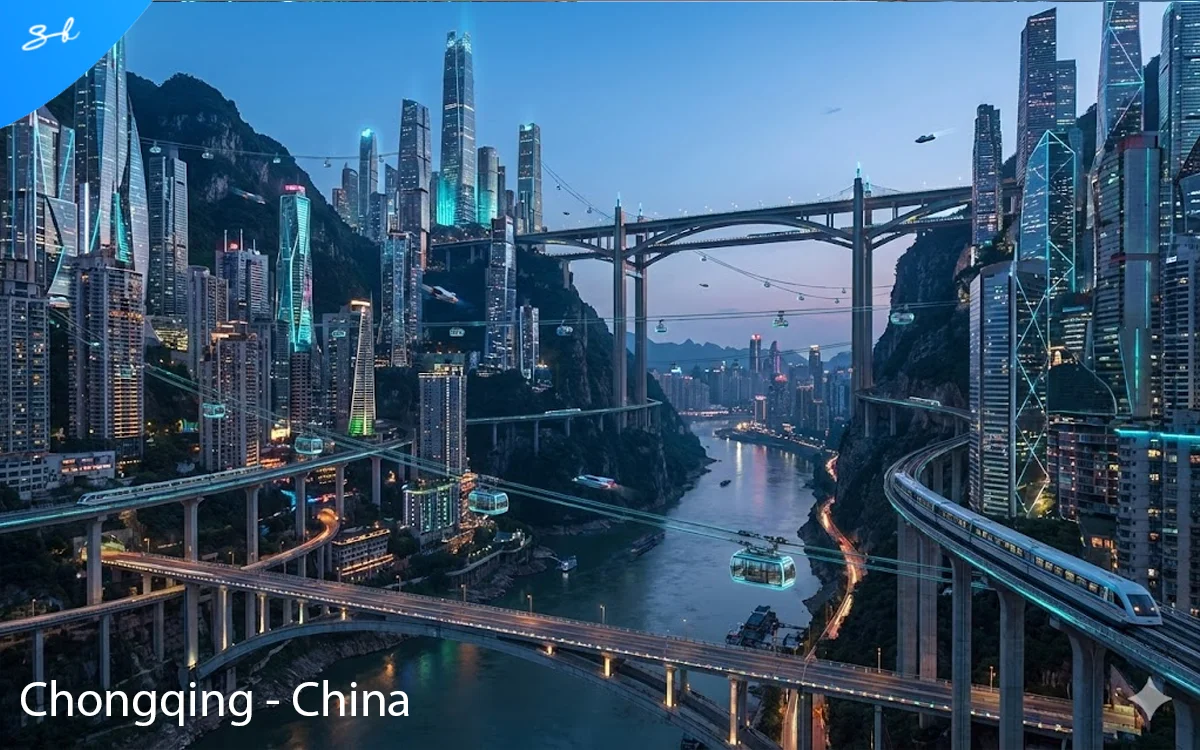
Chongqing – China
China’s control of its mountains has already begun in 2026, with record bridges opening, and by 5000, the cliff-side city of Chonqging will have completely mastered its environment and built right into the rock face.
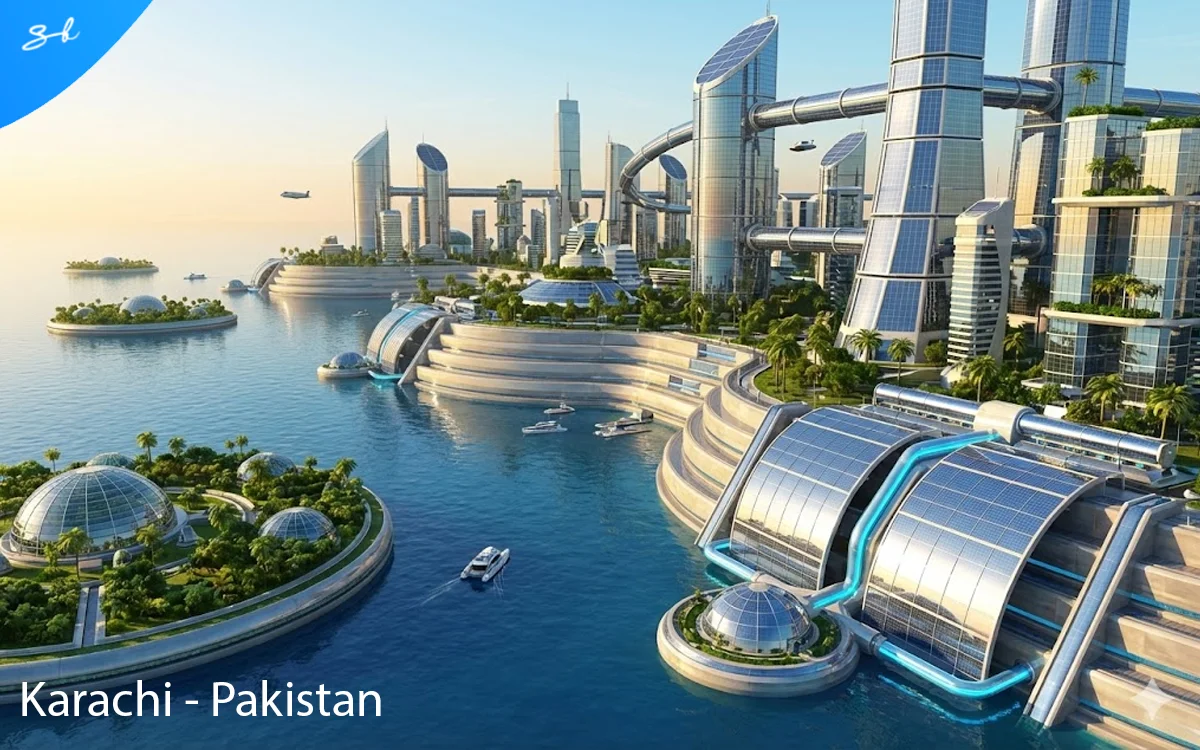
Karachi – Pakistan
Similar to Mumbai, AI predicts that Karachi will continue to use its waterfront to become a thriving city of gardens and floating residential areas.
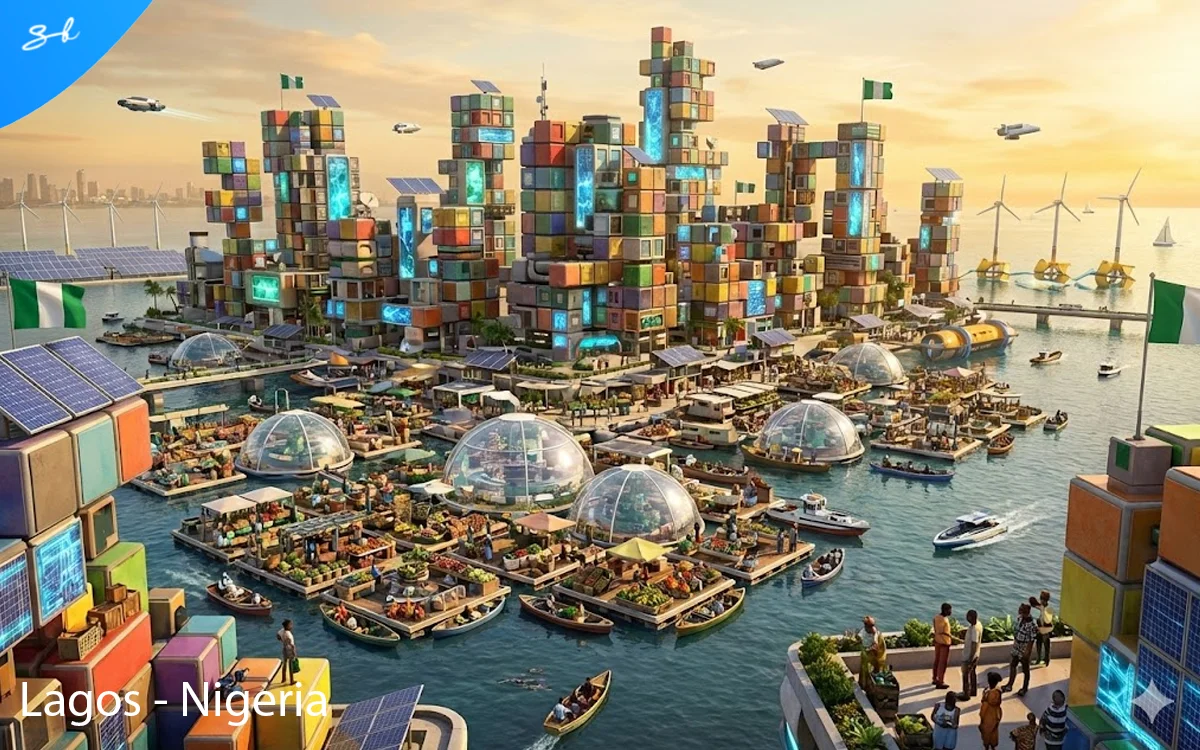
Lagos – Nigeria
Looking like the world’s biggest Tetris game, AI guesses that Lagos will go into the future by having a completely changeable landscape. The Rubik-like blocks can change to make any structure and will be one of the biggest markets in the world.
Istanbul – Turkey
Combining its old town with the modern city, Istanbul’s future architecture will continue to be split by the Bosphorus Strait, and will showcase preserved historical landmarks on one side, and bright, vibrant neighbourhoods on the other.

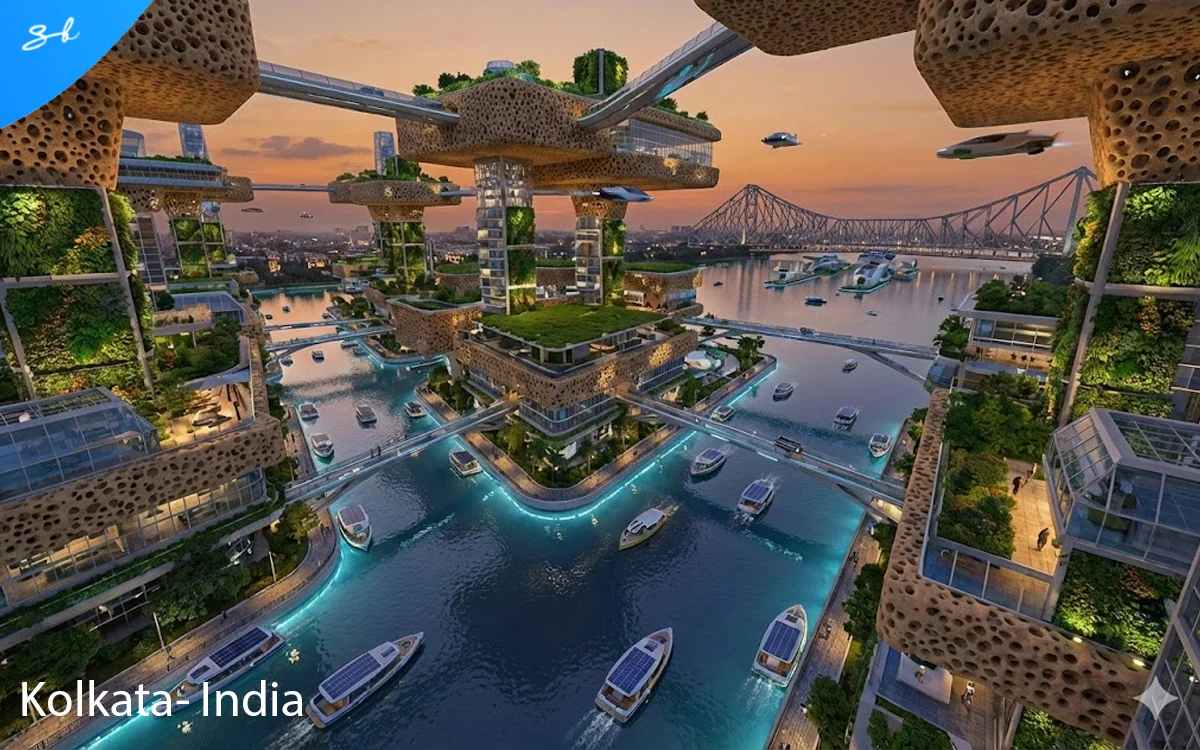
Kolkata – India
Prone to flooding, Kolkata leans into its biggest flaw and opens the doors to the water by building sustainable, spongey landmarks that work off hydro-power.
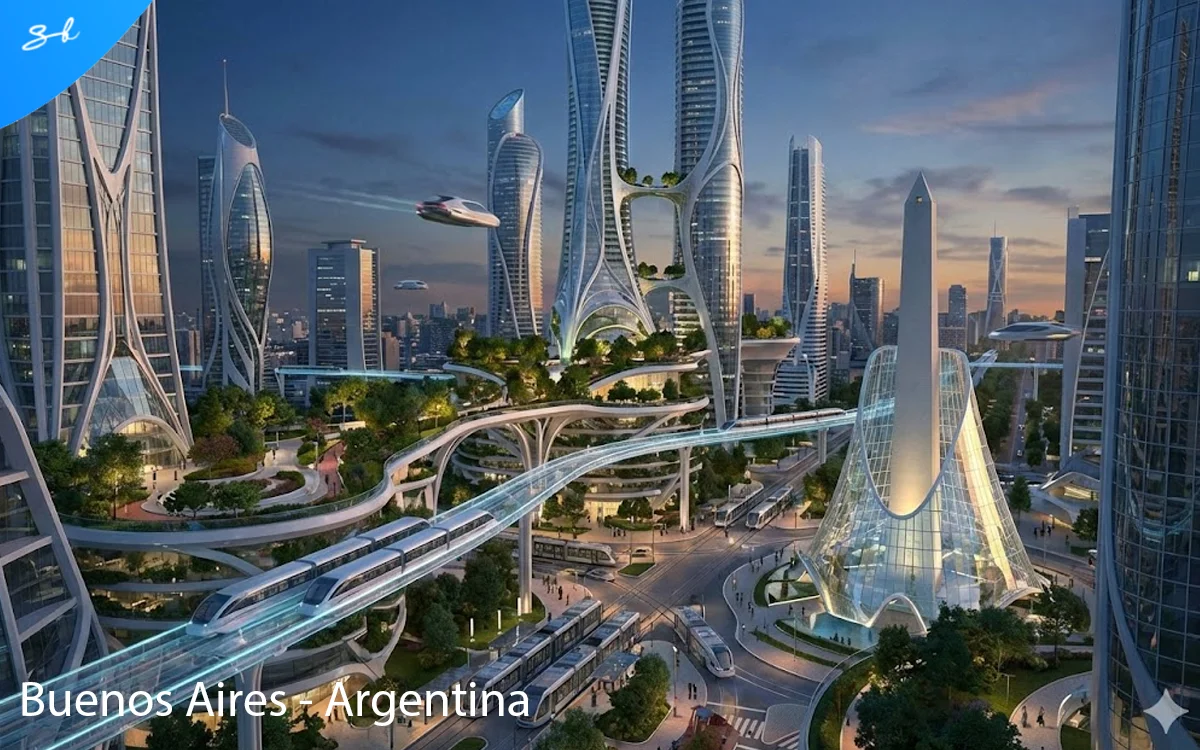
Buenos Aires – Argentina
This towering metropolis is Buenos Aires in 5000. With a skyline dominated by elegant ‘scrapers and a vast network of sky parks, it will be a transport haven for the whole of Argentina and South America.
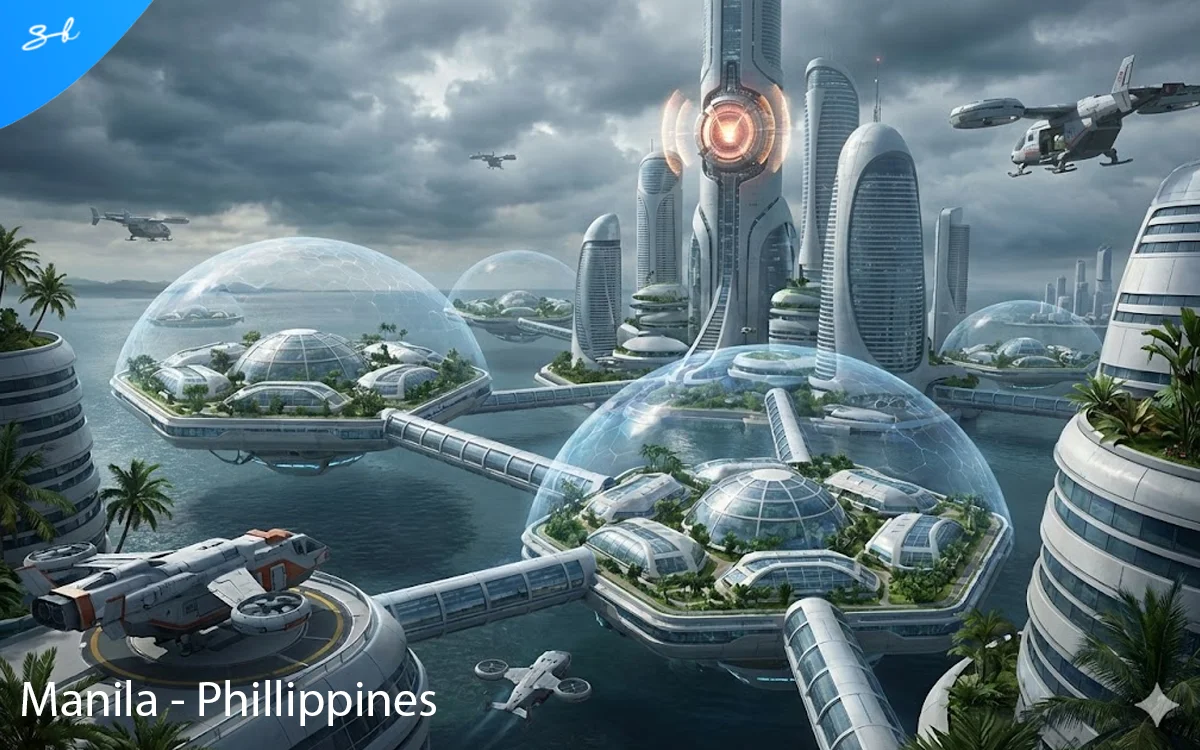
Manila – Philippines
AI suggests that Manila will be a floating city over the sea, taking its knowledge of typhoon defense and putting it to good use.
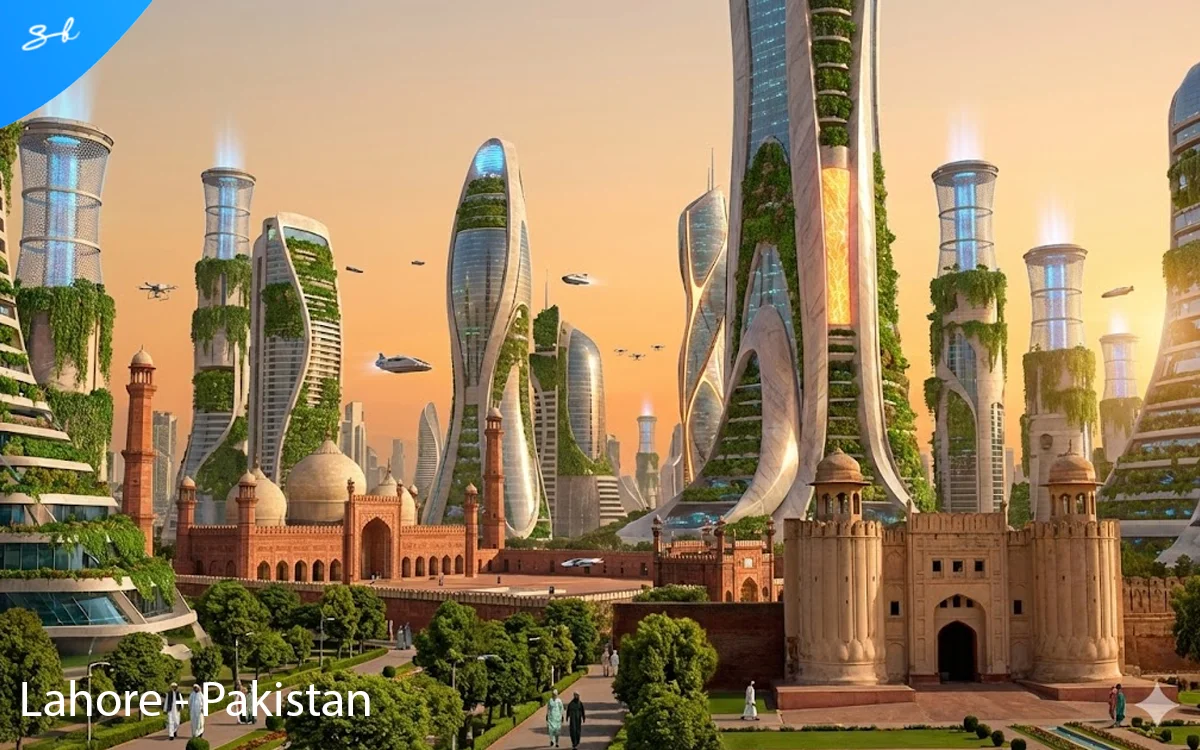
Lahore – Pakistan
Sticking to its Mughal roots, Lahore enriches what it’s so famous for and builds upwards, sustaining itself as a lush and sustainable environment.
Guangzhou – China
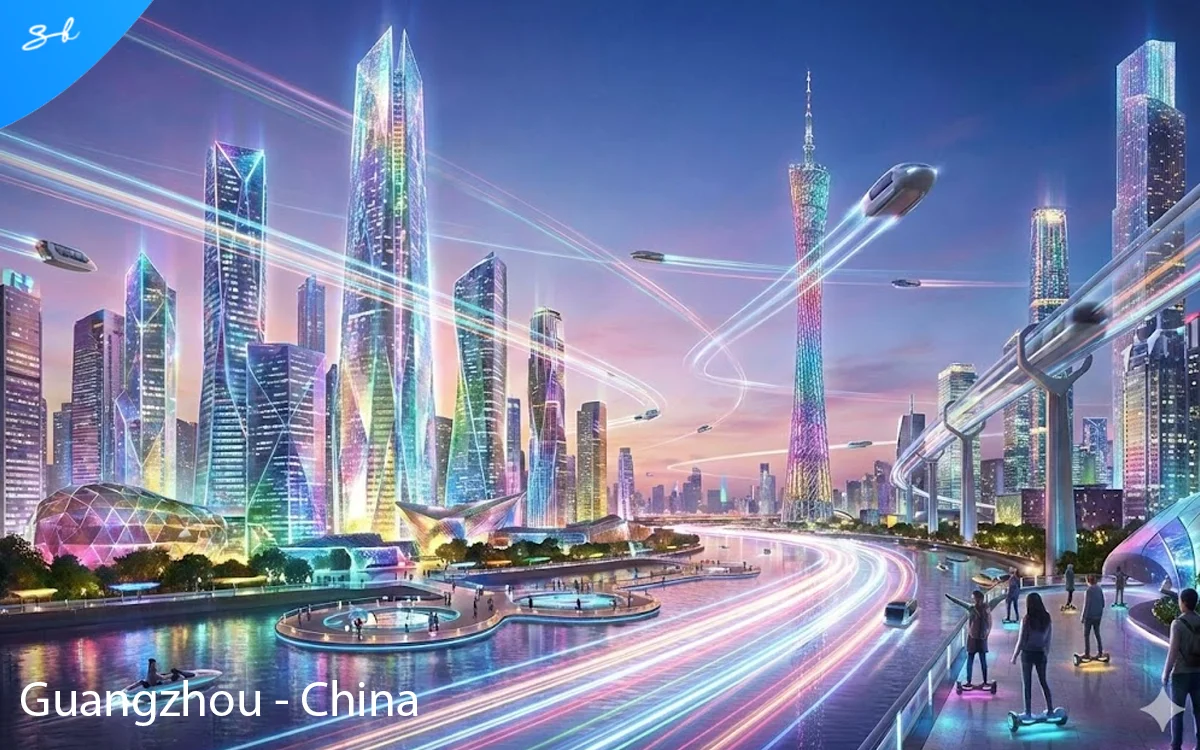
Finally, as the last of the most populated cities in the world, Gaungzhou is already known as one of the most advanced technological paradises on the globe, and AI predicts that it will thrive in the future. Looking like the Mario Kart final boss, it’s a city of light and speed, flexing its Cyberpunk muscles on the rest of the world.
Of course, these are the 20 most populated cities of 2026, and come the year 5000, it might be very different, with more cities being built and powerhouses like New York growing to be the central hub of American operations.
But for now, the rainbow road stops in Guangzhou.
DISCOVER SBX CARS: The global premium car auction platform powered by Supercar Blondie
After beginning his career writing about all things gaming, Jack joined the Supercar Blondie team in November 2024 as a Content Writer. Since joining SB Media, in addition to a love for covering emerging tech, he has developed an admiration for vintage restorations, particularly old American brands like Dodge and Ford.