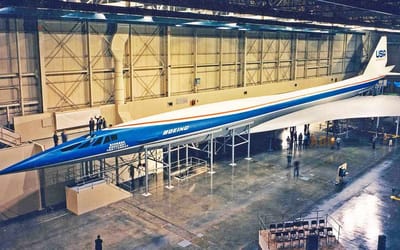
Forget de-icing your car, airplanes have to undergo a rigorous process to fly safely in snowy weather
Published on Jan 07, 2026 at 9:35 PM (UTC+4)
by Grace Donohoe
Last updated on Jan 08, 2026 at 11:44 AM (UTC+4)
Edited by
Emma Matthews

The struggle of de-icing and getting your vehicle ready for a long journey often plagues the winter months, but it turns out that it’s not just cars that are impacted, because airplanes need de-icing too.
In order to take to the sky safely, planes have to be ide-free, and the process can sometimes be lengthy.
Forget a humble can of de-icer and ice scraper; to cover a plane, a much more detailed and larger-scale operation is needed.
Plus, there’s also an abundance of clever technology that prevents the jets from icing up in the air, too.
VISIT SBX CARS – View live supercar auctions powered by Supercar Blondie
De-icing airplanes is snow joke
Winter is well and truly underway in the global north, which means inevitable disruption at many airports, but there is a process that many airports facilitate to help aircraft get up into the air in sub-zero temperatures.
Yes, that’s right, planes get de-iced like a standard sedan, only the procedure is slightly different.
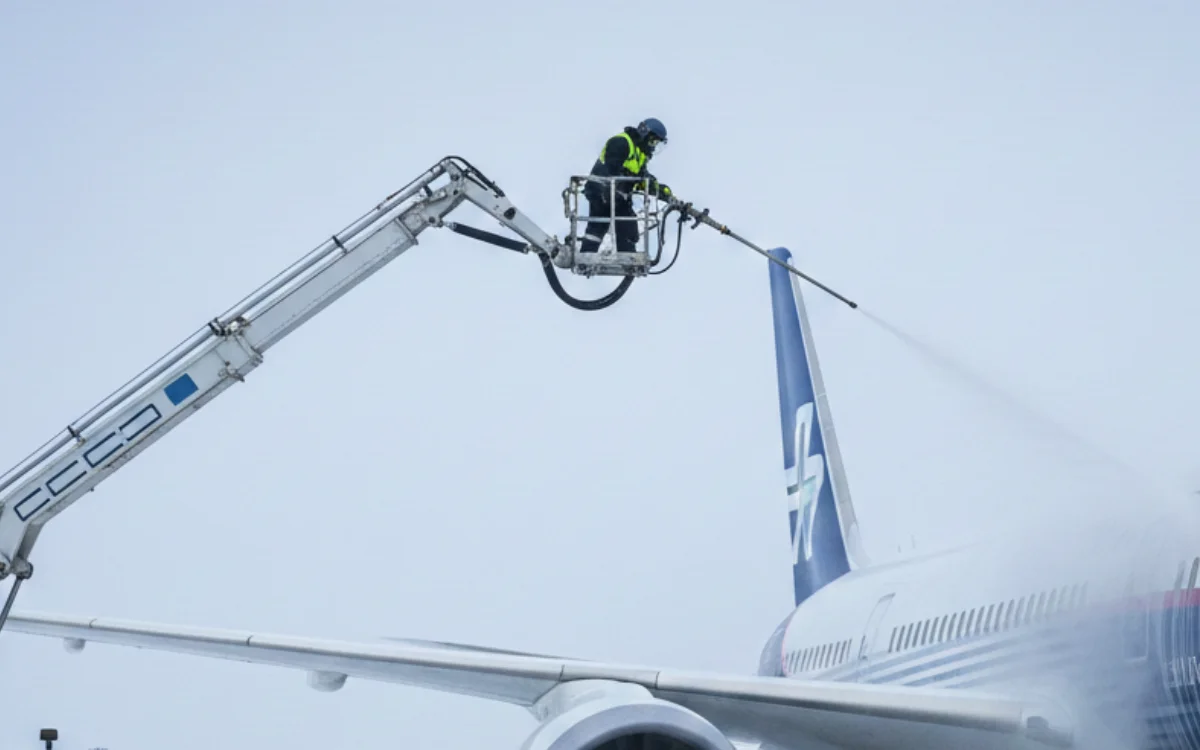
The process involves a huge hose full of chemicals being sprayed across the body of the aircraft, and even the windows, when the plane is on the tarmac, sometimes while passengers are onboard
According to CNN, the de-icer fluid reportedly contains a water-based solution of glycol, which is then mixed with other ingredients, including a corrosion preventer, a flame retardant, and a surfactant, which reduces the amount of surface tension.
It is important to note that there are a few different types of de-icing fluid, with anti-icing fluids also used to prevent ice from forming on the wings.
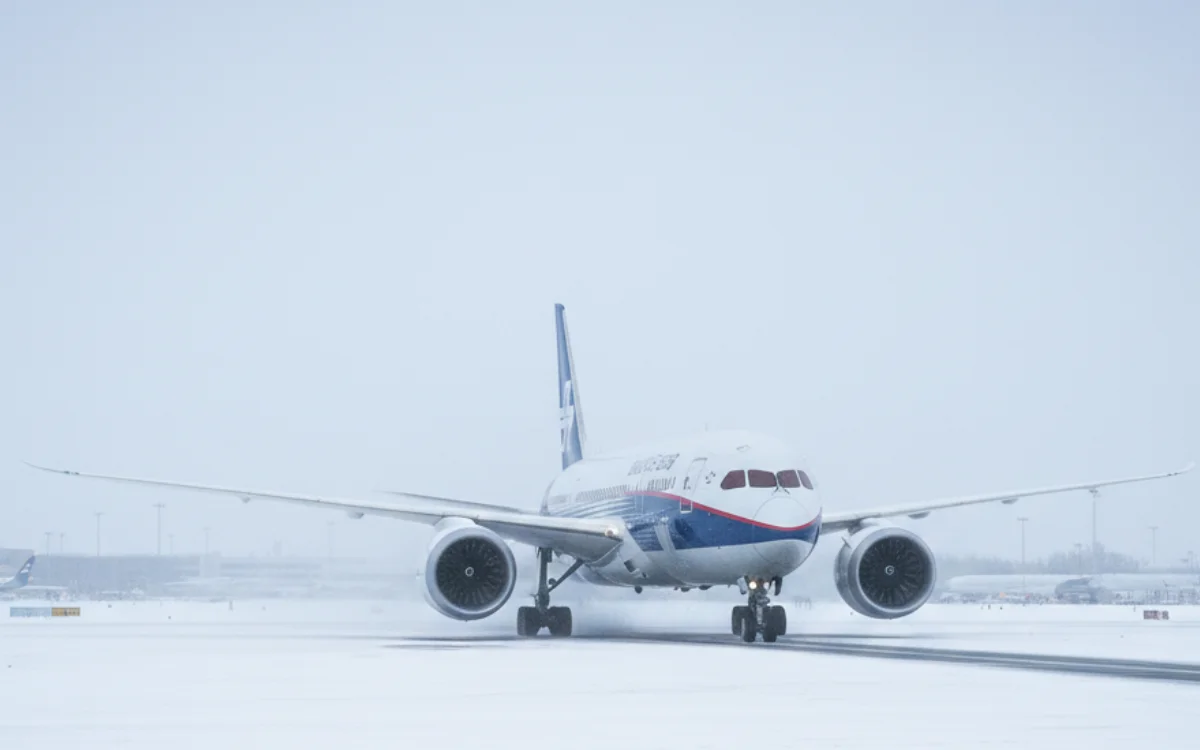
Travelers who have been lucky enough to witness this in person will have seen an operator personally carrying out the process to ensure that it has been done properly.
What about de-icing when the airplane is in the air?
After the necessary steps have been taken to de-ice the airplane on the ground, it turns out that when the aircraft is airborne, things are also already in place to help.
In fact, many modern airplanes have ‘bleed air systems’ which essentially use hot air to help prevent ice from piling up, as well as others using heated panels that can be found in the wings of the plane.
Coatings can also be used to prevent ice from clinging to the outside of the aircraft, too.
So, there you have it – you won’t get cold feet about flying now your mind has been put at ease.
DISCOVER SBX CARS: The global premium car auction platform powered by Supercar Blondie
Beginning her career as a lifestyle reporter and social-media manager, Grace joined Supercar Blondie in February 2025. Since coming on board, she has thrown herself into the busy daily writing schedule. Her editorial sweet spots include writing about luxury properties and the quirky features inside them that the one percent are investing in, as well as groundbreaking advancements in space exploration.