Alef Aeronautics reveals how its flying car is different to the Tesla Roadster and what was impressive about the Roadster reveal
Published on Nov 03, 2026 at 9:10 PM (UTC-5)
by Alessandro Renesis
Last updated on Nov 03, 2026 at 9:10 PM (UTC-5)
Edited by
Mason Jones
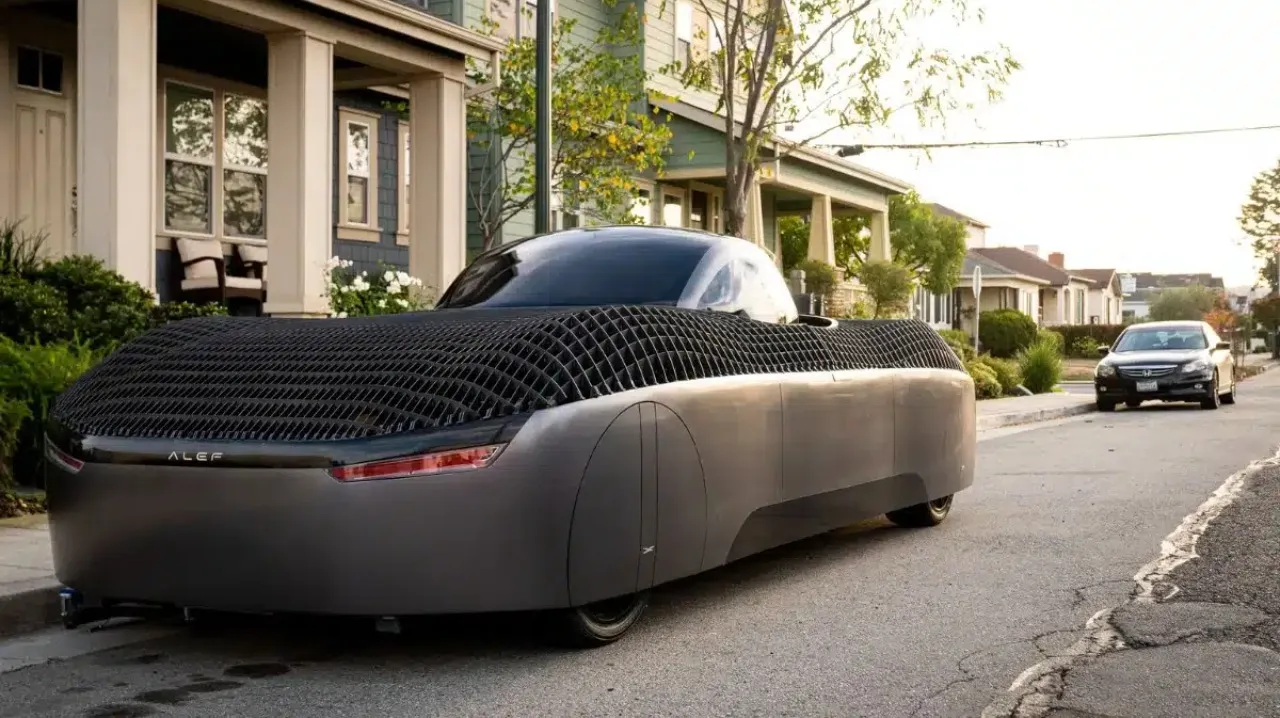

Just a few days after the Tesla Roadster launch, another flying car company, Alef Aeronautics, went viral with a video of its own.
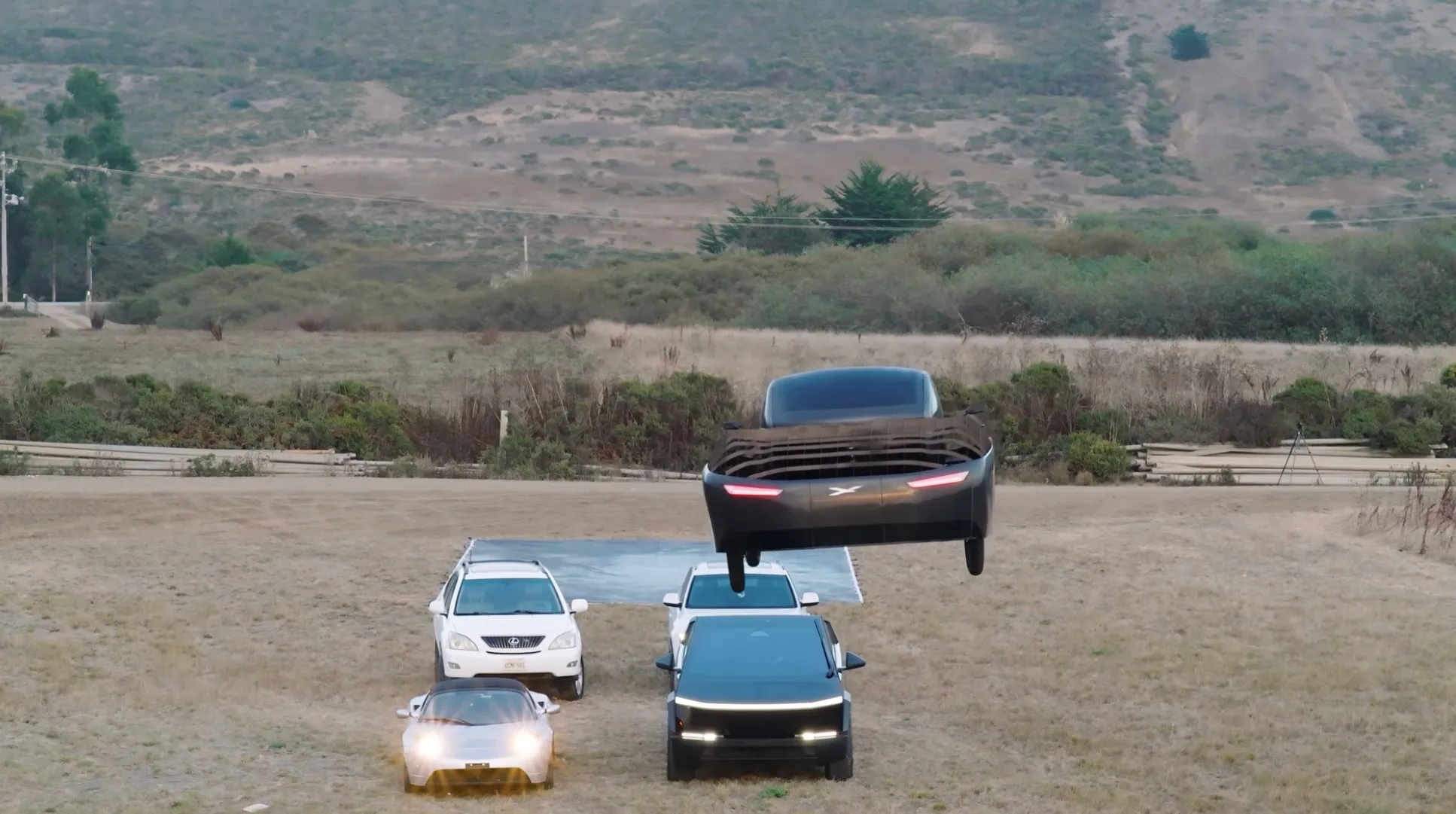
The footage shows an Alef prototype soaring over several vehicles – including a Tesla Roadster and a Cybertruck – leaving viewers with plenty of questions.
We also had questions, which is why we turned to the CEO of Alef Aeronautics, Jim Dukhovny.
And some of his answers may surprise you.
The term ‘flying car’ is often misused
One of the first things that Alef Aeronautics CEO Jim Dukhovny wanted to address was the way we often misuse the term ‘flying car’.

“People often call eVTOLs flying cars, but those aren’t flying cars. It isn’t a flying car if you can’t drive it like a car,” he told Supercar Blondie.
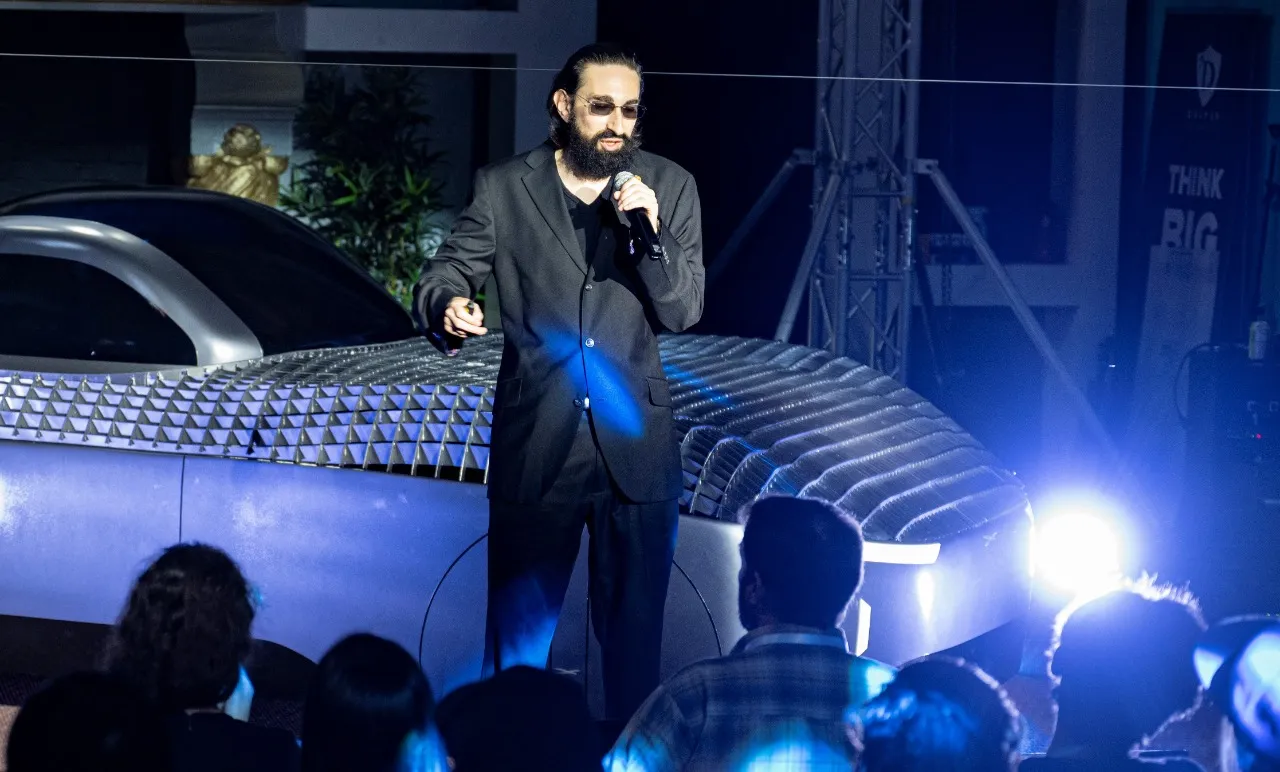
In Dukhovny’s view, the scope of flying cars is also often misunderstood.
The first misconception is that this is a niche market.
“In the future, this is actually going to be a large market. You won’t see flying cars over San Francisco, but rural transportation, which is exactly what we’re trying to cover, is a trillion-dollar global market.
“The niche [concept] is kind of in reverse. Most people in 2026 actually live in the cities. We’re becoming an urban society. [But] most of the distance we need to cover on Earth is actually in rural areas. That’s where we need to flying cars.”
Dukhovny’s reasoning is simple.
You don’t need yet another transportation option in the city, but rural areas are underdeveloped on that front.
And that’s where Alef and other companies come into play, which begged another question.
Who’s winning the ‘flying car’ race?
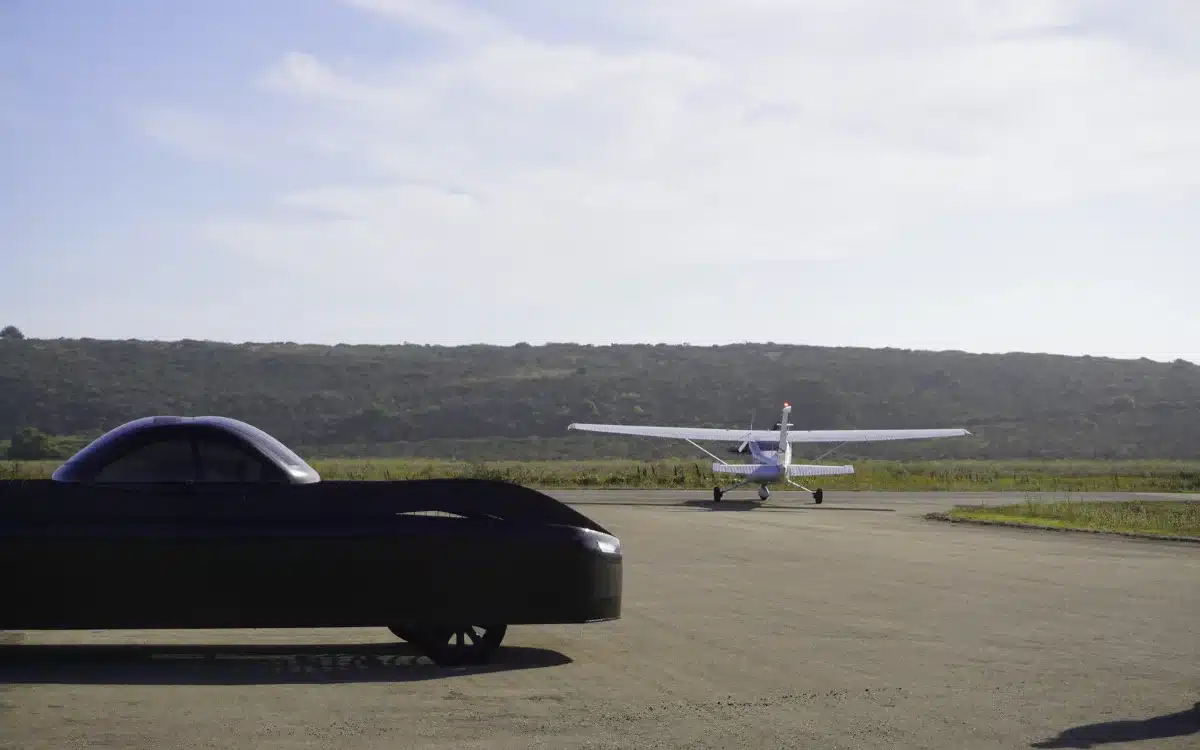
Dukhovny emphasized that eVTOLs cannot be considered flying cars because you can’t drive them.
So, with that out of the equation, it’s neck and neck between Alef and Tesla.
Ideally, it’d be great if they could help each other.
“In an ideal world, [working with Tesla] would be a good thing. We have a common goal. The [flying car] world needs its own categories, its own industry,” Dukhovny said.
“Companies in the automotive industry collaborate. So we should also collaborate.”
This led us to an inevitable question.
What are the main differences between the Alef flying car and the Tesla Roadster?
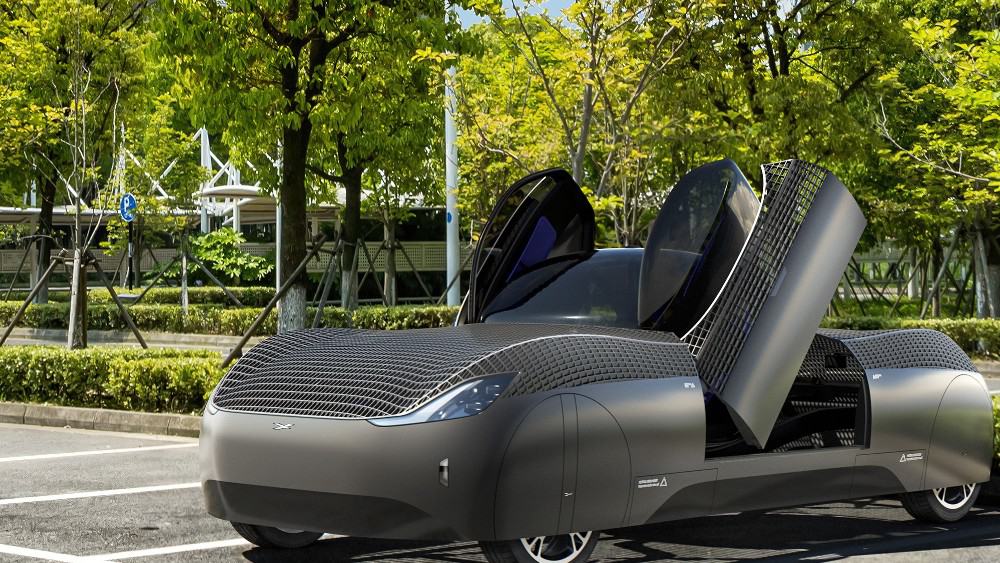
There are a few technical differences, so we should probably start with those.
Alef relies on rotors, whereas Tesla relies on cold-gas thrusters.
Also, Alef developed a system that keeps the cabin stable and straight, even if the vehicle around it is swinging around a bit, like aircraft (or flying vehicles in general) can do sometimes.
But, in Dukhovny’s view, the main difference is ‘semantic’, so to speak.
“In a healthy industry – like the automotive industry – you need options. You have SUVs, you have sedans, you have sports cars, and so on,” Dukhovny said.
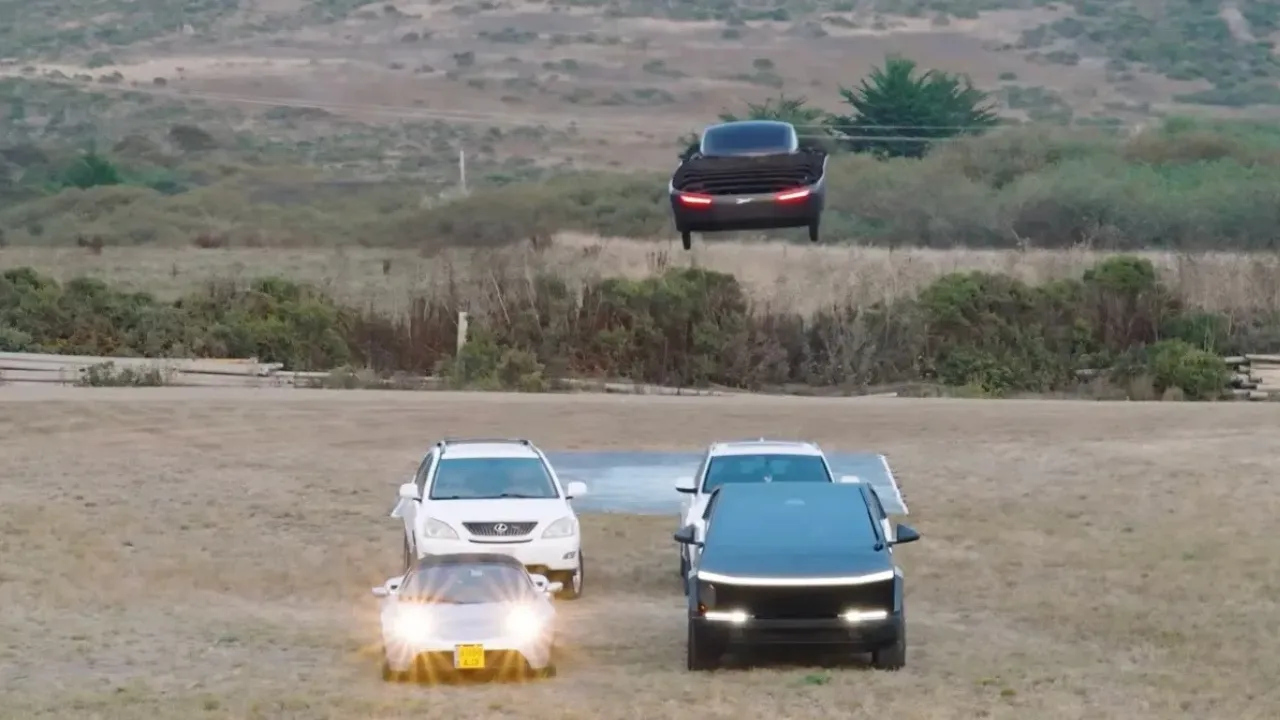
“Tesla Roadster is pretty much like a sports car, like a show car. We are a sedan.”
Dukhovny was also surprised by something the Federal Aviation Administration allegedly said.
Alef is an ultra-light aircraft, meaning it doesn’t require a pilot’s license, but it is an aircraft.
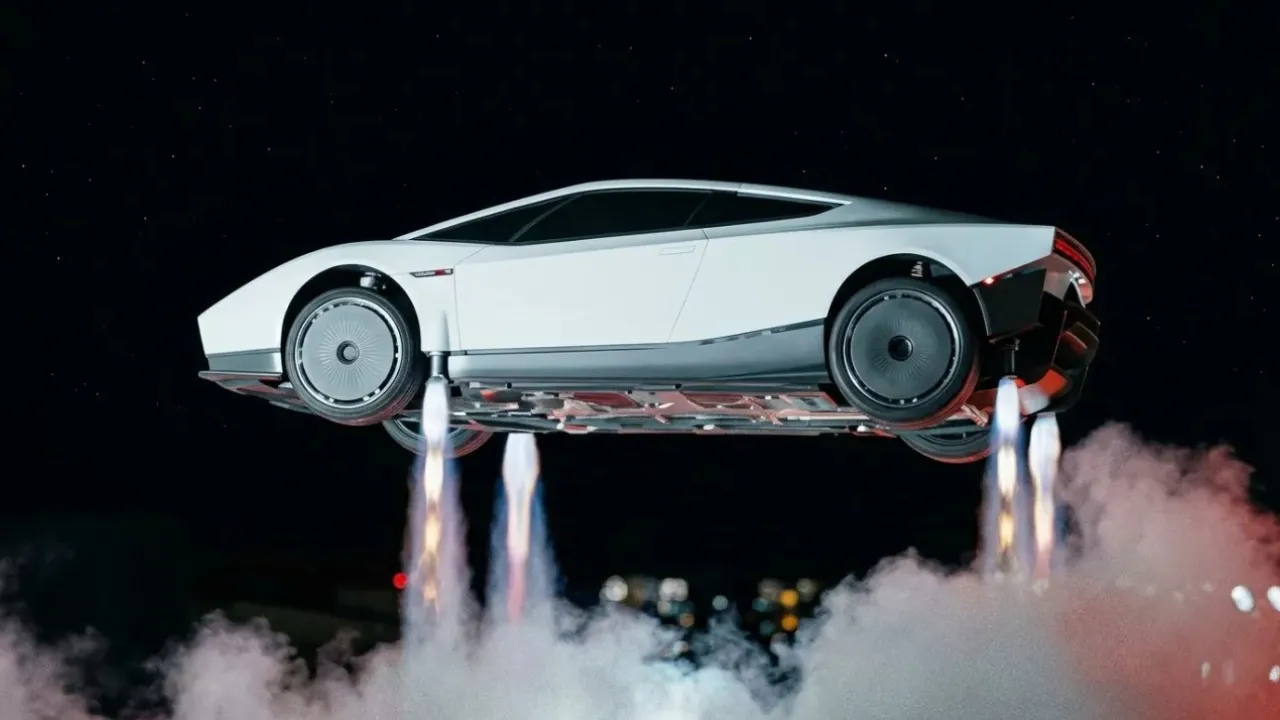
“I don’t know if somebody from the FAA was misquoted or what happened, but I’m not sure how they can say the ‘Tesla Roadster is not an aircraft’,” Dukhovny said.
“I’m saying this because the FAA told us, word for word, that ‘anything that’s one inch above the ground‘ is in their domain. So I don’t know what’s going on there.”
This is what was truly impressive about the Tesla Roadster’s launch
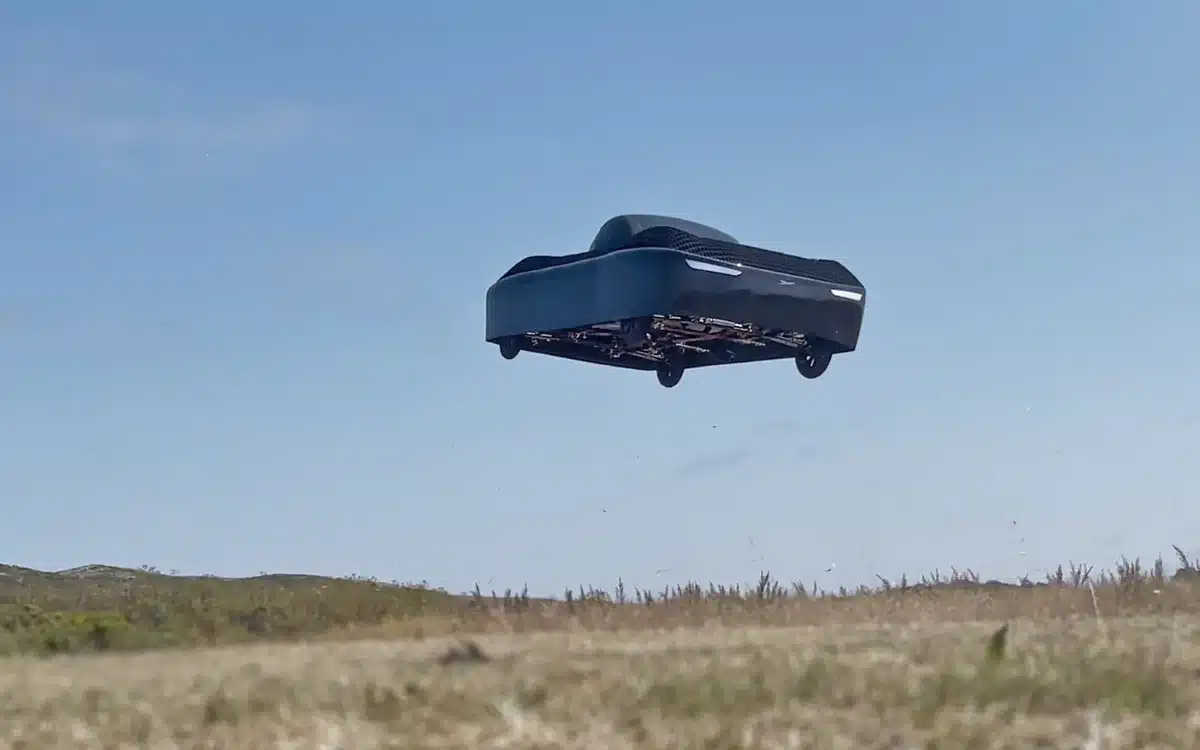
Obviously, we also had to ask about the Tesla Roadster launch.
Jim Dukhovny’s response was a true ‘game-recognizes-game’ moment.
“First, I kept asking myself a lot of questions. Why the backflip? Why at night? Why that night in particular? Probably because of the wind. But anyway, the short answer to your question is: I was incredibly impressed,” he admitted.
“The engineering team did an incredible job. And people criticize [Tesla], but I’d say, ‘you try and do that’.
“They pulled it off in front of an audience. That’s hard to do. We know, we’ve been doing this for 11 years.”
Flying cars aren’t drones
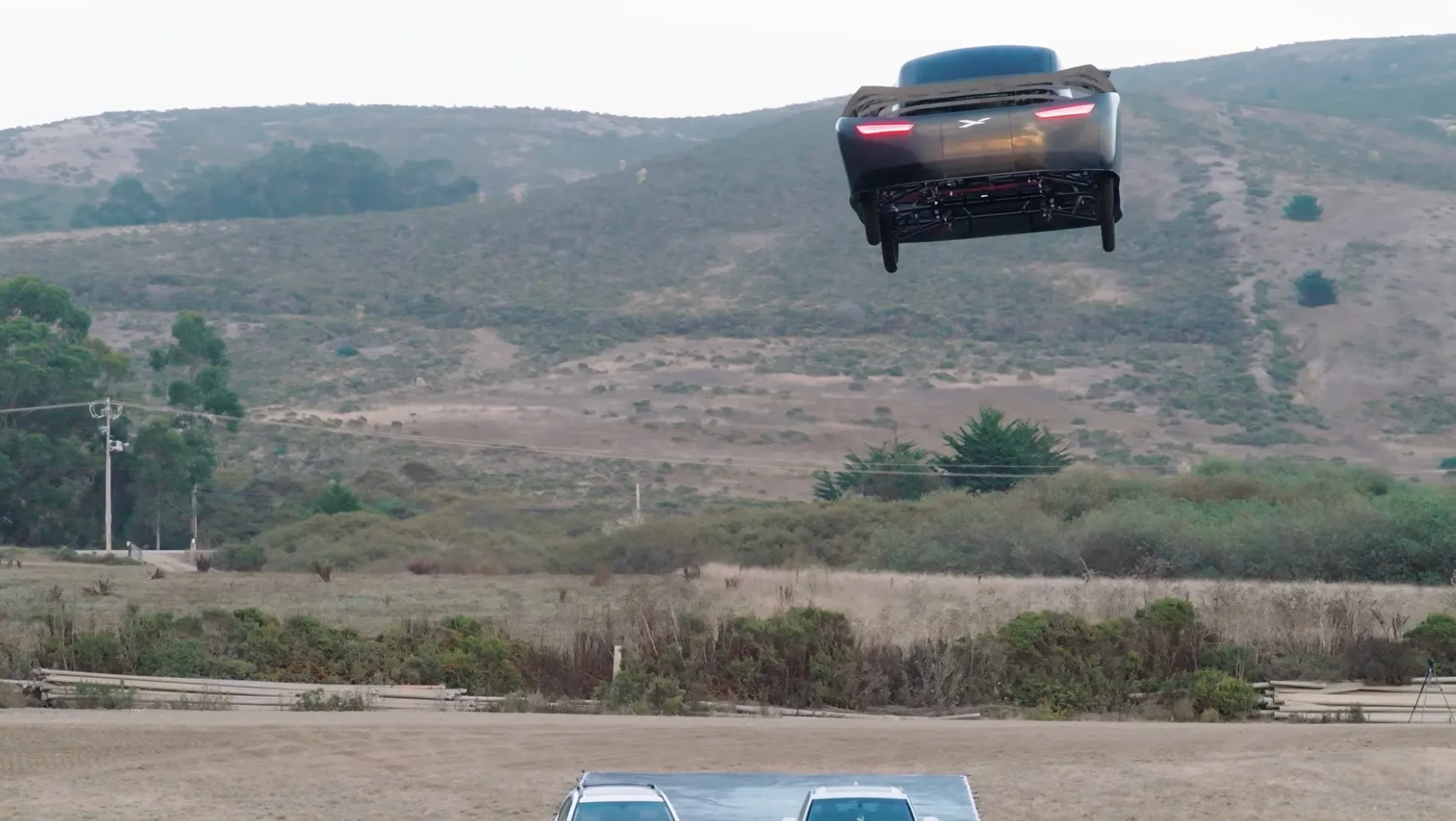
One of the main goals of this conversation was to find out a bit more about flying cars in general, because this is something people often talk about, but there isn’t that much out of there in terms of substance.
In Dukhovny’s opinion, one of the most annoying misconceptions is the oversimplification of associating flying cars with drones.
“A lot of people say: ‘that’s just a large drone’. Both drones and [our flying cars] use something called distributed electric propulsion. But that’s true about helicopters and other things as well. So just because we use distributed electric propulsion, it doesn’t make our vehicle a drone,” he said.
China is ahead

Last but certainly not least, this being a new technology, people are always asking the obvious question: when am I going to get this in my country?
The answer varies from ‘probably soon’ to ‘don’t hold your breath’ depending on where you live.
“China is ahead. They already have ‘the altitude economy’ and are making fast progress,” Dukhovny told Supercar Blondie.
“So, if you look at the two ends of the spectrum, [flying cars] are probably going to go mainstream in China first. And the European Union will be last. The US… is going both ways.”
The best of Supercar Blondie, every Sunday
The week's best car stories, straight to your inbox. Free.
Alessandro is an automotive journalist with 10 years of experience covering supercars, automotive history, emerging vehicle technology, and luxury transportation. He wrote the first article published on SupercarBlondie.com when the website launched in 2022 and has since built a reputation for insightful reporting across the automotive and transportation industries. His expertise is grounded in hands-on experience. Alessandro has driven every Tesla model ever produced, from the original Roadster to the Cybertruck, and regularly covers the latest developments in electric vehicles and automotive innovation. His passion for transportation extends beyond cars, he has even flown a Boeing 787 Dreamliner simulator in Addis Ababa, Ethiopia. His reporting spans everything from classic American muscle cars and rare automotive discoveries to luxury yachts, private aircraft, high-end watches, and cutting-edge vehicle technology. Known for his deep knowledge of automotive history and ability to uncover the stories behind iconic vehicles, Alessandro brings readers a blend of historical context, technical expertise, and first-hand experience.




