Apple buried millions of dollars' worth of computers in landfill in 'secret burial' that invented its future
Published on Jul 23, 2025 at 8:36 PM (UTC-4)
by Daisy Edwards
Last updated on Jul 23, 2025 at 8:36 PM (UTC-4)
Edited by
Daisy Edwards
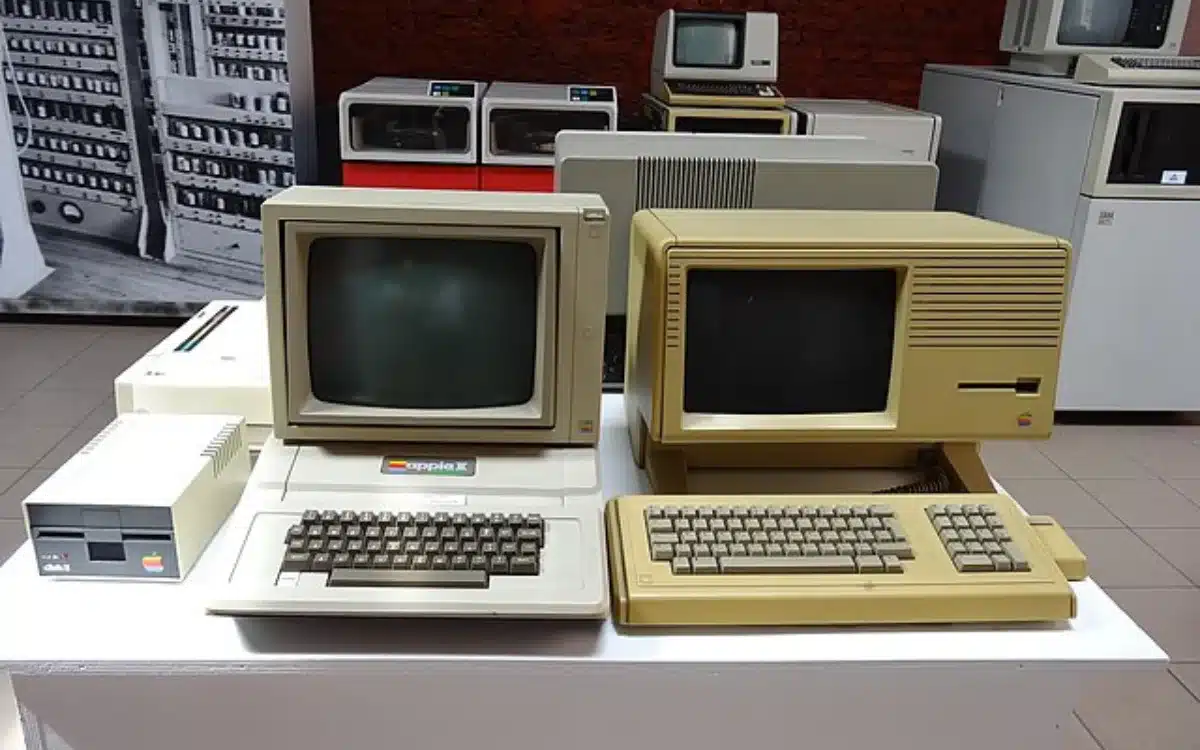

Did you know that Apple buried millions of dollars’ worth of computers in a landfill in a ‘secret burial’ that invented its future?
Before the now-iconic Apple Macintosh, Steve Jobs and a team at Apple were working on a super high-tech computer called Local Integrated Software Architecture or Lisa for short.
Lisa was special because you could use a mouse to click on icons on a graphical user interface… wait a minute, that sounds suspiciously like the Apple Mac, right?
Factoring in inflation, the Lisa would cost $30,000 in today’s dollars, the same as a car, but why did millions of dollars’ worth of Lisa computers end up dumped in a landfill?
EXPLORE SBX CARS – Supercar auctions starting soon powered by Supercar Blondie
Apple buried millions of dollars’ worth of computers in landfill
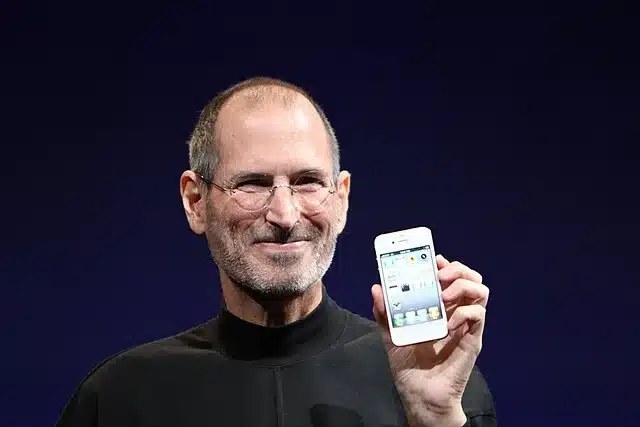
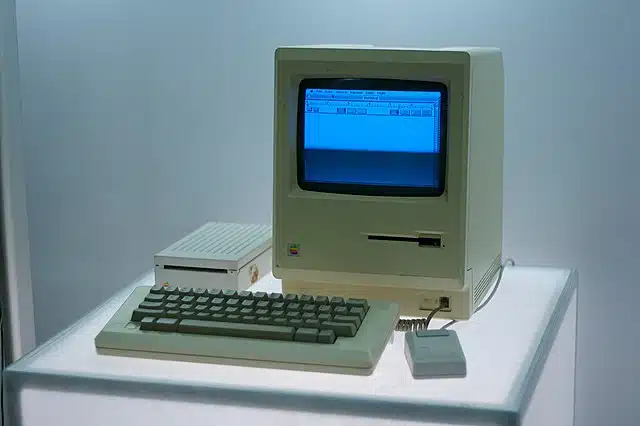
One of the most famous and popular pieces of tech ever created, the Apple Mac was made by Steve Jobs purely out of spite.
Before the Macintosh was created, most computers were black screens with green text, but Steve Jobs was working on a computer that would change everything.
Instead of the black screen and green text, this computer would have a user interface with cool little icons you could click on with a mouse, and it was called the Mac Lisa.
The Local Integrated Software Architecture – Lisa for short – was going to change the computer world as we know it, but it cost $9,995, which is about $30,000 in today’s money, the same as a decent new car.
In 1981, Steve Jobs was kicked off the team creating the Lisa, and he moved onto a different project team, this time for a low-cost text computer that was going to retail for about $1,000 and was called the Macintosh.

The ‘secret burial’ was the secret that invented Apple’s future
After Jobs joined the Macintosh project team, he started to steal elements of the Lisa and incorporate them into the Mac, meaning you could get Lisa-level graphics for Mac-level prices.
This meant that people didn’t want the Lisa anymore, and Macs were selling like hot cakes while Lisas sold like cold cakes.
Apple tried everything to sell the Lisa, rebranding the second version of the Lisa as the Macintosh XL with a reduced price, but even that didn’t work, and the Lisa line was officially discontinued in 1986.
Apple had a warehouse of unsold Lisa computers, and so it decided to load 2,700 brand-new computers onto semi-trucks and dump them in a ‘secret burial’ in a landfill in Utah.
People at the time were shocked by the waste of brand new tech equipment, but unfortunately, this secret was what invented its future.
While the tax write-off money helped Apple create more Macintoshes, it’s clear that the legacy of Apple is built on the pillars of discarded Lisas.
Daisy is a technology and automotive journalist covering artificial intelligence, consumer tech, Apple news, cryptocurrency, emerging technologies, and transportation innovation. Since joining the team in 2025, she has reported on everything from AI-powered startups and major iOS updates to viral car stories and the latest developments shaping transportation and the digital economy. Drawing on her background in automotive journalism and a degree in History and Journalism from Goldsmiths, University of London, Daisy specializes in breaking down complex topics into clear, engaging reporting for a global audience. Her work spans cutting-edge technology, innovative vehicles, and the people driving change across both industries. Daisy has gained first-hand access to some of the world's most talked-about technologies and innovators, including meeting Tesla's Optimus humanoid robot during its first European appearance in London. She has also discussed the future of space exploration with an astronaut, bringing unique insights and real-world perspectives to her coverage of emerging technology.




