Inside the $35bn aircraft boneyard in Arizona where planes are offered second and even third chances instead of being left to rot
Published on Dec 27, 2025 at 3:13 AM (UTC+4)
by Molly Davidson
Last updated on Dec 09, 2025 at 10:13 PM (UTC+4)
Edited by
Mason Jones

Most people think the aircraft boneyard would be where old planes go to die, but that couldn’t be further from the truth.
It’s a desert full of second chances, where retired jets are cleaned, coated, and sometimes reborn.
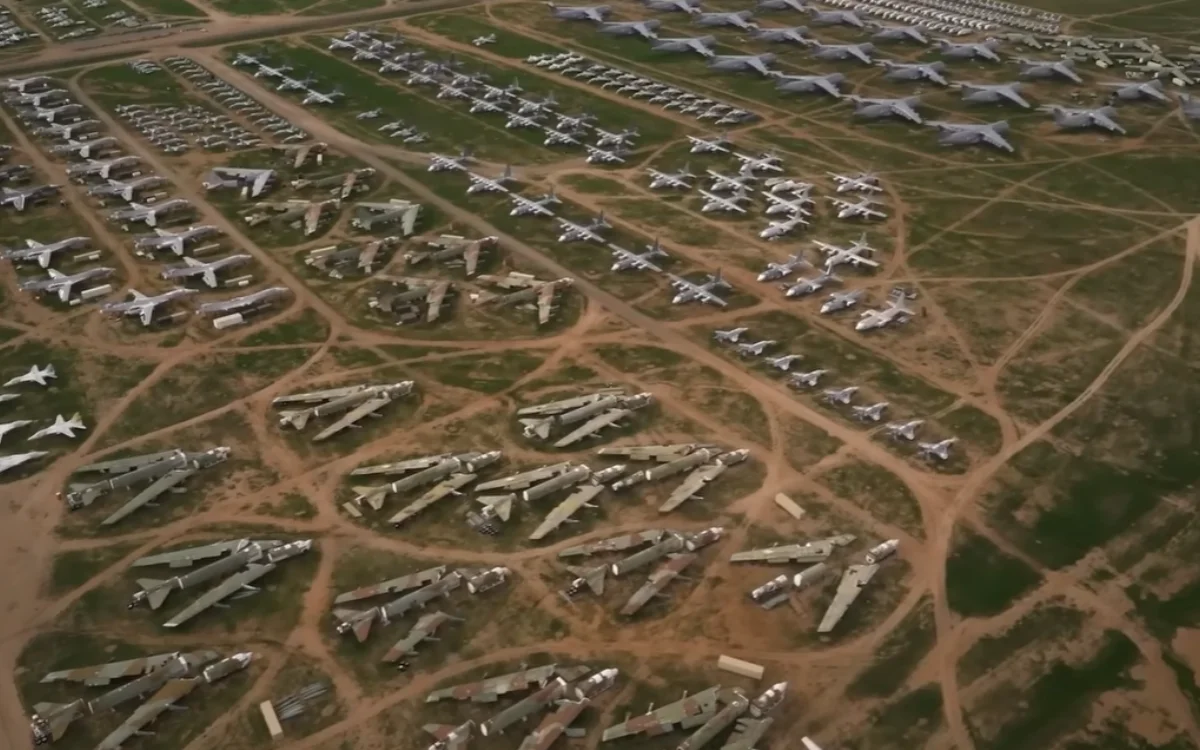
Stretching across 2,600 acres in Tucson, Arizona, this $35 billion collection looks like something out of Mad Max from above.
But inside the gates, it’s less scrapyard and more surgical lab for machines that once ruled the skies.
DISCOVER SBX CARS – The global premium auction platform powered by Supercar Blondie
Why the aircraft boneyard isn’t really a junkyard
After World War II, the US found itself with a problem: too many planes, not enough hangars.
So it parked them in the desert.
A place where metal doesn’t rust, rain rarely falls, and the ground’s so hard you don’t even need concrete.
The spot became home to the 309th Aerospace Maintenance and Regeneration Group, or AMARG – better known as the ‘Boneyard.’
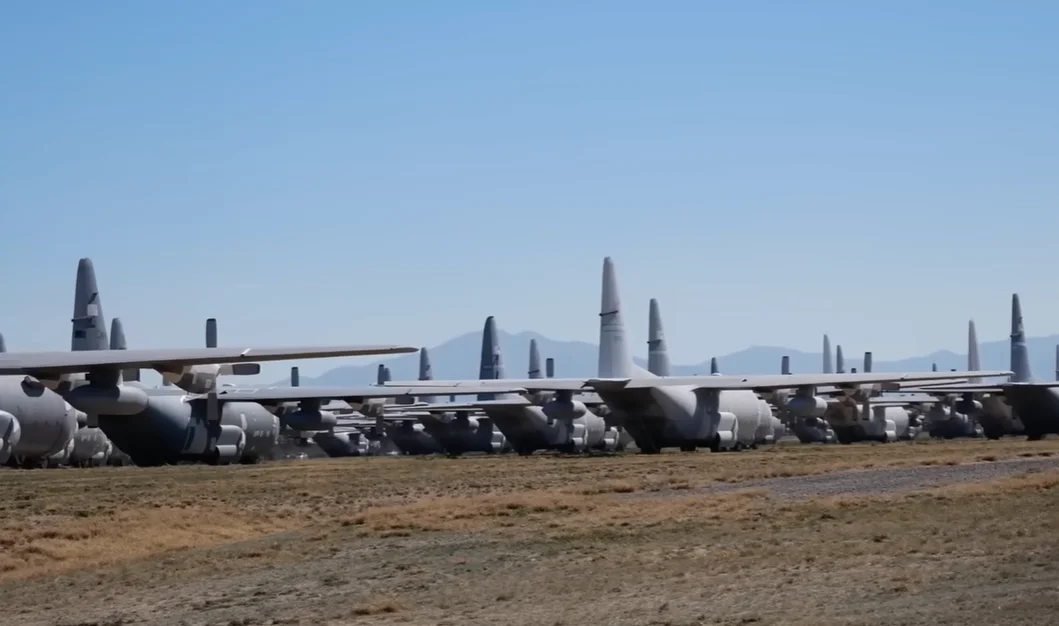
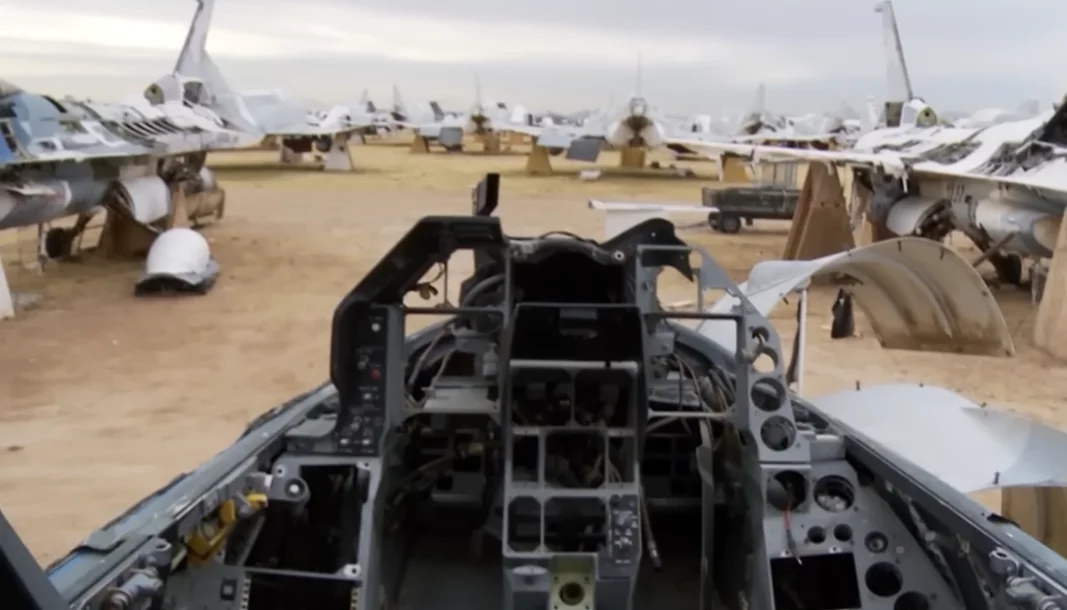
Every jet that lands here is treated like an artifact.
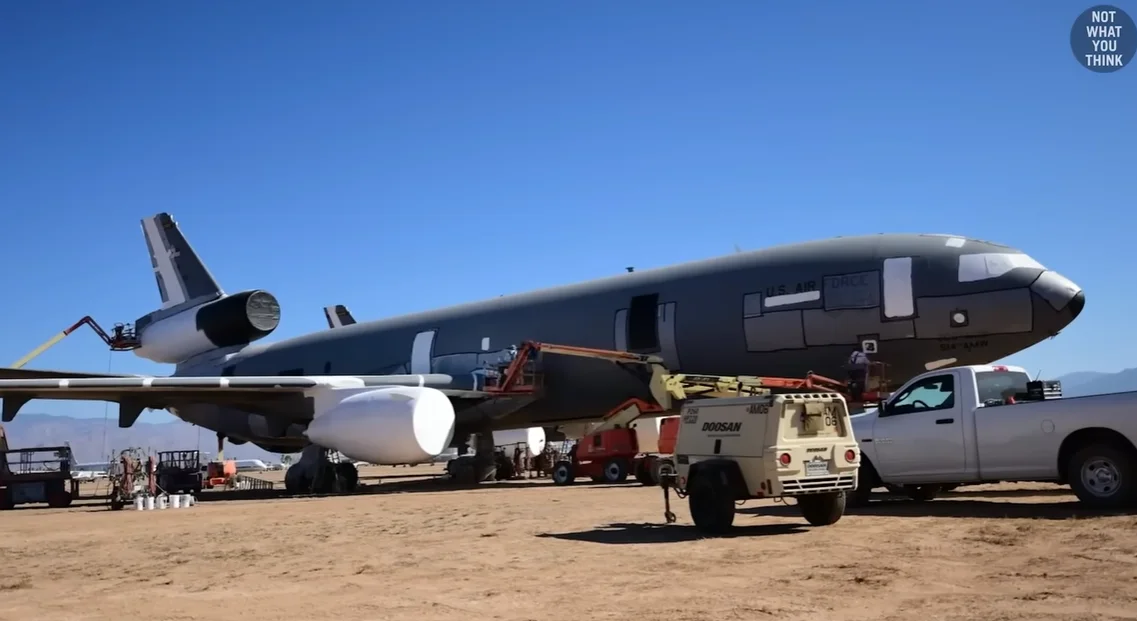
They’re drained of fuel, flushed with lightweight oil, washed clean of salt, then sealed in a water-based latex shell called Spraylat.
Engine inlets are wrapped in silver barrier paper to keep out dust and curious birds.
A bright white coat reflects sunlight, so cockpit temps stay just 10 to 15 degrees above ambient.
Like sunscreen for aircraft.
Once they’re mummified in glossy white, they’re strapped down with as many as 72 tie-downs so desert winds don’t nudge them into each other.
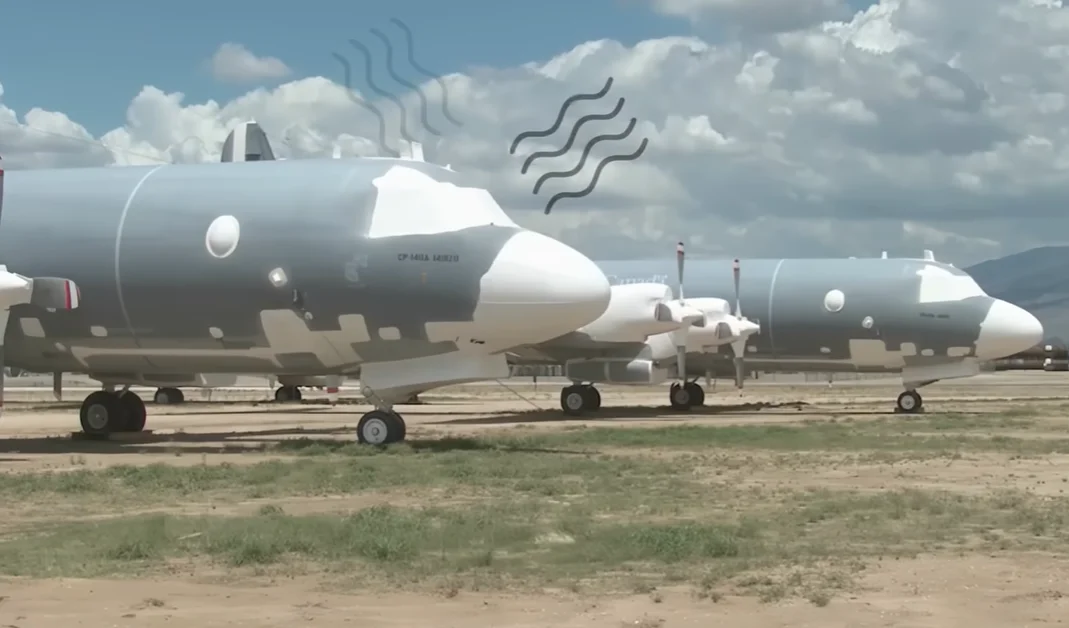
And when it’s time to peel the layers off, technicians strip the coating and bring systems back online like surgeons waking a patient from stasis.
Some of these planes even get new missions.
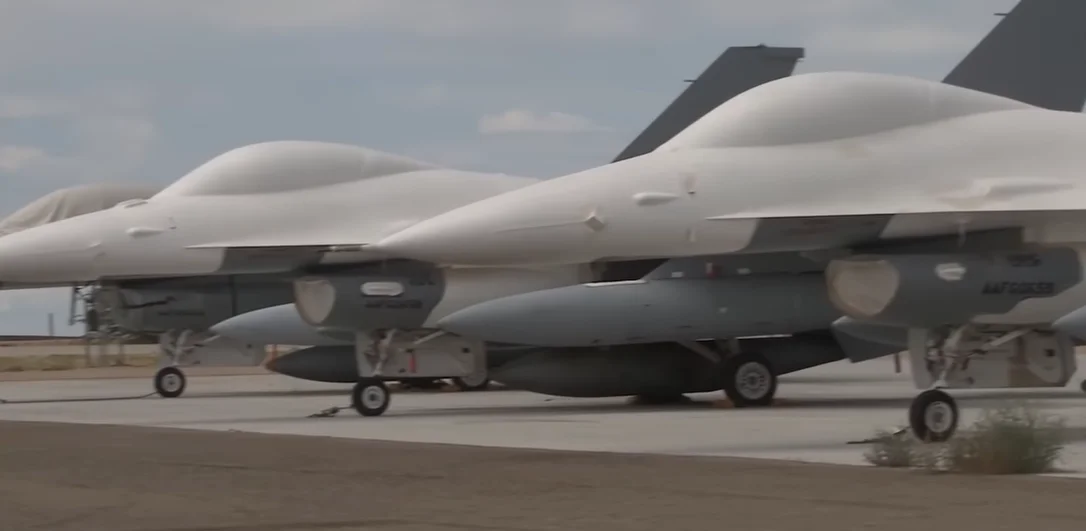
Old F-16 Vipers are reborn as QF-16 drones – fully flyable, pilot-optional, and used for live-fire testing.
So much for a quiet retirement.
These jets clock back in as target practice.
The second life of a retired jet at AMARG
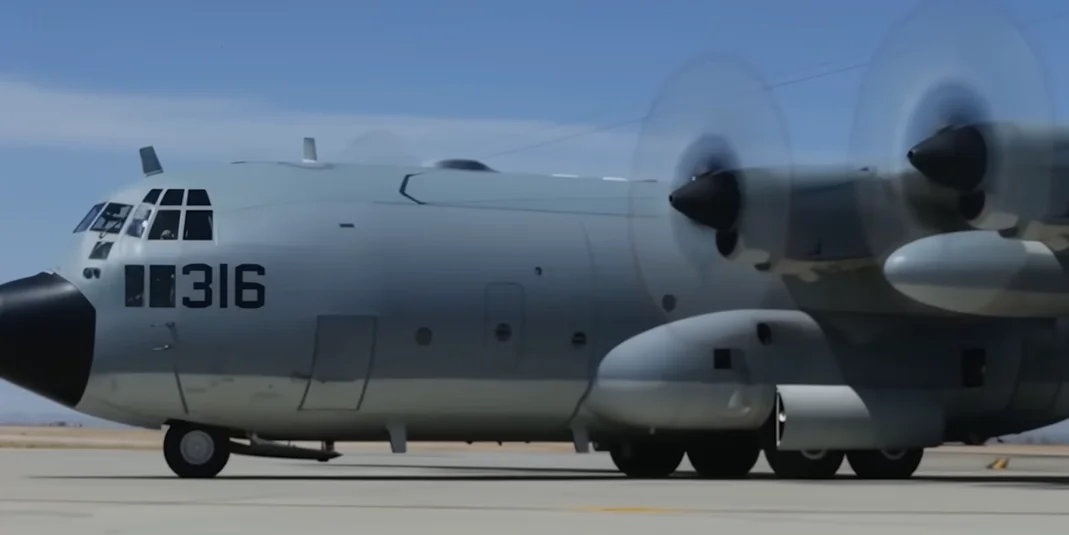
A new arrival trades places with one ready to move on.
Some leave for museums, others for foreign allies like the Philippines, and plenty are cannibalized so active fleets can keep flying.
AMARG ships between $250 million and $500 million worth of salvaged parts back into service each year, keeping aging fleets alive without new production lines.
From above, the Boneyard looks like endless rows of wings frozen mid-flight.
But really, they’re just waiting for the next mission under the desert sun.
DISCOVER SBX CARS: The global premium car auction platform powered by Supercar Blondie
With roles at TEXT Journal, Bowen Street Press, Onya Magazine, and Swine Magazine on her CV, Molly joined Supercar Blondie in June 2025 as a Junior Content Writer. Having experience across copyediting, proofreading, reference checking, and production, she brings accuracy, clarity, and audience focus to her stories spanning automotive, tech, and lifestyle news.