Astronomers just witnessed an incredibly rare view as they spot star's direct collapse into a black hole
Published on Feb 24, 2026 at 5:14 AM (UTC+4)
by Claire Reid
Last updated on Feb 25, 2026 at 8:59 PM (UTC+4)
Edited by
Emma Matthews
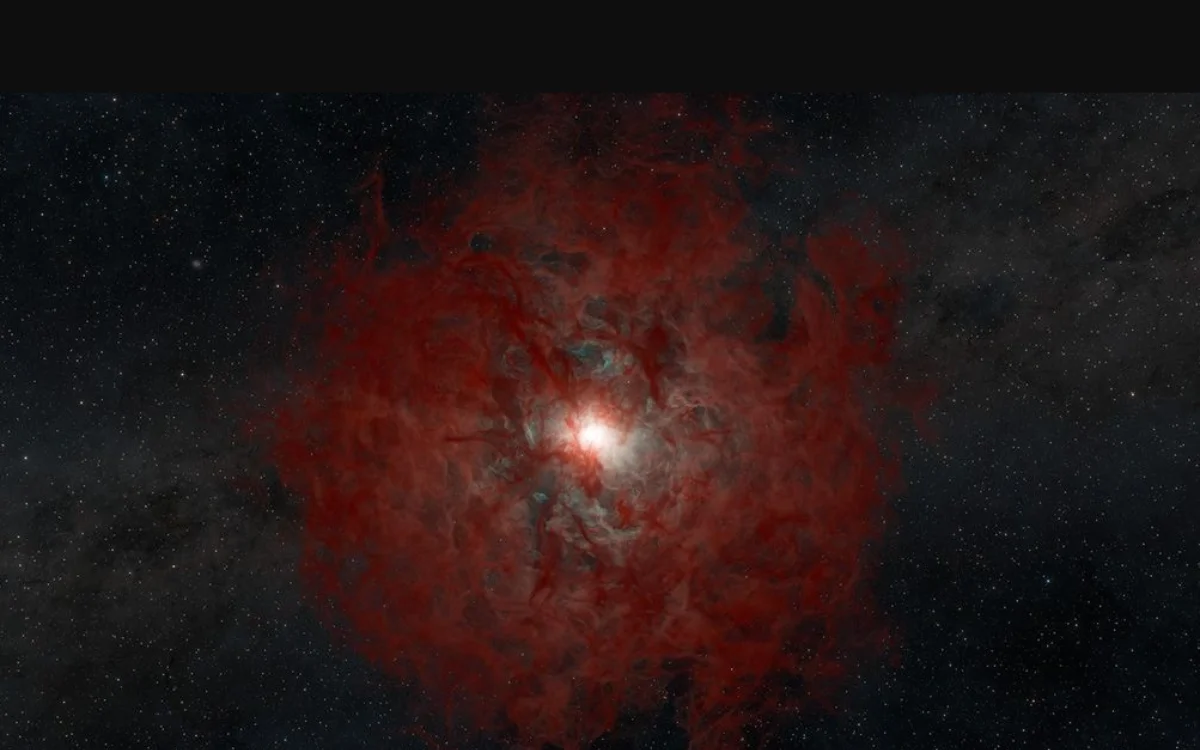
Scientists have shared the clearest evidence ever of a star collapsing into a black hole, with one astronomy professor hailing it as the ‘most surprising discovery’ of his life.
The star, named M31-2014-DS1, was located around 2.5 million light-years from Earth and had a mass around 13 times that of the Sun.
It had been thought that stars of that size would explode as a supernova before becoming a black hole.
However, this newly found evidence appears to show this particular star having a ‘direct collapse’ to become a black hole.
DISCOVER SBX CARS – The global premium auction platform powered by Supercar Blondie
The star turned into a black hole, without becoming a supernova
Scientists have believed for some time that stars can become black holes without passing through the supernova stage, but finding evidence to back that up has proved a little more difficult.
But now, researchers from Columbia University have shared the clearest ever images of a star going through ‘direct collapse’ and turning into a black hole without exploding into a supernova.
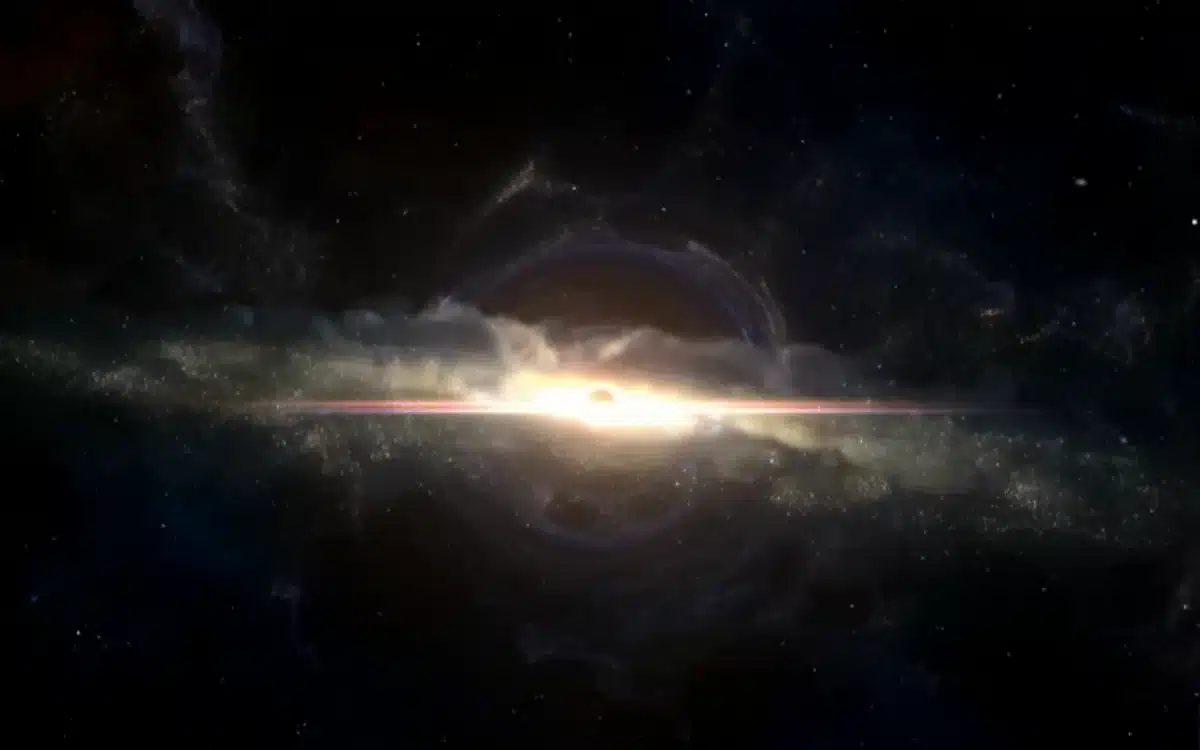
Astronomers say the way in which it became a black hole suggests that at the end of its life, the inner core wasn’t pushed out in a typical supernova explosion, but instead it had an inward collapse.
Although once 13 times the mass of the Sun, powerful solar winds had stripped a lot of that weight during its life, so that at the time of its death, M31-2014-DS1 was around five times the mass of the Sun.
“The dramatic and sustained fading of this star is very unusual, and suggests a supernova failed to occur, leading to the collapse of the star’s core directly into a black hole,” Columbia University astronomy professor Kishalay De said.
“Stars with this mass have long been assumed to always explode as supernovae.
“The fact that it didn’t suggests that stars with the same mass may or may not successfully explode, possibly due to how gravity, gas pressure, and powerful shock waves interact in chaotic ways with each other inside the dying star.”
Click the star icon next to supercarblondie.com in Google Search to stay ahead of the curve on the latest and greatest supercars, hypercars, and ground-breaking technology
The images were taken more than a decade ago, but had remained unnoticed until now
The new findings have been published in the journal Science this month, but the images on which the findings are based are actually more than a decade old.
In 2014, a NASA telescope observed an infrared light coming from the M31-2014-DS1 in the Andromeda galaxy that continued to grow brighter.
The glow intensified for around three years before it dramatically vanished, leaving behind a dust shell.
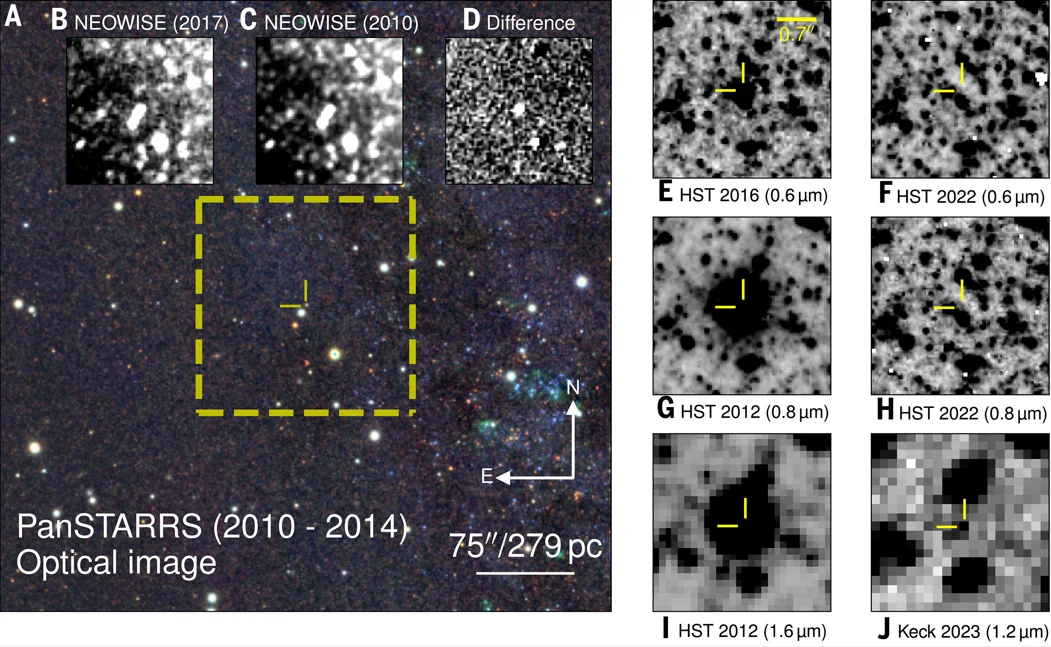
These images went unnoticed until the team at Columbia University took a closer look and realized what they’d found.
“This has probably been the most surprising discovery of my life,” De said.
“The evidence of the disappearance of the star was lying in public archival data, and nobody noticed for years until we picked it out.”
DISCOVER SBX CARS: The global premium car auction platform powered by Supercar Blondie
With a background in both local and national press in the UK, Claire has covered a range of topics, including technology, gaming, and cryptocurrency, since joining the editorial team at Supercar Blondie in May 2024. Her ability to be first to a story has been integral to making SB’s coverage of scientific discovery, AI, and global tech news a slick 24/7 operation.