Australia launches investigation into Chinese electric bus fleet after discovery of potential security risk
Published on Jan 23, 2026 at 3:09 PM (UTC+4)
by Daisy Edwards
Last updated on Jan 23, 2026 at 8:54 PM (UTC+4)
Edited by
Emma Matthews
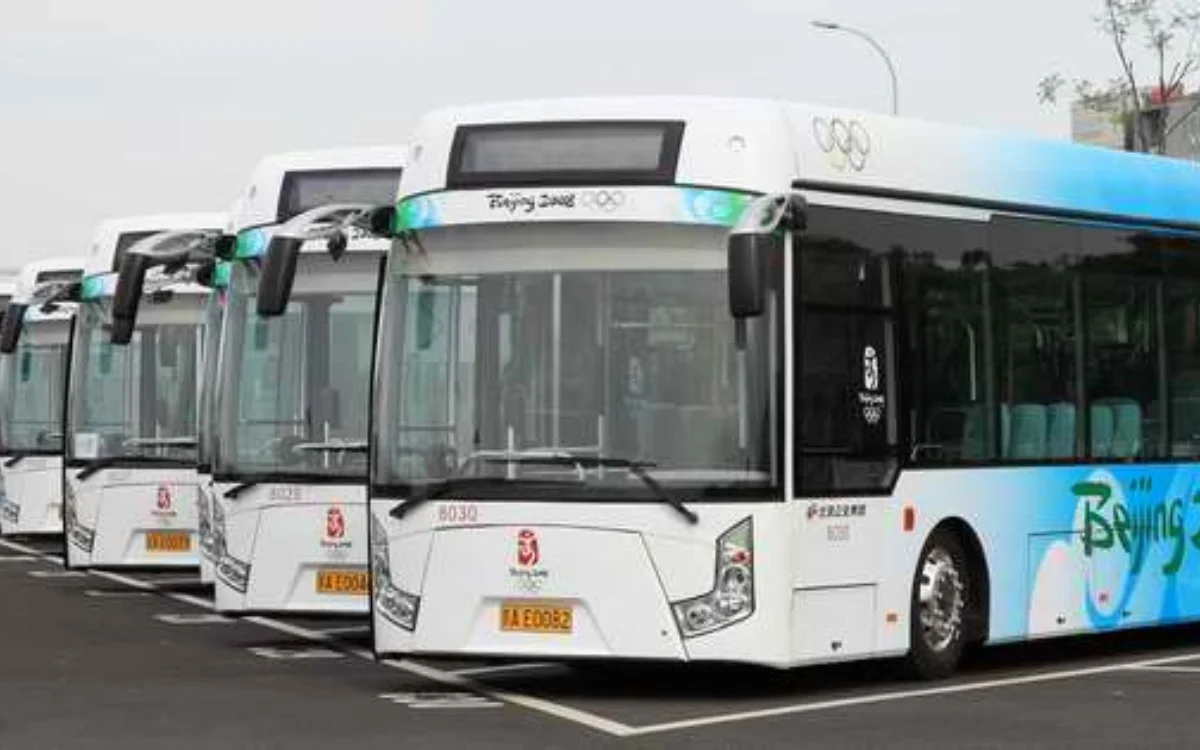

Australia is investigating its own Chinese electric bus fleet after overseas tests raised fears they could be remotely shut down.
The investigation follows warnings that some manufacturers may have access to software update systems that could be exploited as a digital ‘kill switch’.
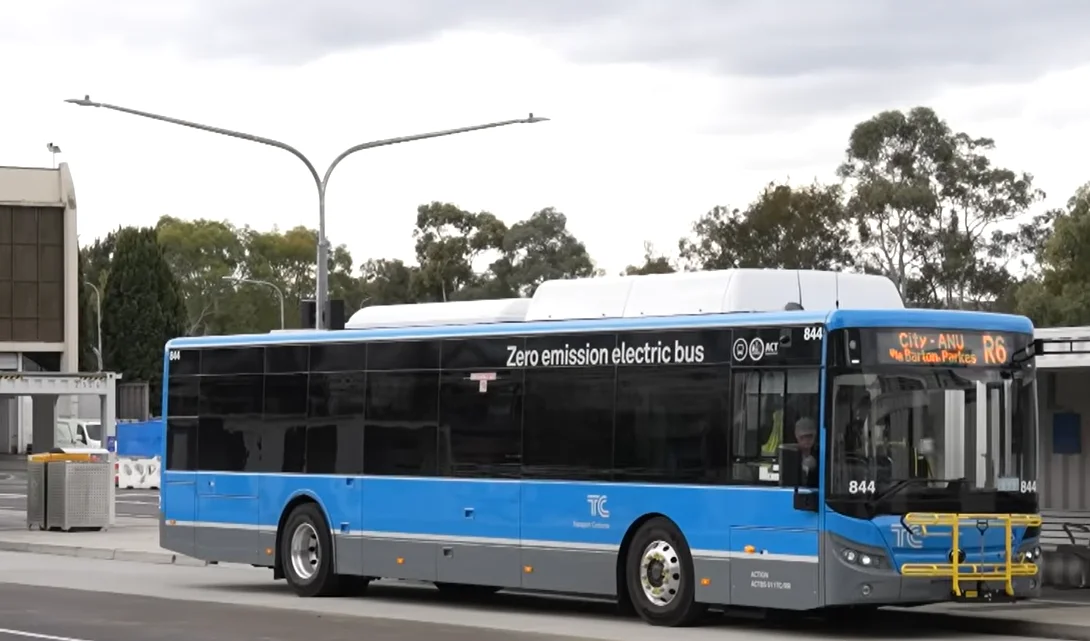
Transport Canberra, which operates 102 of the buses, says an initial check found no vulnerabilities, but it is now running a second investigation to be sure.
The buses will stay on the road serving the people of Canberra while the review continues.
EXPLORE SBX CARS – Supercar auctions starting soon powered by Supercar Blondie
An Australian investigation into the Chinese electric bus fleet
Concerns about the Chinese bus EVs were sparked by test results published by a Norwegian public transport operator, which suggested that a Chinese bus maker had access to control systems used for software updates.
Cybersecurity specialists say that kind of access can create a pathway for interference, even if it is intended for maintenance.
Those warnings hit close to home in the ACT, where Transport Canberra runs more than 100 electric buses supplied through a local distributor.
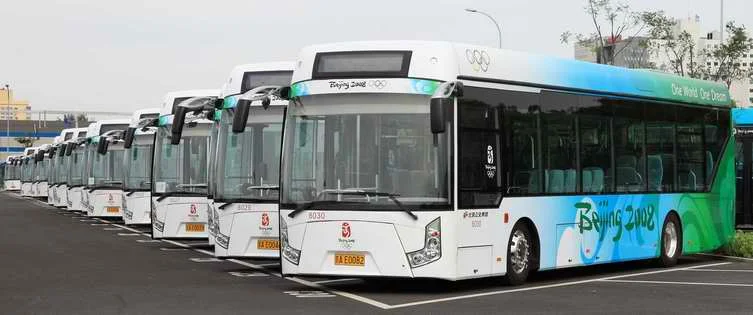
Officials say the first internal investigation did not identify any security weaknesses, but a follow-up review has been ordered as similar risks are now being examined in the UK.
The core worry is not just where the buses are built, but how they are managed.
Experts argue the threat grows with every connected Chinese-built electric bus added to the fleet, particularly if control and update systems can be influenced from outside the operator’s direct oversight.
Click the star icon next to supercarblondie.com in Google Search to stay ahead of the curve on the latest and greatest supercars, hypercars, and ground-breaking technology
Potential security risk tied to software updates
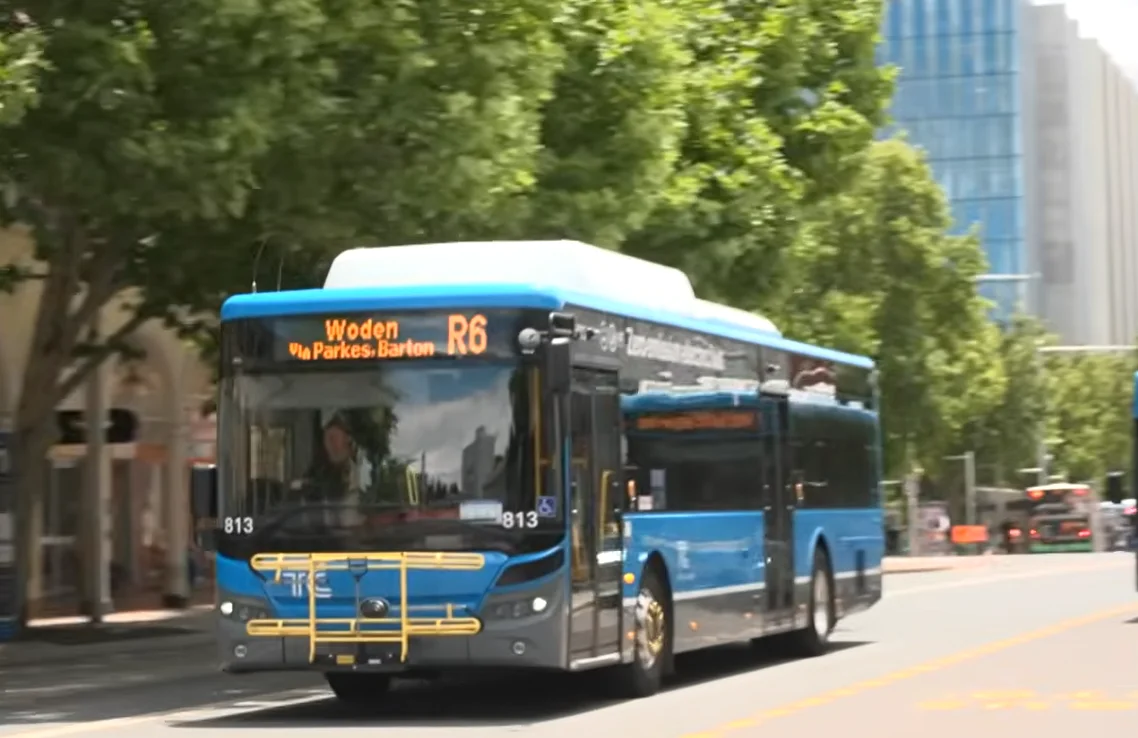
Transport Canberra says software updates are carried out by technicians on-site rather than through remotely accessed systems.
They also say the buses do retain some connectivity, but only for monitoring performance and maintenance needs.
For cybersecurity experts, that reassurance does not fully settle the issue.
They point out that even if updates are physically installed by staff locally, operators are not realistically able to audit every line of code or confirm exactly what hidden functions might exist within complex vehicle software.
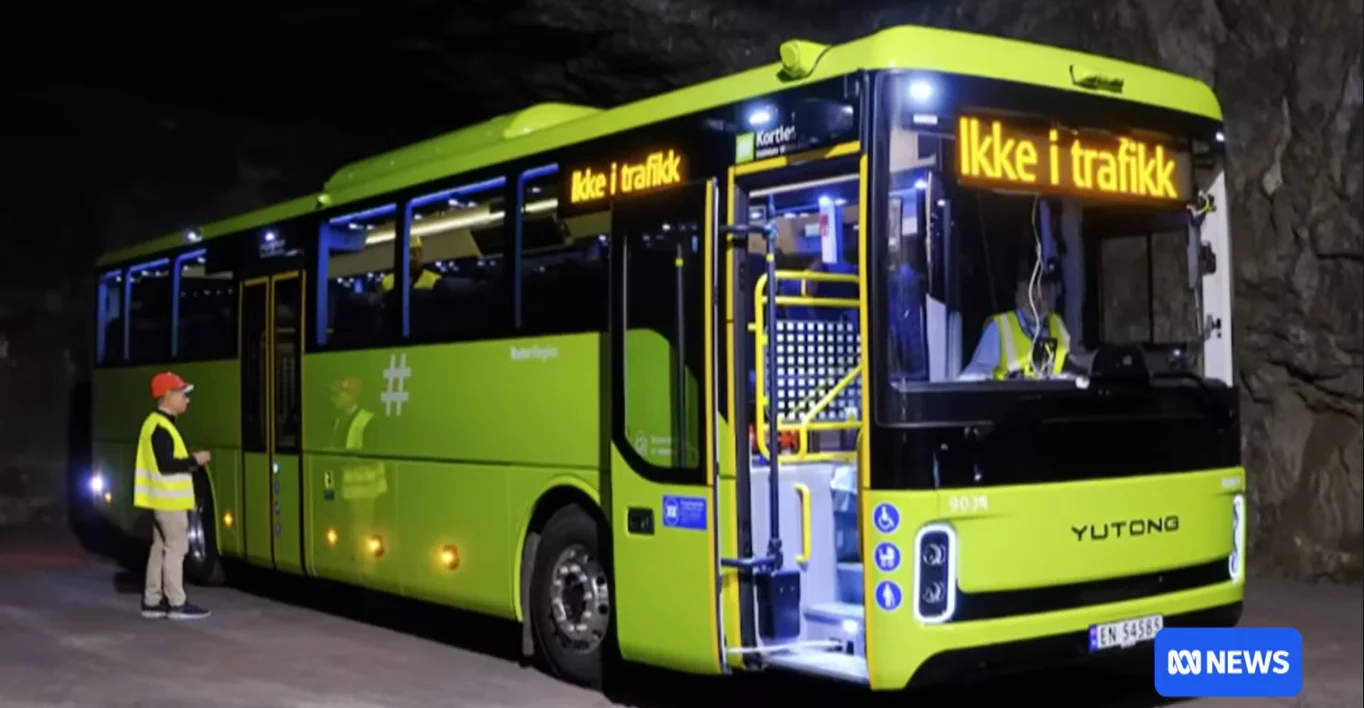
The investigation is continuing, and the Chinese electric bus fleet remains in service while the company works to confirm whether any remote access pathways exist and how vehicle data is handled by potential remote hackers.
For now, the story highlighted a growing challenge for governments shifting to electric public transport: modern buses are not just vehicles, they are computers on wheels.
DISCOVER SBX CARS: The global premium car auction platform powered by Supercar Blondie