Tesla owner shares the wild surprise email he received after waiting 7 years for his Cybertruck reservation
Published on Oct 27, 2026 at 6:30 AM (UTC-4)
by Alessandro Renesis
Last updated on Oct 27, 2026 at 6:30 AM (UTC-4)
Edited by
Mason Jones

This Tesla owner finally got a response from the company around seven years after ordering a Cybertruck.
Sadly for him, the response wasn’t a positive one.
He’ll get a full refund, but that’s beside the point.
This is because the email indirectly answers a question we’ve all been asking.
This is what Tesla had to say
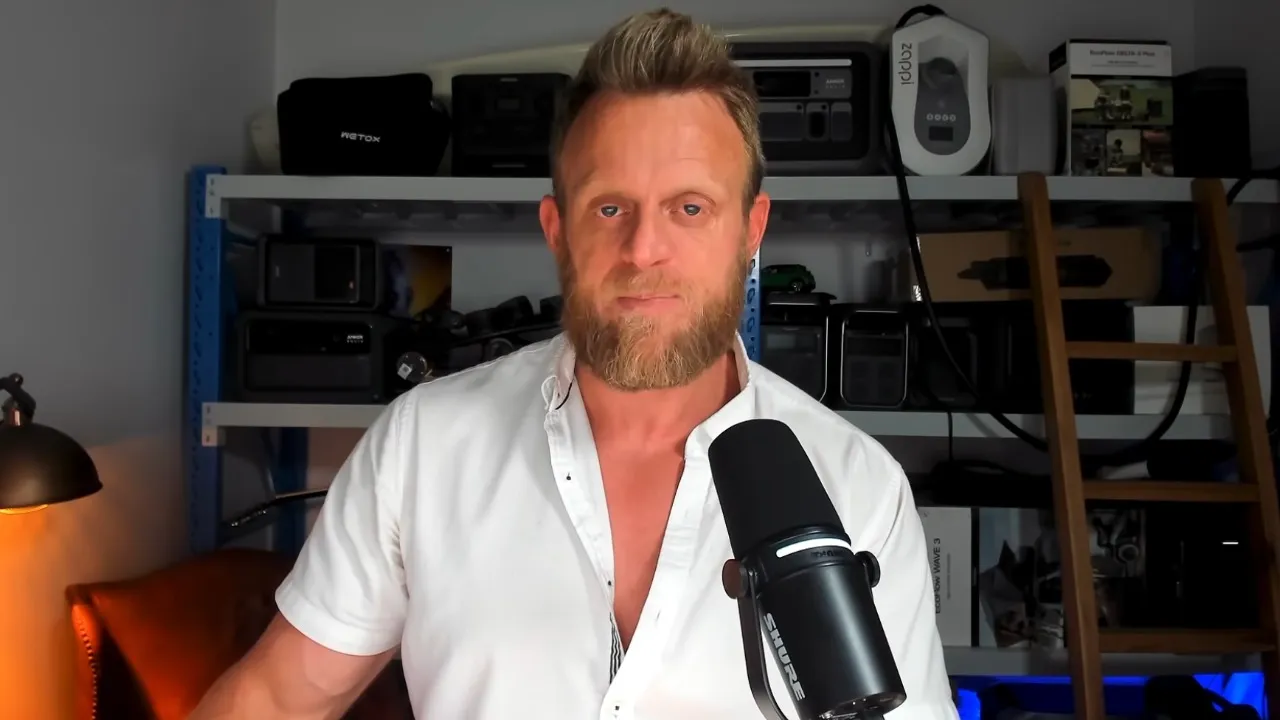
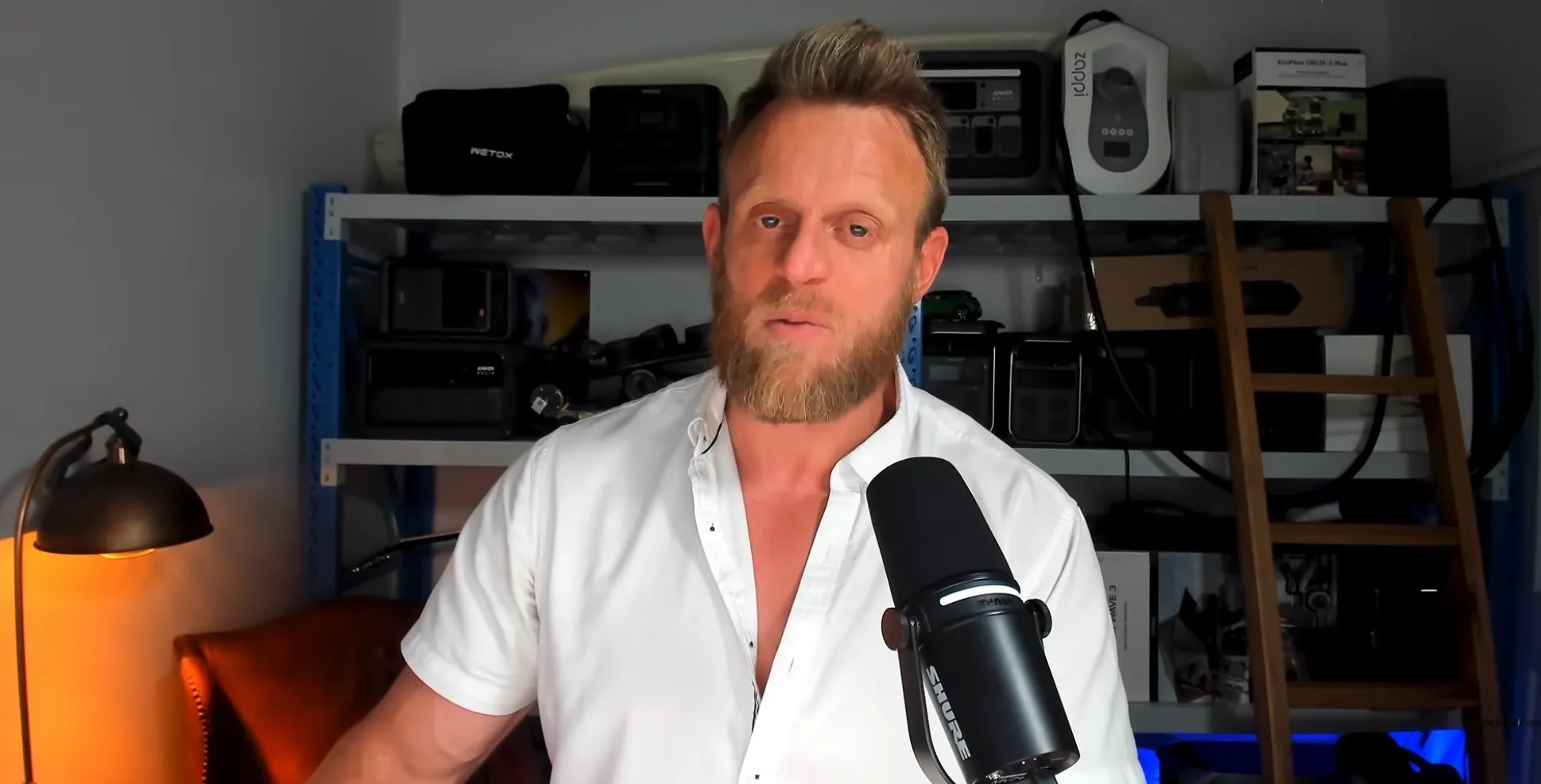
Tesla owner and YouTuber The Electric Viking apparently just received an email from the company about his Cybertruck order.
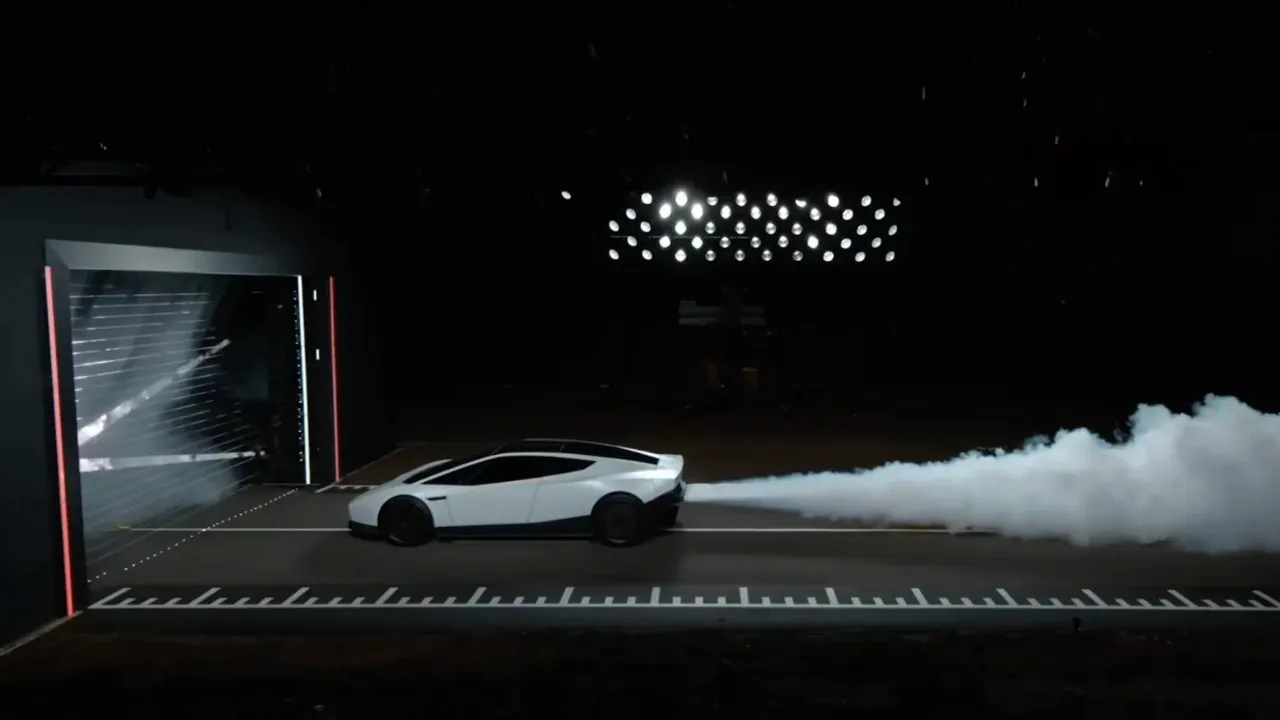
As it turns out, the automaker has officially canceled all Cybertruck reservations in Australia and New Zealand after a seven-year wait.
Tesla has decided not to build a right-hand drive version of the Cybertruck, effectively canceling the orders of nearly 30,000 customers.
All deposit holders will receive a full refund within 30 days of confirming their details.
“Tesla emailed me to say my dream is over. Seven years was a long time to wait for an email that eventually said no,” the YouTuber said with bitter irony.
The irony was even more evident when he scrolled further down and realized what Tesla was offering instead.
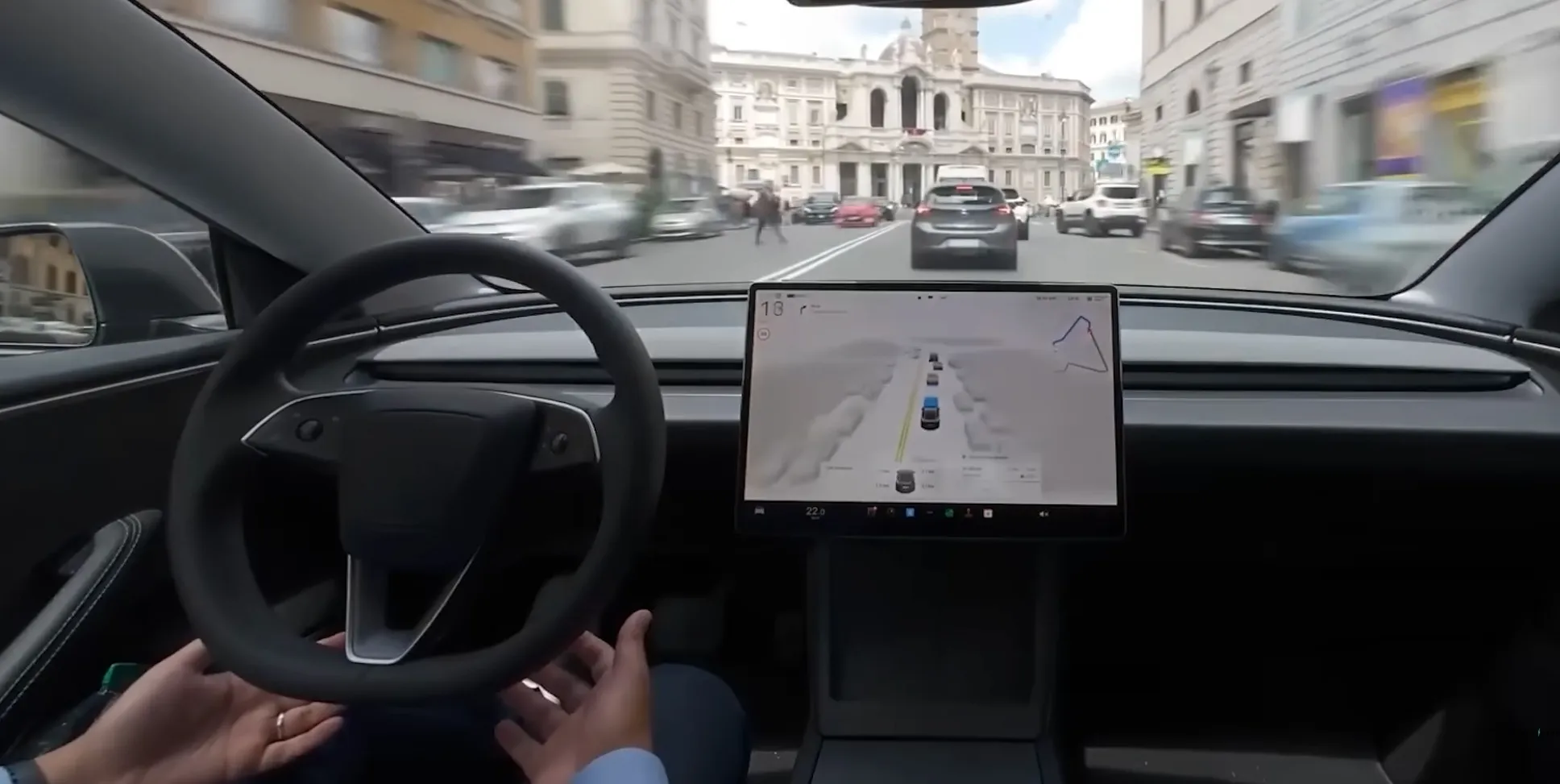
To soften the blow, Tesla is offering one year of Full Self-Driving, but only if the customer orders a new Model 3 or Model Y by the end of the year.
“The apology for not selling you a car is a sales pitch for a different car,” he joked.
As the YouTuber himself noted, this is part of a larger trend where Tesla has struggled with global demand for certain vehicles, which also led to the discontinuation of the Model S and Model X.
This confirms something we already knew about the Cybertruck
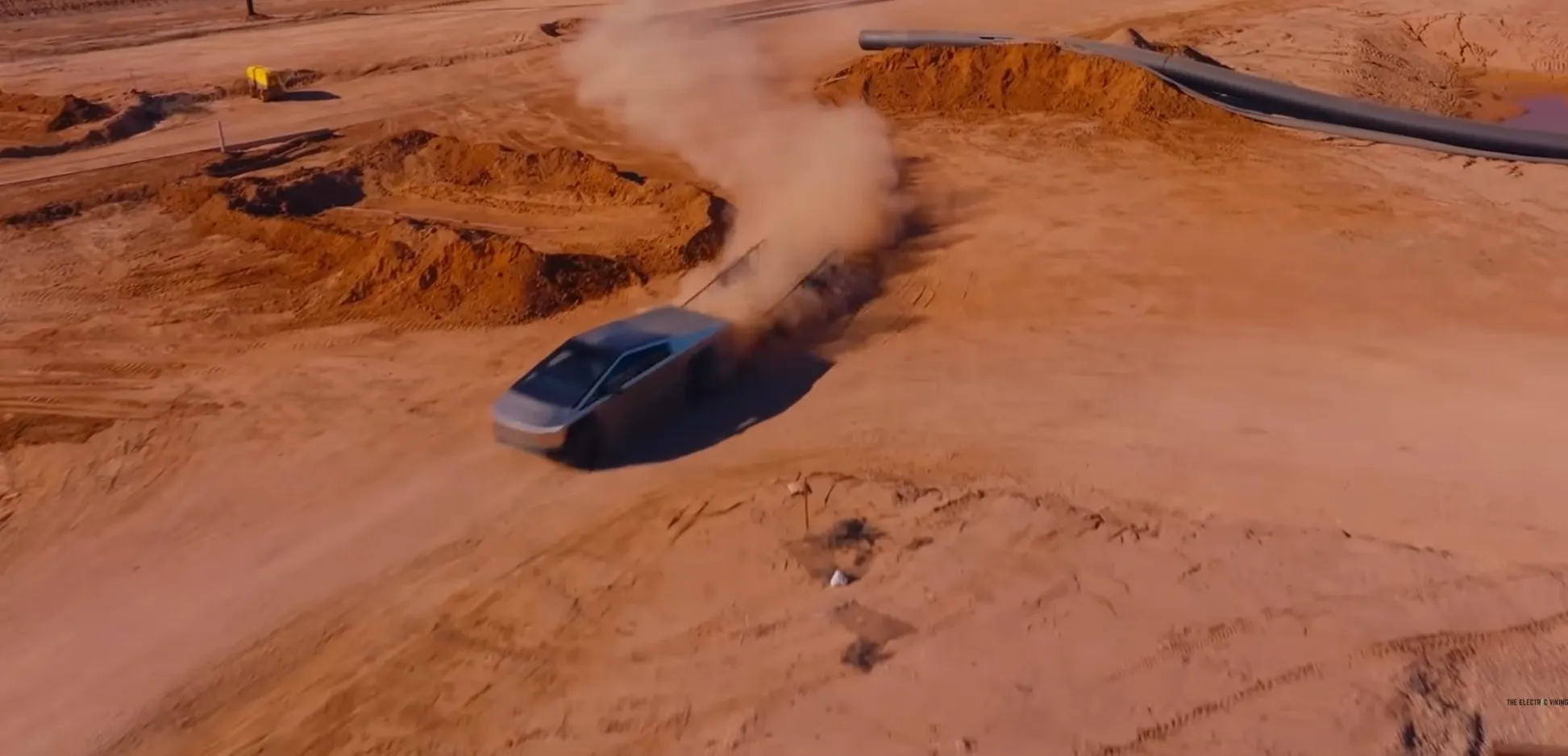
When the Cybertruck was finally launched as a production vehicle, it became clear almost right away that this would be a flagship vehicle, not a mass-volume vehicle.
When you look at it, nothing about it is ‘normal’, and therefore nothing about it is scalable.
The steer-by-wire system, for example, has to be reconfigured and re-approved in every jurisdiction.
Then there’s the styling.
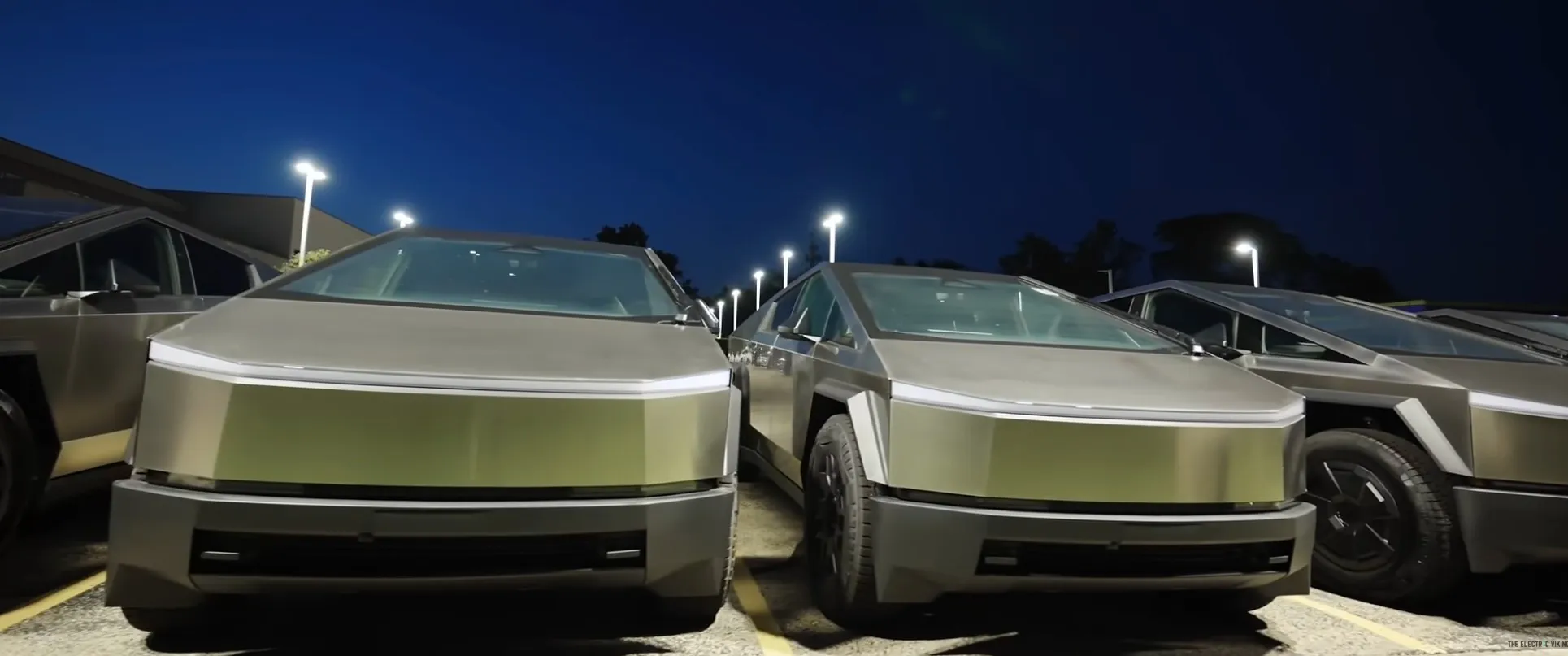
Those sharp, angular lines would be impossible to homologate in most regions, including Europe.
And since Tesla never really addressed this, the chance of Cybertruck becoming a global vehicle was always, realistically, none.
Tesla’s direction is becoming clear
When the Roadster was unveiled, Musk said this would be ‘the last car you can drive yourself‘ before the transition to autonomy.
At the moment, the manufacturer is still selling Model Y and Model 3 because these are best-selling vehicles and they drive volumes – and therefore revenue – but the pivot toward autonomy and robotics is clear.

So we know we won’t get a different Cybertruck.
But it’ll be interesting to see whether we’ll ever get a Cybertruck Version 2.0.
Who knows? Maybe a few years from now, there’ll be a steering wheel-less, pedal-less, Cybertruck II.
Alessandro is an automotive journalist with 10 years of experience covering supercars, automotive history, emerging vehicle technology, and luxury transportation. He wrote the first article published on SupercarBlondie.com when the website launched in 2022 and has since built a reputation for insightful reporting across the automotive and transportation industries. His expertise is grounded in hands-on experience. Alessandro has driven every Tesla model ever produced, from the original Roadster to the Cybertruck, and regularly covers the latest developments in electric vehicles and automotive innovation. His passion for transportation extends beyond cars, he has even flown a Boeing 787 Dreamliner simulator in Addis Ababa, Ethiopia. His reporting spans everything from classic American muscle cars and rare automotive discoveries to luxury yachts, private aircraft, high-end watches, and cutting-edge vehicle technology. Known for his deep knowledge of automotive history and ability to uncover the stories behind iconic vehicles, Alessandro brings readers a blend of historical context, technical expertise, and first-hand experience.




