Australian buys 5,000,000 YouTube views to see if it would help his channel and has one clear verdict
Published on Feb 03, 2026 at 7:34 AM (UTC+4)
by Molly Davidson
Last updated on Feb 03, 2026 at 9:24 PM (UTC+4)
Edited by
Mason Jones

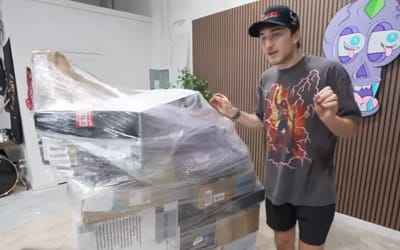
A creator in Australia decided to spend big bucks on five million YouTube views to see if it would help his channel.
He wasn’t trying to game the system or show off.
He just wanted to see if paying for views is actually beneficial for business.
So he bought them with the goal of answering the question: ‘can you pay your way to YouTube success?’
DISCOVER SBX CARS – The global premium auction platform powered by Supercar Blondie
What happens when you pay for YouTube views
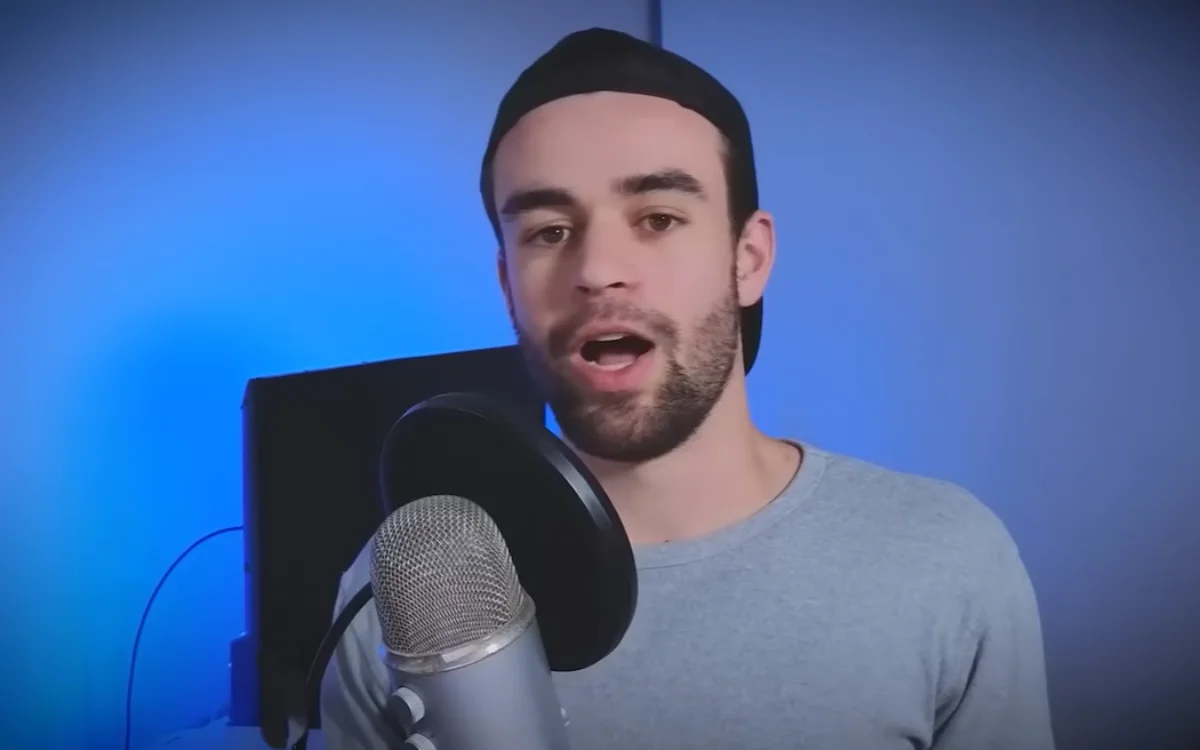
The experiment was run by Marcus Jones, who framed it as research, not advice.
He wanted to see what really happens when you inflate YouTube views, beyond the flashy number under the video.
He started with the dodgiest option first.
Bot views.
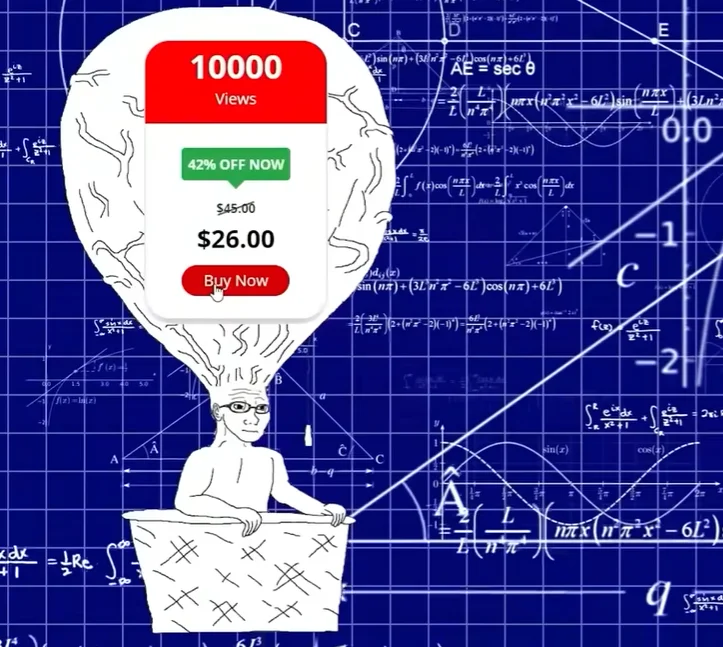
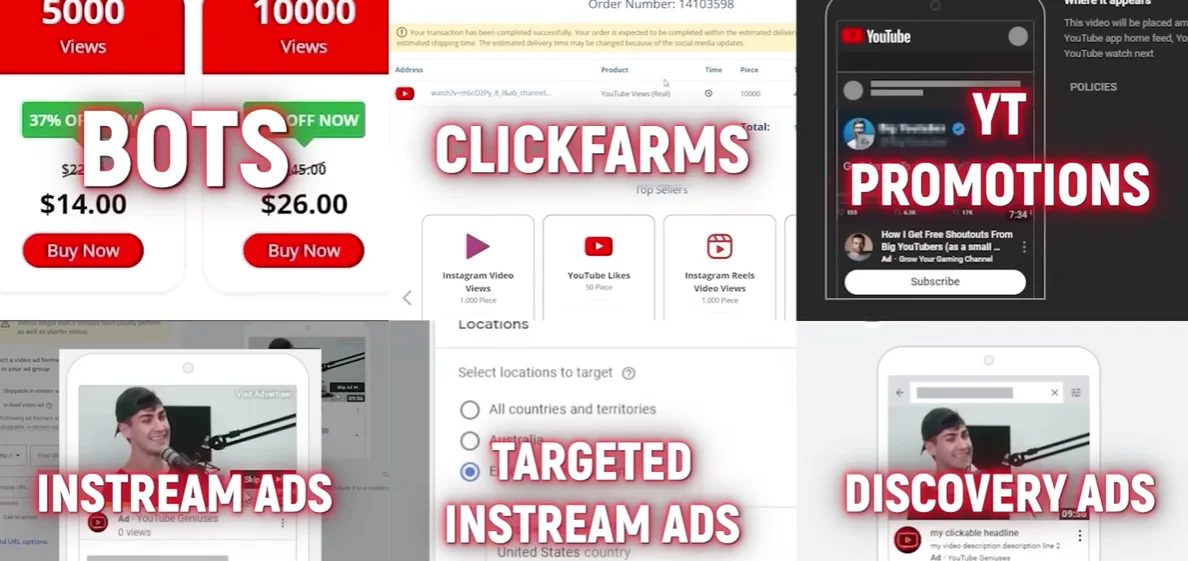
For $26, he bought 10,000 of them.
On the surface, it seemed to work.
The counter went up, which is exactly what these services promise.
Then he checked the important stuff.
Turns out, watch time barely moved, subscriber growth was tiny, and click-through rate was weak.
The graph spiked, then flattened out.
Sure, his views increased, but they didn’t behave like real viewers.
They didn’t stay, click, or come back.
Next, he tried ‘real’ views, which cost more and are sold as being watched by actual people instead of bots.
Technically, they were different.
Practically, the result barely changed.
People watched briefly, didn’t engage, and disappeared.
More views, same problem.
After that, Jones moved into more official tools.
YouTube Studio’s Promotions feature lets creators pay them directly to promote a video as an ad.
He spent about $100 and got a lot of impressions, a modest number of views, and a surprisingly solid bump in subscribers.
The catch was watch time.
Most viewers didn’t hang around long enough to make those views truly valuable.
Finally, he switched to Google Ads, where YouTube shows your video as a skippable or in-feed ad to other users.
A tactic that leverages the platform’s own ad system at scale.
By running multiple ad campaigns over time, this is where the bulk of the five million views came from.
Click the star icon next to supercarblondie.com in Google Search to stay ahead of the curve on the latest and greatest supercars, hypercars, and ground-breaking technology
What changed, and what didn’t
So after exhausting all view-harvesting avenues, did Marcus’s channel see the benefits?
His verdict: not really.
Even after all that spending, none of the methods reliably triggered meaningful organic growth from YouTube’s algorithm.
The extra views didn’t unlock homepage placement, didn’t flood suggested videos, and didn’t suddenly make the platform push the content harder.
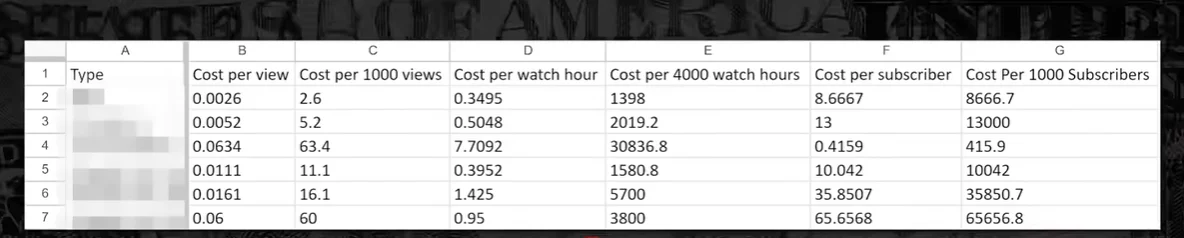
That’s because even though views went up, retention stayed poor, click-through stayed low, and YouTube cares far more about how people behave than how many times a video loads.
Don’t get us wrong: none of this means paid YouTube views are totally useless.
They can help with appearances, subscriber pushes, or making a brand-facing video look less dead.
Jones also didn’t see strong evidence that paid views permanently damage organic reach.
But the takeaway remains you just can’t buy momentum.
If people don’t actually enjoy the video, YouTube won’t pretend they do.

DISCOVER SBX CARS: The global premium car auction platform powered by Supercar Blondie
With roles at TEXT Journal, Bowen Street Press, Onya Magazine, and Swine Magazine on her CV, Molly joined Supercar Blondie in June 2025 as a Junior Content Writer. Having experience across copyediting, proofreading, reference checking, and production, she brings accuracy, clarity, and audience focus to her stories spanning automotive, tech, and lifestyle news.