A blue envelope is all Washington drivers need to signal to police that they may need extra time or patience during a stop
Published on May 25, 2026 at 2:22 AM (UTC-4)
by Jason Fan
Last updated on May 26, 2026 at 10:58 AM (UTC-4)
Edited by
Mason Jones
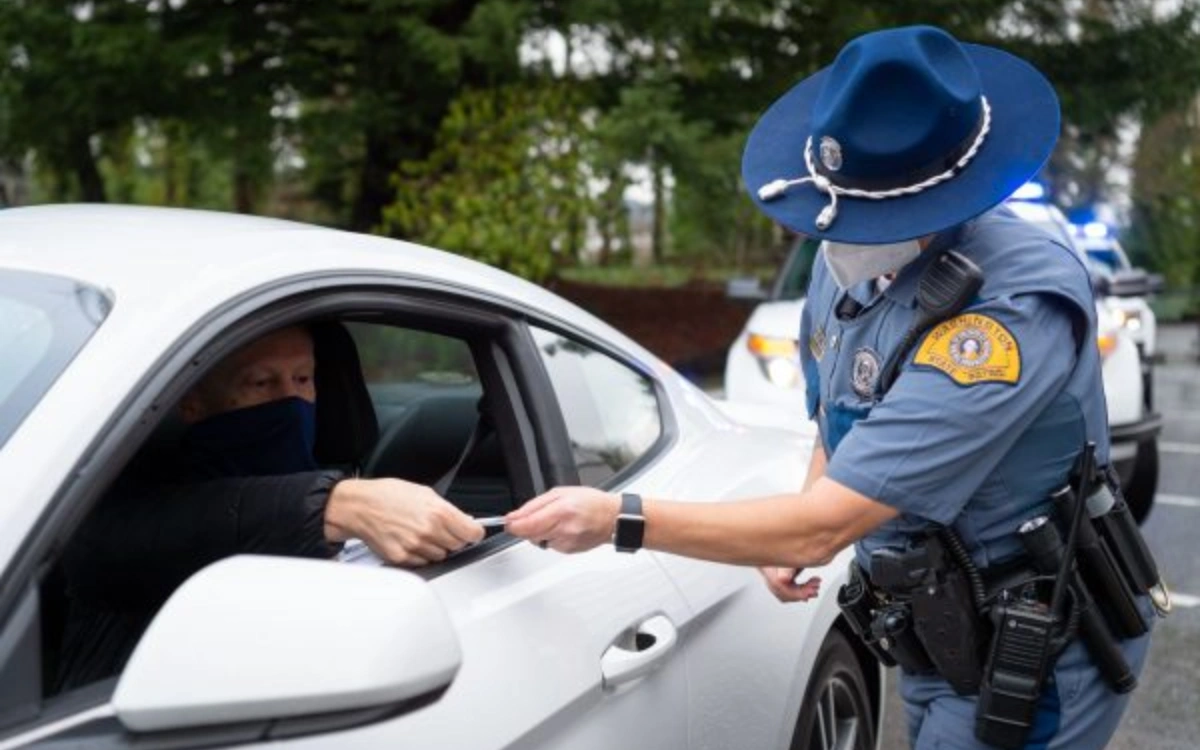

A simple blue envelope could soon make a big difference for neurodivergent individuals during routine traffic stops, as a new initiative rolls out for Washington drivers.
The idea is straightforward: make these encounters less stressful and more predictable for people who process the world differently.
It may not seem like a huge change, but it could have a big impact during high-pressure moments on the roads.
And yes, all you need is a simple piece of paper.
Traffic stops can be really stressful
Under a new law, Washington State is rolling out a voluntary ‘blue envelope’ program designed to improve communication between drivers and law enforcement.
The envelopes will contain essential documents like registration and proof of insurance.
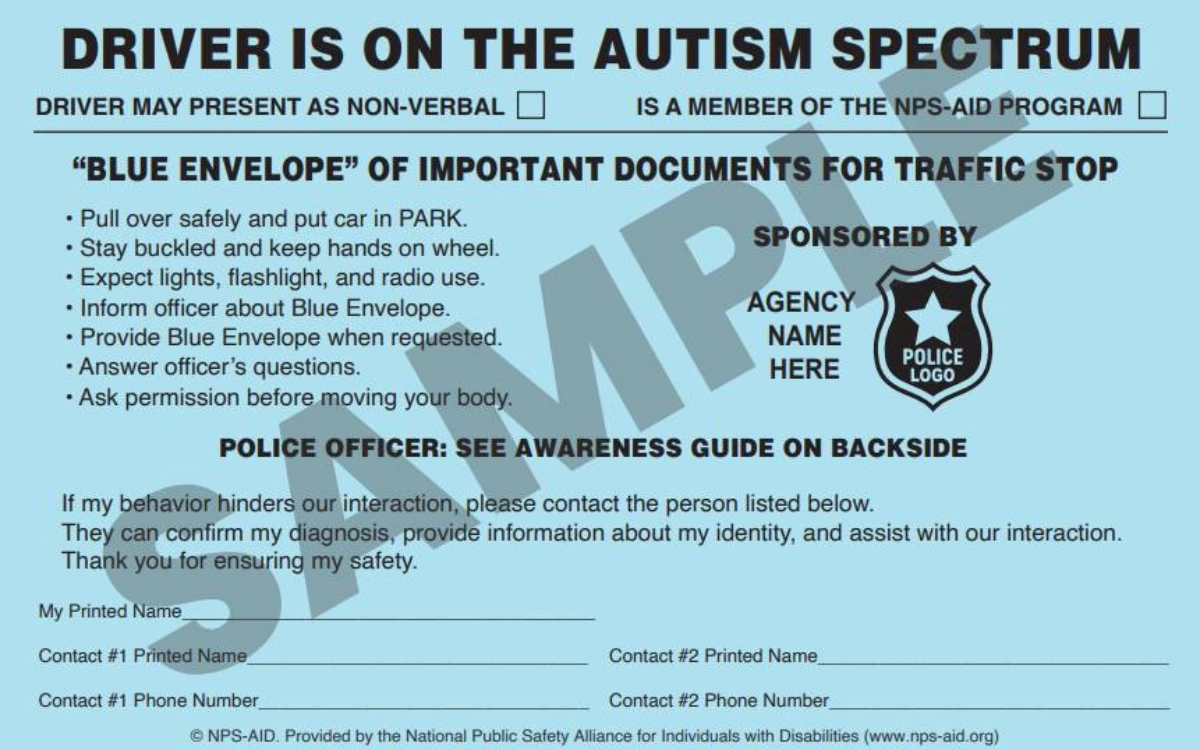
However, they will also serve another purpose: quietly signaling to officers that the driver may need extra patience or clarity during the traffic stop.
Each envelope will include printed guidance for both parties.
For officers, that might mean speaking calmly, asking simple questions, and avoiding overwhelming sensory inputs like bright lights or loud commands.
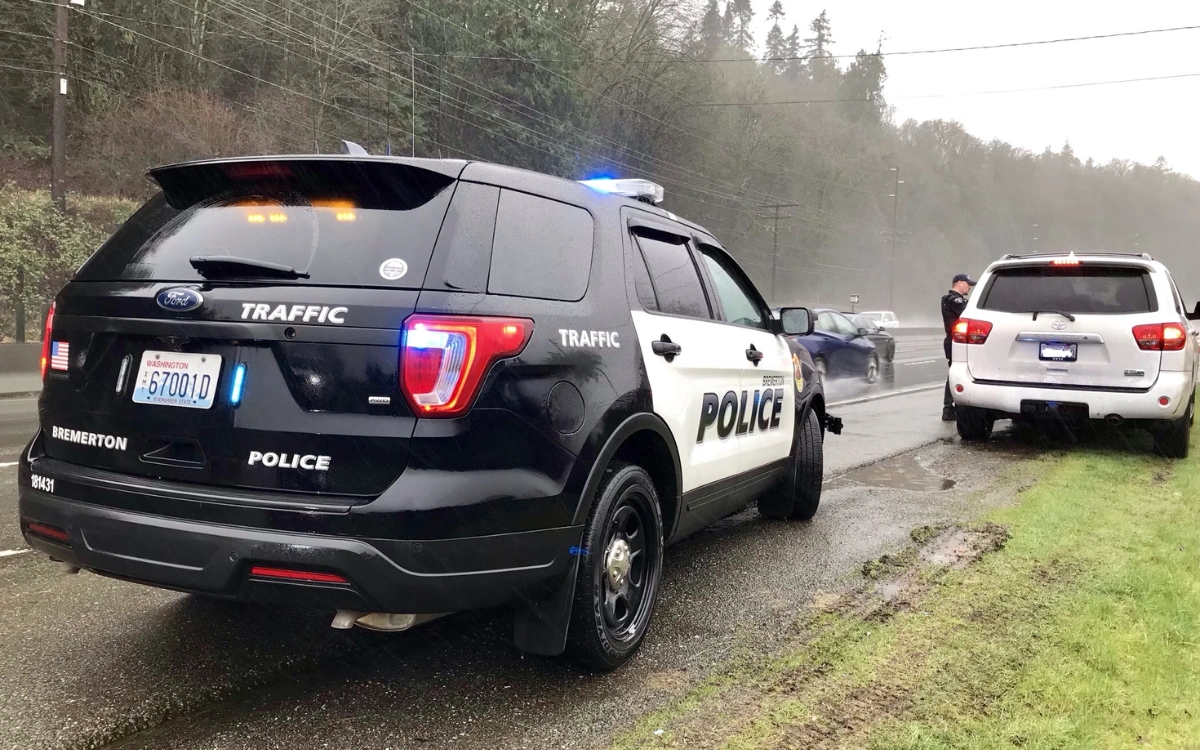
For drivers, it offers a structured way to present documents and communicate their needs without added stress.
These adjustments can make a significant difference, especially for individuals with conditions such as autism, ADHD, or OCD, where sensory triggers or processing delays can affect responses.
The initiative was championed by Washington State Representative Carolyn Eslick, who emphasized that the goal is to prevent misunderstandings before they escalate.
Research has shown that by age 21, one in five individuals with autism has been pulled over by police, which highlights how common (and potentially stressful) these encounters can be.
People on Reddit were mostly onboard with the new scheme.
“I’ve seen an autistic family member go non-verbal under stress and unable to answer simple questions verbally. This could be a life saver,” said one person.
Another suggested that having an official envelope with all your documentation in one place could be useful even for those who aren’t neurodivergent.
“Clear expectations and predictability help everyone,” he said.


The blue envelope program doesn’t require medical documentation
While Washington’s approach is new, it’s not without precedent.
Connecticut became the first to introduce a similar program in 2020, also using blue envelopes to help drivers communicate with officers.
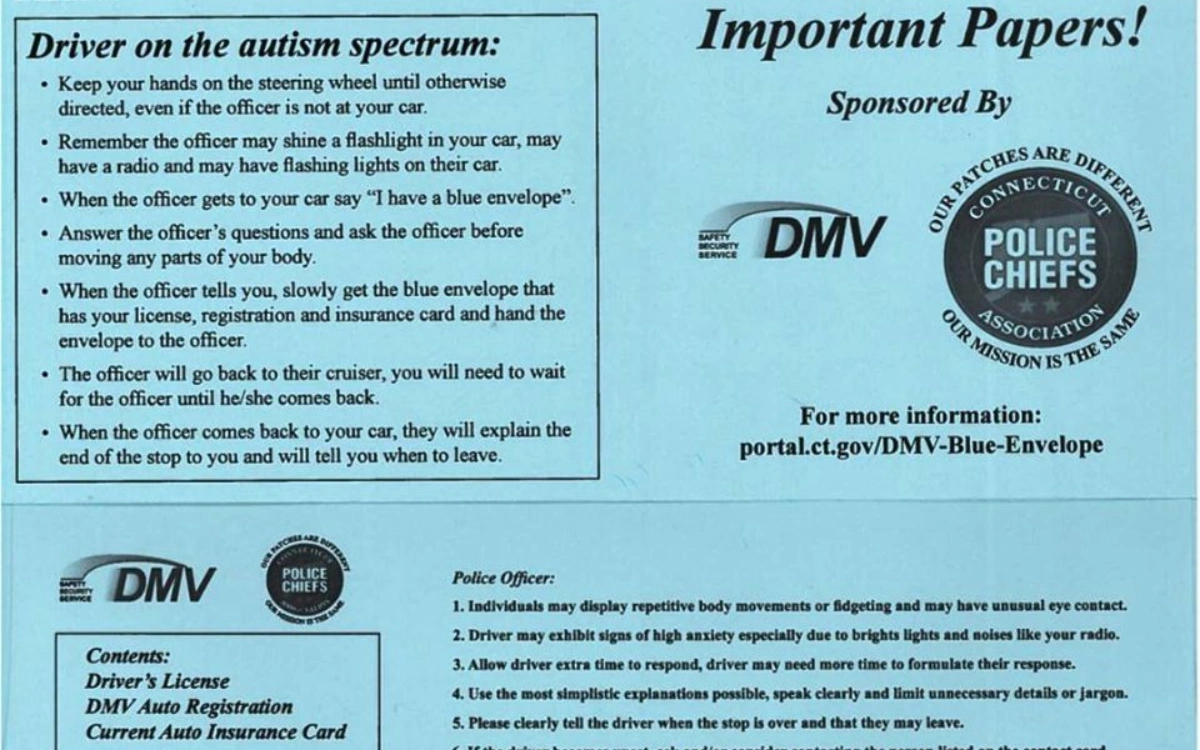
Other states have followed with their own variations.
Arkansas, for example, offers green envelopes for drivers with mental health conditions and blue envelopes for those on the spectrum.
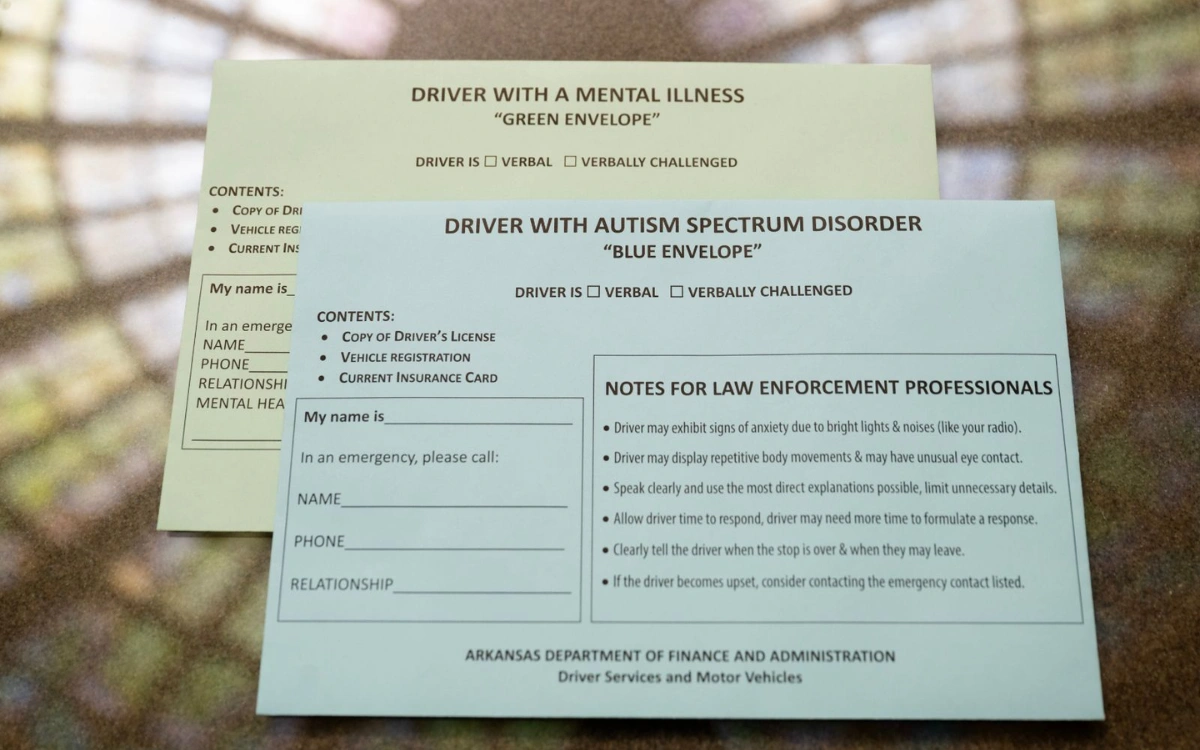
Advocates say these programs work because they’re voluntary and don’t require medical documentation, which removes barriers for those who may benefit.
Washington expects to distribute around 18,000 envelopes each year through licensing offices across the state.
Ultimately, the blue envelope isn’t about labeling drivers, but creating understanding in moments where confusion can have serious consequences.
If the program proves to be successful, traffic stops will be safer and calmer for Washington drivers.