BMW and Mercedes go head-to-head in reliability test — and one of them completely dominates it
Published on May 05, 2026 at 12:30 PM (UTC-4)
by Alessandro Renesis
Last updated on May 19, 2026 at 2:23 AM (UTC-4)
Edited by
Alessandro Renesis
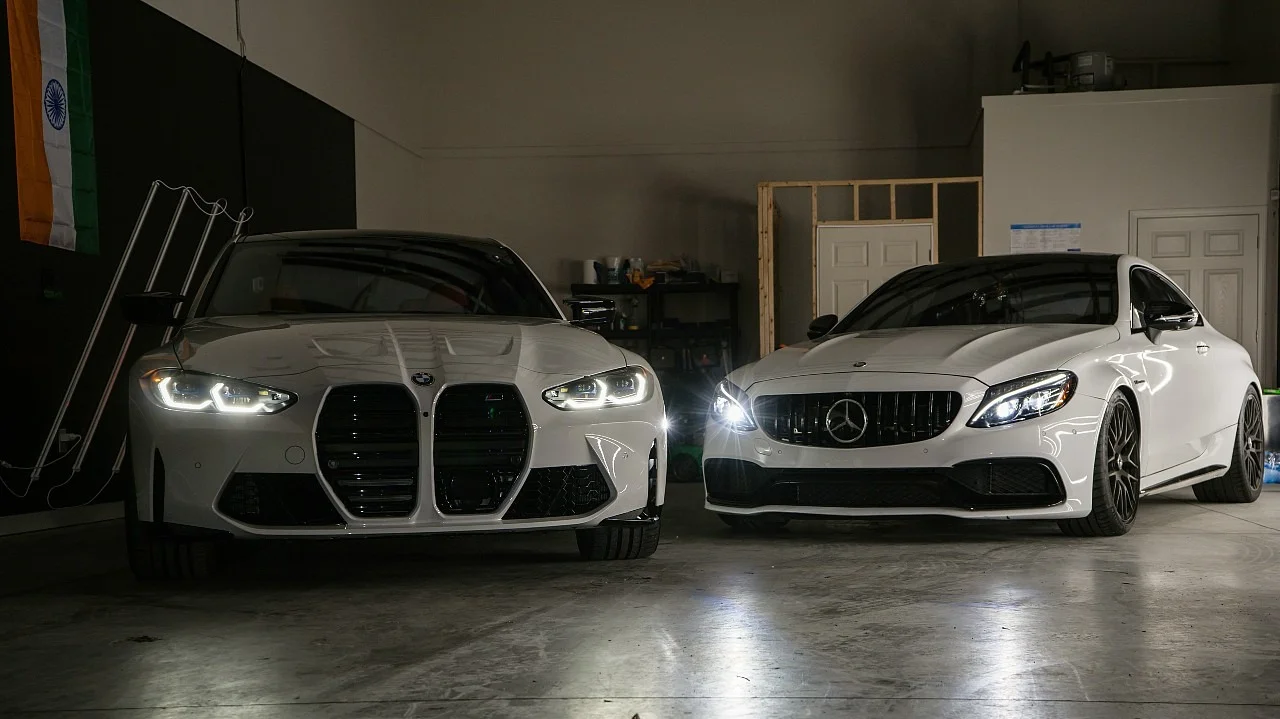

The gap between Mercedes and BMW is widening.
At least when it comes to reliability.
According to Consumer Reports, one of these two brands leads in almost every reliability metric and in every category, from SUVs to electric sedans.
And people are pointing to a specific strategic decision that made all the difference.
BMW versus Mercedes: who’s winning?
Consumer Reports (CR) is a non-profit, independent organization that buys and tests vehicles anonymously and collects data from hundreds of thousands of real-world owners.
This means it is about as unbiased as you can get.
The organization tested and compared reliability scores for several BMW and Mercedes models, and the results weren’t even close.
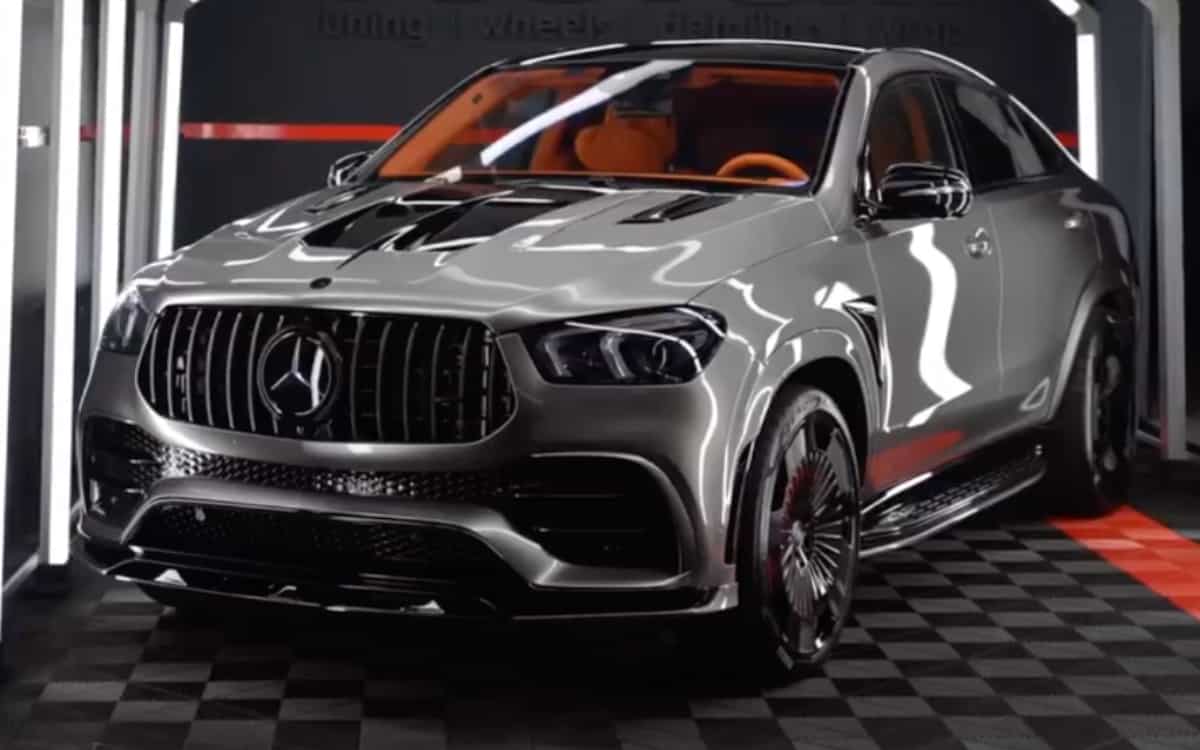
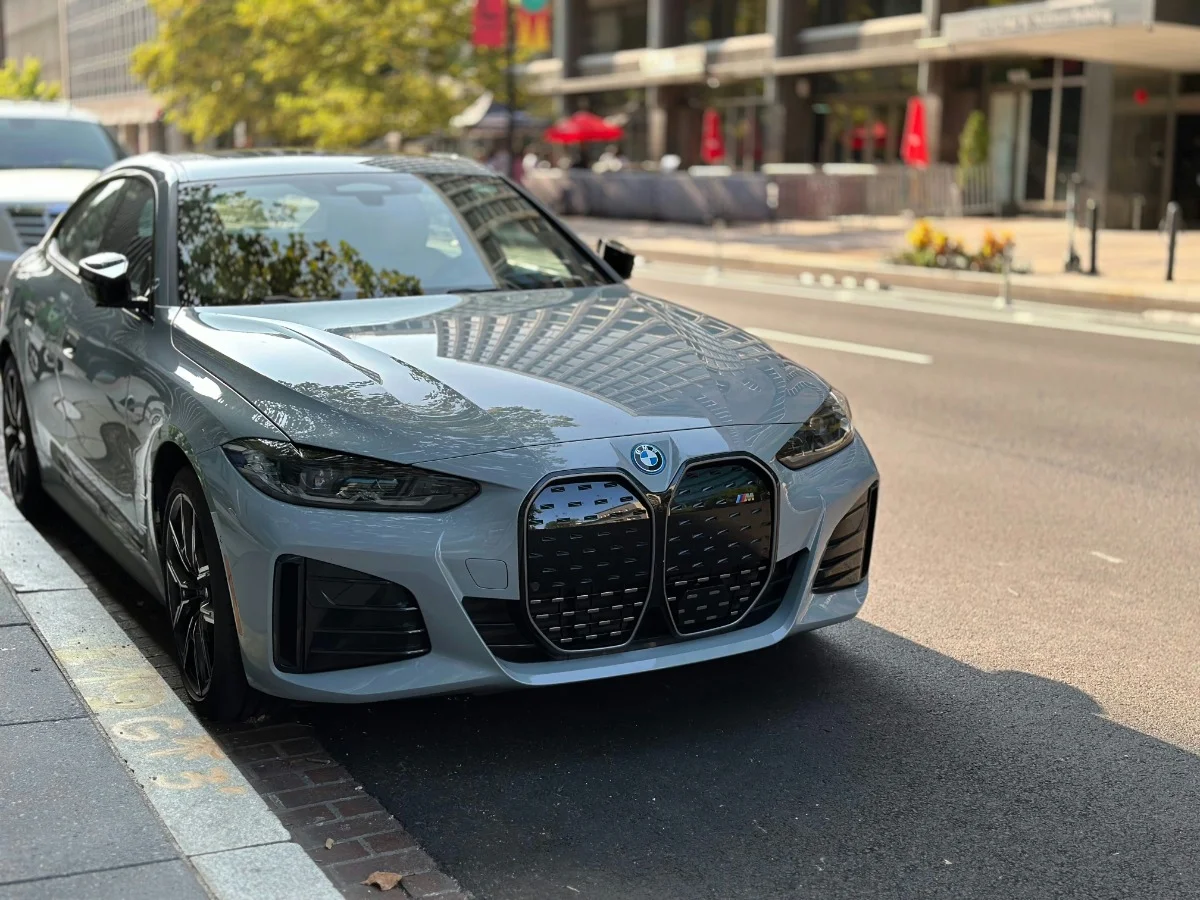
We’ll start with the BMW X5, which outperformed the Mercedes GLE in almost every metric tested with a reliability score of 82/100 versus Mercedes’ 45/100.
CR revealed similar results for the X5’s and GLE’s smaller brothers: the BMW X3 – 63/100 – and Mercedes GLC, which only managed to score 40 out of 100.
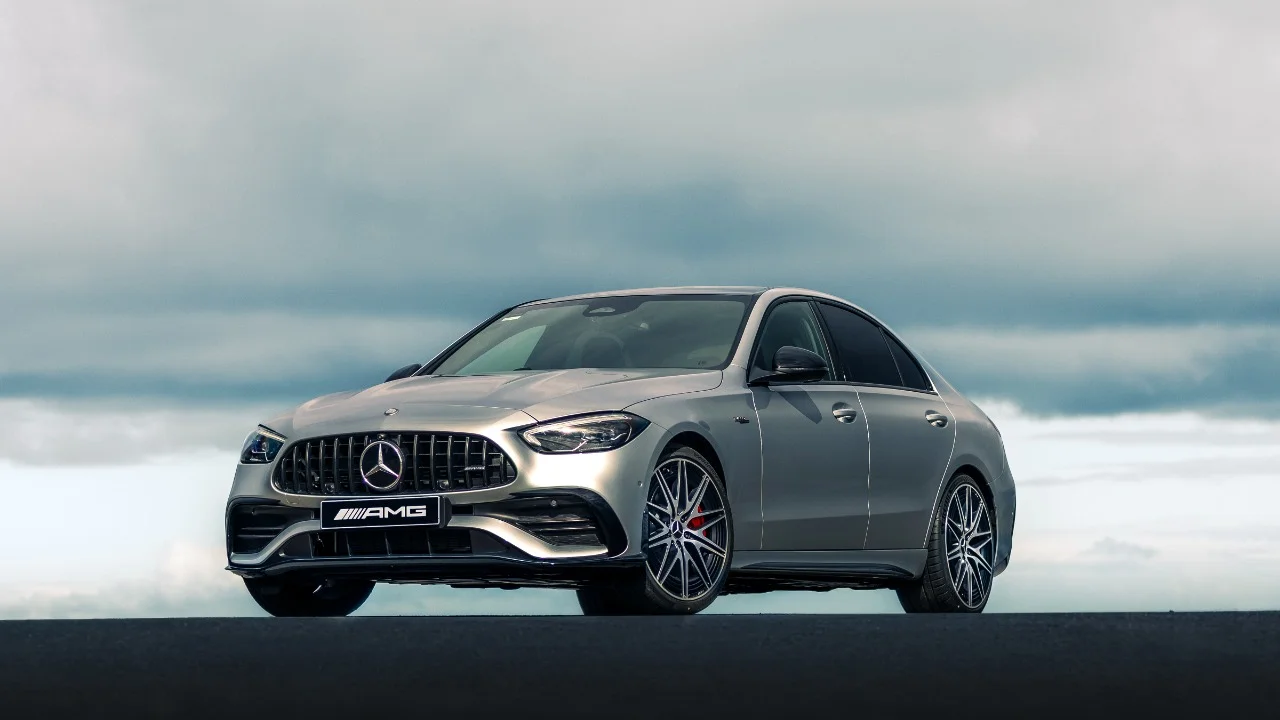
Things didn’t get much better when looking at mid-size sedans – the 3 Series and the C-Class.
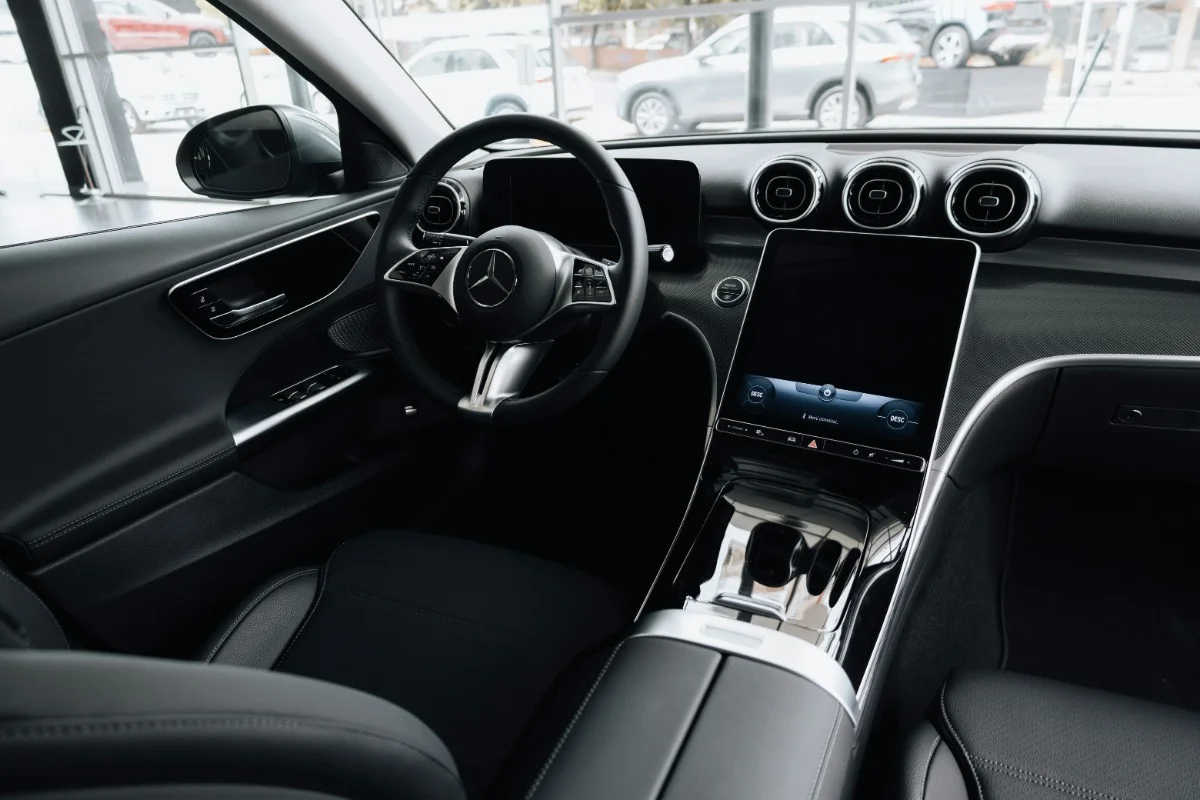
The 3 Series scored 59/100, which is not perfect, but still infinitely better than the C-Class, which only got 19/100.
The larger models didn’t fare much better – the 5 Series and E-Class – with 66/100 and 34/100 respectively.
The situation was even more dire when looking at EVs, which Consumer Reports grouped together regardless of category and model.
BMW scored 78/100 with the i4, i5, iX.
By contrast, Mercedes only scored 27 points out of 100.
According to Consumer Reports data cited by the article, BMW now consistently ranks in the top 10 for overall brand reliability, whereas Mercedes-Benz has slumped into the bottom third.
Related

There are three recurring issues
In general, there seem to be three recurring problems.
First, several consumers report bugs and glitches with Mercedes’ MBUX system.
Mercedes was one of the first major brands to try and develop its own OS to rival Apple CarPlay but, clearly, that was a difficult task.
The second problem has to do with platform-related and powertrain-related issues.
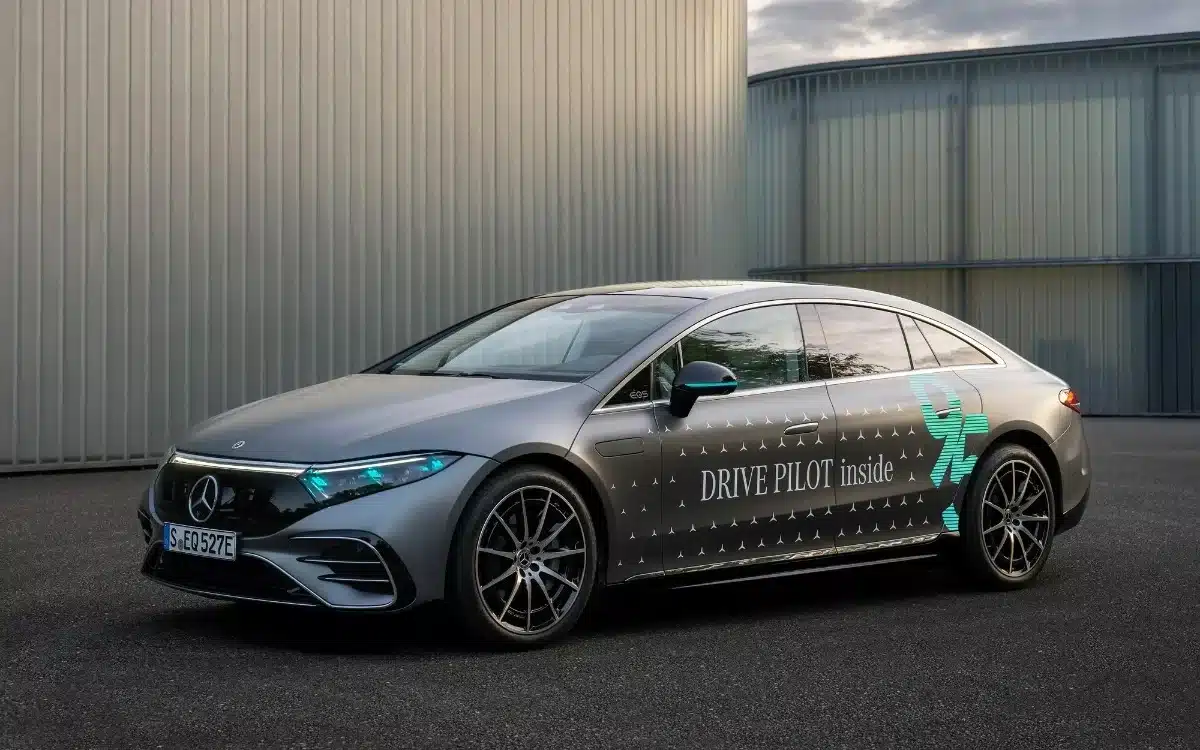
EQ models, for example, often report thermal management issues.
BMW probably fared better because it had more experience with electric and hybrid platforms – the original i3 and i8 were introduced well over a decade ago.
Also, the company uses shared platforms across EVs, hybrids, and gas cars, which means so many of the components have been tried and tested and are now considered fail-proof.
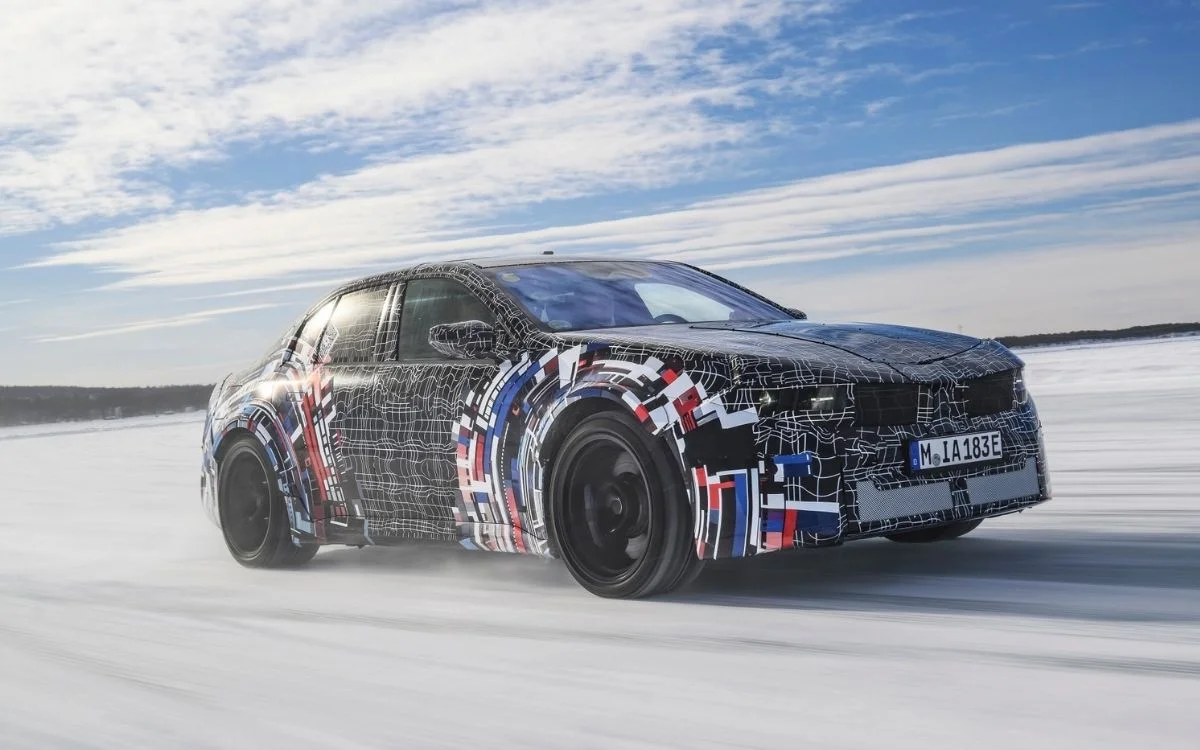
Last but certainly not least, BMW has stuck with refined versions of its engines and platforms – like the B48 and B58 engines.
This ‘evolution over revolution’ approach has ironed out all the well-known issues of the early 2010s, which is why BMW engines are now super reliable.
Alessandro is an automotive journalist with 10 years of experience covering supercars, automotive history, emerging vehicle technology, and luxury transportation. He wrote the first article published on SupercarBlondie.com when the website launched in 2022 and has since built a reputation for insightful reporting across the automotive and transportation industries. His expertise is grounded in hands-on experience. Alessandro has driven every Tesla model ever produced, from the original Roadster to the Cybertruck, and regularly covers the latest developments in electric vehicles and automotive innovation. His passion for transportation extends beyond cars, he has even flown a Boeing 787 Dreamliner simulator in Addis Ababa, Ethiopia. His reporting spans everything from classic American muscle cars and rare automotive discoveries to luxury yachts, private aircraft, high-end watches, and cutting-edge vehicle technology. Known for his deep knowledge of automotive history and ability to uncover the stories behind iconic vehicles, Alessandro brings readers a blend of historical context, technical expertise, and first-hand experience.