Boeing 737-10 undergoes gruelling crosswinds testing and the footage is wild to watch
Published on Jul 03, 2026 at 11:05 AM (UTC-4)
by Daisy Edwards
Last updated on Jul 07, 2026 at 6:10 AM (UTC-4)
Edited by
Kate Bain
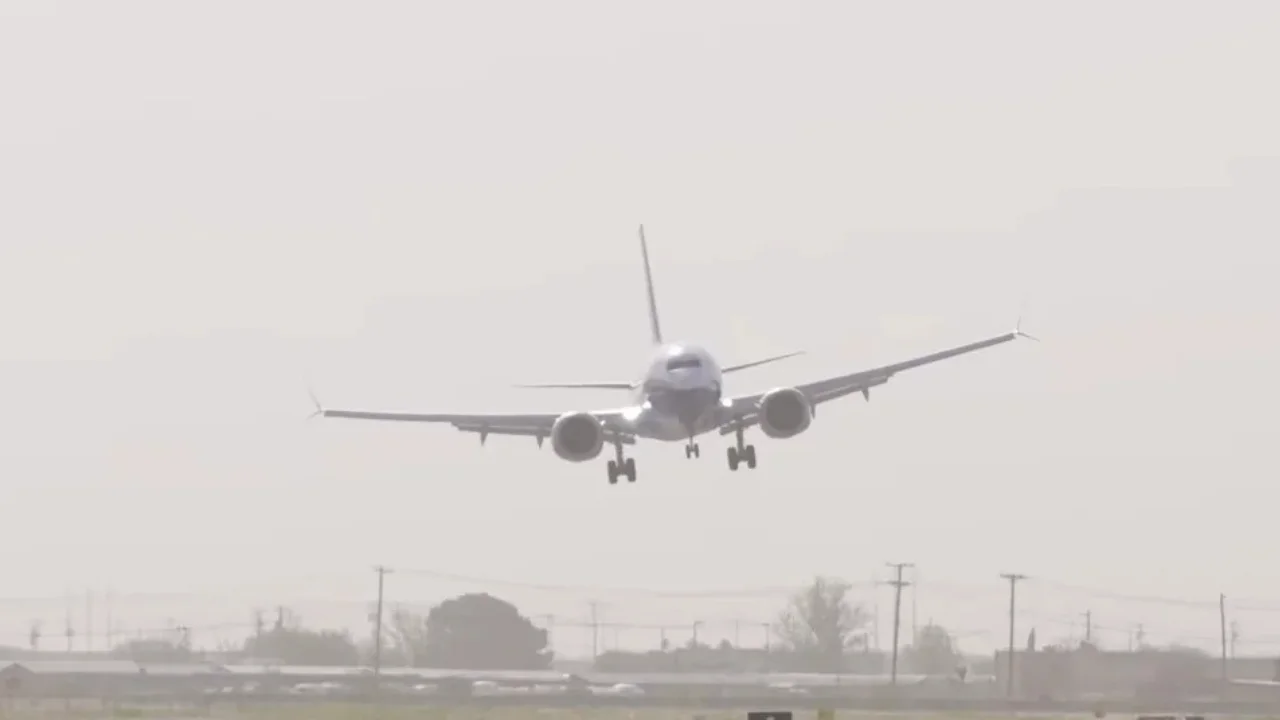

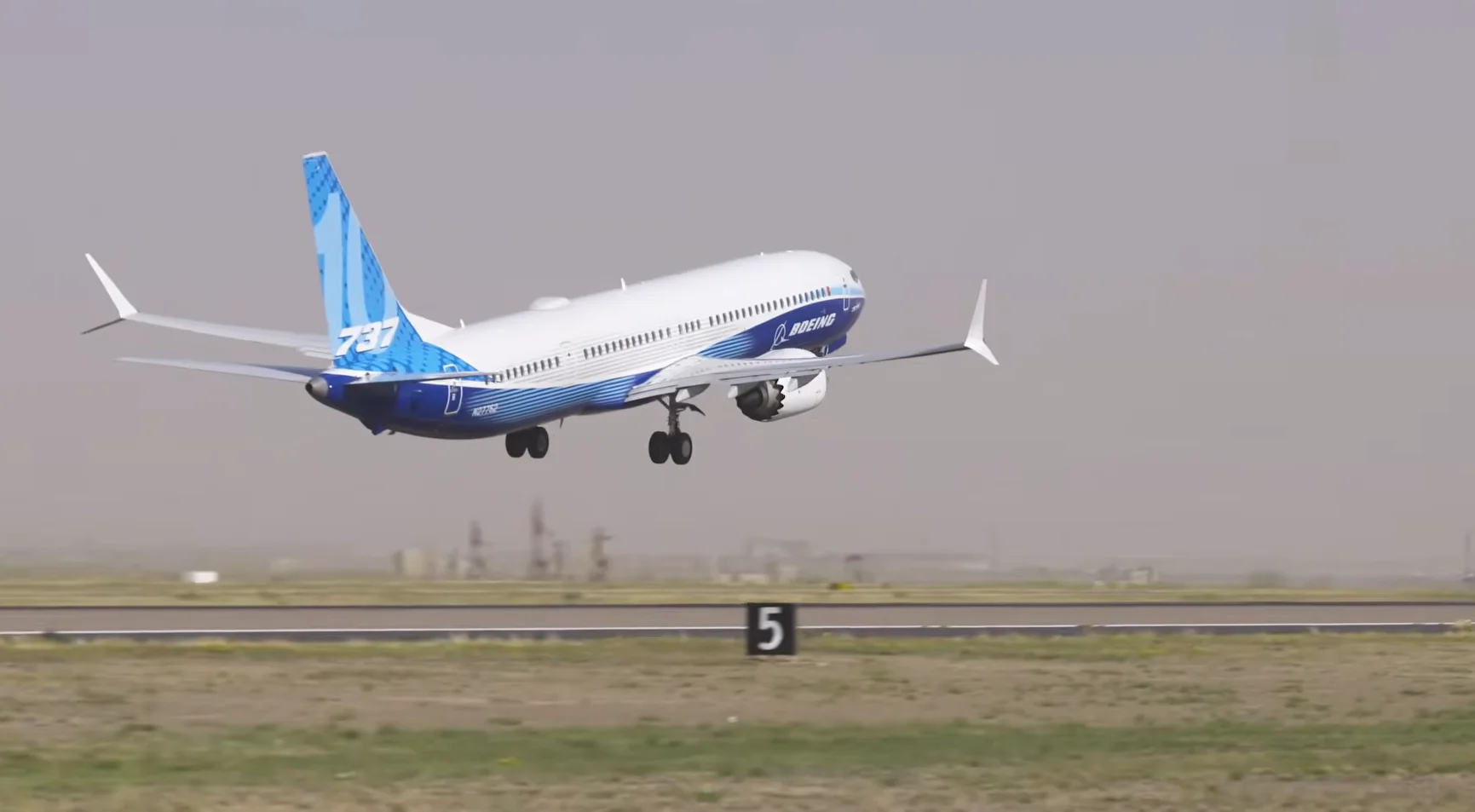
The Boeing 737-10 airplane is really good at handling crosswinds and that’s due to the grueling testing process that happens behind the scenes.
The aircraft was pushed through intense certification flights designed to prove its autoland system could handle extreme wind conditions in real-world scenarios.
Engineers deliberately tested the jet beyond its published crosswind, headwind, and tailwind limits to ensure it could still land safely under pressure.
The testing is part of the final certification process for the largest member of the 737 MAX family, where reliability in difficult weather is absolutely critical.
Extreme Boeing 737-10 crosswinds testing
The Boeing 737-10 airplane uses the same autoland feature found across other 737 MAX variants, but it still has to be individually certified.
That means engineers must demonstrate that the system works not just in theory, but in the most demanding real-world conditions it is likely to face.
To do that, they intentionally fly in winds that meet or exceed the limits listed in the operations manual.
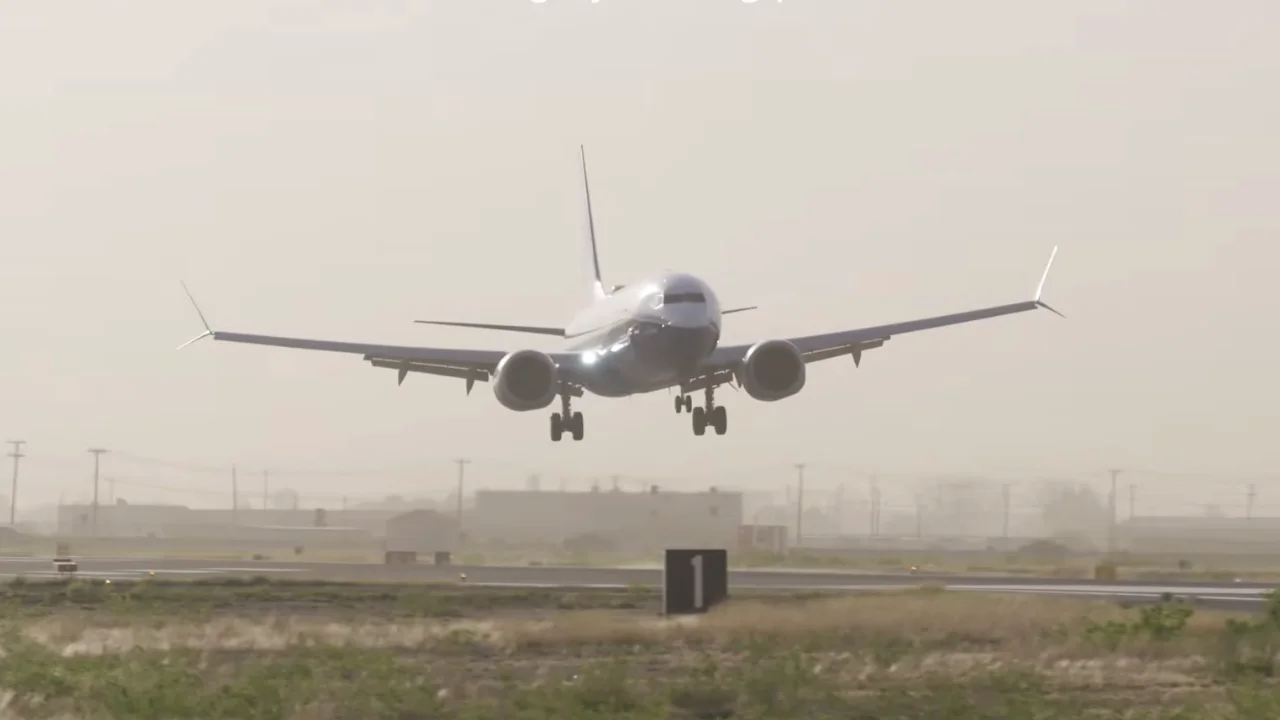
During testing, engineers focused heavily on how the autopilot responds when dangerous crosswinds try to push the aircraft off its flight path.
The system must continuously make precise corrections to keep the aircraft aligned with the runway, especially during the final stages of landing.
Even small delays or instability are closely monitored and analysed during certification.
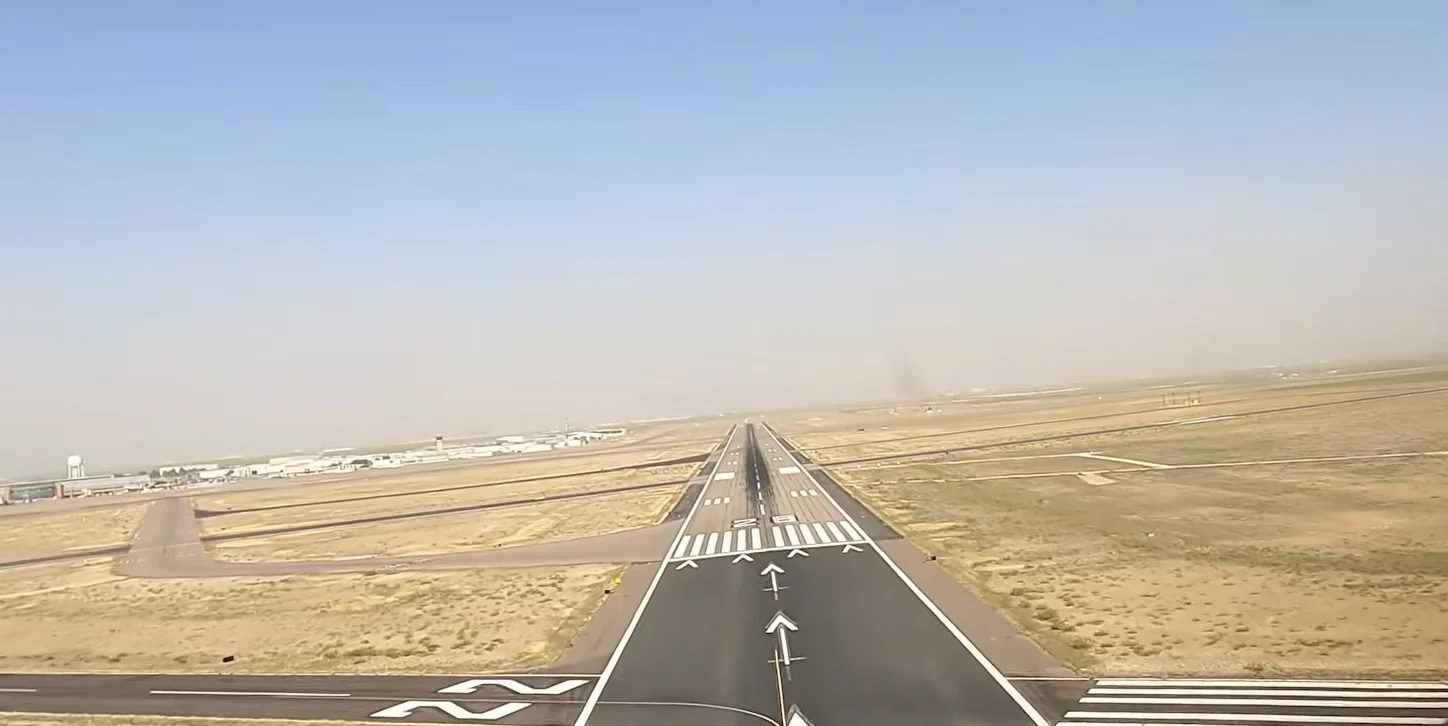
Crosswind testing is widely considered one of the hardest parts of flight certification because suitable conditions are unpredictable and difficult to find.
Flight test teams constantly monitor weather models and often have only a couple of days of reliable forecasting before being ready to launch.
When the right conditions appear, the crew must move quickly to take advantage of the window.
Related
Footage from test flights
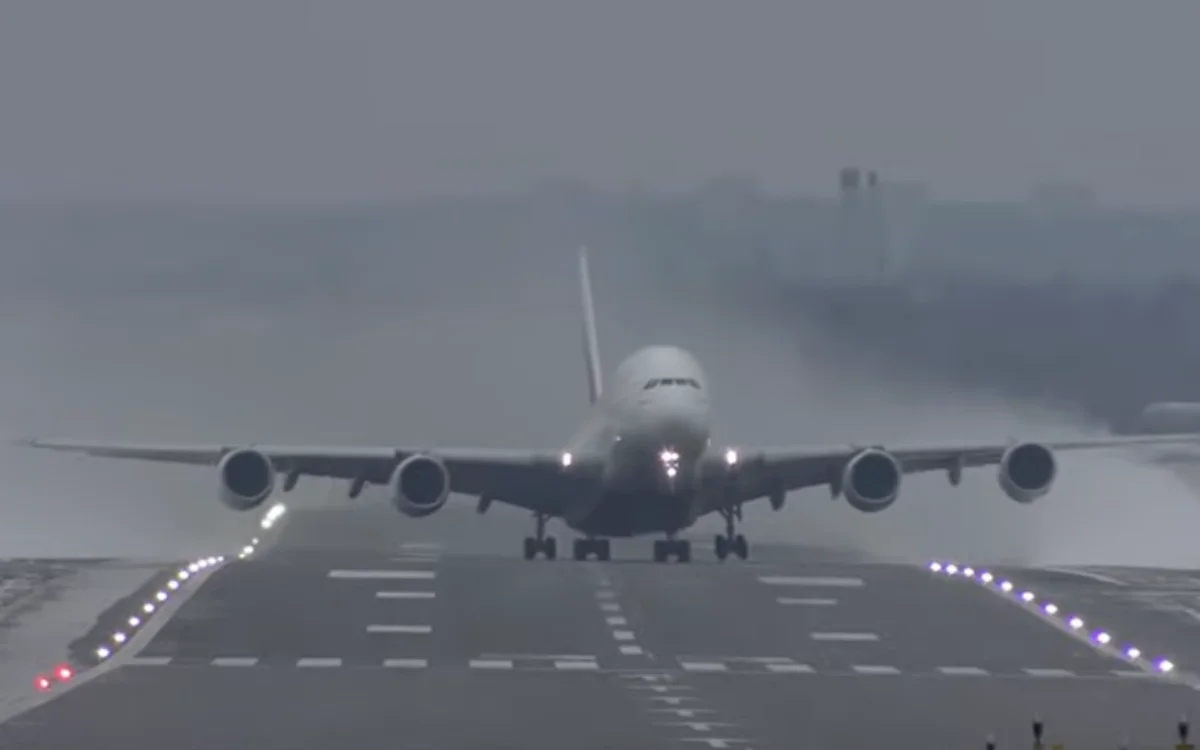
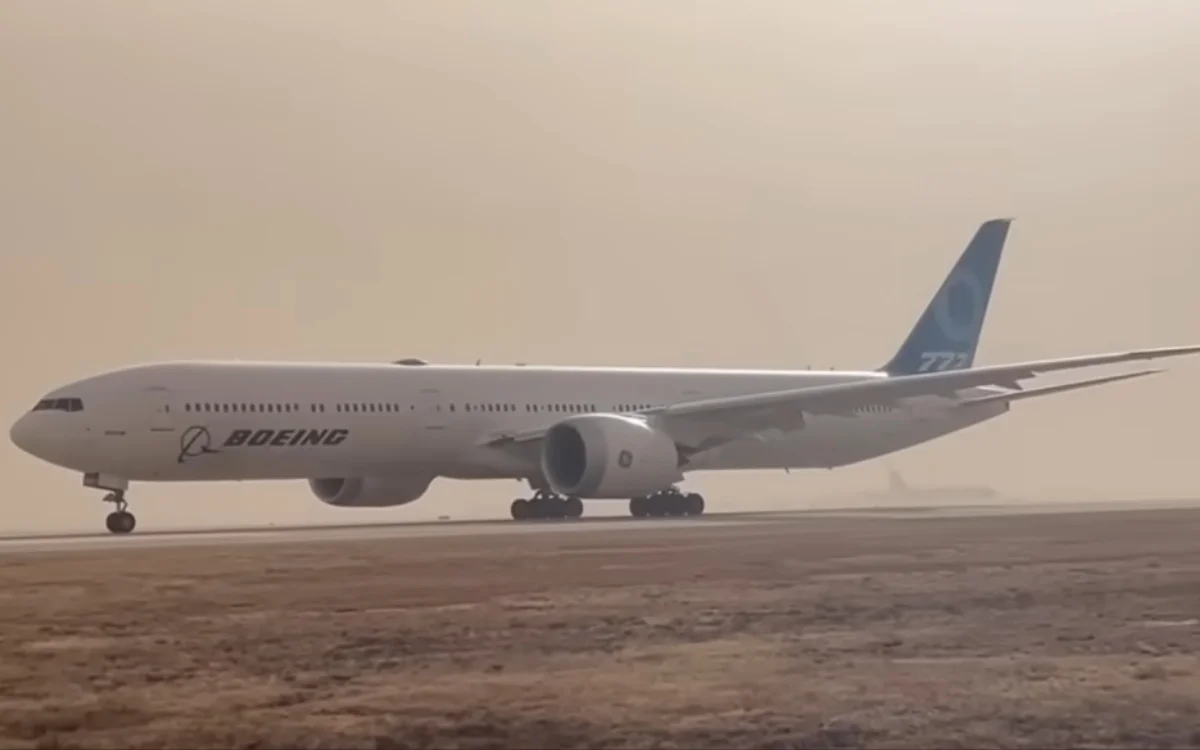
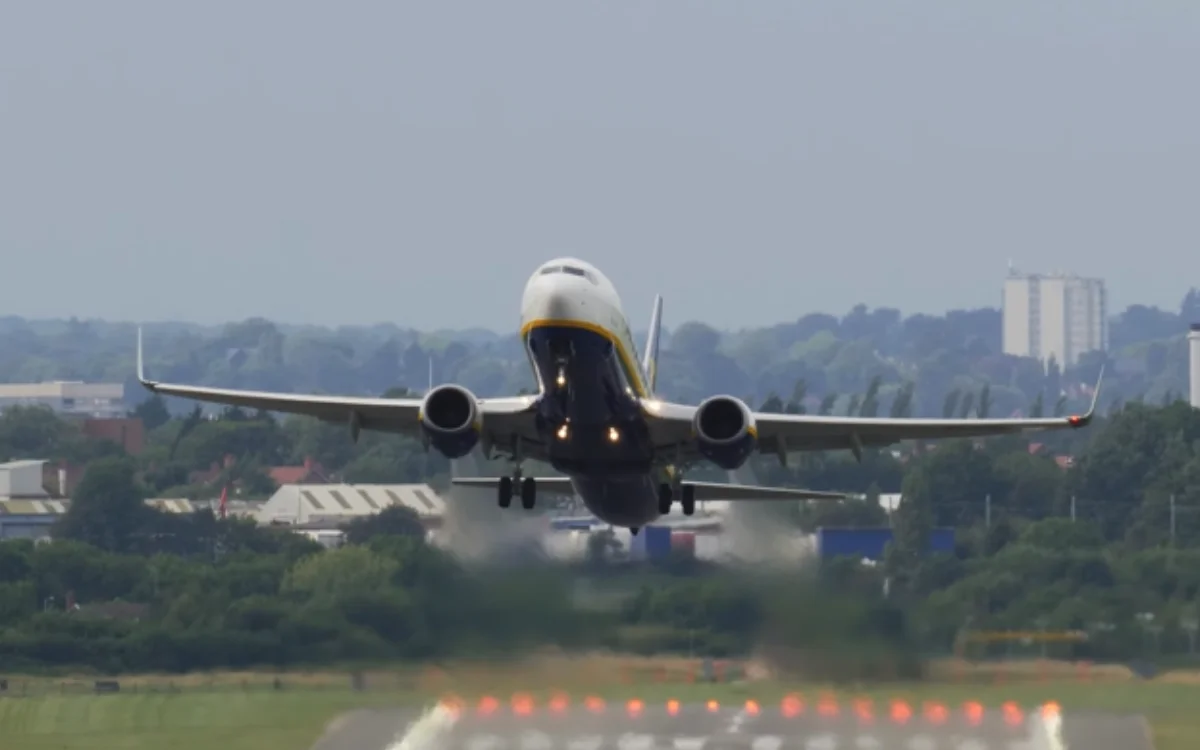
Footage from test flights shows just how demanding crosswind certification can be in practice.
The aircraft can be seen operating in very windy conditions where constant corrections are required to maintain a stable approach and landing path.
These scenarios are essential for confirming that the autoland system can perform safely even when the weather is working against it.
And especially important when the plane’s full of passengers.
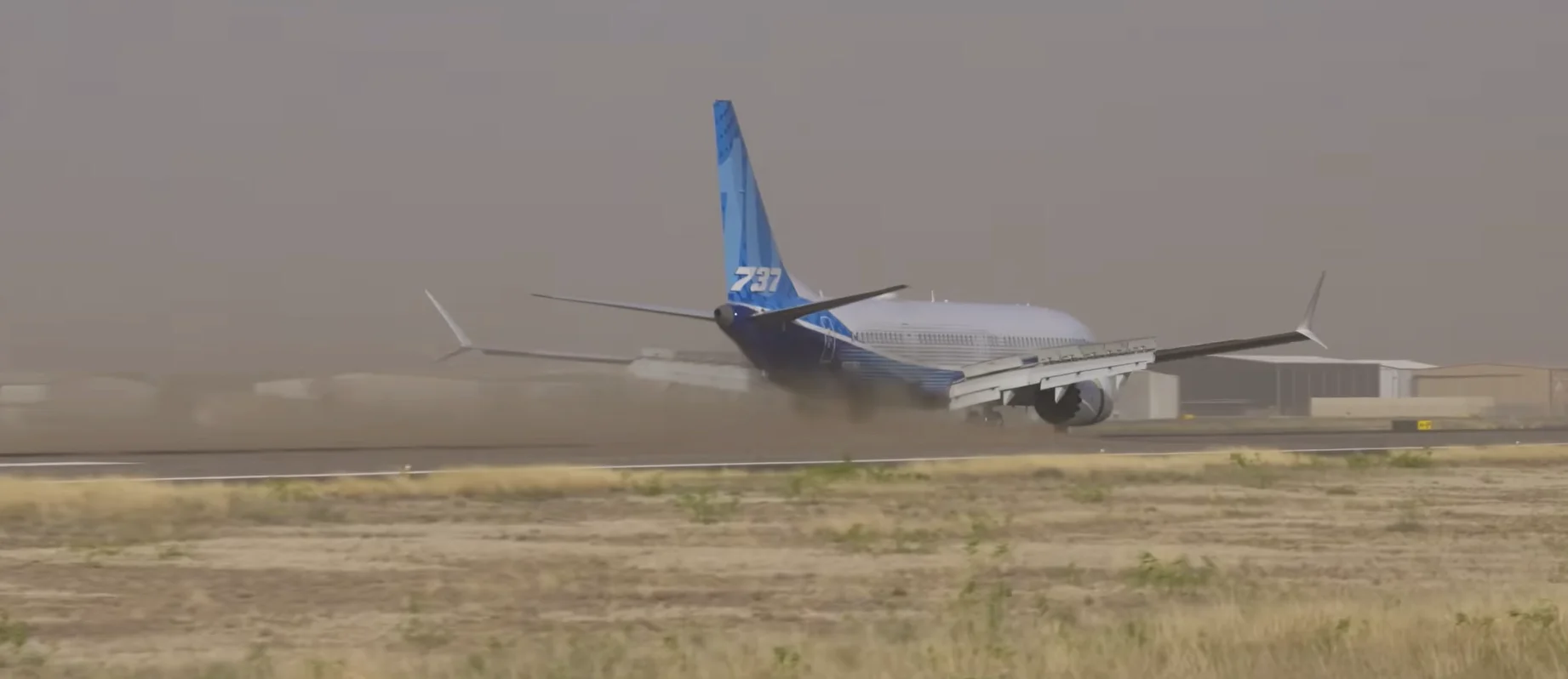
Test pilots also deliberately explored worst-case scenarios, including situations where certain systems were not functioning as expected.
This allowed engineers to assess how the aircraft would behave under worst conditions and ensure there was enough safety margin built into the system.
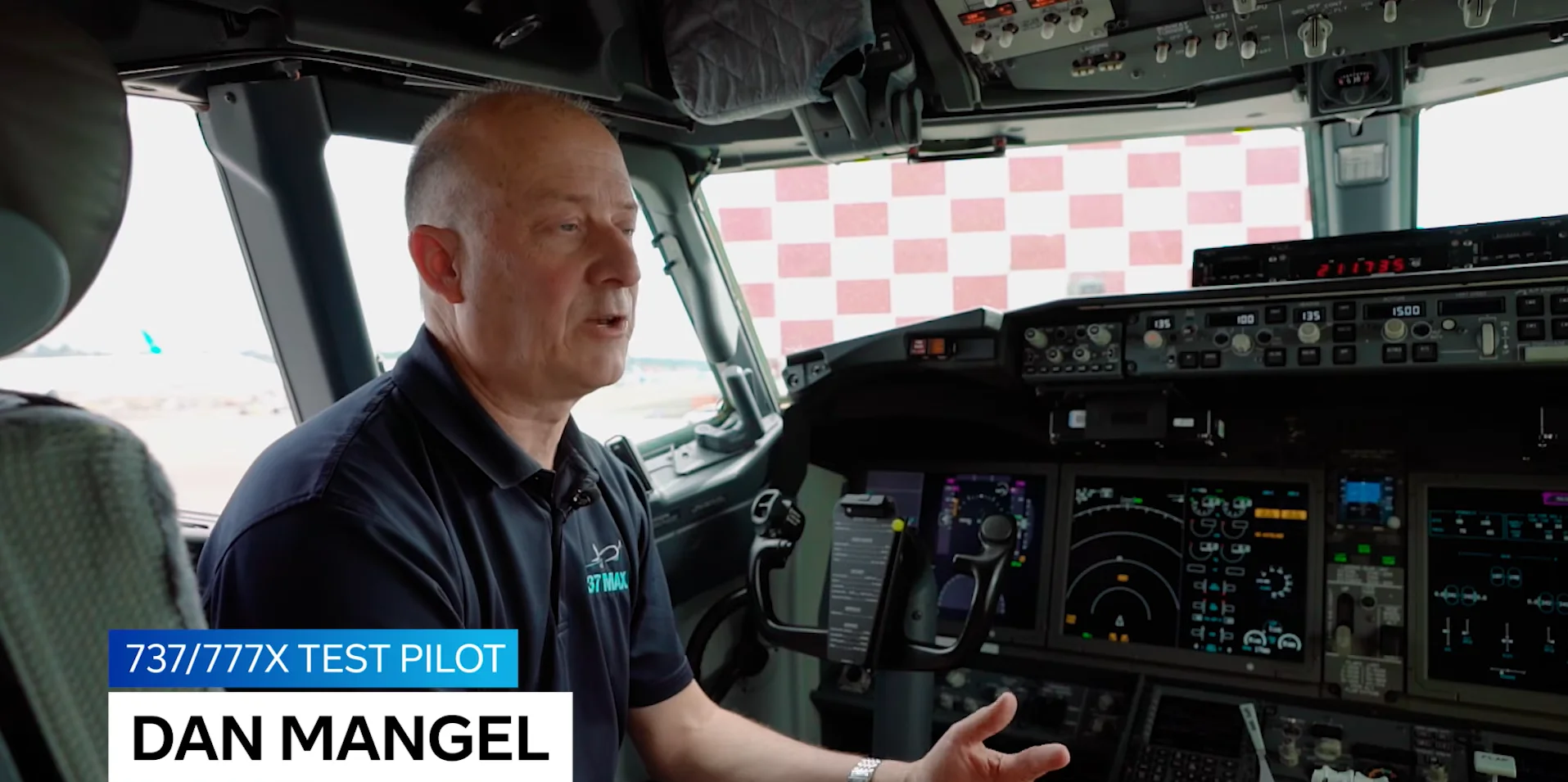
Boeing test pilot Dan Mangel praised the plane and the test, highlighting how efficiently the team was able to complete the test.
He described the jet as ‘a pilot’s airplane,’ adding that it remained enjoyable to fly even in challenging conditions.

Despite the intensity of the campaign, engineers described the process as highly efficient, managing to capture the necessary wind conditions within a short testing window.
The 737-10 airplane ultimately demonstrated performance consistent with other Boeing aircraft from the MAX range when it comes to autoland capability.
Props to the Boeing 737-10 and the team behind it!
Daisy is a technology and automotive journalist covering artificial intelligence, consumer tech, Apple news, cryptocurrency, emerging technologies, and transportation innovation. Since joining the team in 2025, she has reported on everything from AI-powered startups and major iOS updates to viral car stories and the latest developments shaping transportation and the digital economy. Drawing on her background in automotive journalism and a degree in History and Journalism from Goldsmiths, University of London, Daisy specializes in breaking down complex topics into clear, engaging reporting for a global audience. Her work spans cutting-edge technology, innovative vehicles, and the people driving change across both industries. Daisy has gained first-hand access to some of the world's most talked-about technologies and innovators, including meeting Tesla's Optimus humanoid robot during its first European appearance in London. She has also discussed the future of space exploration with an astronaut, bringing unique insights and real-world perspectives to her coverage of emerging technology.