Pilots explain how to fly a real Boeing 737 MAX compared to how they work in flight simulators
Published on Dec 31, 2025 at 4:13 PM (UTC-5)
by Alessandro Renesis
Last updated on Jan 02, 2026 at 8:16 AM (UTC-5)
Edited by
Alessandro Renesis
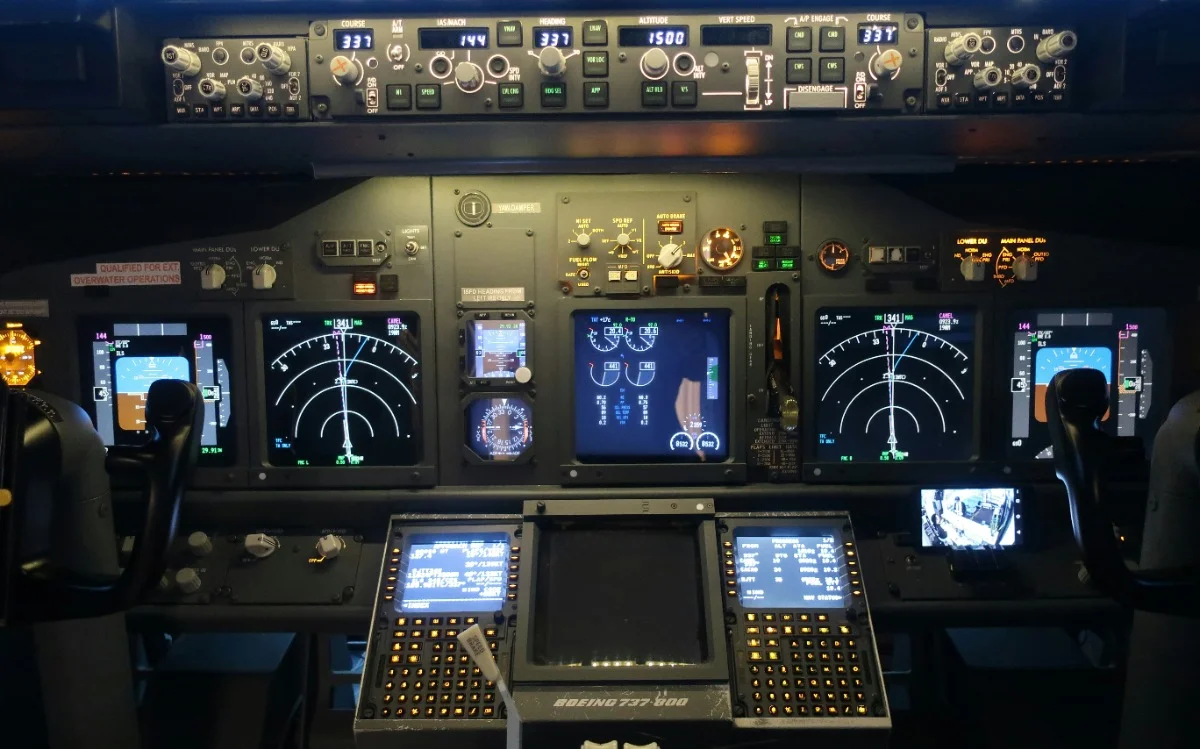

These pilots have answered a question people have been asking for years about flight simulators and Boeing aircraft.
When we get on a plane, we’d like to assume pilots know what they’re doing.
And we take that for granted because we assume flight simulators are 100 percent identical to the real thing.
That’s not the case, and these two pilots explained why.
DISCOVER SBX CARS: The global premium car auction platform powered by Supercar Blondie
These are the key differences between flight simulators and a real Boeing
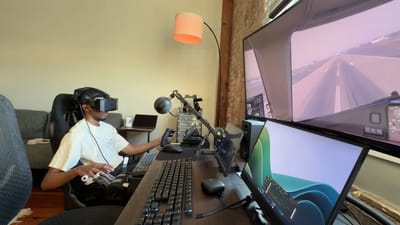
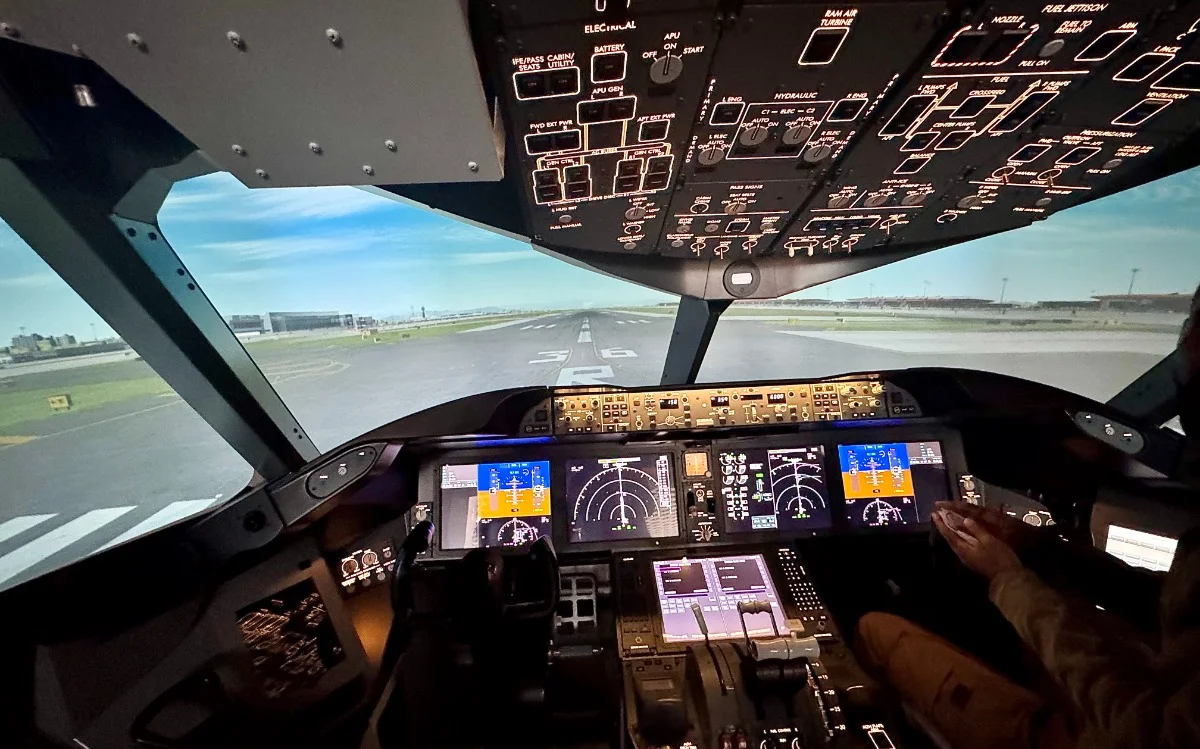
Two pilots sat down to talk about the differences between a real Boeing 737 Max and a Boeing simulator in a recent episode of the Mentour Now! podcast.
What they had to say was interesting.
They might be used for practice, but in short, a Boeing flight simulator is a million air miles away from a real jet.
But they also explained why this is not something we should worry about.
Here’s why.
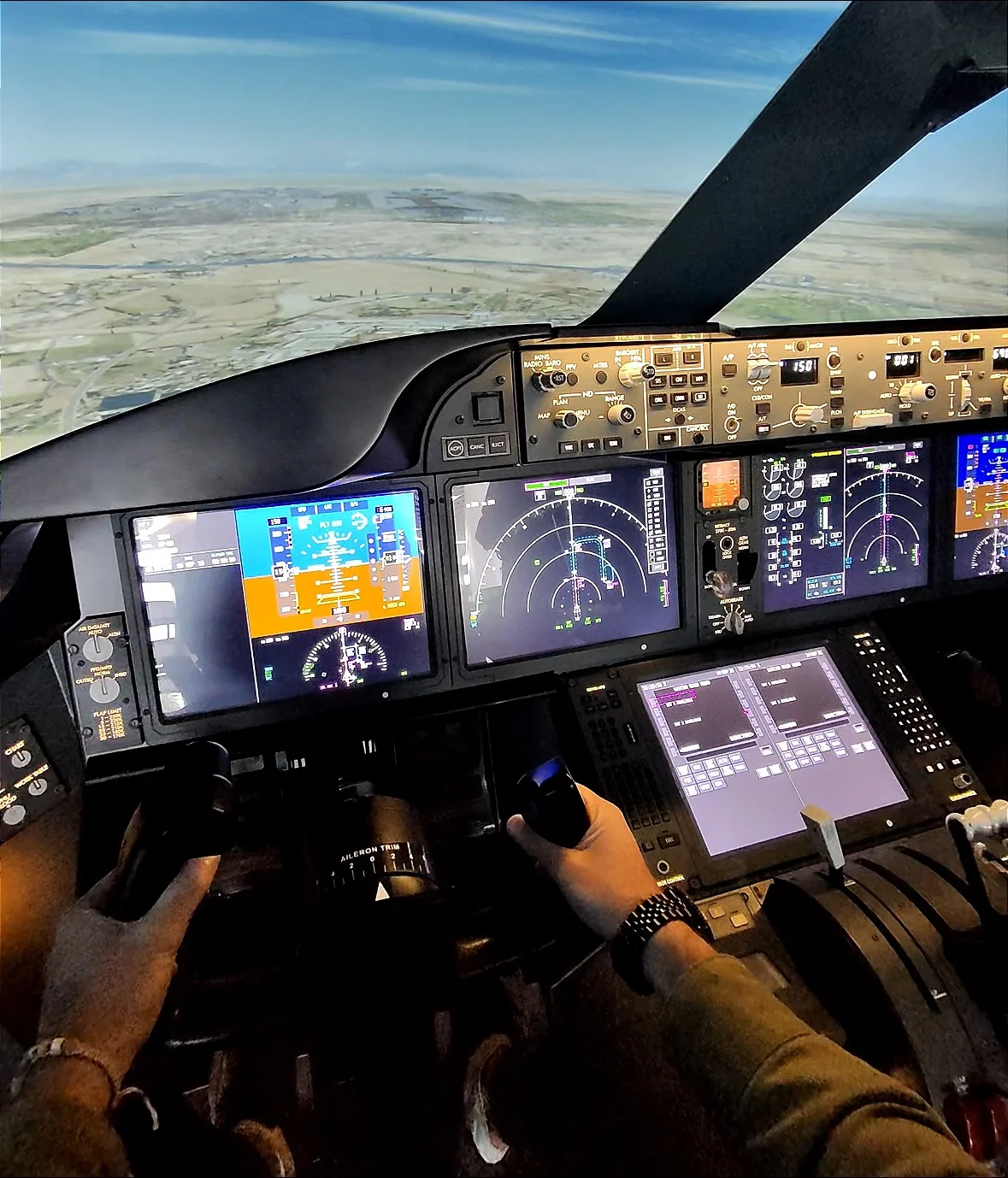
Simulators are excellent for ‘safe and repeatable practice’.
Translated, pilots use them to turn conscious actions into muscle memory.
The first time you use a simulator, you’re going to have to remember to use the parking brake.
The 100th time you won’t have to remember: you’ll do it automatically, and that’s one of the main reasons why simulators are important.
The main problem with a simulator, according to them, is that it makes errors inconsequential, which also means it diminishes your sense of danger.
In real aircraft, errors including incorrect flaps, trim, or parking brake trigger audible warnings or physical issues, and many simulators either lack these enforcements altogether or let pilots ignore them.
Simulators are great for learning the basics but can’t replicate real-world habits that pilots may have, and more importantly, real-world consequences.
Related
Most people believe they can fly a plane with no training
Data confirms that most people believe that they can land a plane with no training.
Not long ago, CNN conducted a survey and found that almost a third of adults and half of the men surveyed thought they could land a plane without any issues.
There are exceptions, but generally speaking, the truth is the average person wouldn’t be able to land a plane.
Pilots are required to spend between 50 and 100 hours learning how to fly using a simulator, and then they have to complete their training in the air as co-pilots.
So to think that Joe or Jane Doe would somehow be able to land the plane with no previous training is a stretch.
Alessandro is an automotive journalist with 10 years of experience covering supercars, automotive history, emerging vehicle technology, and luxury transportation. He wrote the first article published on SupercarBlondie.com when the website launched in 2022 and has since built a reputation for insightful reporting across the automotive and transportation industries. His expertise is grounded in hands-on experience. Alessandro has driven every Tesla model ever produced, from the original Roadster to the Cybertruck, and regularly covers the latest developments in electric vehicles and automotive innovation. His passion for transportation extends beyond cars, he has even flown a Boeing 787 Dreamliner simulator in Addis Ababa, Ethiopia. His reporting spans everything from classic American muscle cars and rare automotive discoveries to luxury yachts, private aircraft, high-end watches, and cutting-edge vehicle technology. Known for his deep knowledge of automotive history and ability to uncover the stories behind iconic vehicles, Alessandro brings readers a blend of historical context, technical expertise, and first-hand experience.