Man tests Buick’s self-driving in city traffic to see if it really can compete with Tesla’s FSD
Published on Jan 24, 2026 at 3:36 PM (UTC+4)
by Molly Davidson
Last updated on Jan 22, 2026 at 8:15 PM (UTC+4)
Edited by
Mason Jones
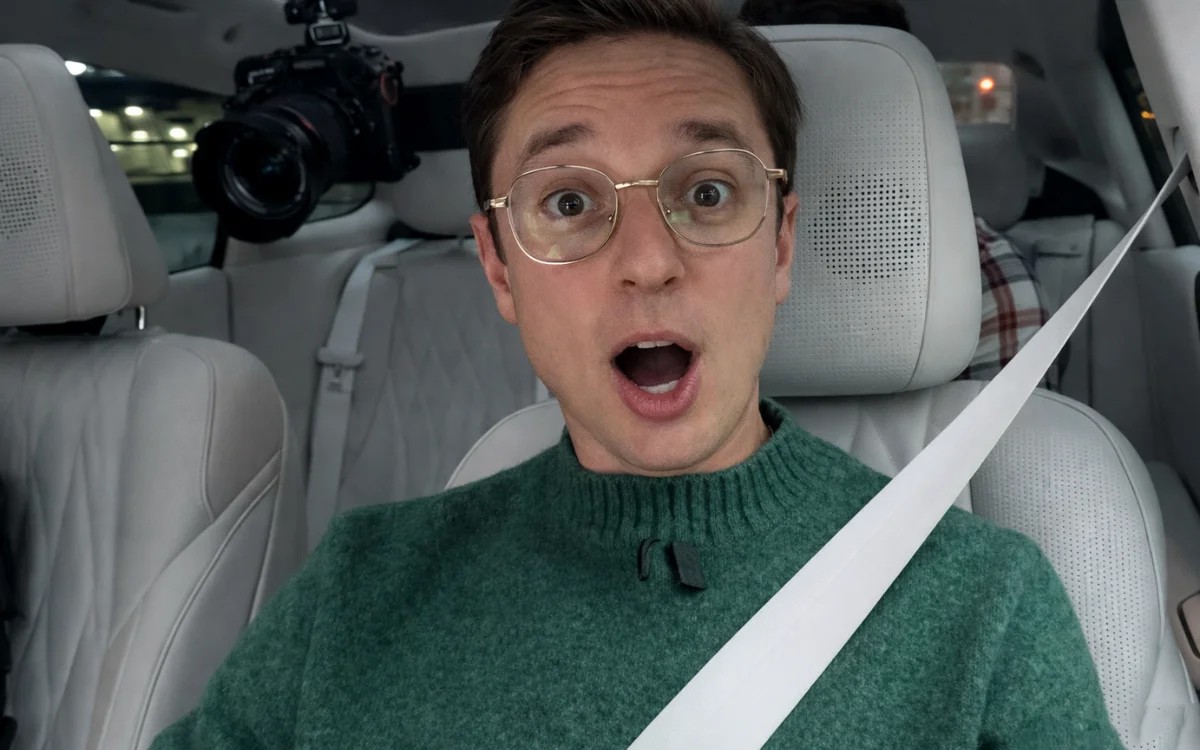

Buick isn’t the brand most people think of when they hear ‘self-driving’.
That space has long been dominated by Tesla and a handful of tech-first brands.
But in China, the manufacturer is selling cars loaded with advanced driver assistance.
So one YouTuber set out to see whether this system actually stacks up to the kind of expectations Tesla’s FSD created.
DISCOVER SBX CARS – The global premium auction platform powered by Supercar Blondie
Why this Buick was thrown into the deep end
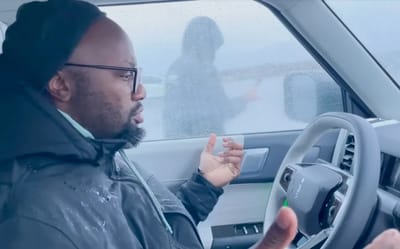
The test was carried out by Wheelsboy, who regularly reviews tech-heavy cars from the Chinese market on his YouTube channel.
Rather than focusing on speed or luxury, the drive looked predominantly at how Buick’s driver assistance handled the kinds of situations people expect systems like Tesla’s FSD to manage.
The car in question – the Buick Electra L7 – is a large China-only sedan built around software, screens, and sensors.
It’s part of Buick’s Electra push, aimed squarely at buyers who care about automation and technology as much as comfort.
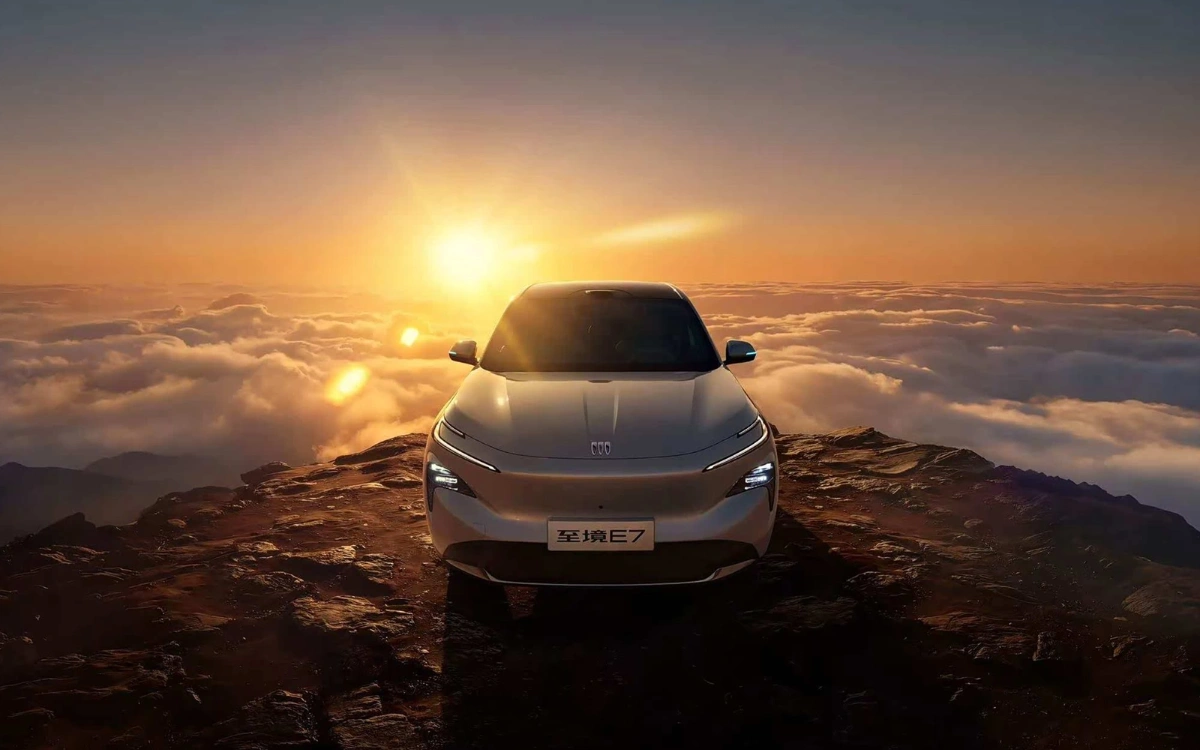
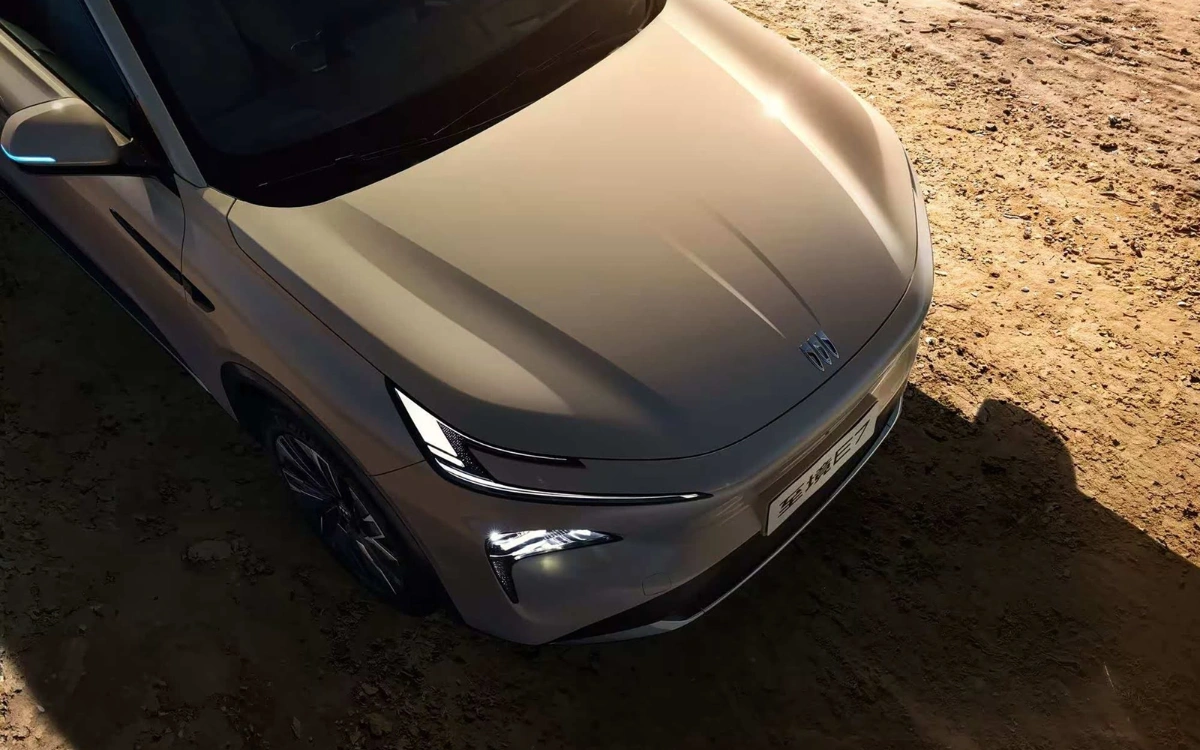
To properly stress it, Wheelsboy chose downtown Shanghai during rush hour.
This wasn’t a controlled loop or a quiet test road.
It was packed lanes, scooters weaving through traffic, pedestrians crossing late, buses blocking visibility, and constant decision-making.
Buick’s system uses a full sensor suite – LiDAR, cameras, radar, and ultrasonic sensors – to read its surroundings.
The theory is that more sensors help in messy, real-world traffic.
Which is exactly why expectations were high from the start.
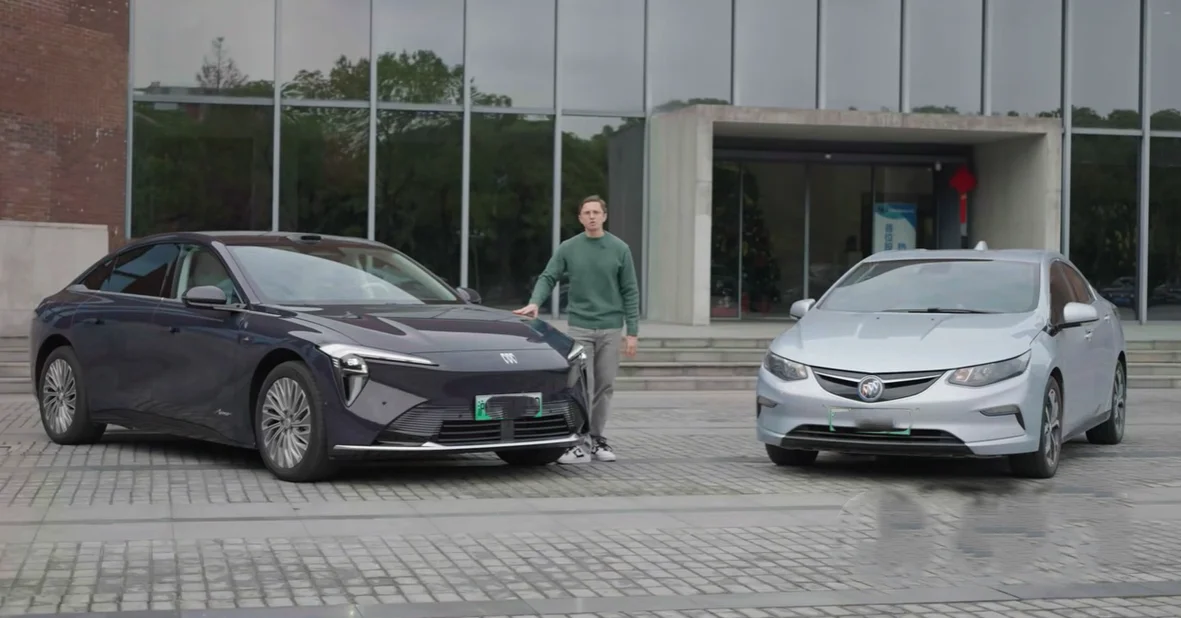
So… could it hang with Tesla-level expectations?
In easier conditions, the Electra L7 looked convincing.
On highways and simpler roads, it stayed smooth and predictable.
Lane changes were clean, braking felt natural, and the system didn’t feel jumpy or unsure.
But city traffic exposed its limits.
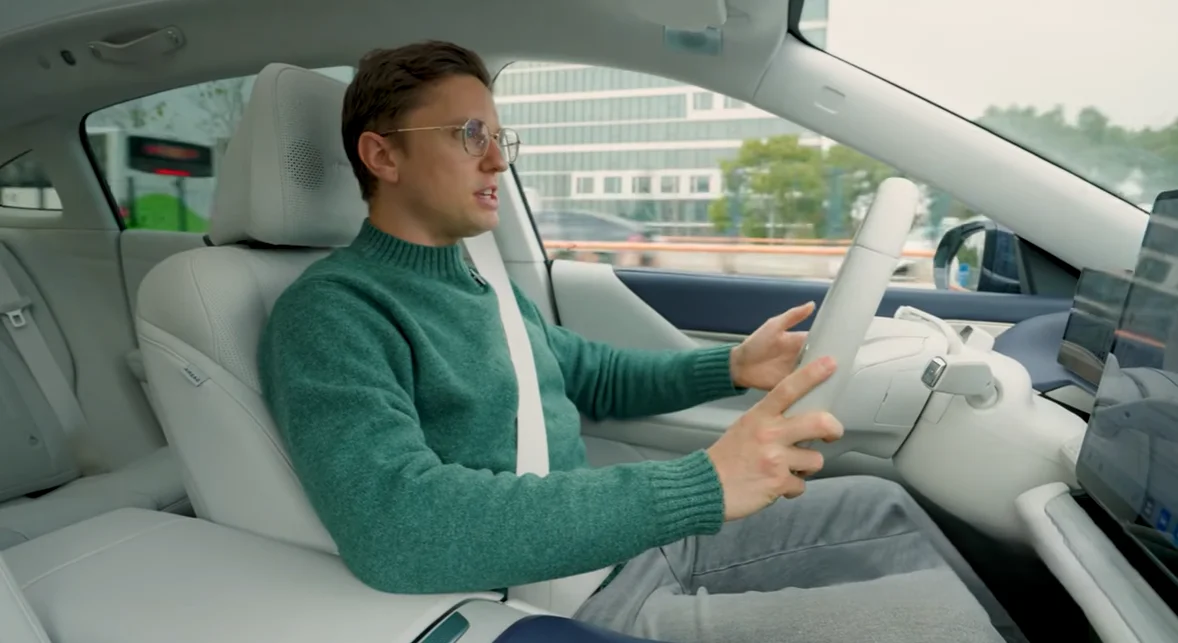
U-turns were a major weakness.
The system hesitated, froze, and struggled to commit, eventually trying to edge into a bike lane on one attempt.
That forced the driver to intervene.
Later in the drive, the driver assistance system shut itself off without warning, handing control back in the middle of traffic.
There were still moments where it felt genuinely capable.
Pedestrians were handled well, and some tight turns were executed in a way that felt cautious but human.
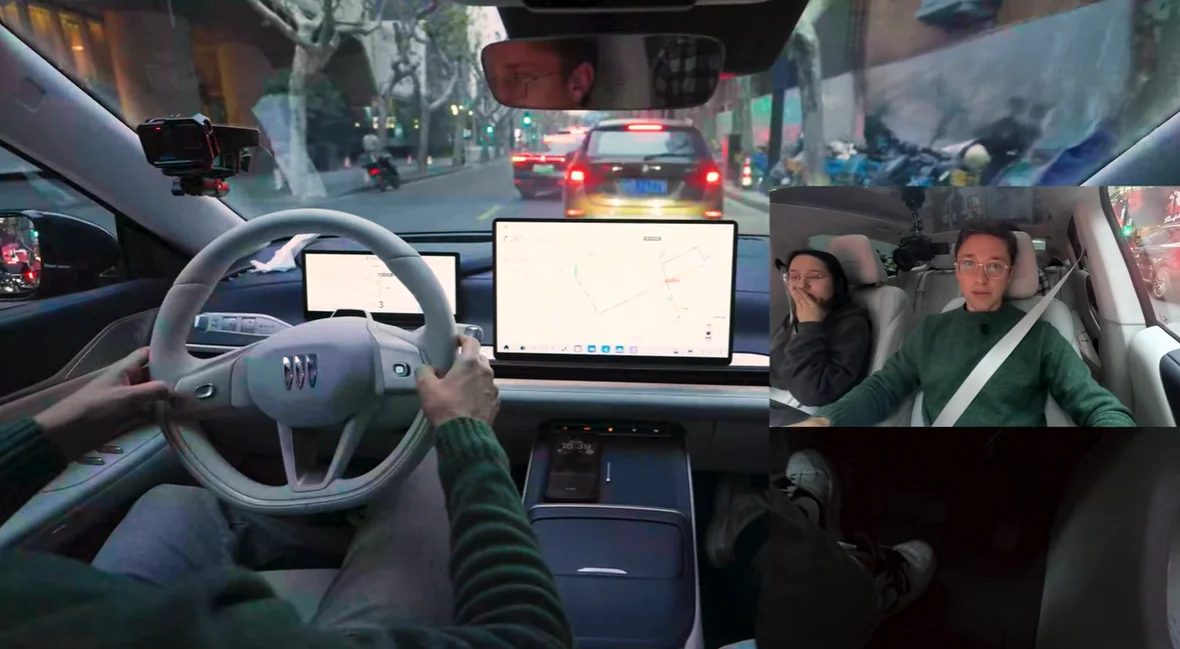
Near the end of the route, it even managed a few complex moves cleanly.
But overall, once too many things happened at the same time, the system became overwhelmed.
So does the Buick Electra L7 compete with Tesla’s FSD?
The short answer is not yet.
Its ambition and flashes of competence are still outweighed by its inability to handle peak city chaos with the same confidence people expect from that benchmark.
What it does show is how serious Buick has become in China.
And how unforgiving real city traffic still is for every self-driving system on the road.

Tesla Full Self-Driving timeline
2020: FSD ‘beta’ first released to select testers in the US
2021 – 2022: Rollout expands, as hardware updates come in
Early 2024: FSD ‘beta’ is now labelled ‘supervised’, meaning driver supervision is still required
2025: International expansion targets for FSD (Supervised) set in regions like Europe and China
Mid-2025: FSD v14 update announced
Late 2025: Roll-out of FSD v14 builds
Early 2026: Unsupervised FSD rollout goal
DISCOVER SBX CARS: The global premium car auction platform powered by Supercar Blondie
With roles at TEXT Journal, Bowen Street Press, Onya Magazine, and Swine Magazine on her CV, Molly joined Supercar Blondie in June 2025 as a Junior Content Writer. Having experience across copyediting, proofreading, reference checking, and production, she brings accuracy, clarity, and audience focus to her stories spanning automotive, tech, and lifestyle news.