A BYD Atto 3 suddenly stopped at 62mph on a highway with a family inside and the full story is extraordinary
Published on Apr 03, 2026 at 11:50 AM (UTC+4)
by Callum Tokody
Last updated on Mar 31, 2026 at 3:28 PM (UTC+4)
Edited by
Amelia Jean Hershman-Jones

The BYD Atto 3 recently triggered an unexpected emergency brake at highway speeds, raising significant questions about real-world EV safety.
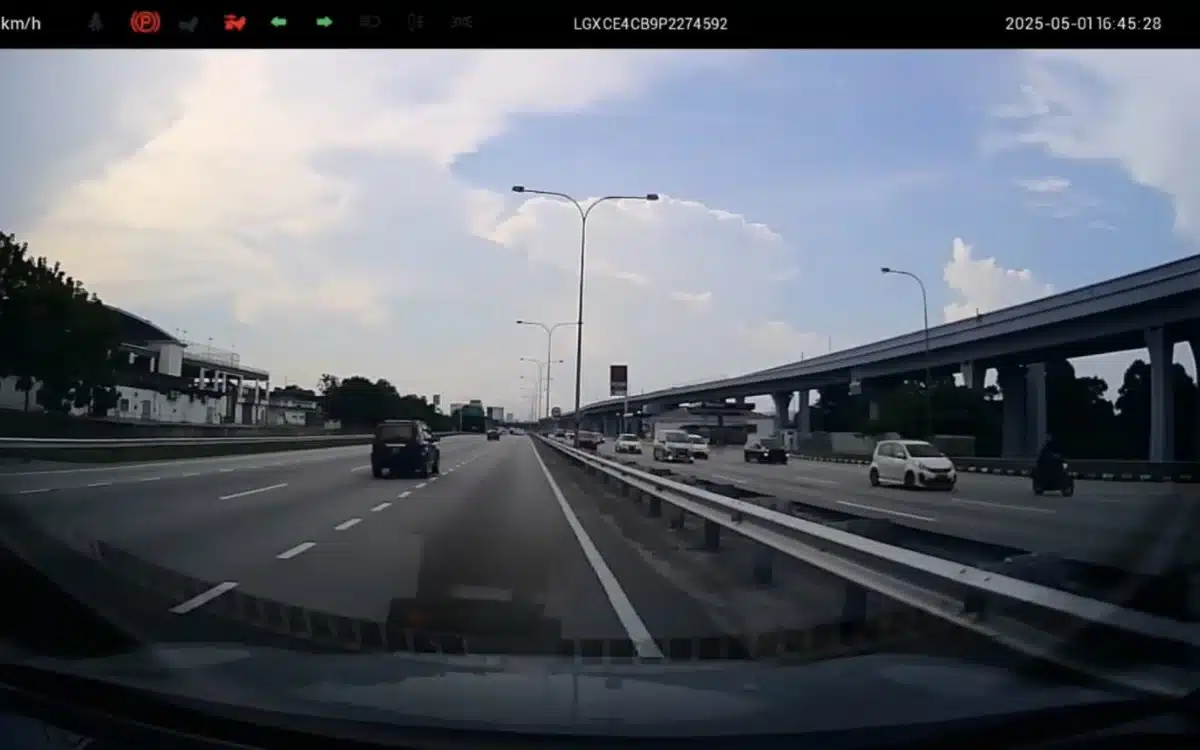
While traveling at 106 km/h, the vehicle came to a complete stop in the fast lane without any driver input or external obstruction.
This sudden immobilization left the car stationary in active traffic, nearly resulting in a collision with trailing motorists.
A subsequent technical investigation uncovered a specific mechanical glitch that forced the car to lock its wheels, leading to a resolution that few owners would expect.
Click the star icon next to supercarblondie.com in Google Search to stay ahead of the curve on the latest and greatest supercars, hypercars, and ground-breaking technology
What halted this BYD Atto 3
Technical investigators confirmed that a defective sensor in the driver-side door caused the BYD Atto 3 to initiate its emergency brake sequence.
While early reports suggested a potential issue with the 12V battery, the final diagnosis pointed to a software response triggered by the door sensor failure.
The car’s onboard computer interpreted the electrical fault as a critical safety risk and applied maximum braking force.
This automated intervention is a standard feature of the vehicle’s EV safety architecture, though in this case, it responded to a component glitch rather than an external hazard.
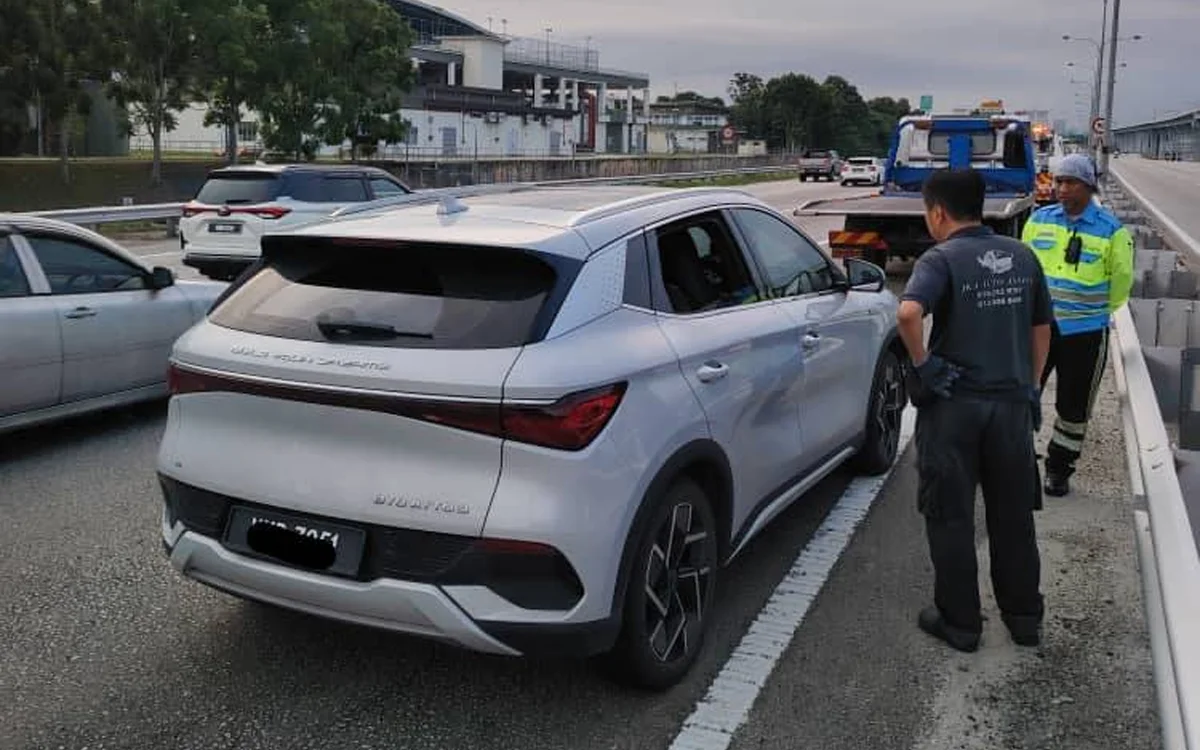
The manufacturer resolved the matter by repurchasing the vehicle through a full loan settlement with the owner’s bank.
The driver stated that he was unwilling to continue using the car following the incident, citing concerns over the reliability of the automated braking system.
Although the BYD Atto 3 maintains high safety ratings globally, this specific failure illustrates how a single sensor malfunction can lead to an abrupt and unexpected stop.
The brand has since monitored its fleet data to ensure this remains an isolated technical error.
Future of EV Safety
The automotive industry continues to evaluate the logic used by automated systems in vehicles like the BYD Atto 3 to manage electrical faults at speed.
Engineers are currently discussing the implementation of redundant sensors to prevent a single point of failure from triggering a full emergency brake.
Most units in the market have not experienced similar issues, indicating that the faulty door sensor was likely a localized manufacturing defect.
Transparent communication regarding these technical investigations remains a priority for manufacturers as they scale their electric vehicle production.
Looking forward, the brand is likely to refine its software logic to allow for safer failure modes that do not involve immediate immobilization on a busy highway.
Enhancing EV safety through over-the-air updates is a key advantage for modern electric cars, allowing for rapid deployment of fixes when vulnerabilities are identified.
The decision to settle the owner’s loan in full reflects a high level of accountability for the technical failure.
As the BYD Atto 3 increases its presence in international markets, these real-world findings will likely inform the development of more resilient driving-assistance technologies.
DISCOVER SBX CARS: The global premium car auction platform powered by Supercar Blondie