California man tests out Audi A6's advanced factory feature that can accurately predict traffic lights before they change
Published on Nov 21, 2026 at 3:03 PM (UTC-5)
by Alessandro Renesis
Last updated on Nov 21, 2026 at 3:03 PM (UTC-5)
Edited by
Mason Jones


This California YouTuber tested the new Audi A6, which comes with a V6 and, more importantly, some incredible technology.
The A6 is actually capable of predicting when the lights go green.
It’s a neat trick.
And there’s a very good reason why this feature is likely to become more common in the future
This is how this feature works
In his latest review, California-based YouTuber Drake Moshkau talked about the Audi A6.

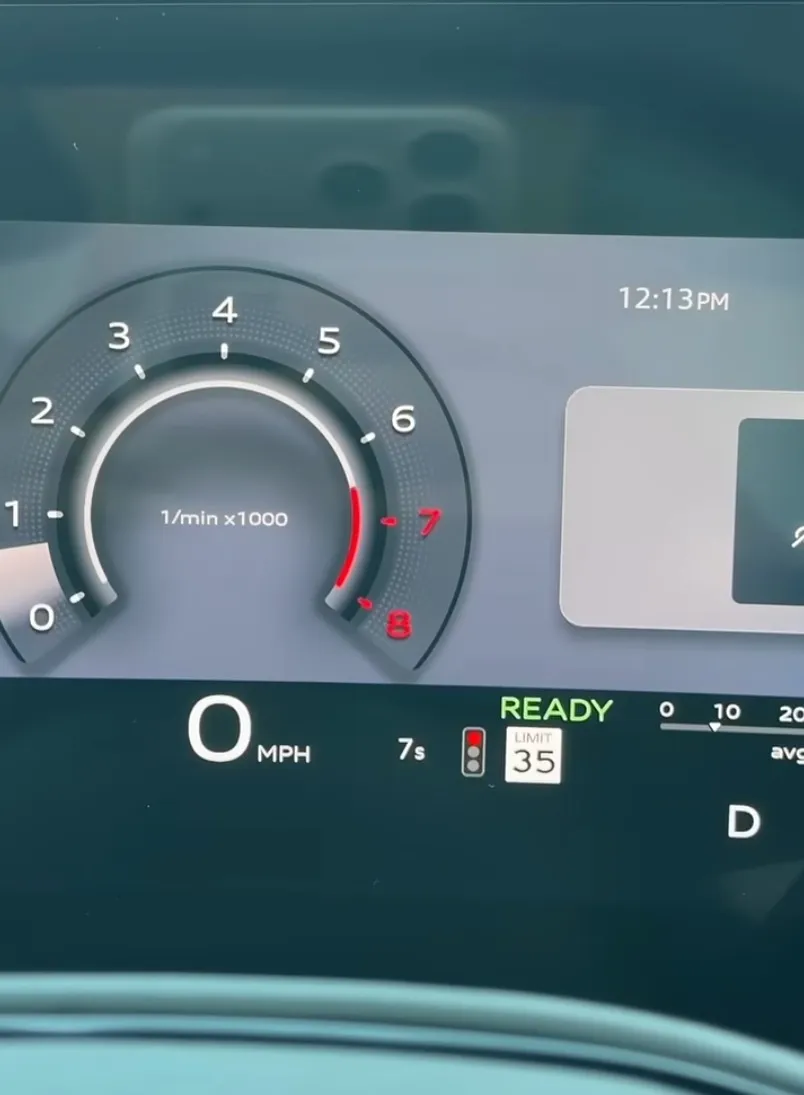
Specifically, he talked about an interesting feature that allows the car to predict when the light will go green.
By tapping directly into municipal traffic signal networks, Audi’s vehicle-to-infrastructure (V2I) technology interacts with traffic lights to make your life a bit easier and better.
Through its Traffic Light Information (TLI) system, the vehicle communicates with city traffic management centers over a cellular connection.
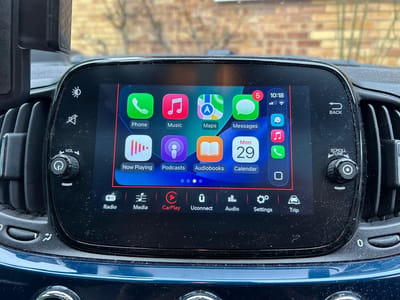
When approaching a connected intersection, the digital instrument cluster displays a real-time countdown timer indicating how many seconds remain until the red light turns green.
If the vehicle is moving, the system also calculates the optimal speed needed to catch a wave of green lights.
If you’re thinking there must be an acronym for that as well, you’re right.
It’s known as Green Light Optimized Speed Advisory – or GLOSA, for short.
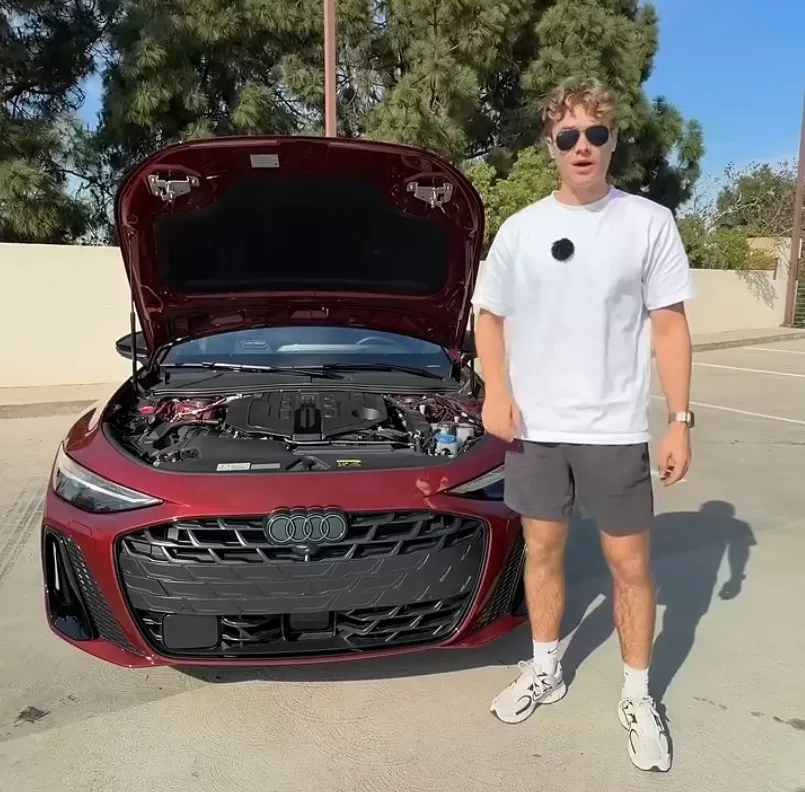
Under the hood, the Audi A6 uses an ‘old-school’ V6
While the car is digital and advanced, the engine is relatively old school, as in it’s not fully electric.
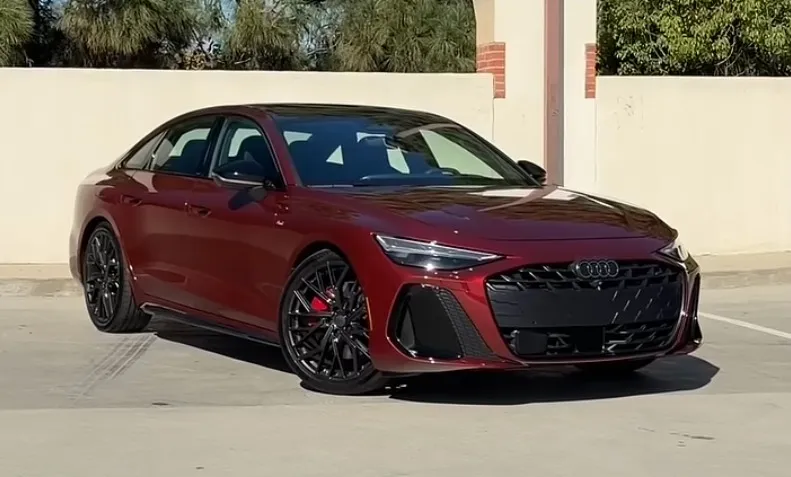
It’s powered by a 3.0-liter turbocharged V6 engine producing 363hp.
The styling is also a tribute to iconic Audis from the past, even though there are obviously several modern features.
Aside from the wide front grille and the massive 21-inch wheels, the Audi A6 uses a complicated and fascinating lighting system.
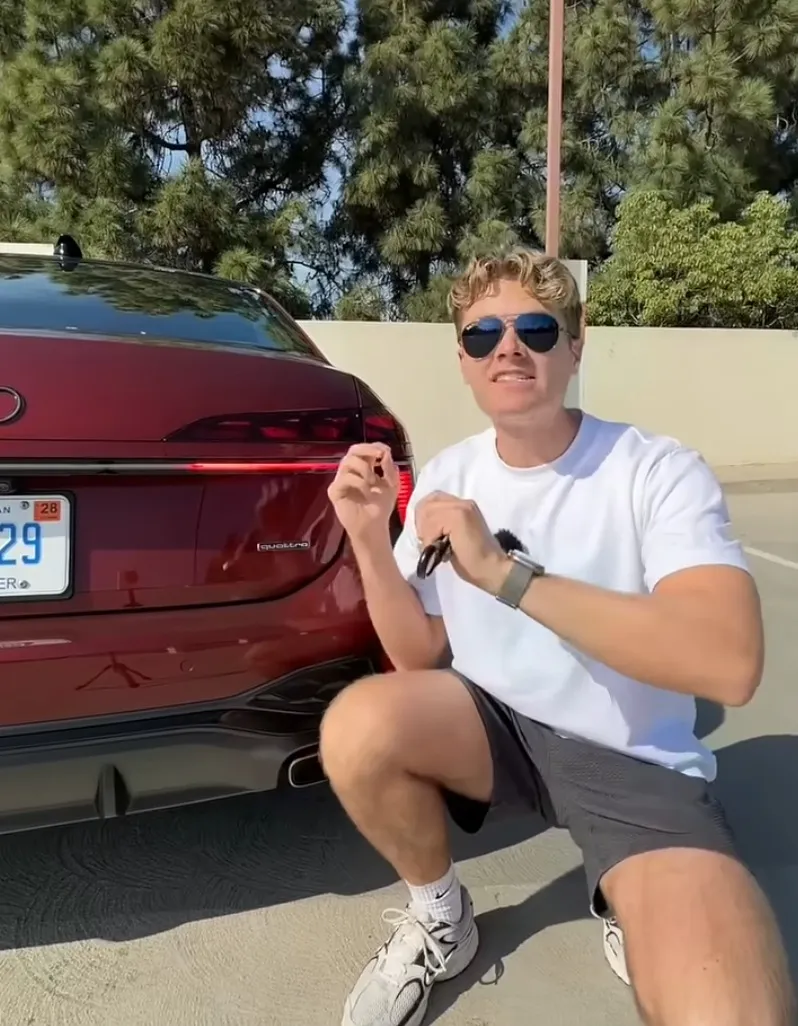
Sharp daytime running lights frame the front end, while the rear features advanced OLED taillights capable of displaying seven distinct light signatures.
Each taillight houses 198 individual segments that execute intricate animations, dynamically shifting patterns when unlocking the car, switching drive modes, or warning trailing drivers who approach too closely.
It’s a pretty neat trick.
At $65,000, the A6 is roughly in the same ballpark as the Mercedes-Benz E-Class, but it’s around $4,000 more expensive than the BMW 5 Series.
The difference between V2L, V2I, V2X, and why cars are going to be more and more connected
These acronyms all sound similar but they mean different things, and they’re the reason why cars are always going to be more and more connected.
V2I stands for Vehicle-to-Infrastructure, which is what Audi uses.
It allows a car to exchange real-time data with the road network – like traffic lights, smart signs, and municipal traffic centers.
Audi’s Traffic Light Information system is a prime example: the car receives cellular data from city infrastructure to predict signal changes and recommend optimal speeds, regardless of whether it runs on gas or electricity.
Then there’s V2L, or Vehicle-to-Load, which is strictly an electric vehicle feature.
Instead of sharing data, it shares electricity – turning your EV’s battery into a giant rolling power bank capable of running household appliances, power tools, or camping gear via an adapter.
Sitting above both is V2X – or Vehicle-to-Everything – the umbrella term for all wireless vehicle communication.
Along with V2I, it encompasses cars talking directly to other cars (V2V – Vehicle-to-Vehicle) to warn of sudden braking, and connecting with pedestrians’ smartphones (Vehicle-to-pedestrian).

This constant connectivity is rapidly becoming the automotive standard because onboard cameras and radar can only see what is directly in front of them.
As cities deploy 5G networks and software-defined vehicles take over, cars are evolving from isolated machines into active nodes in a shared network – allowing them to ‘see’ around blind corners, prevent collisions before they happen, and move through traffic seamlessly.
Brave new world, huh?
Are cars becoming smartphones?
Now that cars are becoming smartphones, there are going to be entirely new conversations about what this means for both drivers and people in the industry.
Namely, all of these cars need interfaces, screens, and software, so we asked Anastasiya Chernovol, UX designer with seven years of experience, two key questions.
First, will designers have to ‘retrain’ for this?
“The short answer is, it depends, but not really. Most automakers have companion apps, so there’s no difference between a car app and any other mobile app,” Chernovol told Supercar Blondie
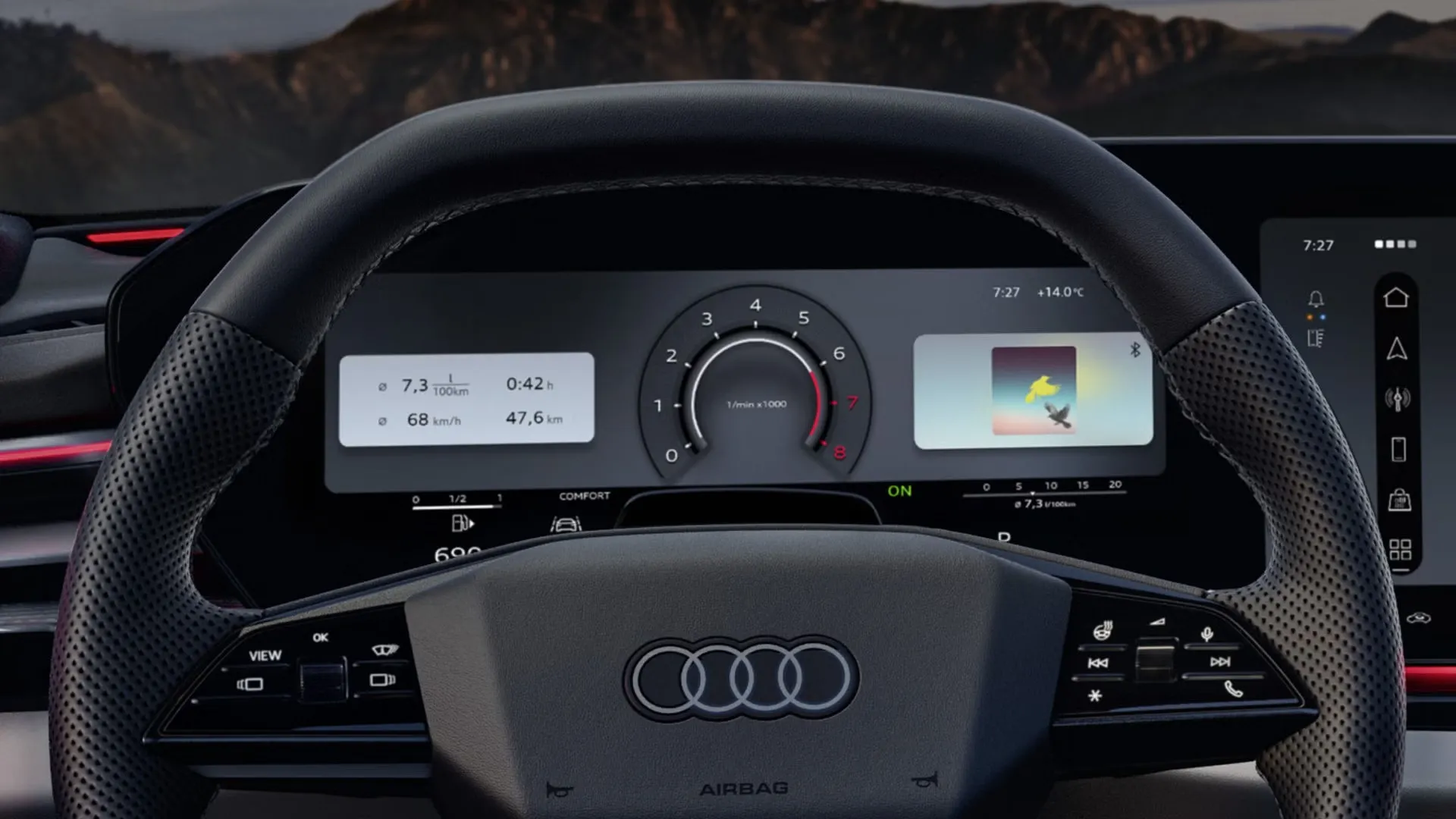
Below: aside from the infotainment screen, even dashboards and instrument clusters are now digital in virtually every new car
“If it’s about infotainment screens, the transition is less about learning new tools and more about changing your principles, because a car isn’t a smartphone – there’s a safety issue.“
The second question is about the worst habit to ‘unlearn.
“Mobile UX is built to keep eyes on the screen, while automotive UX is built to get eyes off the screen as safely and quickly as possible. Infinite scroll is probably the worst.
“It depends on the app, but in general, infinite scroll is seen as a good thing on mobile. You just can’t have that in a car.”
The best of Supercar Blondie, every Sunday
The week's best car stories, straight to your inbox. Free.
Alessandro is an automotive journalist with 10 years of experience covering supercars, automotive history, emerging vehicle technology, and luxury transportation. He wrote the first article published on SupercarBlondie.com when the website launched in 2022 and has since built a reputation for insightful reporting across the automotive and transportation industries. His expertise is grounded in hands-on experience. Alessandro has driven every Tesla model ever produced, from the original Roadster to the Cybertruck, and regularly covers the latest developments in electric vehicles and automotive innovation. His passion for transportation extends beyond cars, he has even flown a Boeing 787 Dreamliner simulator in Addis Ababa, Ethiopia. His reporting spans everything from classic American muscle cars and rare automotive discoveries to luxury yachts, private aircraft, high-end watches, and cutting-edge vehicle technology. Known for his deep knowledge of automotive history and ability to uncover the stories behind iconic vehicles, Alessandro brings readers a blend of historical context, technical expertise, and first-hand experience.