This is what the strange circle on your car's dashboard actually is and what it does
Published on Apr 05, 2026 at 7:11 AM (UTC+4)
by Callum Tokody
Last updated on Apr 02, 2026 at 6:20 PM (UTC+4)
Edited by
Mason Jones

Your car dashboard features a sophisticated sensor that monitors changes in your vehicle.
This small, dark plastic dome sits near the base of the windshield and often goes unnoticed by drivers during their daily commute.
It functions as a specialized meter that sends electrical signals to the vehicle computer.
Understanding exactly how this tiny component works reveals why your vents suddenly react to a break in the clouds.
The tech inside your car dashboard
The sunload sensor on your car dashboard provides the necessary data for the climate control module to operate effectively.
While a standard thermometer measures ambient air, this sensor specifically tracks the sunlight intensity hitting the passengers.
When the sun is bright, the sensor sends a signal to increase the fan speed and move the internal blend doors.
These doors regulate the specific mix of cold and warm air flowing into the car.
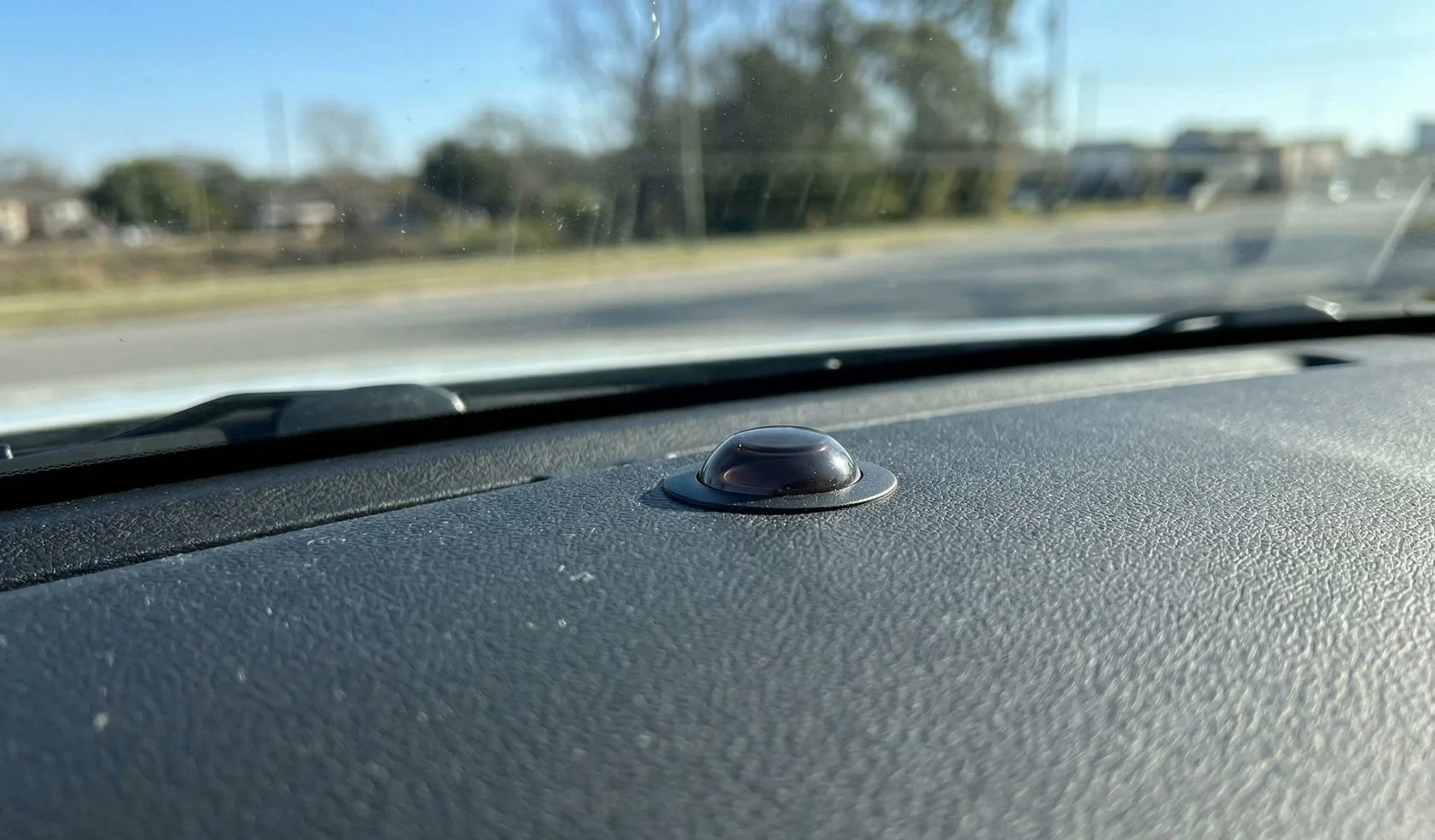
This process happens automatically so the driver does not have to manually adjust the thermostat while driving.
Manufacturers place these sensors on the car dashboard to ensure they have a clear, wide-angle view of the sky.
In many premium models, there are actually two separate sensors used to monitor the driver and passenger sides of the cabin.
This allows the climate control to provide extra cooling to the side of the car facing the direct sun.
It maintains an even feel across the entire interior during long trips in varying light conditions.
The car dashboard keeps these sensors integrated into the trim or speaker grilles to ensure the interior design remains clean.
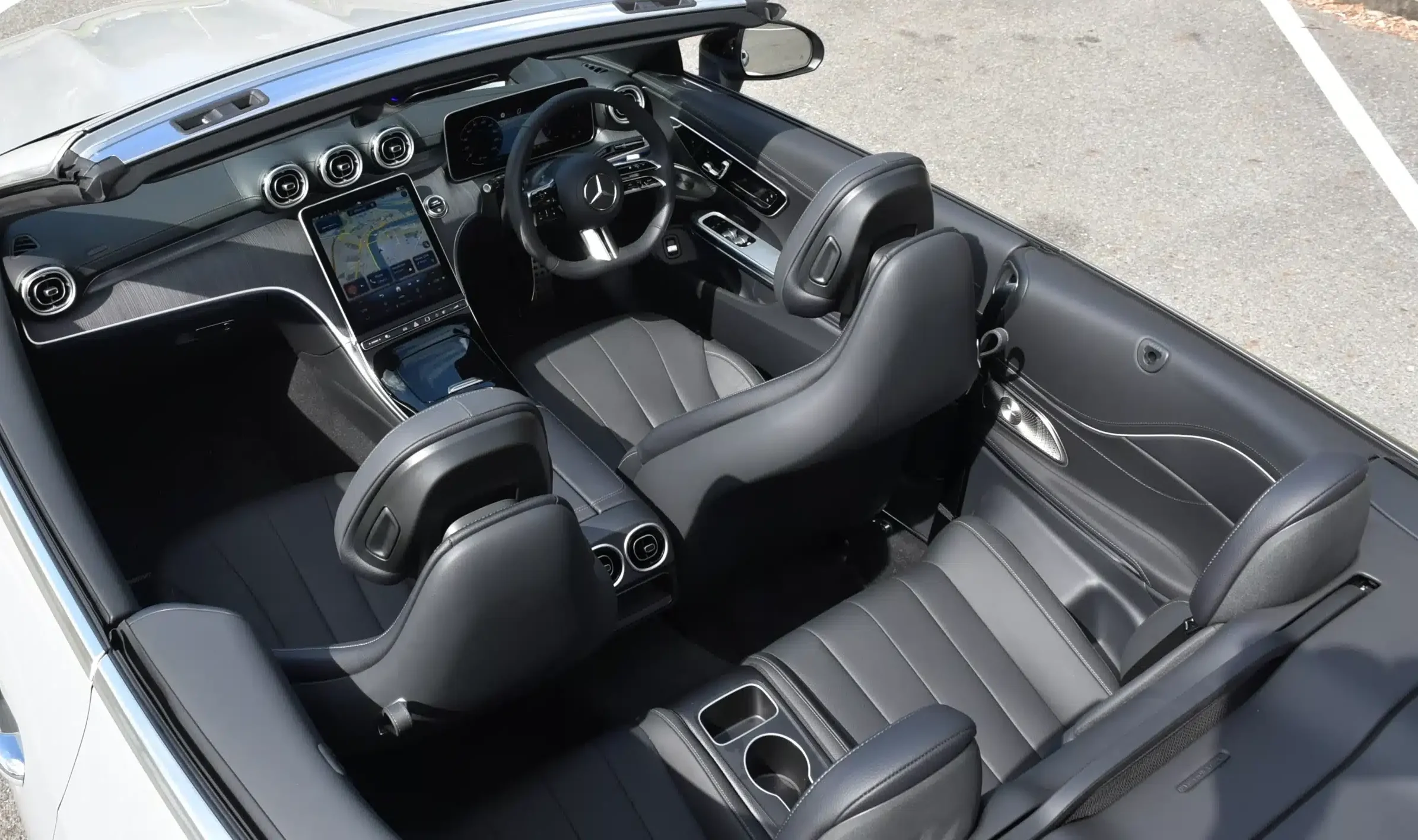
Obstructions on the car dashboard lead to poor performance from the sunload sensor and the climate control unit.
Items like parking permits, hats, or thick dash mats can block the sensor’s ability to measure light accurately.
The cabin may feel stuffy or warm because the system believes it is a cloudy day.
Keeping this specific area of the car dashboard clear is a simple way to ensure the HVAC system remains responsive.
Solving high sunlight intensity problems
Newer dashboard designs are beginning to hide these sensors more effectively while adding new capabilities.
Some current models pair the sunload sensor with infrared cameras that monitor the actual skin temperature of the people inside the car.
This allows the climate control to adjust the airflow based on real-time comfort levels rather than just light levels.
Sunlight intensity remains a major factor in these calculations, as it is the largest source of heat load for any vehicle.
These advancements allow for a much more precise and quiet cabin environment.
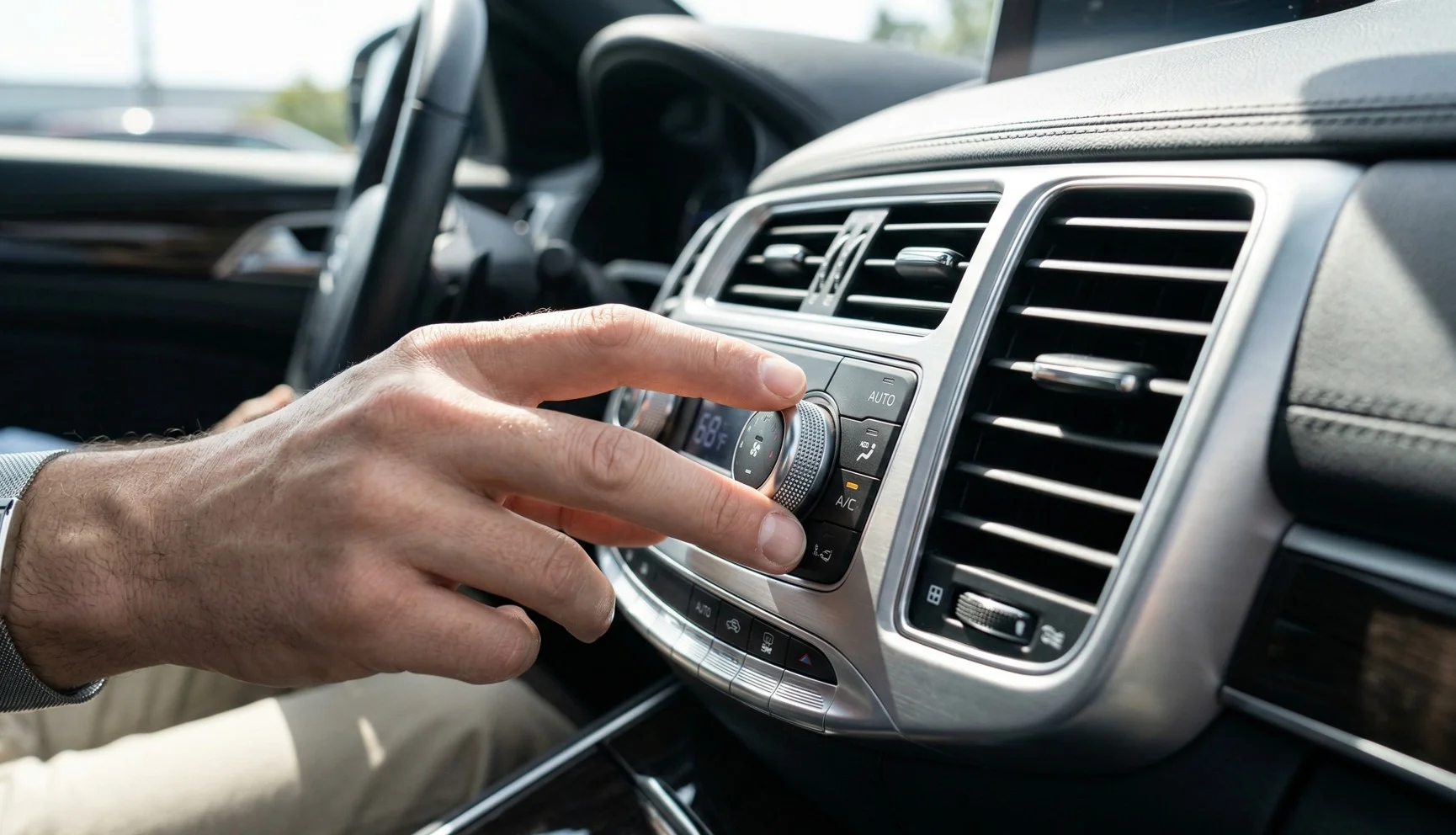
Glass technology is also assisting the sensors, with many modern windshields featuring metallic coatings that reflect infrared radiation before it enters the car.
This reduces the work the sunload sensor has to do to keep the temperature stable.
The small circle on your car dashboard remains a fundamental part of the modern driving experience.
It provides the data necessary to balance sunlight intensity with occupant comfort across varying climates.
As vehicle technology advances, the car dashboard will likely feature even more integrated versions of this hardware.
DISCOVER SBX CARS: The global premium car auction platform powered by Supercar Blondie