Man lets ChatGPT analyze 10 years of Apple Watch data and what it finds freaks him out enough to call his doctor
Published on Jan 28, 2026 at 5:58 AM (UTC+4)
by Daisy Edwards
Last updated on Jan 27, 2026 at 5:46 PM (UTC+4)
Edited by
Amelia Jean Hershman-Jones
Think it’s just a fitness-tracking accessory? One man asked ChatGPT to analyze 10 years of his Apple Watch data, and what it found out freaked him out enough to call his doctor.
After handing over a decade of Apple Watch stats, a journalist asked ChatGPT Health to judge his heart.
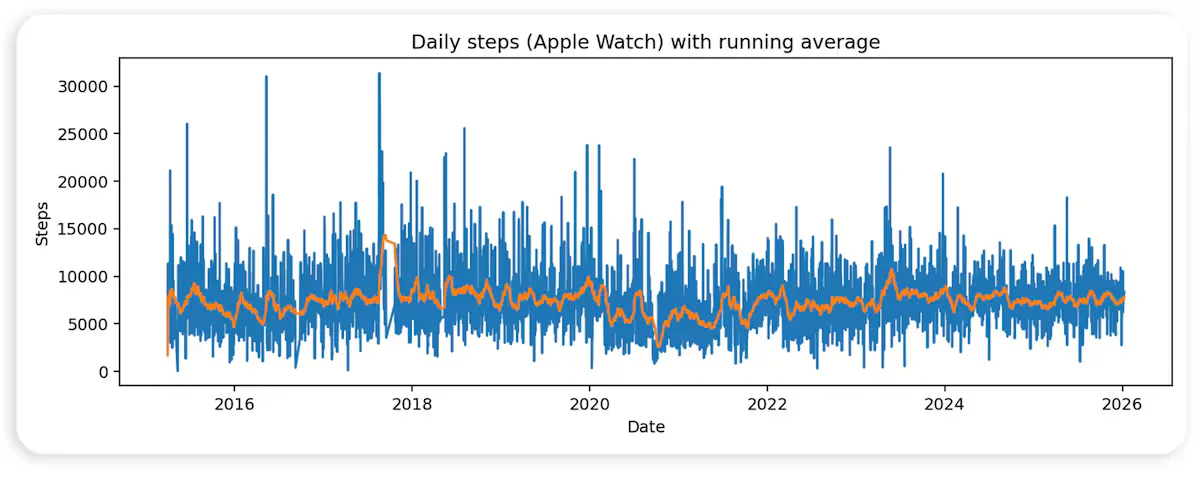
The chatbot reviewed 29 million steps and 6 million heartbeat measurements extremely quickly and delivered a brutal verdict.
What followed was enough to send him running to his real-life human doctor for reassurance – but the medical practitioner’s response was not what you might expect.
EXPLORE SBX CARS – Supercar auctions starting soon powered by Supercar Blondie
ChatGPT analyzed 10 years of this man’s Apple Watch data
Did you know that there was a doctor living in all your gadgets this whole time?
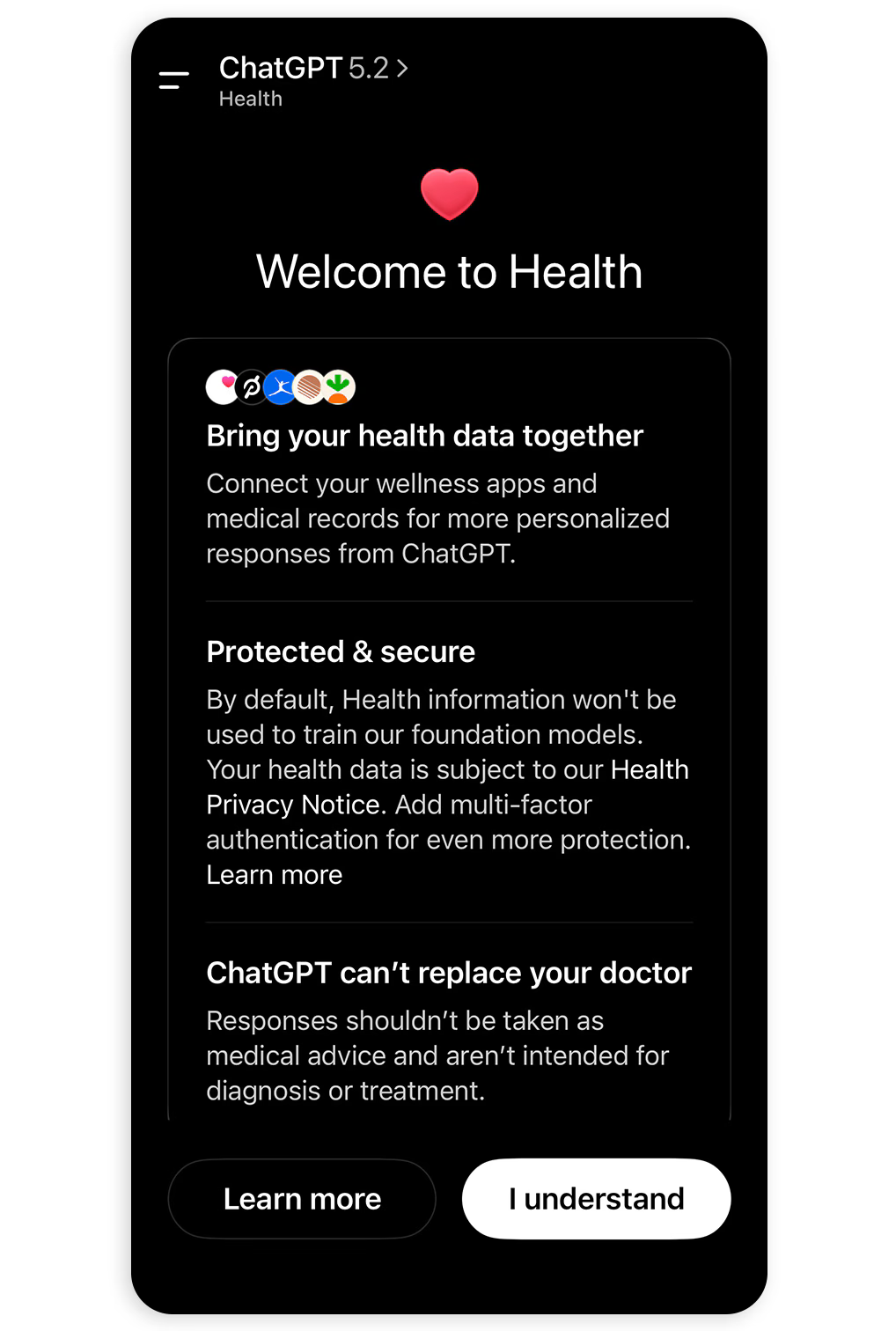
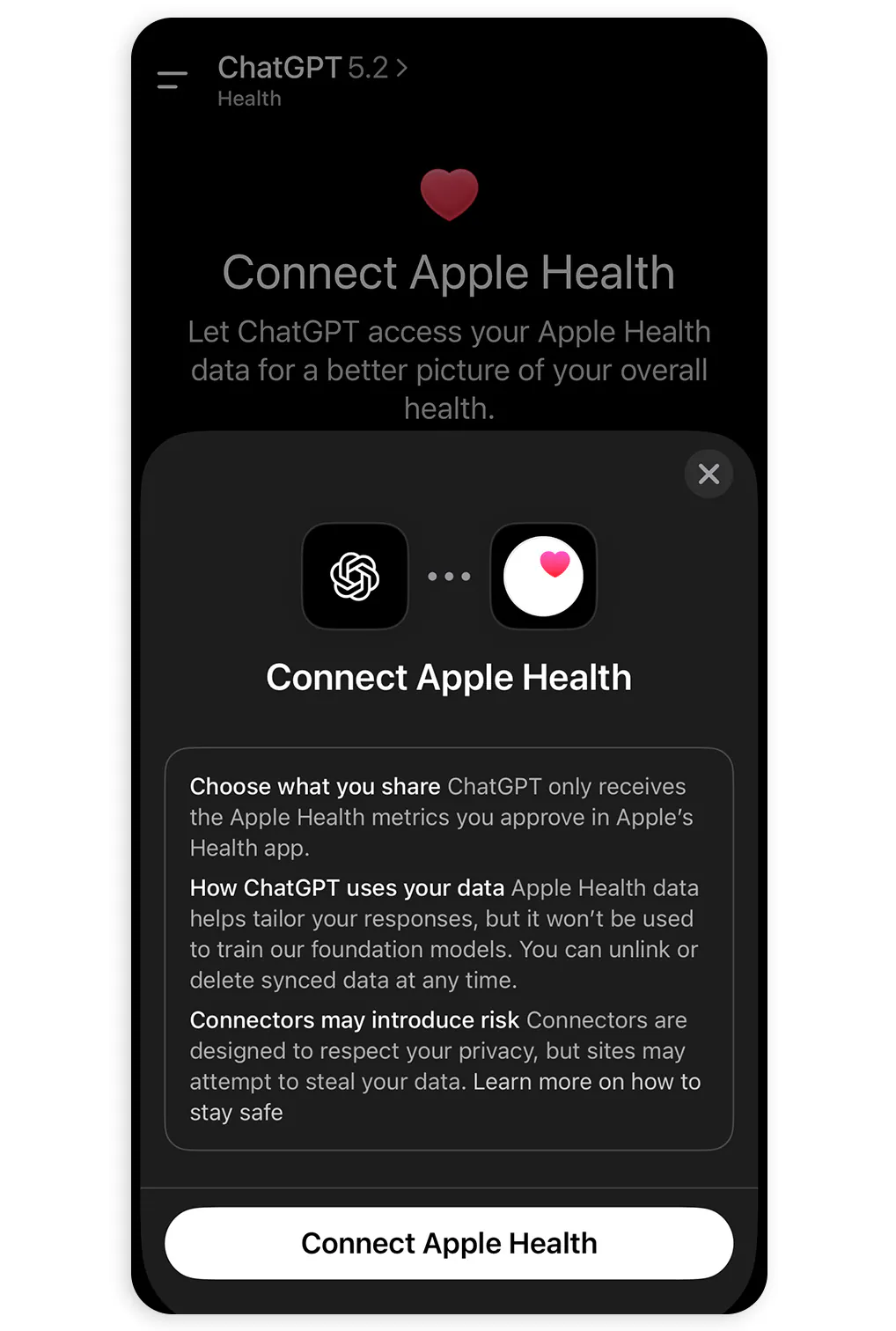
ChatGPT Health says it can help users understand long-term health patterns by analyzing fitness tracker data and medical records, and most people have Apple Watches or iPhones, which track their medical data.
Curious about what a decade of wearing an Apple Watch might reveal, a Washington Post journalist joined a short wait list and gave the AI access to everything stored in his Apple Health app.
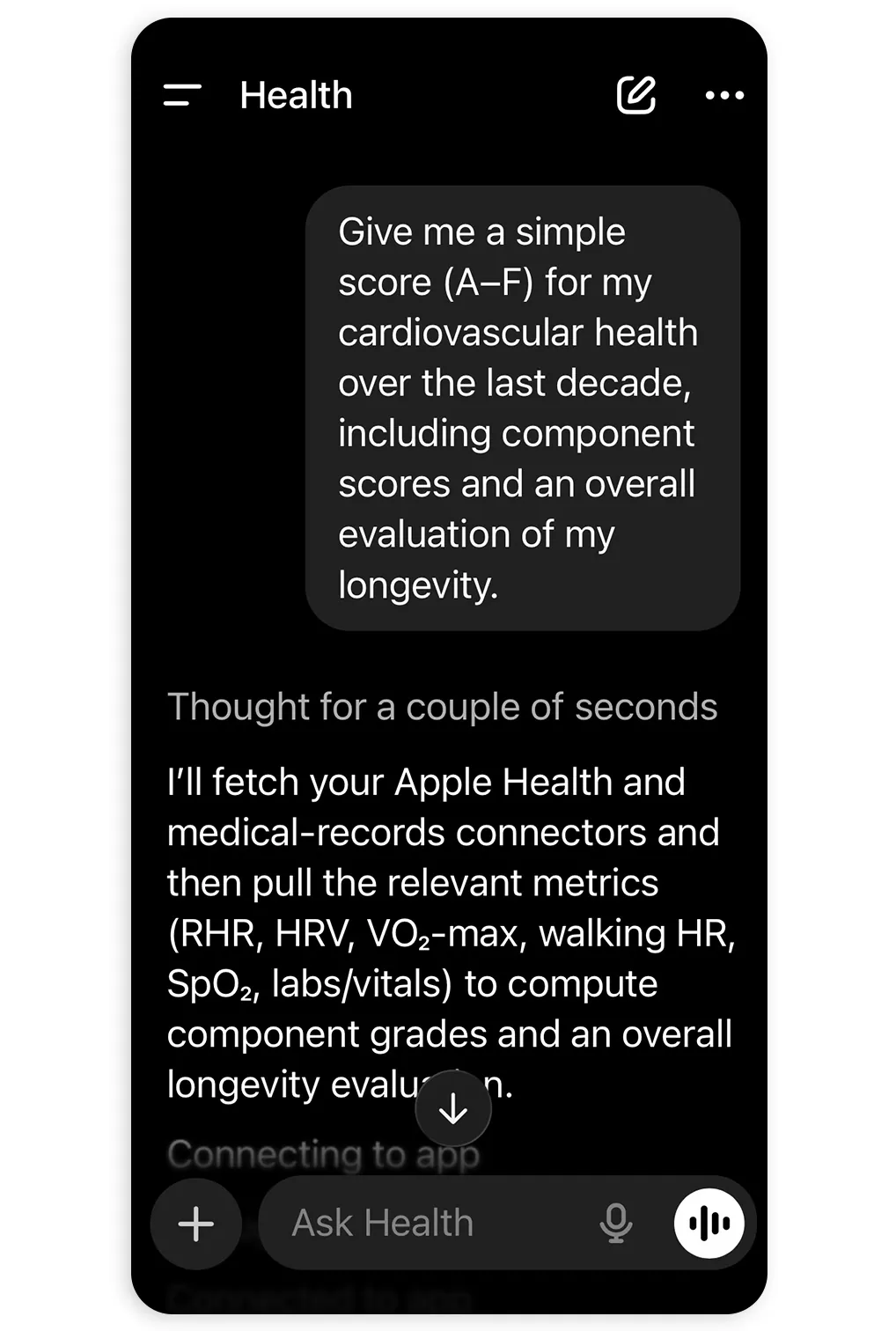
He asked the AI assistant to grade his cardiac health, and to his shock, the answer came back as an F.
Alarmed, he immediately went for a run and then sent the full report to his actual doctor.
The response from his physician could not have been more different.
According to his doctor, he was at such low risk for a heart attack that his insurance would likely not even cover additional testing to prove the AI wrong.
He also shared the results with cardiologist Eric Topol from the Scripps Research Institute, and Topol dismissed the analysis outright, calling it baseless.
He added that the system was not ready to provide medical guidance at all, accurate or otherwise.
Click the star icon next to supercarblondie.com in Google Search to stay ahead of the curve on the latest and greatest supercars, hypercars, and ground-breaking technology
He decided he had to call his doctor
As the Washington Post journalist kept using ChatGPT Health, the problems stacked up.
When he asked for heart health and longevity scores, the grades shifted from an F to a D after he connected his medical records, then fluctuated wildly between different conversations with the ChatBot.
Much of the negative scoring focused on Apple Watch VO2 max estimates and heart rate variability, metrics that experts say can be fuzzy and misleading when taken at face value.
Even Apple describes VO2 max on the Watch as an estimate rather than a clinical measurement.
The chatbot also treated inconsistent data as meaningful signals, including changes that appeared whenever the user upgraded to a new Apple Watch.
Over time, ChatGPT forgot basic details like age and gender, and sometimes ignored recent blood test results it had access to.
While ChatGPT Health was useful for plotting data and spotting broad activity trends, its confident but unstable conclusions raised serious concerns as to whether people are blindly believing it.
In the end, the experience served as a reminder that while AI health tools sound impressive, they are no substitute for an actual doctor who understands the full picture and has years of proper training.
DISCOVER SBX CARS: The global premium car auction platform powered by Supercar Blondie
As a Content Writer since January 2025, Daisy’s focus is on writing stories on topics spanning the entirety of the website. As well as writing about EVs, the history of cars, tech, and celebrities, Daisy is always the first to pitch the seed of an idea to the audience editor team, who collab with her to transform it into a fully informative and engaging story.