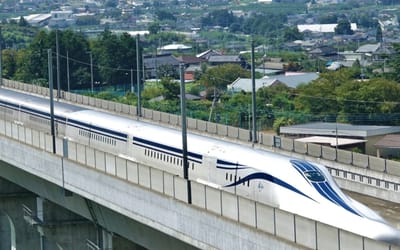
China achieves a world first as wireless train convoy carries 38,580 tons of cargo — the equivalent of three Eiffel Towers
Published on Dec 10, 2025 at 7:07 AM (UTC+4)
by Henry Kelsall
Last updated on Dec 09, 2025 at 9:31 PM (UTC+4)
Edited by
Amelia Jean Hershman-Jones
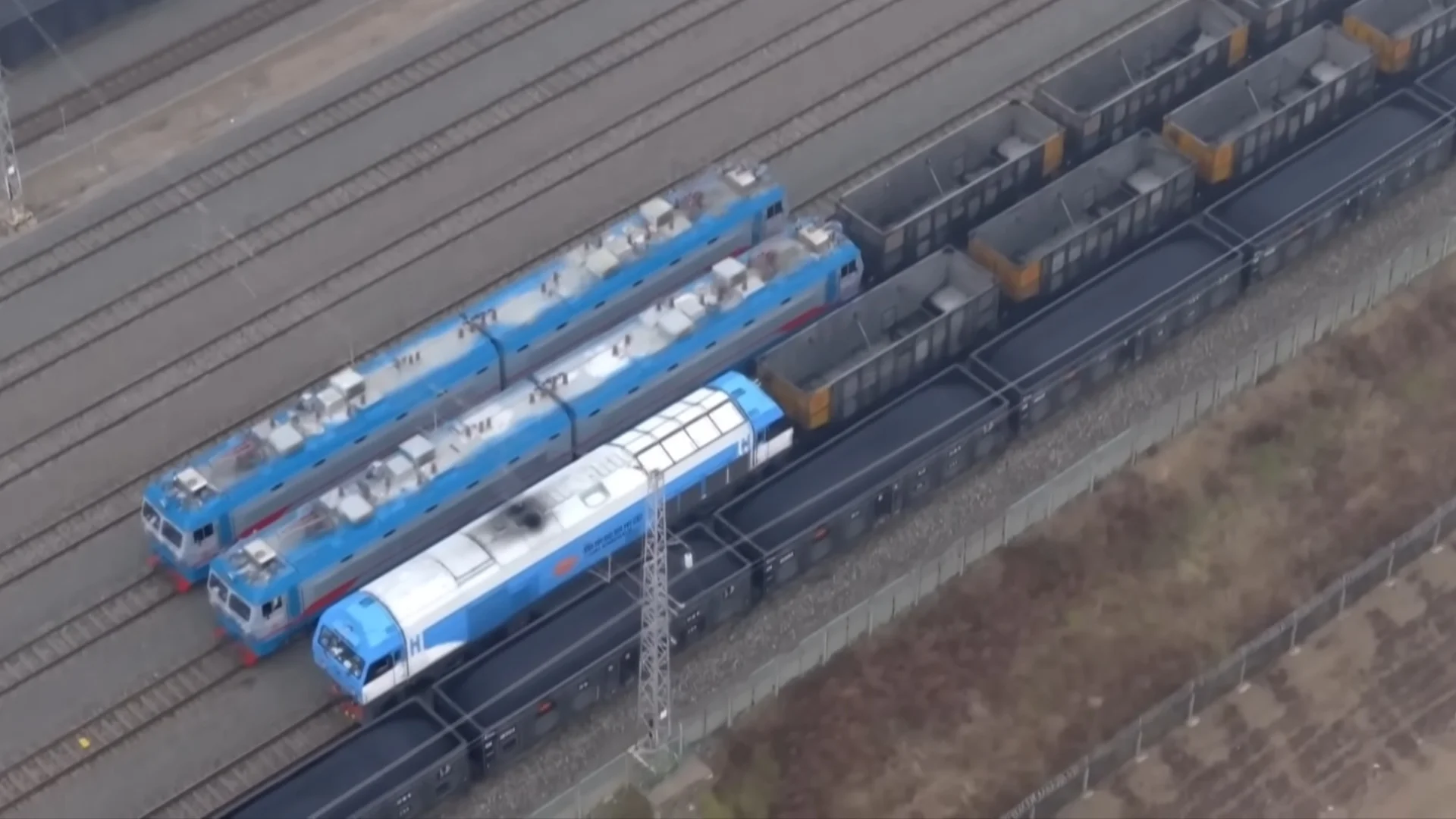

China has just changed the game for rail travel, having trialed the world’s first wireless train convoy, which was carrying nearly 40,000 tons of cargo.
That might sound like pure fantasy, but it isn’t, with China testing the technology out on 8 December 2025.
The incredible trial took place on the Baoshen Railway in Inner Mongolia, and it was the first time that China had linked several trains into one convoy with no physical couplers.
Should further trials of this system prove successful, it could be a new way to move heavy cargo around railroad networks.
DISCOVER OUR SUPERCAR AUCTION SITE – View live auctions on SBX Cars
How the wireless train convoy was tested
The test involved seven freight trains coupled together.
That led to a combined total of 38,580 US tons in total, or 35,000 tonnes.
According to state media, the train load was more than three times the weight of France’s Eiffel Tower.
Each train carried 5,512 US tons in total.
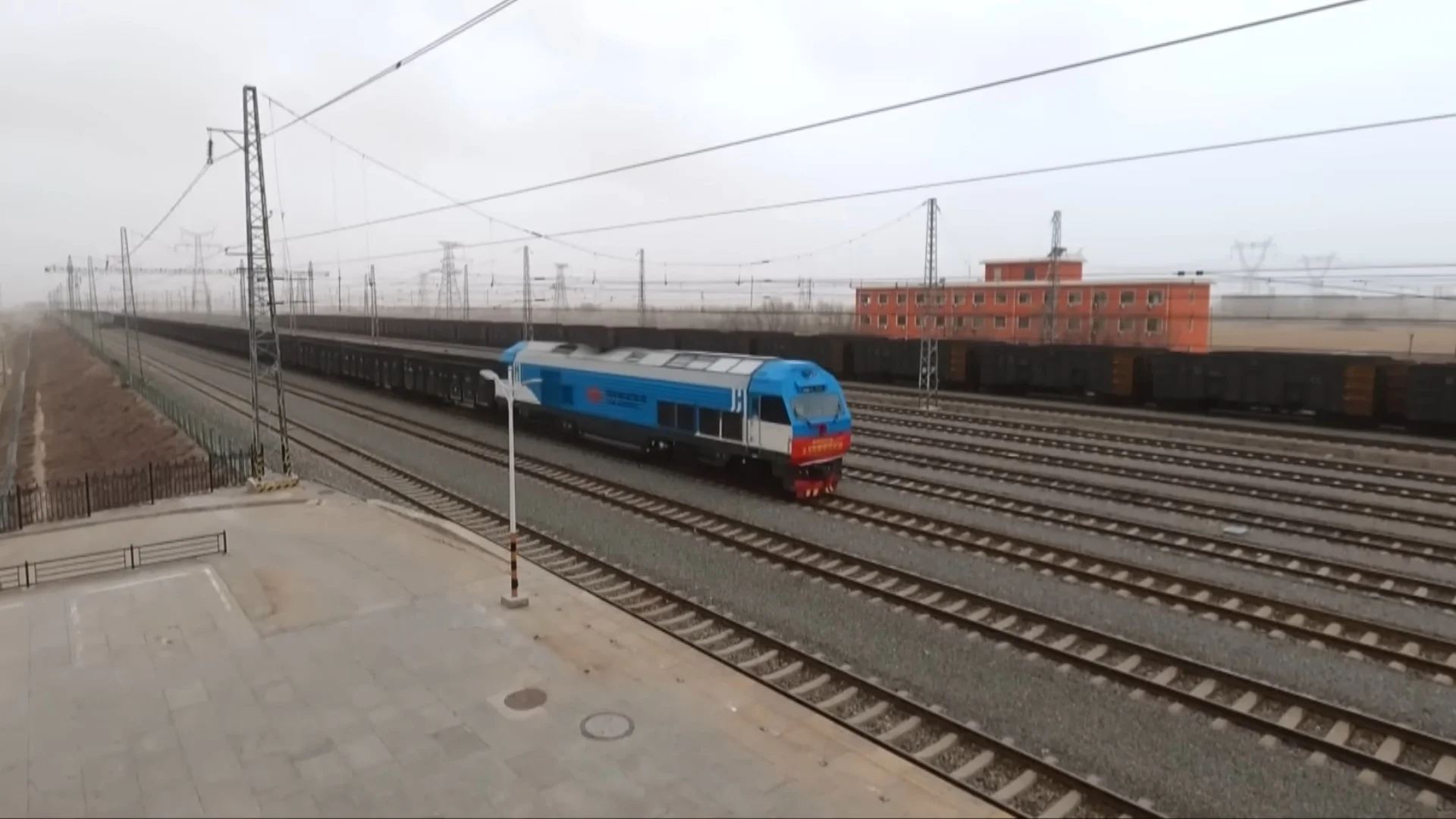
The control system itself was the product of the China Shenhua Energy Company.
Its purpose is to synchronize acceleration and braking via the whole train, with no mechanical links.
According to broadcaster CCTV, the system can reduce the braking distance required for such a big train.
How the new coupling system worked
The test train used a group control system, entirely controlled wirelessly.
It managed the speed and spacing between each train, allowing them to respond to inputs quickly.
All of this was achieved without the usual physical links.
Regular freight trains usually require large gaps between each other.
This is due to the heavy loads and high speeds requiring longer braking distances.
But this system, should further tests proceed successfully, could massively reduce the gaps between trains.
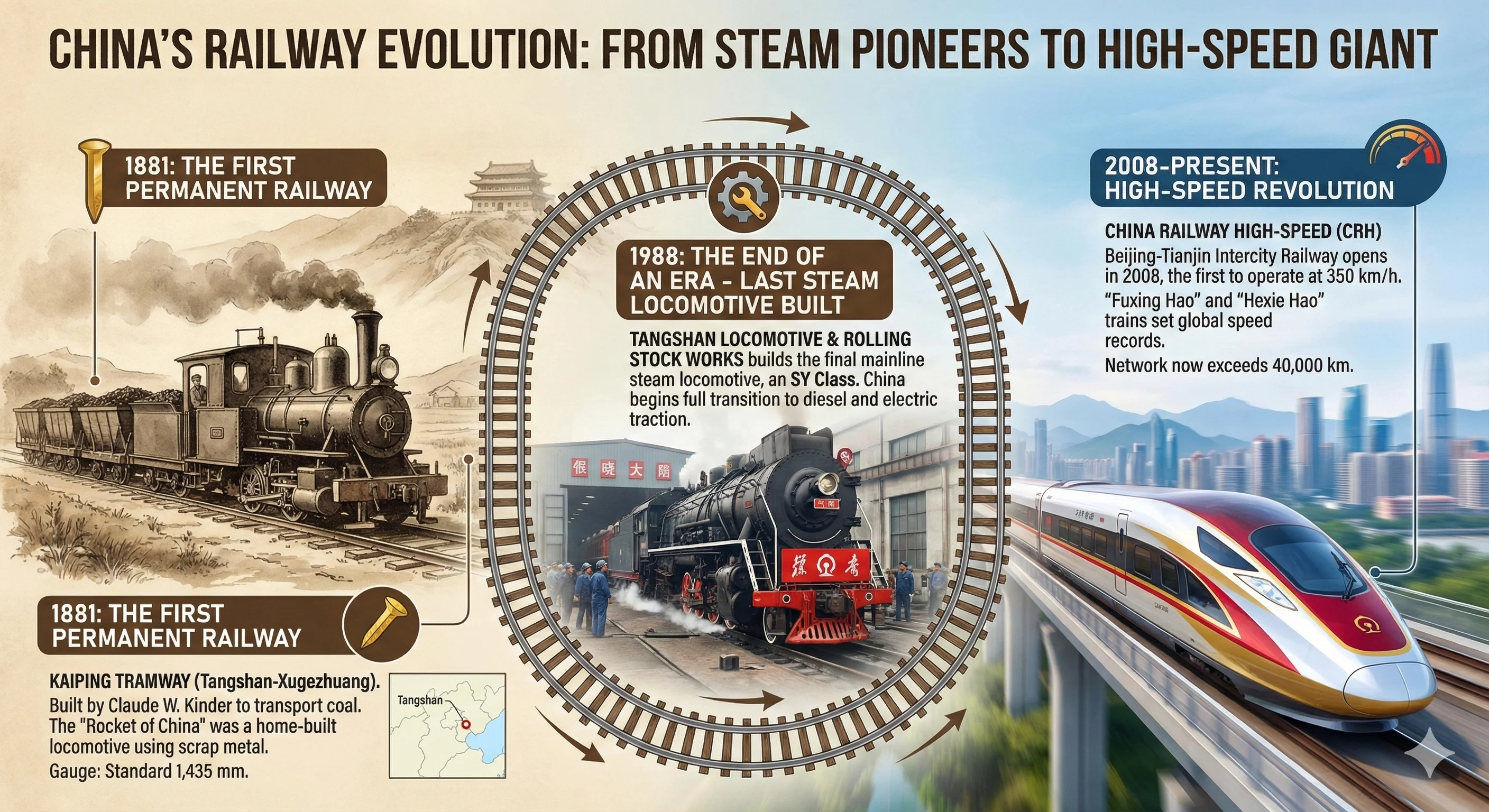
As it can react instantly to changes in train speeds, they can be much closer together.
Plus, it will allow for extra trains on the same network, without building another railroad track.

That could potentially save money while also helping to keep maintenance costs down.
The West will be watching closely to see if it can successfully implement the system in other countries.
DISCOVER SBX CARS: The global premium car auction platform powered by Supercar Blondie
Henry joined the Supercar Blondie team in February 2025, and since then has covered a wide array of topics ranging from EVs, American barn finds, and the odd Cold War jet. He’s combined his passion for cars with his keen interest in motorsport and his side hustle as a volunteer steam locomotive fireman at a heritage steam railway.