China builds the first ever time system for the Moon to establish a universal lunar time
Published on Jan 29, 2026 at 10:01 PM (UTC+4)
by Henry Kelsall
Last updated on Jan 30, 2026 at 12:59 PM (UTC+4)
Edited by
Emma Matthews
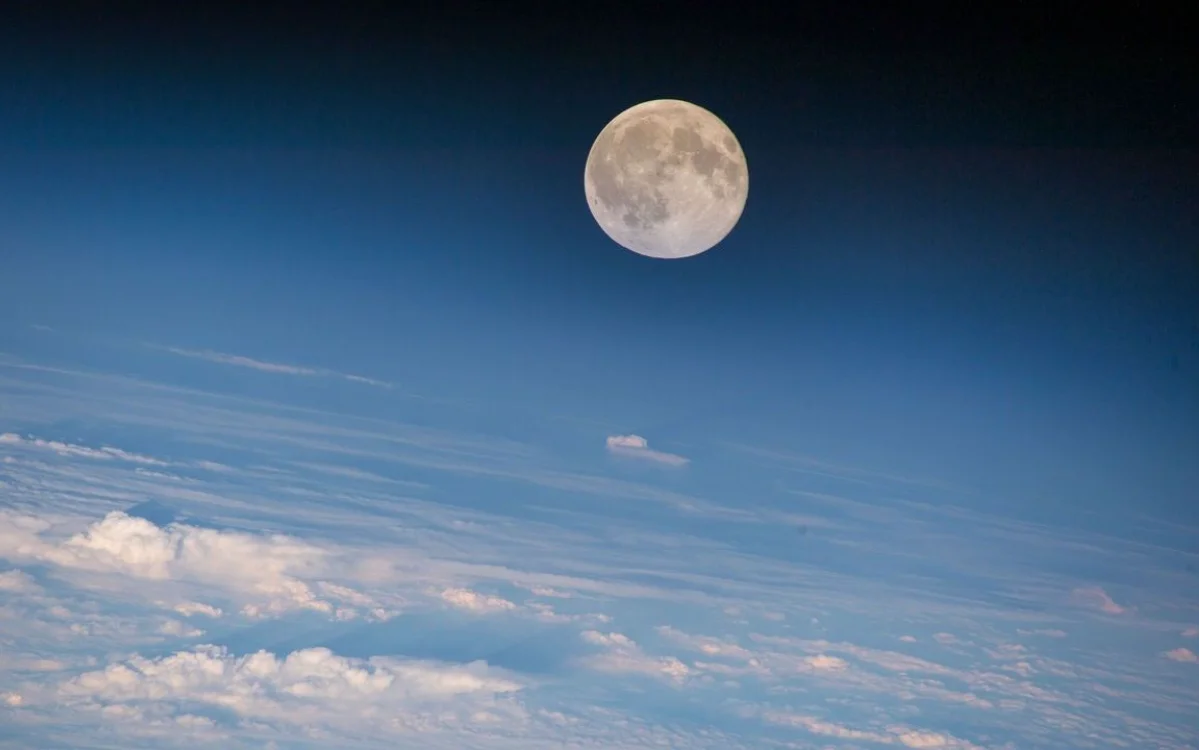

China has just built the first-ever time system for the Moon, as it looks to establish a universal lunar time.
The Moon is one of the most fascinating parts of the solar system, and many of the world’s superpowers would love to allow humans to inhabit the Moon.
Of course, doing so would require a universal lunar time so that people from around the globe could live on the giant rock and share the same timezone.
China, however, has claimed it has already done so and has even made a new tool publicly available to use.
DISCOVER OUR SUPERCAR AUCTION SITE – View live auctions on SBX Cars
What has China said about its universal lunar time?
Researchers in China say they have designed lunar timekeeping software.
This will enable us to synchronize our clocks with the Moon in space.
The researchers are from the Purple Mountain Observatory, and the software is LT3440.
This is short for Lunar Time Ephemeris.
Revealed in a paper published in Astronomy & Astrophysics, it accounts for several factors.
These are the Moon’s weaker gravity and its motion through space.
Missions to the Moon – The Space Race Begins (1959–1967)
- 1959 | Luna 2 (USSR): The first human-made object to reach the Moon, intentionally impacting the surface.
- 1959 | Luna 3 (USSR): Captured the very first grainy images of the Moon’s mysterious ‘far side.’
- 1966 | Luna 9 (USSR): The first spacecraft to achieve a ‘soft landing’ and transmit photos from the surface.
- 1966 | Surveyor 1 (USA): NASA’s first soft landing, proving the lunar surface was solid enough to support a human crew.
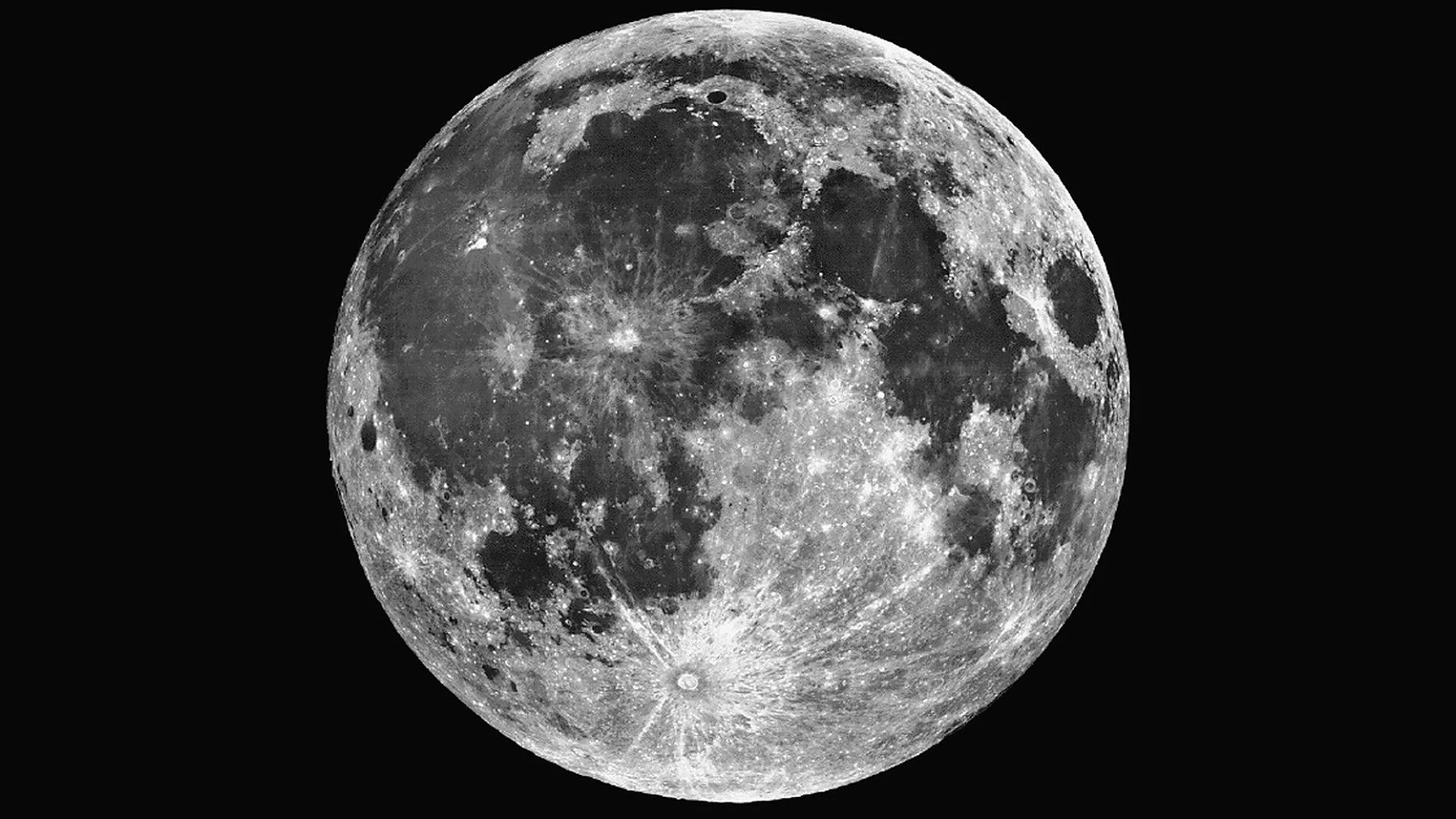
Time passes differently in space versus on Earth, with the flow of time affected by gravity and motion.
This was published in Einstein’s theory of general relativity, with time running slower in stronger gravitational fields.
Click the star icon next to supercarblondie.com in Google Search to stay ahead of the curve on the latest and greatest supercars, hypercars, and ground-breaking technology
How universal lunar time will change communications between Earth and the Moon
Currently, lunar missions communicate with the Earth using standard Coordinated Universal Time (UTC).
With future trips to the moon expected to ramp up, a new timekeeping method was needed for better accuracy.
This new software uses precise data about the motion of the planetary mass, which means it can track changes in the time difference between Earth and what is called a ‘natural satellite.’
The software is then given those calculations, meaning users can compare the time difference between the Earth and the Moon.
Rather than all the calculations being done manually, LTE440 automates them, making it a quick process.
The researchers who developed LTE440 say it will be accurate up to 1,000 years into the future.
If so, this could smooth out the process for lunar missions for many years to come.
The Apollo Era (1968–1972)
- 1968 | Apollo 8 (USA): The first crewed mission to orbit the Moon; astronauts saw ‘Earthrise’ for the first time.
- 1969 | Apollo 11 (USA): Neil Armstrong and Buzz Aldrin became the first humans to walk on the lunar surface.
- 1970 | Apollo 13 (USA): A ‘successful failure’ – an oxygen tank explosion forced the crew to loop around the Moon and return to Earth safely without landing.
- 1971 | Apollo 15 (USA): The first use of the Lunar Roving Vehicle, AKA Moon Buggy, allowed astronauts to explore much further.
- 1972 | Apollo 17 (USA): The final Apollo mission and the last time humans walked on the Moon to date.
DISCOVER SBX CARS: The global premium car auction platform powered by Supercar Blondie
Henry joined the Supercar Blondie team in February 2025, and since then has covered a wide array of topics ranging from EVs, American barn finds, and the odd Cold War jet. He’s combined his passion for cars with his keen interest in motorsport and his side hustle as a volunteer steam locomotive fireman at a heritage steam railway.