China hits historic milestone as 3 in 4 new cars sold now have a plug while gas sales fall by nearly half
Published on Nov 26, 2026 at 10:41 AM (UTC-5)
by Alessandro Renesis
Last updated on Nov 26, 2026 at 10:41 AM (UTC-5)
Edited by
Mason Jones
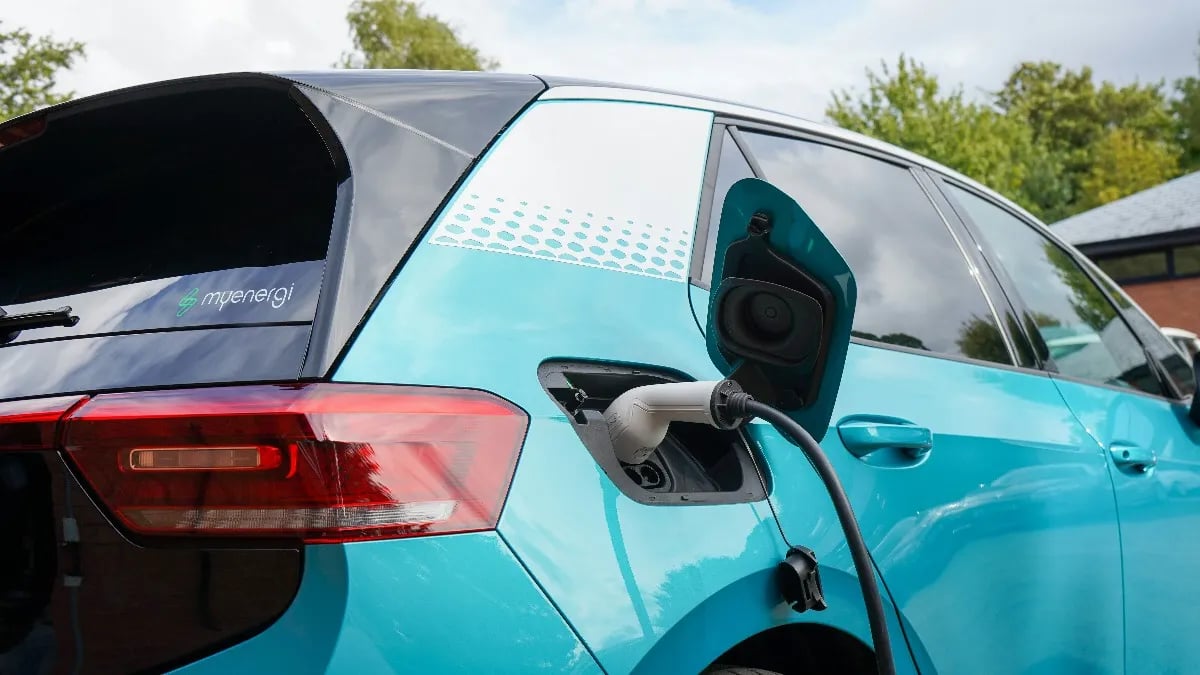

Three in four new cars sold in China are now electrified.
Some people call them NEV, which stands for New Energy Vehicles.
Tomato-tomato, because what matters is that 70+ percent of the new vehicles sold in China are no longer gas cars.
But every silver lining has a cloud, and this is no exception.
China’s EV revolution is moving so fast that gas car sales have been effectively halved
As reported by YouTuber The Electric Viking, around three in four new cars sold in China are now electric.
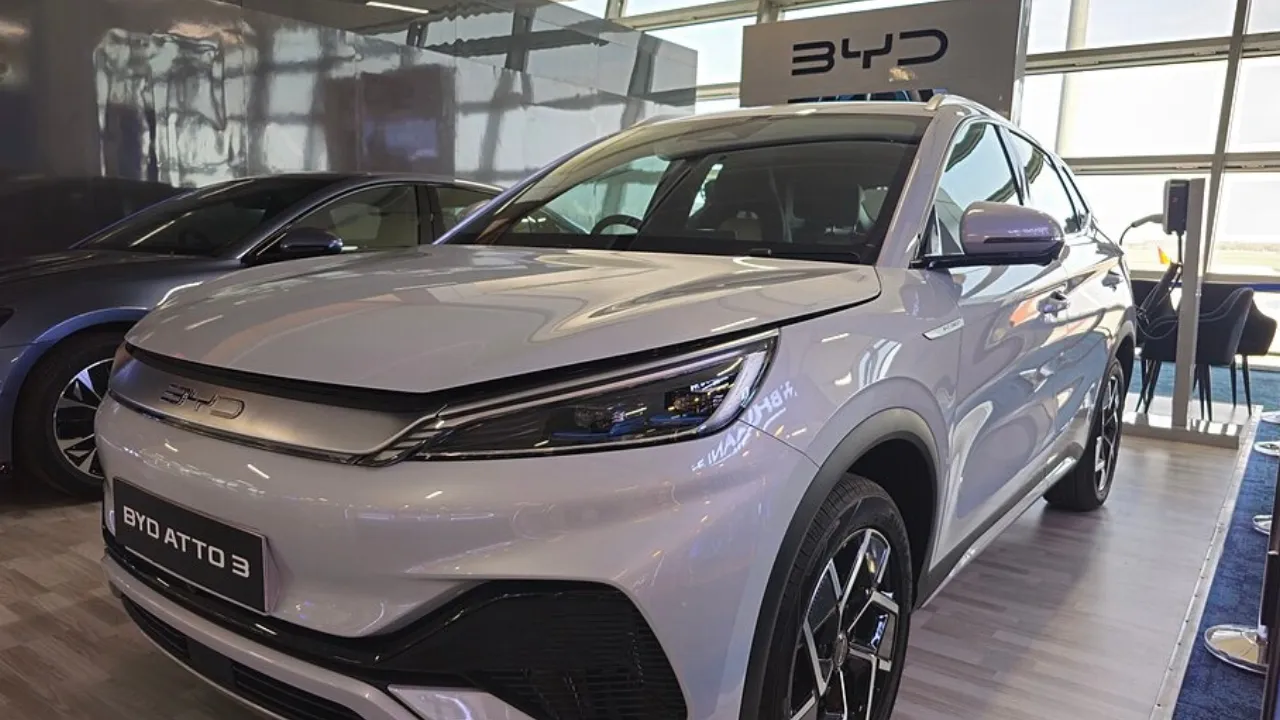
During the first half of November 2026, NEVs surged to a record 73.2 percent share of all new car sales in China.
To clarify, NEV means electric, plug-in hybrid or just in general any vehicle that’s not powered by pure internal combustion.
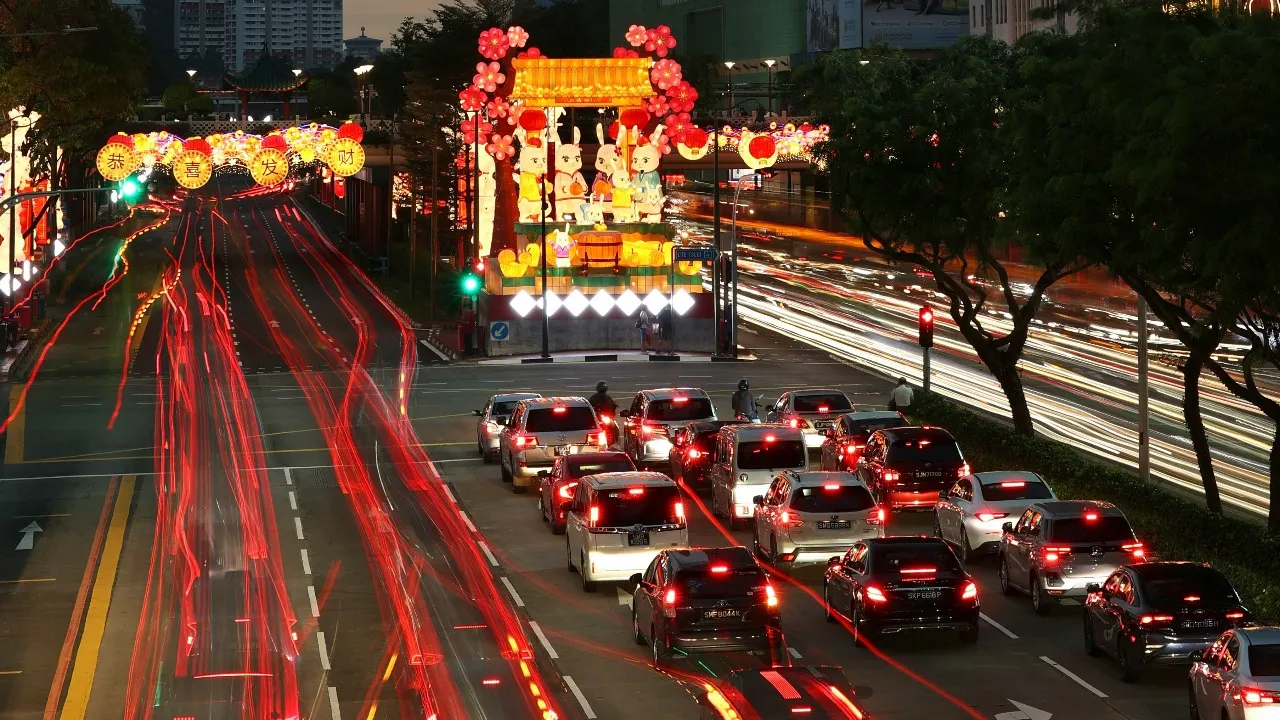
The speed of China’s pivot away from traditional internal combustion engines has left legacy gas-powered models struggling for relevance.
In the first two weeks of November, sales of gas-only vehicles fell to just 164,000 units – roughly half the volume recorded during the same period a year earlier.
The main reasons behind this trend in China
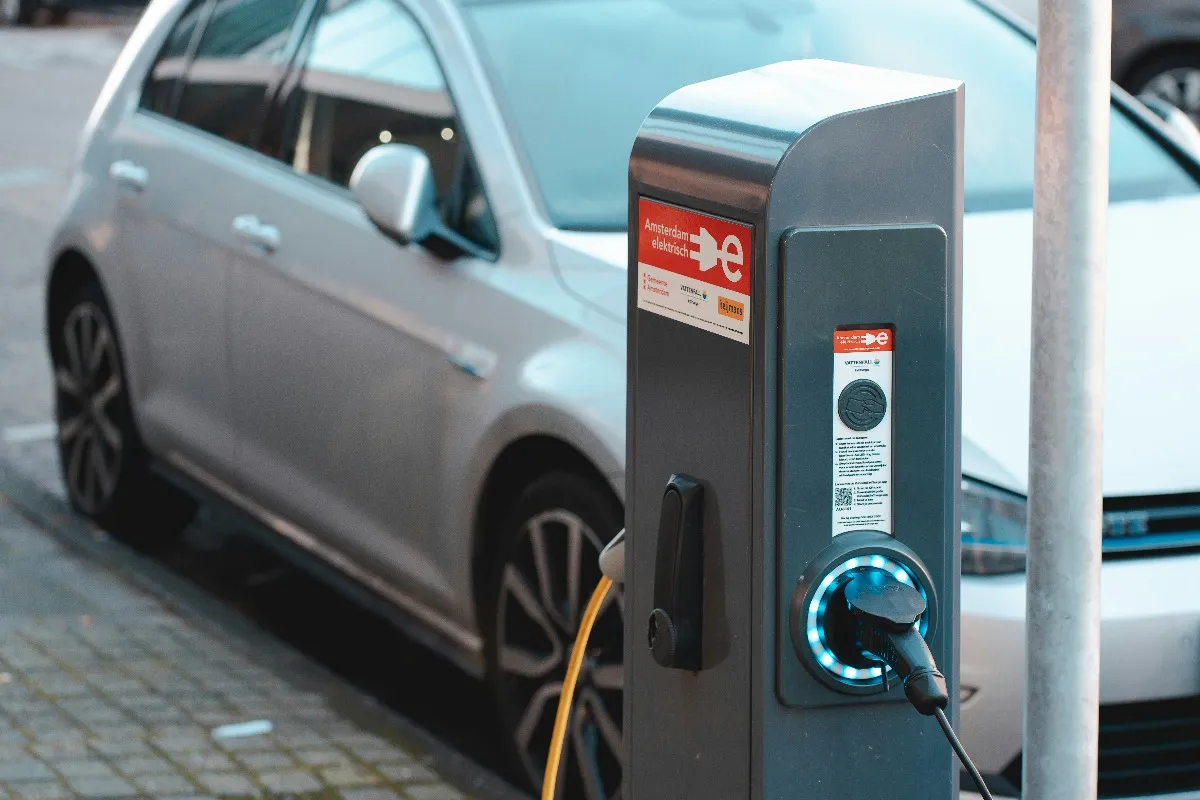
High fuel prices continue to penalize daily drivers, making electric charging a far cheaper alternative.
While electricity prices are going up, EVs are still cheaper to run that gas cars, partly because of maintenance as well.
EVs also have fewer moving parts, so fewer things to worry about.
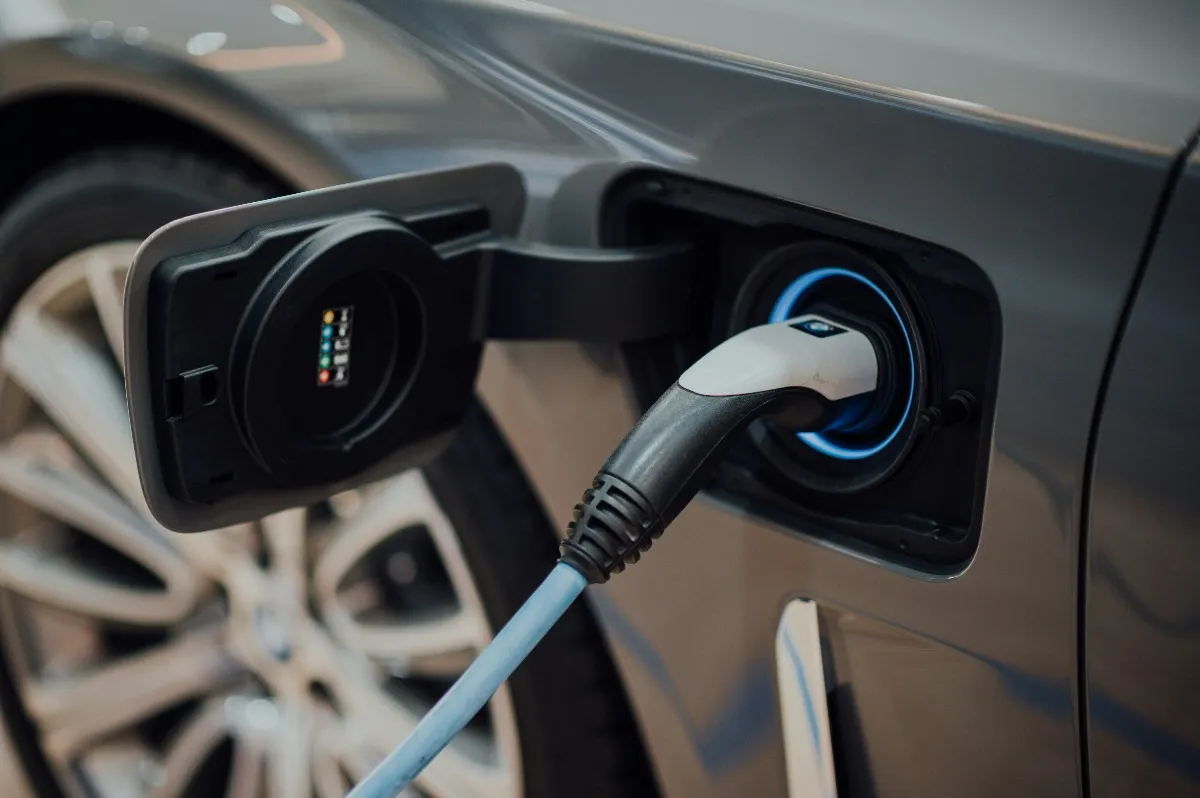
Even though, to be fair, this distinction doesn’t apply to PHEVs.
Last but not certainly least, they’re simply more fun.
The average gas sedan can be quite sluggish, but, thanks to instant torque, pretty much all EVs and PHEVs are quite nippy.
The ‘yes, but’ moment
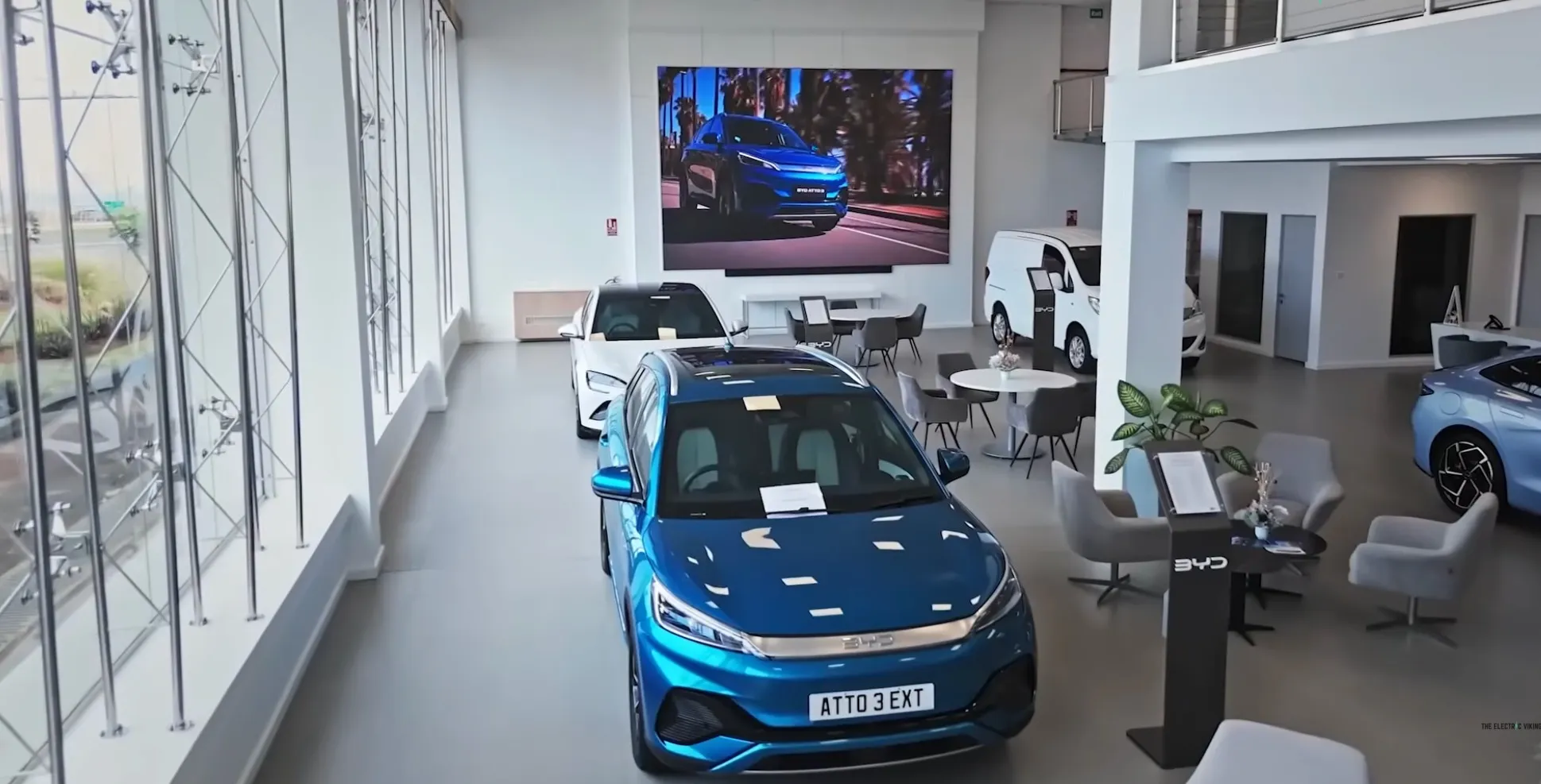
You’re probably expecting a ‘yes, but’ moment, and there is one.
The reality is that record EV market share is occurring inside a shrinking overall pie.
With total auto sales down 25 percent, automakers are fighting over fewer buyers.
This contraction has turned China’s automotive sector into a brutal survival-of-the-fittest arena.

Price wars are squeezing profit margins to the breaking point.
And this is also bad news for buyers outside of China, because no one wants to buy a vehicle from a brand that could fail tomorrow.
This is leading to the oldest issue in the world: monopolies.
A few key brands control vast portions of the market, which means they could potentially end up cornering the market.
The best of Supercar Blondie, every Sunday
The week's best car stories, straight to your inbox. Free.
Alessandro is an automotive journalist with 10 years of experience covering supercars, automotive history, emerging vehicle technology, and luxury transportation. He wrote the first article published on SupercarBlondie.com when the website launched in 2022 and has since built a reputation for insightful reporting across the automotive and transportation industries. His expertise is grounded in hands-on experience. Alessandro has driven every Tesla model ever produced, from the original Roadster to the Cybertruck, and regularly covers the latest developments in electric vehicles and automotive innovation. His passion for transportation extends beyond cars, he has even flown a Boeing 787 Dreamliner simulator in Addis Ababa, Ethiopia. His reporting spans everything from classic American muscle cars and rare automotive discoveries to luxury yachts, private aircraft, high-end watches, and cutting-edge vehicle technology. Known for his deep knowledge of automotive history and ability to uncover the stories behind iconic vehicles, Alessandro brings readers a blend of historical context, technical expertise, and first-hand experience.