China is making physical buttons mandatory for specific car operations
Published on Feb 22, 2026 at 12:25 AM (UTC+4)
by Molly Davidson
Last updated on Feb 19, 2026 at 9:45 PM (UTC+4)
Edited by
Kate Bain

China has fallen hard for the giant touchscreen.
For years, the bigger and cleaner the cabin looked, the better.
Physical buttons were stripped away in favor of sleek glass panels and minimalist dashboards.
Now, the government is stepping in to reverse part of that trend.
DISCOVER SBX CARS – The global premium auction platform powered by Supercar Blondie
Physical buttons will be mandatory for specific car operations
China’s Ministry of Industry and Information Technology is revising its national vehicle standards to make physical controls mandatory for a list of critical functions.
From July 1, 2026, any newly manufactured vehicle will need proper physical buttons or switches for essentials like turn signals, hazard lights, the horn, and even gear selection.
That means no more screen-only P, R, N, and D setups.
If you want to shift, there has to be something you can physically push or pull.
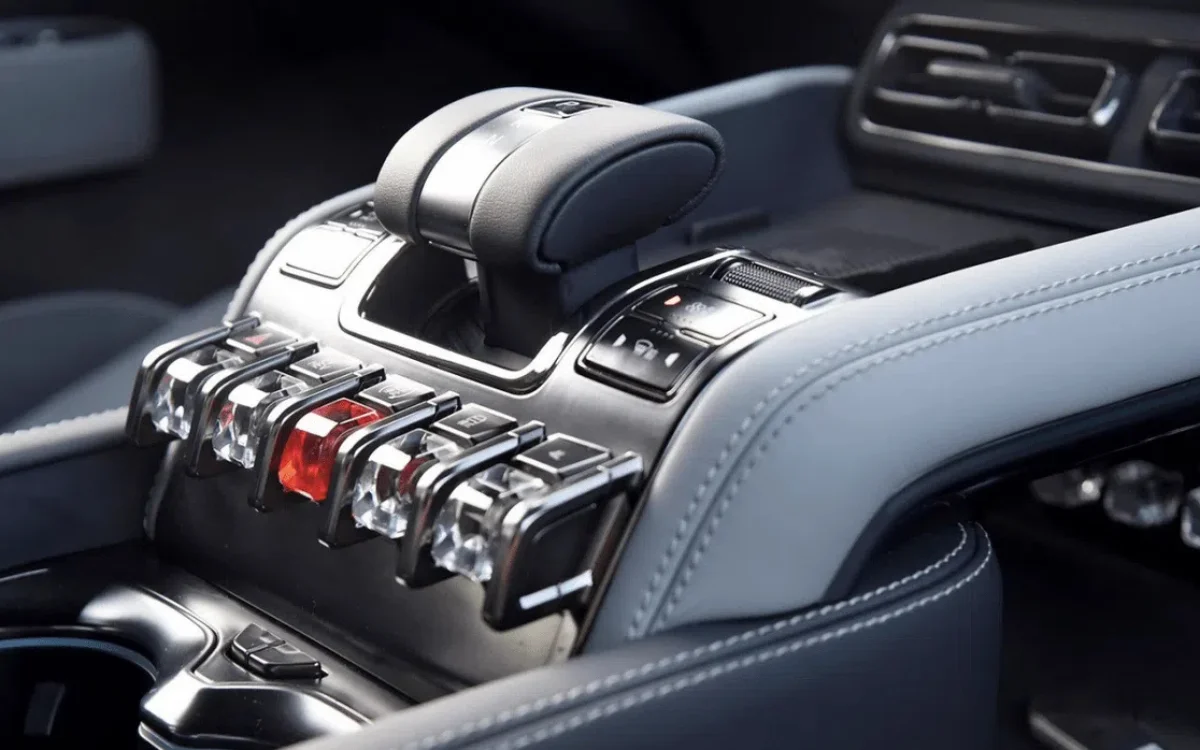
The rule also covers windshield wipers, defrosters, power windows, the emergency call system, the EV power-off switch, and the activation switch for advanced driver assistance systems.
In short, anything you might need in a split second can’t be buried in a menu.
And it’s not just about adding random buttons back in.
The updated standard requires each control to have a minimum operating area of at least 10mm by 10mm, a fixed position, and the ability to be used without looking.
There must also be haptic or audible feedback, and crucially, these basic functions must still work if the central system crashes or loses power.
The goal is simple: reduce driver distraction and make sure key controls are accessible without forcing drivers to take their eyes off the road to navigate a touchscreen.
Click the star icon next to supercarblondie.com in Google Search to stay ahead of the curve on the latest and greatest supercars, hypercars, and ground-breaking technology
The touchscreen-heavy EV era that triggered the rule
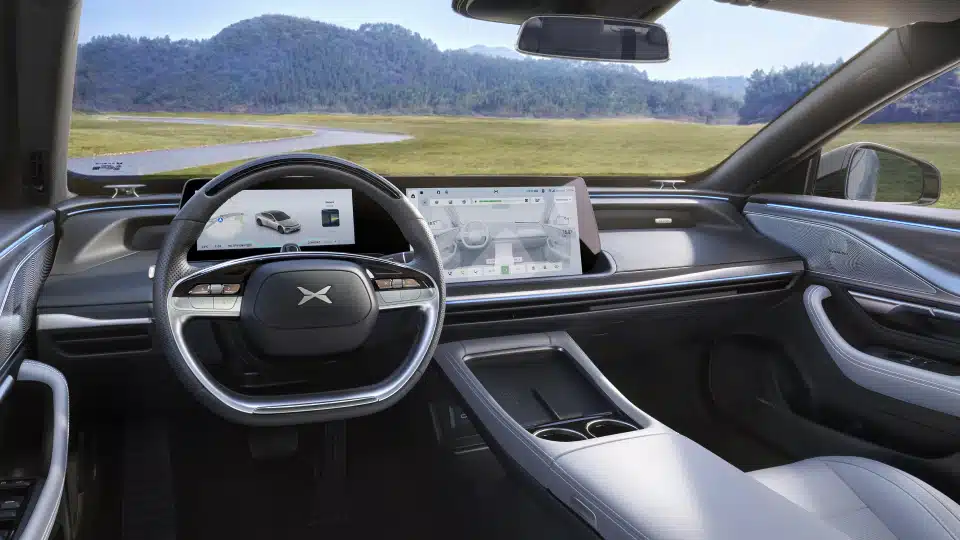
Over the past few years, Chinese new energy vehicles have leaned heavily into ultra-minimalist interiors.
A single large central display often controls almost everything, sometimes paired with a second screen for the front passenger.
The look is clean, modern, and very smartphone-inspired.
But critics have started pushing back.
A Geely vice president recently described the situation as the Chinese auto industry ‘blindly following trends’ – a not-so-subtle jab at the race to eliminate physical switches.
The revision process began in 2023 and involved major manufacturers and research institutions, including Geely, FAW-Volkswagen, BYD, Great Wall Motor, and the China Automotive Technology and Research Center.
A draft has been completed and is expected to be released for public comment soon.
It’s a sign that even in the world’s largest EV market, there’s a growing recognition that some controls are better felt than found on a screen.
For an industry that’s tried to turn dashboards into giant tablets, this feels like a reset.
Because when you need your wipers or hazard lights immediately, glass just doesn’t cut it.
DISCOVER SBX CARS: The global premium car auction platform powered by Supercar Blondie
With roles at TEXT Journal, Bowen Street Press, Onya Magazine, and Swine Magazine on her CV, Molly joined Supercar Blondie in June 2025 as a Junior Content Writer. Having experience across copyediting, proofreading, reference checking, and production, she brings accuracy, clarity, and audience focus to her stories spanning automotive, tech, and lifestyle news.