We went to Beijing to test just how good next-gen Chinese EV batteries are and the results were extraordinary
Published on May 25, 2026 at 9:55 AM (UTC-4)
by Alessandro Renesis
Last updated on May 26, 2026 at 10:59 AM (UTC-4)
Edited by
Mason Jones
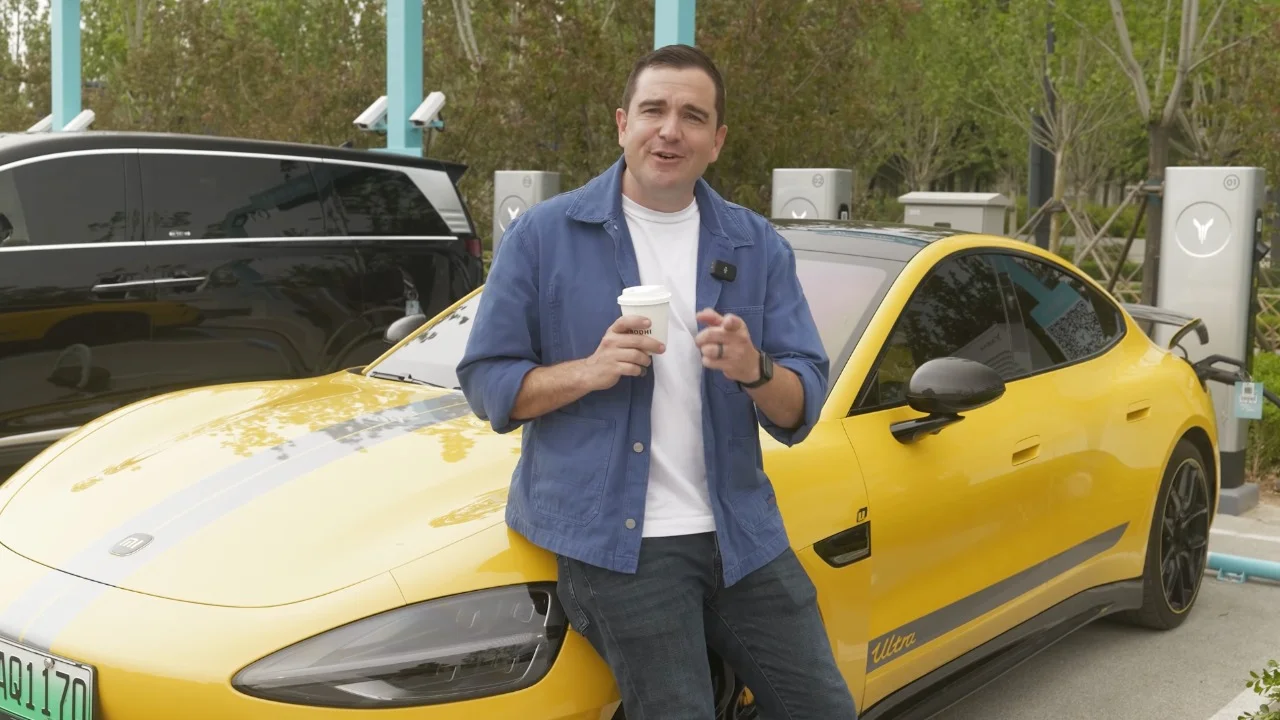

We traveled to Beijing to test the new batteries that Chinese EV company CATL is developing.
CATL is doing two things at once, and it’s also integrating them into a single system.
The result is a battery that charges in a few minutes.
We’re getting incredibly close to matching the refueling speed of traditional gas cars.
The first thing that CATL is doing
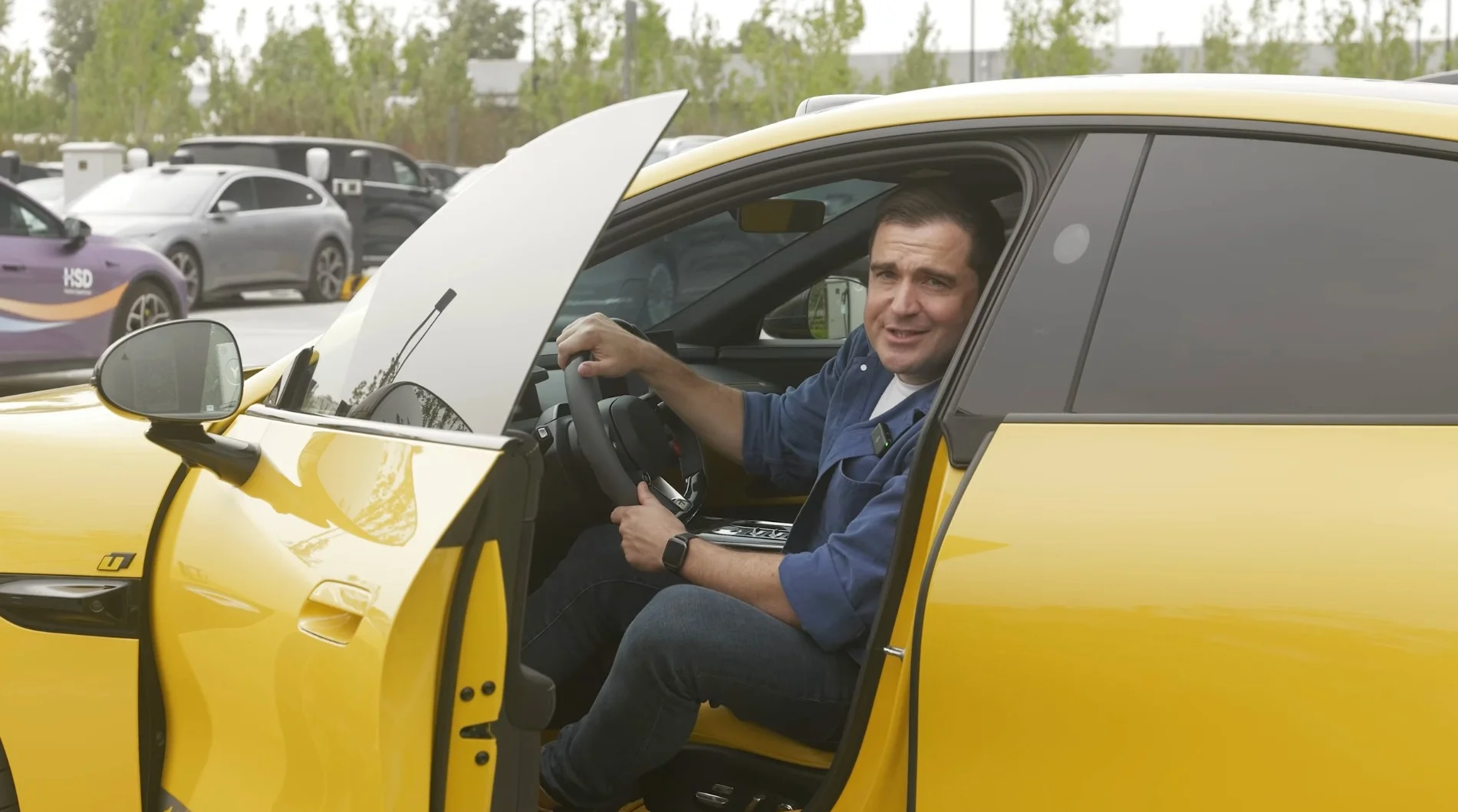
Supercar Blondie’s Nathan Bain flew to Beijing to test two new battery technologies developed by Chinese EV company CATL, which, among others, also works with Xiaomi for the SU7 Ultra.
Range anxiety is still a huge problem, and CATL is trying to eliminate that in two ways.
First, they’ve unleashed the third-generation ‘Shenxing’ and ‘Qilin’ batteries, pushing charging times down to six minutes – with partial charging happening in under four.
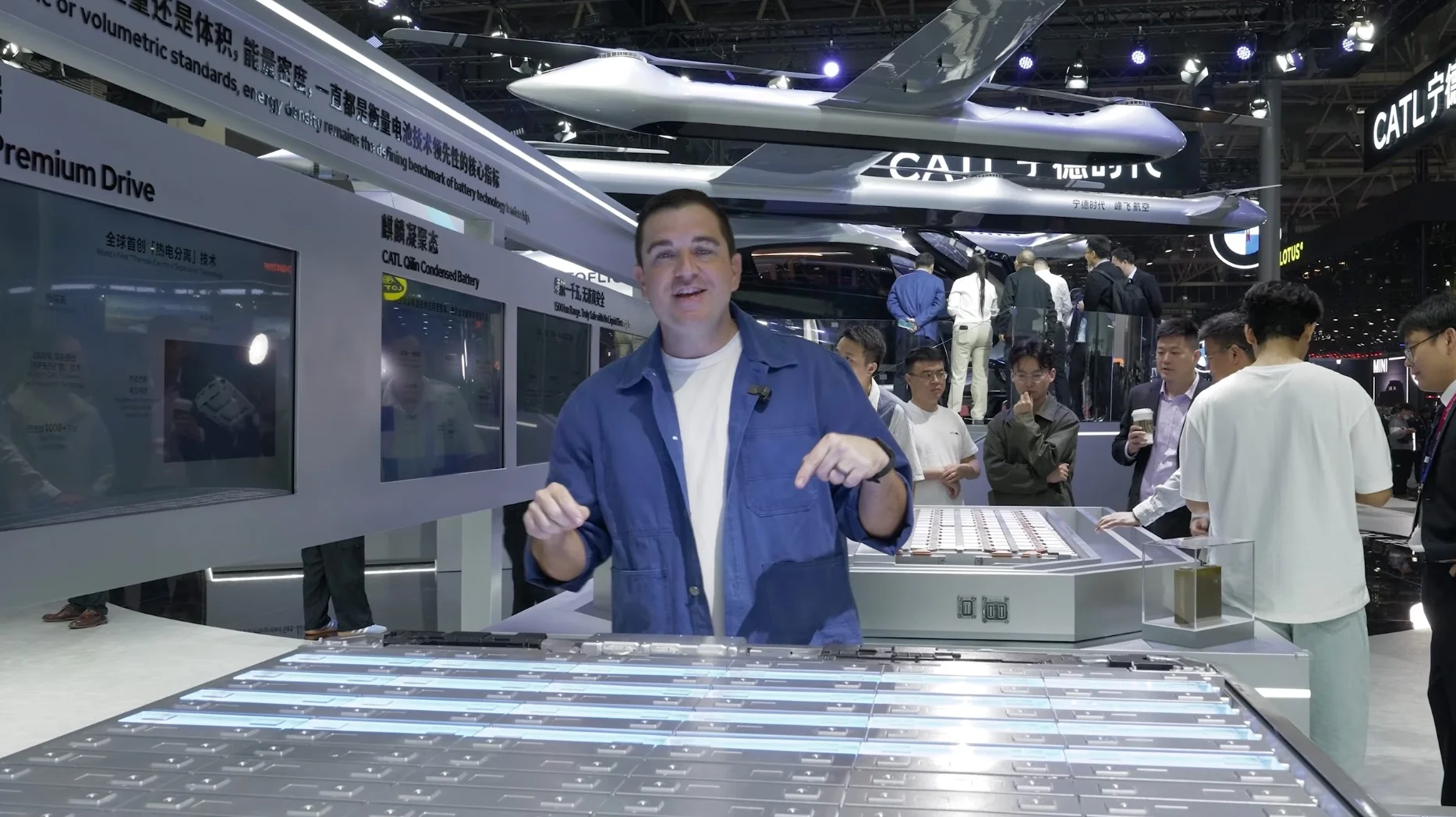
These new high-energy, high-density batteries pack up three megawatts, and handle extreme winter environments down to -30°.
“CATL’s secret, they’ve dropped internal resistance so low, it’s like turning that jammed one-lane road into an eight-lane superhighway. The energy doesn’t just move, it surges,” Nathan explained.
The battery pack is also 255 kg lighter than the average battery, which improves everything from performance to energy consumption and handling.
The beauty is that CATL is also integrating this with something else that’s just as important.
Related


The company is pioneering swappable batteries
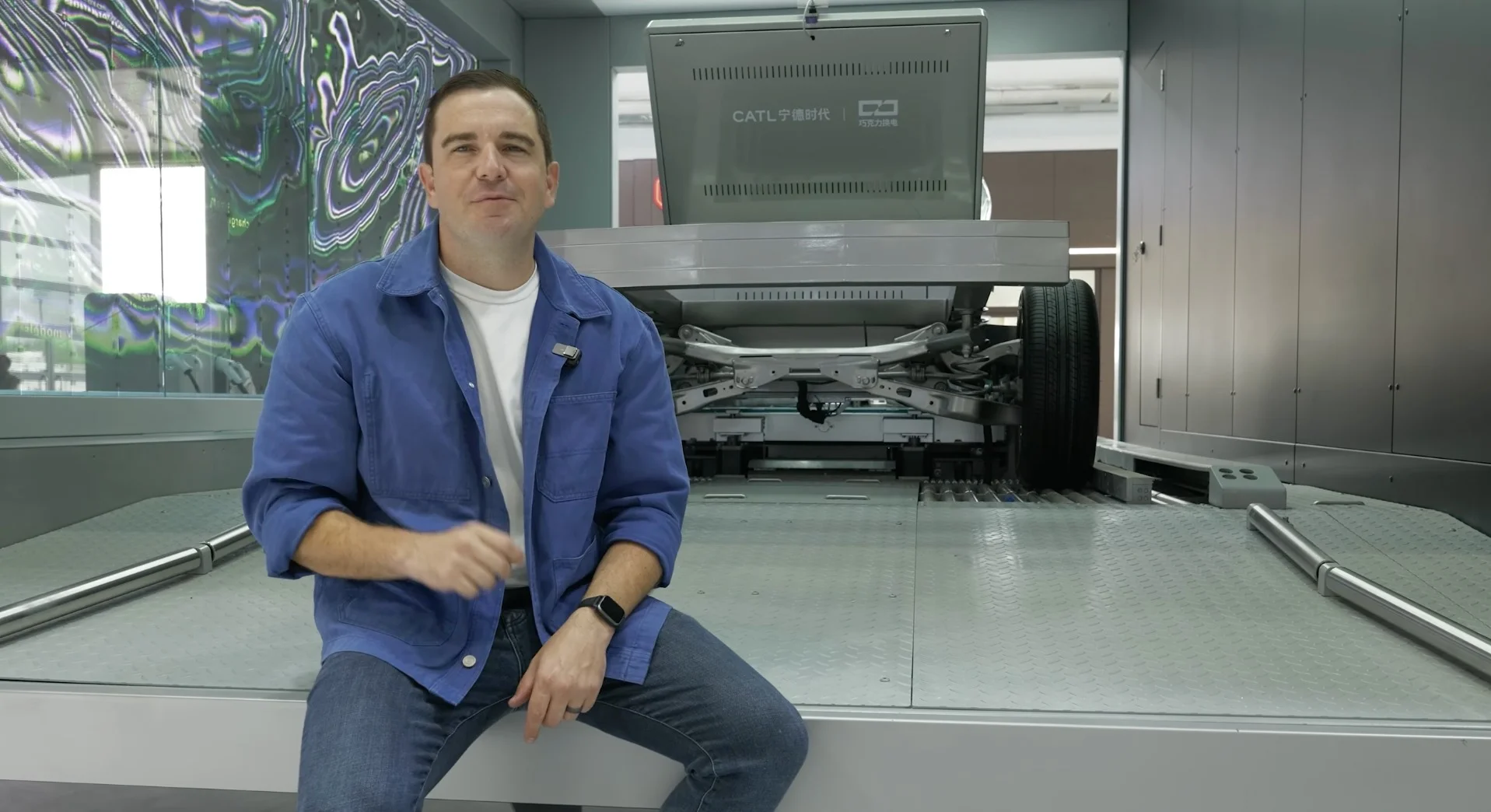
Alongside fast-charging, CATL is pioneering a modular battery-swapping system that allows drivers to swap out packs in under two minutes.
They call it the ‘Choco-Swap’ system (because the battery packs look like chocolate bars) and, in theory, it’s exactly as simple as advertised.
You drive to the ‘charging’ station, your old battery gets swapped with a new one, and off you go.
By combining these two concepts, the ultimate ambition is to reduce everything to a five- or six-minute job.
“Since the Choco Swap system and Shenxing Ultra charging are entirely integrated, it takes less than 2 minutes to swap your battery to a 6-minute ultra-fast charging,” Nathan pointed out.
You swap the battery in two minutes, and the old battery is ready for the next driver in three minutes.

It’s already happening, by the way.
As of 2026, there are already over 1,000 swapping stations between Beijing and other cities in China, with eyes locked on expanding to Europe.
This technology is already compatible with Chinese automotive giants, from FAW (Hongqi) to Dongfeng and SAIC-GM-Wuling.
“In my eyes, the age of compromise is over,” Nathan concluded.

Alessandro is an automotive journalist with 10 years of experience covering supercars, automotive history, emerging vehicle technology, and luxury transportation. He wrote the first article published on SupercarBlondie.com when the website launched in 2022 and has since built a reputation for insightful reporting across the automotive and transportation industries. His expertise is grounded in hands-on experience. Alessandro has driven every Tesla model ever produced, from the original Roadster to the Cybertruck, and regularly covers the latest developments in electric vehicles and automotive innovation. His passion for transportation extends beyond cars, he has even flown a Boeing 787 Dreamliner simulator in Addis Ababa, Ethiopia. His reporting spans everything from classic American muscle cars and rare automotive discoveries to luxury yachts, private aircraft, high-end watches, and cutting-edge vehicle technology. Known for his deep knowledge of automotive history and ability to uncover the stories behind iconic vehicles, Alessandro brings readers a blend of historical context, technical expertise, and first-hand experience.