Chinese EV with aluminium-based battery undergoes testing at -13°F and puts up some very impressive numbers
Published on Feb 17, 2026 at 4:14 AM (UTC+4)
by Molly Davidson
Last updated on Feb 17, 2026 at 9:34 PM (UTC+4)
Edited by
Kate Bain

Electric vehicles with traditional lithium-ion batteries don’t usually perform well in extreme cold.
When temperatures fall, range drops, charging slows down, and winter driving becomes a bit of a gamble.
So when a Chinese EV fitted with a new aluminium-based lithium-ion battery was put through a real-world winter test, expectations weren’t exactly sky-high.
What happened next inside the Geely EX5 EV is what’s getting the industry’s attention.
DISCOVER SBX CARS – The global premium auction platform powered by Supercar Blondie
The -13°F aluminium battery test inside the Geely EX5 EV
Scientists from the Chinese Academy of Sciences installed a new aluminium-based, wide-temperature lithium-ion battery into a production Geely EX5 EV and sent it into deep winter in Heilongjiang, China.
First, the electric SUV went through a 24-hour cold soak at -13°F (-25°C).
That means it sat outside in serious freezing weather before being driven.
Then it was taken on normal city routes to see how the EV battery performed in real-world conditions.
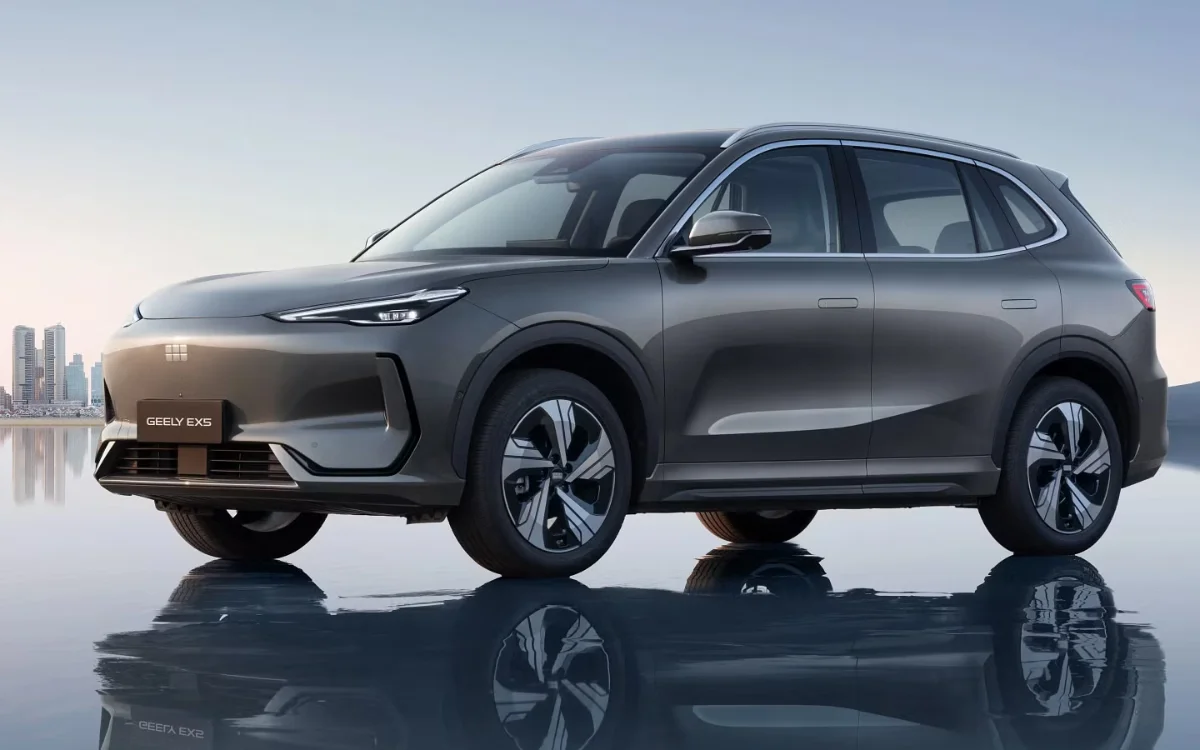
The result was impressive.
The aluminium-based battery maintained more than 92 percent discharge efficiency during urban driving.
For comparison, traditional lithium-ion EV batteries often see noticeable capacity drops once temperatures fall below -20°C.
Fast-charging performance also held up.
In sub-zero temperatures, the Geely EX5 EV reached 90 percent state of charge in about 20 minutes.
There were no external heaters or special insulation tricks involved.
The battery’s built-in thermal management system handled charging safely on its own.
The reason it worked so well comes down to the battery design.

Instead of the standard graphite anode used in most EV batteries, this pack uses an alloy-modified aluminium negative electrode.
That change helps ions move more easily in extreme cold, which keeps energy output stable.
In laboratory testing, researchers say the battery can operate between -94°F and +176°F.
Click the star icon next to supercarblondie.com in Google Search to stay ahead of the curve on the latest and greatest supercars, hypercars, and ground-breaking technology
Why this test is so meaningful
Cold weather is one of the biggest weak spots for electric vehicles.
When it’s freezing, chemical reactions inside a standard lithium-ion battery slow down.
That means less range, slower charging, and sometimes a car that just feels… sluggish.
If you live somewhere with real winters – like Canada, northern China, Scandinavia, or parts of the US – that’s not a small issue.
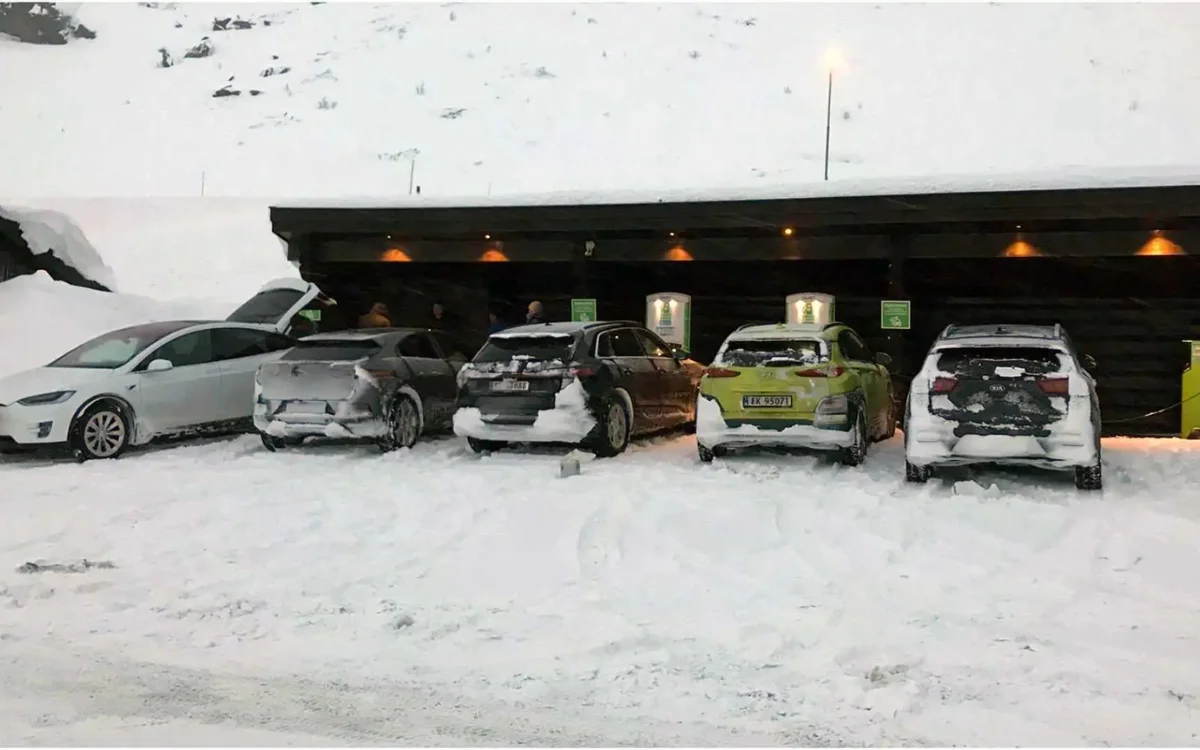
It’s months of the year.
That’s why this test is so important.
It wasn’t done in a cozy lab.
It was done in a production Geely EX5 EV that sat outside for 24 hours and then drove around like normal.
If an aluminium-based EV battery can keep 92 percent efficiency at -13°F and still charge to 90 percent in 20 minutes, that’s a serious step forward.
It doesn’t mean winter problems are completely solved yet.
But it does mean EVs might be getting a lot better at handling the kind of cold that used to scare buyers away.
DISCOVER SBX CARS: The global premium car auction platform powered by Supercar Blondie
With roles at TEXT Journal, Bowen Street Press, Onya Magazine, and Swine Magazine on her CV, Molly joined Supercar Blondie in June 2025 as a Junior Content Writer. Having experience across copyediting, proofreading, reference checking, and production, she brings accuracy, clarity, and audience focus to her stories spanning automotive, tech, and lifestyle news.