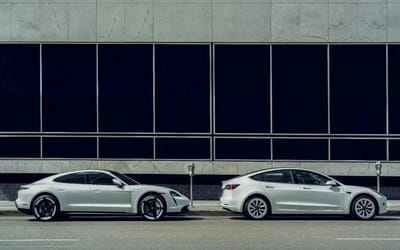
Coloradan guys did a test to see how far a Tesla Model 3 can go with an 'empty' battery and results turned out to be shocking
Published on Jan 06, 2026 at 3:09 AM (UTC+4)
by Alessandro Renesis
Last updated on Jan 05, 2026 at 5:10 PM (UTC+4)
Edited by
Emma Matthews

These guys from Colorado did something most of us wouldn’t have the courage to do and kept on driving their Tesla Model 3 – on FSD – on an empty ‘tank’ for miles.
They simply wanted to answer a question a lot of people are asking and test how far you could actually drive a Model 3 on empty before it actually ran out of juice and came to a halt.
And the answer was: a lot further than they imagined.
But there’s a very good reason why doing something like that on a regular basis is actually a bad idea.
DISCOVER SBX CARS: The global premium car auction platform powered by Supercar Blondie
EVs have a built-in fuel buffer, just like gas cars
In internal combustion vehicles, the fuel sensor is calibrated to read ’empty’ while there’s still a small amount of fuel in the tank.
This fuel reserve acts as a safety margin for drivers who clearly don’t have a problem with range anxiety.
The same thing happens with electric cars, and for the exact same reason.
But there’s a key difference.
In general, the owner’s driving style doesn’t make a huge difference in a gas car, because either the car is fuel-efficient, or it isn’t.
But it definitely makes a difference in an EV.
Last year, Polestar engineers drove a Polestar 3 – a vehicle with a claimed range of 350 miles – for 581 miles on a charge by driving it unnaturally slowly and being extremely strategic when it came to things like braking and accelerating.
An equivalent test with a gas car wouldn’t produce the same result.
The AMG G 63, for example, gets 15-16mpg on a good day.
You could make a little better or a little bit worse, depending on how you drive it, but you could never somehow double the range of the car.
Here’s why driving a Tesla Model 3 on empty is not a good idea

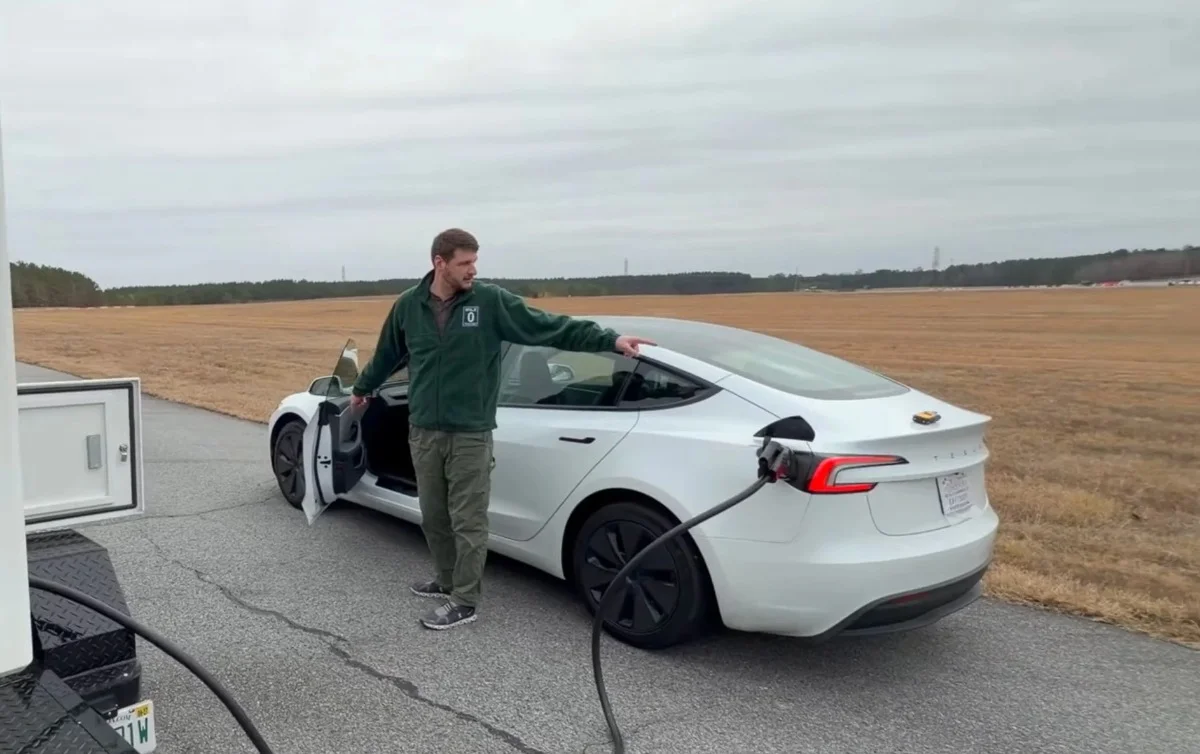
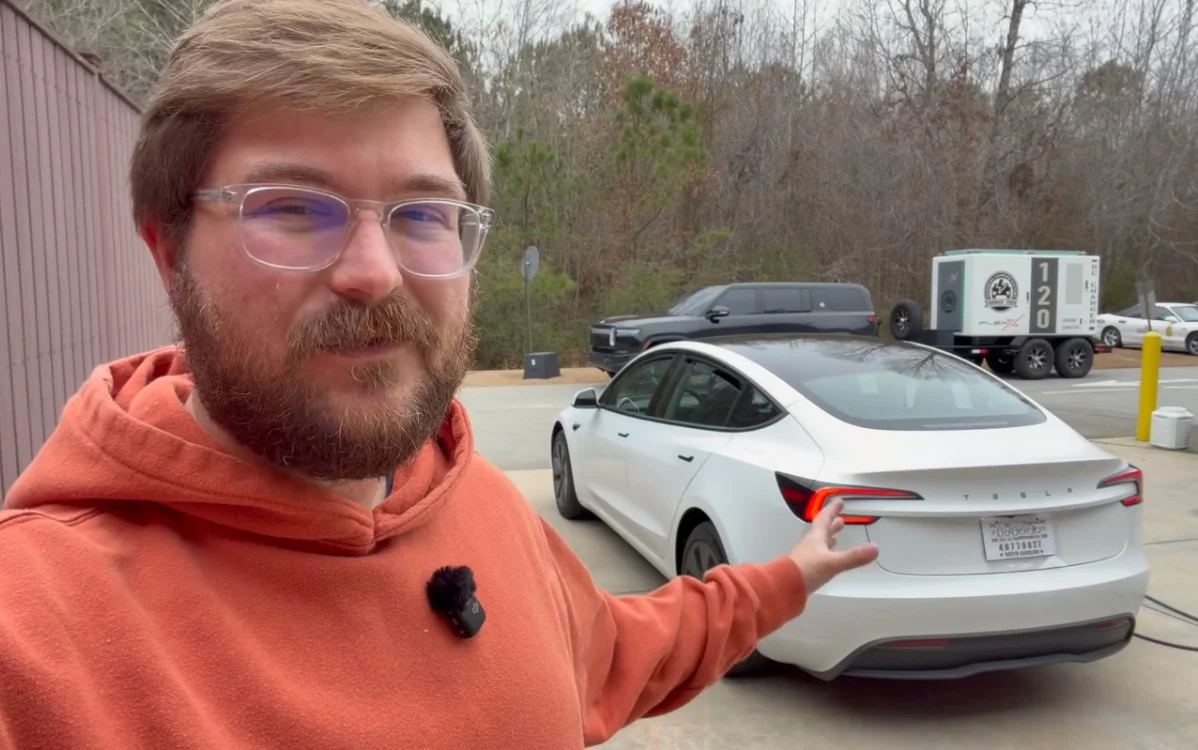
Kyle and Ben of the Out Of Spec YouTube channel drove this Tesla Model 3 on FSD in Colorado until it reached ‘0’ miles of range left, and then just kept on driving.
Amazingly, they managed to ‘extract’ an extra 31 miles out of a battery pack that was theoretically empty.
It was certainly a useful and interesting experiment – especially considering the fact they did it on FSD – but it’s also a great way to damage your battery.
The 20-80 rule applies to EVs in the same way it applies to anything else that runs on batteries.
Generally speaking, and with a few exceptions, battery manufacturers recommend keeping the charge between 20 percent and 80 percent to maximize battery health and lifespan, as extremes – 0 or 100 percent – stress the battery.
Then again, this was a one-off experiment, so the battery is probably just fine.
After beginning his automotive writing career at DriveTribe, Alessandro has been with Supercar Blondie since the launch of the website in 2022. In fact, he penned the very first article published on supercarblondie.com. He’s covered subjects from cars to aircraft, watches, and luxury yachts - and even crypto. He can largely be found heading up the site’s new-supercar and SBX coverage and being the first to bring our readers the news that they’re hungry for.