Colorado state troopers pulled over 2,540 drivers in a year for hogging the fast lane and supercar drivers can rejoice
Published on Apr 13, 2026 at 3:39 AM (UTC-4)
by Molly Davidson
Last updated on Apr 14, 2026 at 3:26 AM (UTC-4)
Edited by
Emma Matthews


Colorado state troopers pulled over 2,540 drivers in a year for hogging the fast lane, and it’s a move plenty of drivers have been waiting for.
It’s not about catching people going too fast or driving recklessly.
Instead, it targets something far more common – drivers sitting in the left lane and refusing to move over.
And now, authorities are making it clear this isn’t just annoying, it’s a safety issue.
The fast lane crackdown caught 2,540 drivers in a year
Last year, Colorado State Troopers pulled over 2,540 drivers for blocking the left lane on multi-lane highways.
The rule is simple, but it’s often misunderstood.
On roads with speed limits of 65 miles per hour or higher, the left lane is designated as a passing lane.
That means once you’ve overtaken another car or made space for someone merging, you’re expected to move back over.
Because of that, staying in the left lane, even at the posted speed limit, can still count as obstructing traffic.
Authorities say a big part of the issue is awareness.
“There is a lack of awareness about this law and a perception in the community… that law enforcement doesn’t enforce it,” Colorado State Patrol Trooper Hunter Mathews told Supercar Blondie.
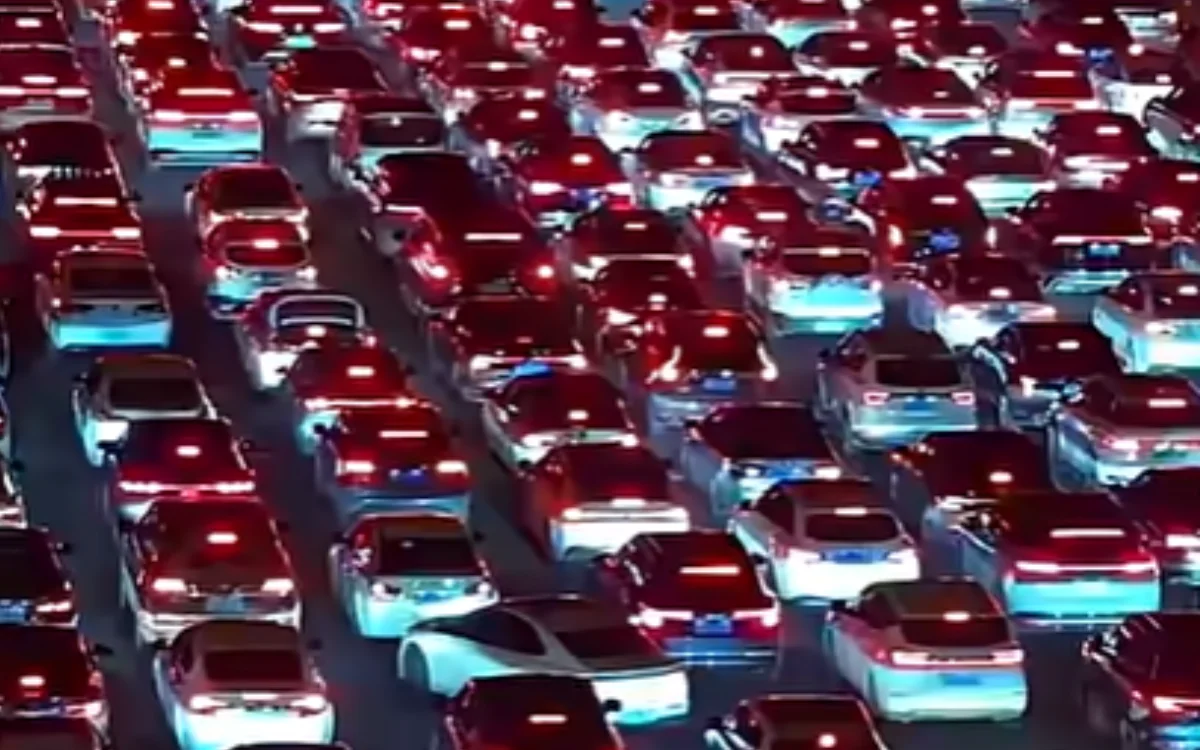
When drivers sit in that lane, it disrupts the natural flow of traffic.
As a result, it tends to trigger a chain reaction – tailgating, risky overtakes, flashing headlights.
The kind of behavior that quickly escalates.
That’s where the safety concern comes in.
“‘Lane camping’ comes with an increase in road rage incidents, whereas speeding raises the chances of a crash,” Mathews said.
“We are strictly enforcing both laws.”
So while it might feel like a minor habit, it’s one troopers are now treating more seriously as part of a broader push to reduce congestion, reckless driving, and road rage.
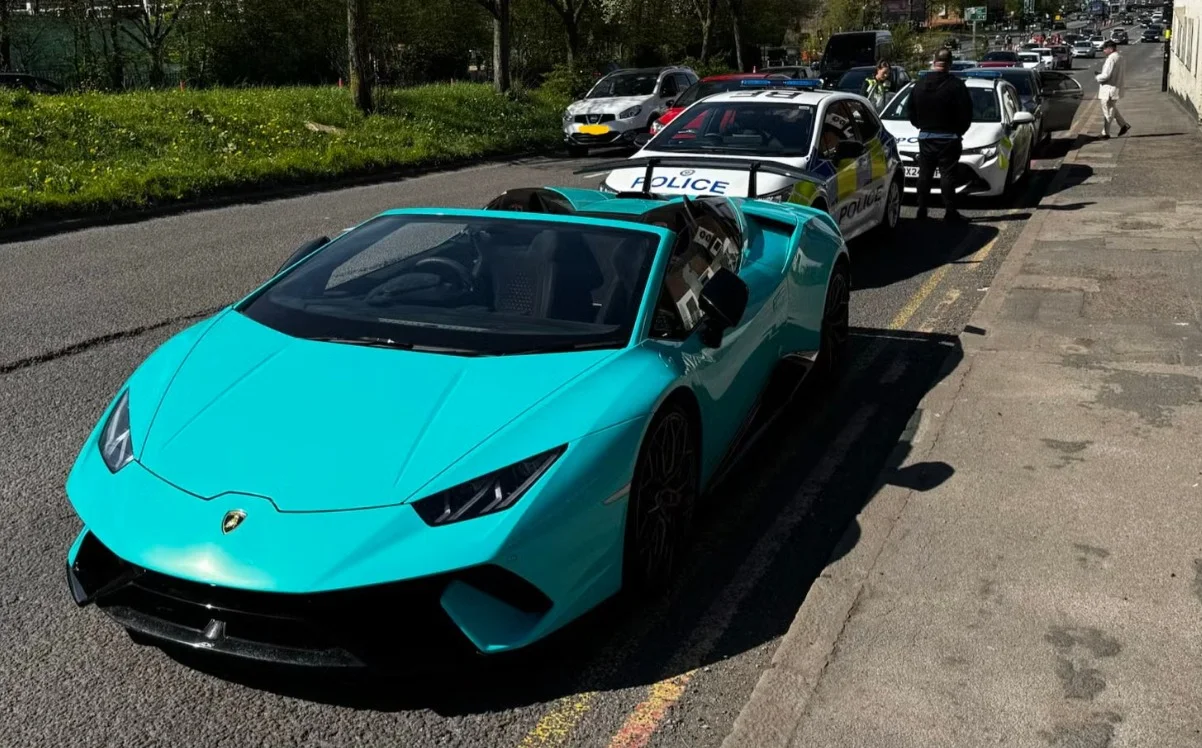
For faster drivers, including performance and supercar owners used to being stuck behind slower traffic, it’s a rare moment where the rules actually work in their favor.
Not because speeding is being encouraged, but because the road is being used the way it was designed.
Why this rule is suddenly getting serious attention
This push isn’t about ramping up enforcement overnight.
Instead, the focus is shifting toward education and long-term behavior change.
“While we have not increased physical enforcement beyond the regular, our ultimate goal is to increase education about the dangers surrounding ‘lane camping’… so that we can prevent incidents from happening before they occur,” Mathews explained.
That ties into a broader effort to tackle major crash factors, including speeding and lane violations, while encouraging drivers to think more about how they use the road.
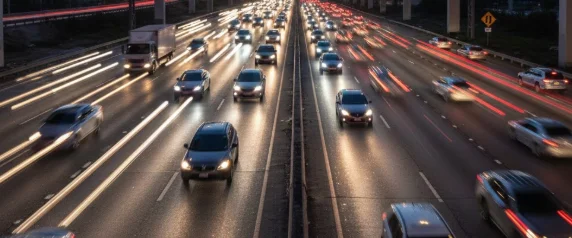
At the center of it is a simple idea: the left lane isn’t a place to sit, it’s a place to pass.
But habits haven’t quite caught up with that.
Many drivers still treat the left lane as the default, especially on open highways where traffic feels light.
That mismatch creates friction between drivers moving at different speeds.
By focusing on lane discipline, authorities are trying to smooth that out and reduce the tension before it turns into something more dangerous.
And the approach isn’t going away anytime soon either.
“The Colorado State Patrol will continue efforts to increase roadway safety using any means possible,” Trooper Mathews told us.
If more states follow that lead, the fast lane might finally start behaving like a passing lane again.
Which, for a lot of drivers, is exactly the point.
With roles at TEXT Journal, Bowen Street Press, Onya Magazine, and Swine Magazine on her CV, Molly joined Supercar Blondie in June 2025 as a Junior Content Writer. Having experience across copyediting, proofreading, reference checking, and production, she brings accuracy, clarity, and audience focus to her stories spanning automotive, tech, and lifestyle news.