Eye-opening computer modeling shows how phantom traffic jams form and why they stop traffic
Published on Feb 03, 2026 at 4:47 AM (UTC+4)
by Daisy Edwards
Last updated on Feb 02, 2026 at 9:23 PM (UTC+4)
Edited by
Emma Matthews

New research out of the UK explains how phantom traffic jams can start from absolutely nothing, and still leave you sitting stationary in your car for what feels like hours.
On a busy UK highway merge, traffic experts can watch a jam build from nothing more than everyday driving.
Phantom traffic jams are caused by no crashes, no roadworks, no police cars, just a sudden slowdown that seems to appear out of thin air.
Computer modeling reveals the surprising reason these phantom traffic jams can keep coming back.
EXPLORE SBX CARS – Supercar auctions starting soon powered by Supercar Blondie
Computer modeling shows traffic jams form
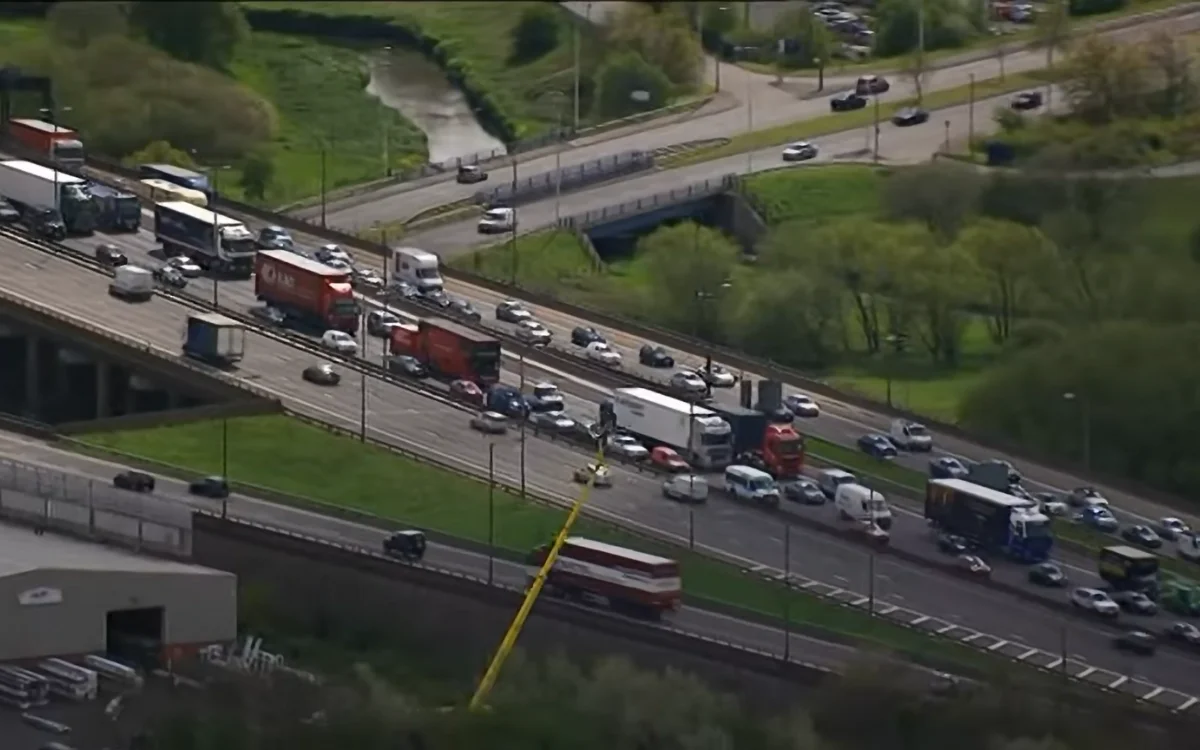
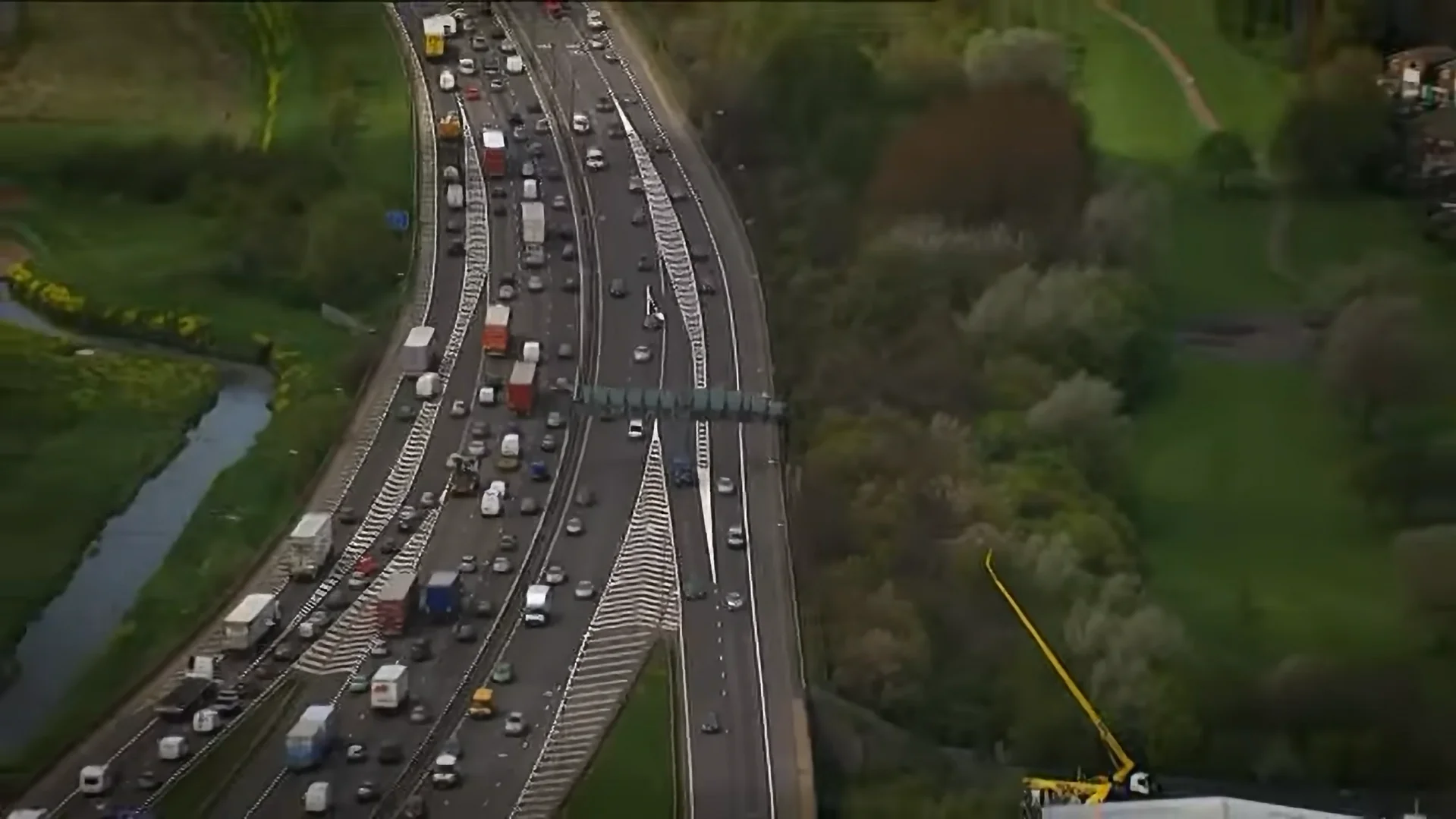
It’s 5pm on a Friday, and a camera is looking down at one of the UK’s most regular bottlenecks, where the M5 highway feeds cars into the M6 highway around Birmingham.
From above, it is easy to see the simple part of the problem: too much traffic is being pushed into a section of road that cannot carry it smoothly.
But the real eye-opener is what happens when there is no obvious trigger.
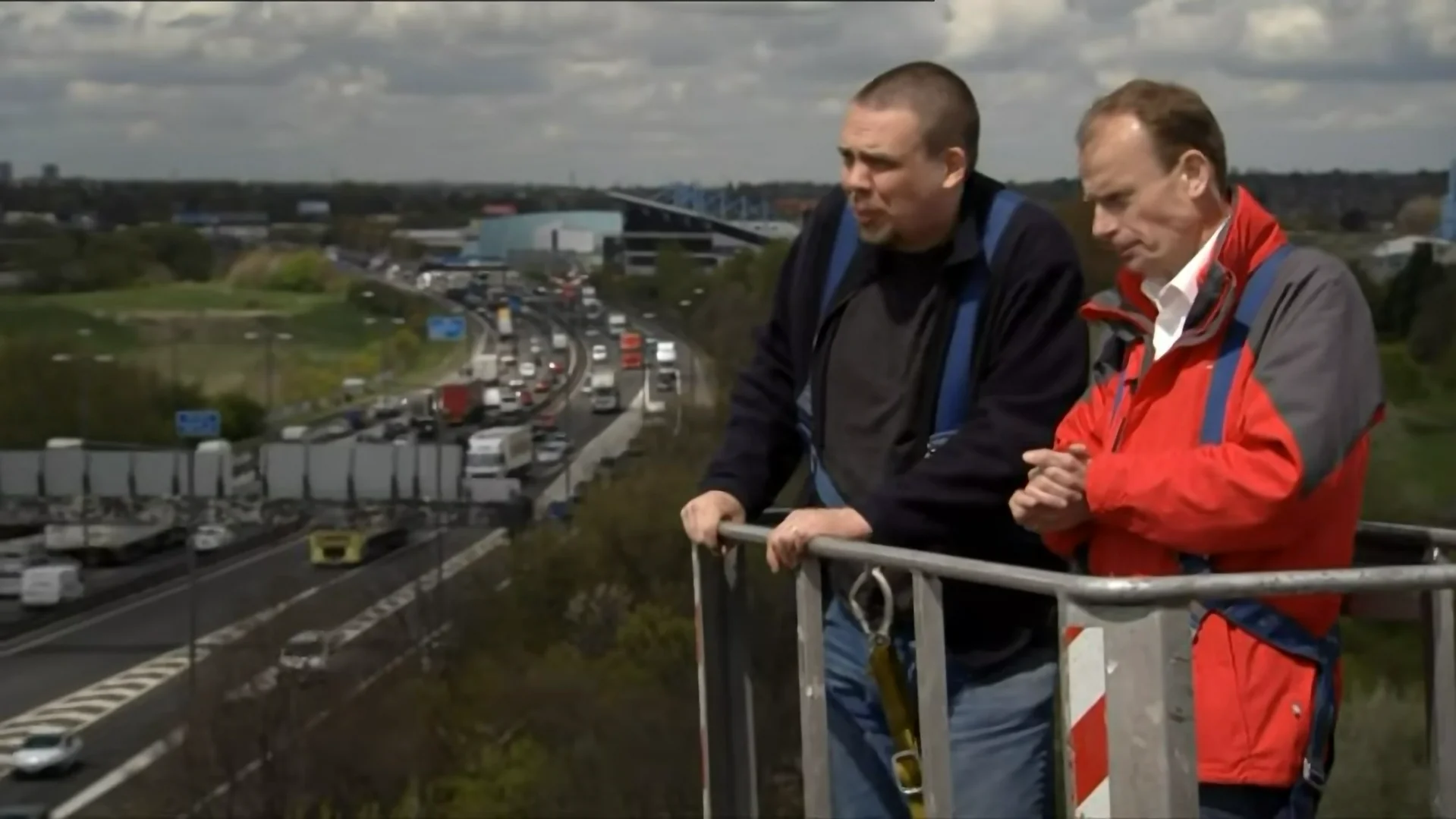
Traffic researcher Eddie Wilson explains that driver behavior does not have to be dramatic to cause chaos.
One driver crept a little too close to the car ahead, then corrected with a tap of the brakes.
The driver behind taps their brakes too, but usually a little bit harder.
That pattern repeats, and after dozens of cars, a small adjustment turns into a serious slowdown.
Push that ripple far enough back through the line, and somebody eventually has to brake sharply and a little further behind, someone may even stop completely, the traffic jam is born without a single external cause.
Click the star icon next to supercarblondie.com in Google Search to stay ahead of the curve on the latest and greatest supercars, hypercars, and ground-breaking technology
Why phantom traffic jams slow down traffic
The computer modeling shows the strangest part: even after the original braking moment is long gone, the traffic jam does not simply dissolve when vehicles start moving again.
Instead, it becomes a moving wave of slow or stationary cars that travels backward along the motorway, against the direction of traffic.
Drivers up ahead may be accelerating back to speed, while drivers behind are still arriving at the same wall of brake lights.
That is why phantom traffic jams feel so confusing in real life: you hit the slowdown, crawl for a bit, then the road clears, and there is no sign of what caused it.
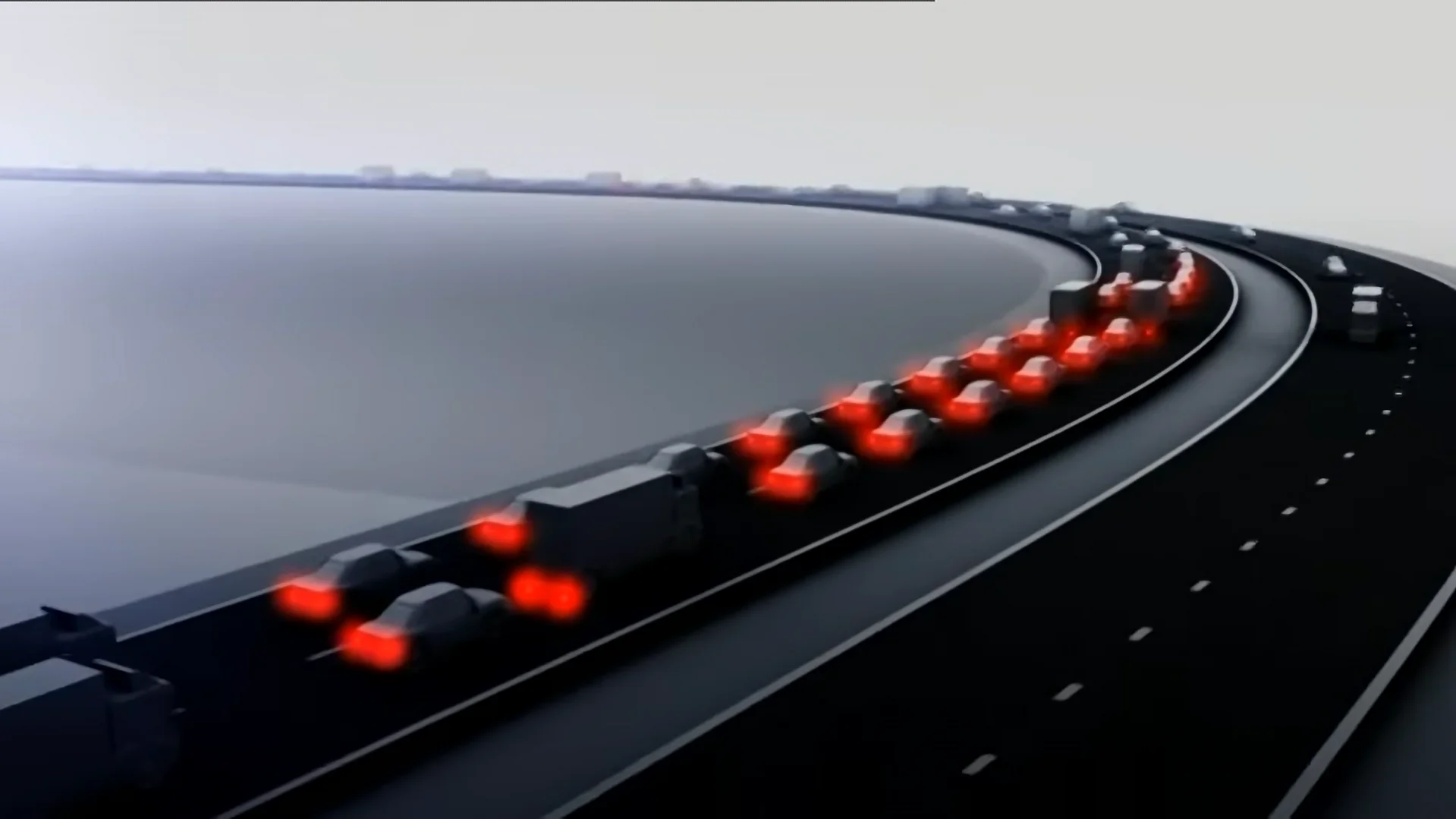
The cause has already vanished, but the wave it created is still rolling back through the flow of cars and lorries, repeatedly forcing traffic to bunch up and brake.
This is congestion that can create itself, sustain itself, and spread, all because crowded highways amplify tiny human reactions into a full-blown stop.
DISCOVER SBX CARS: The global premium car auction platform powered by Supercar Blondie